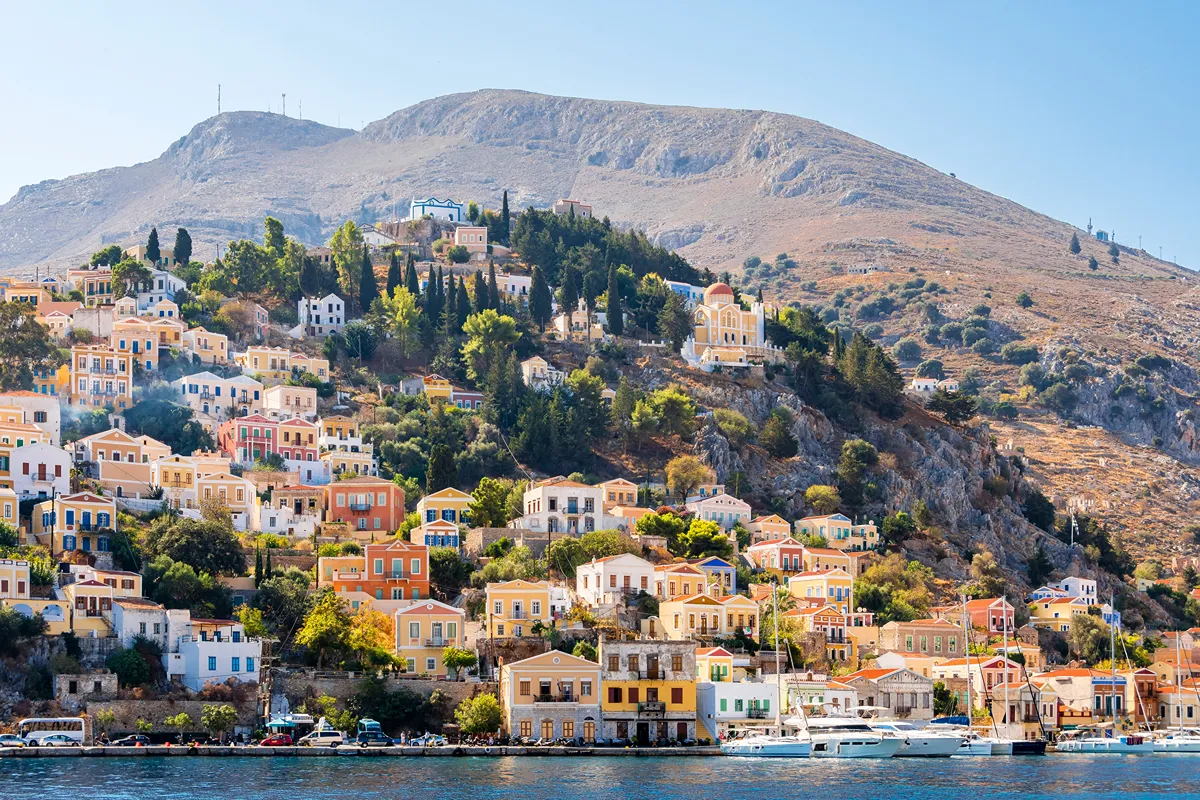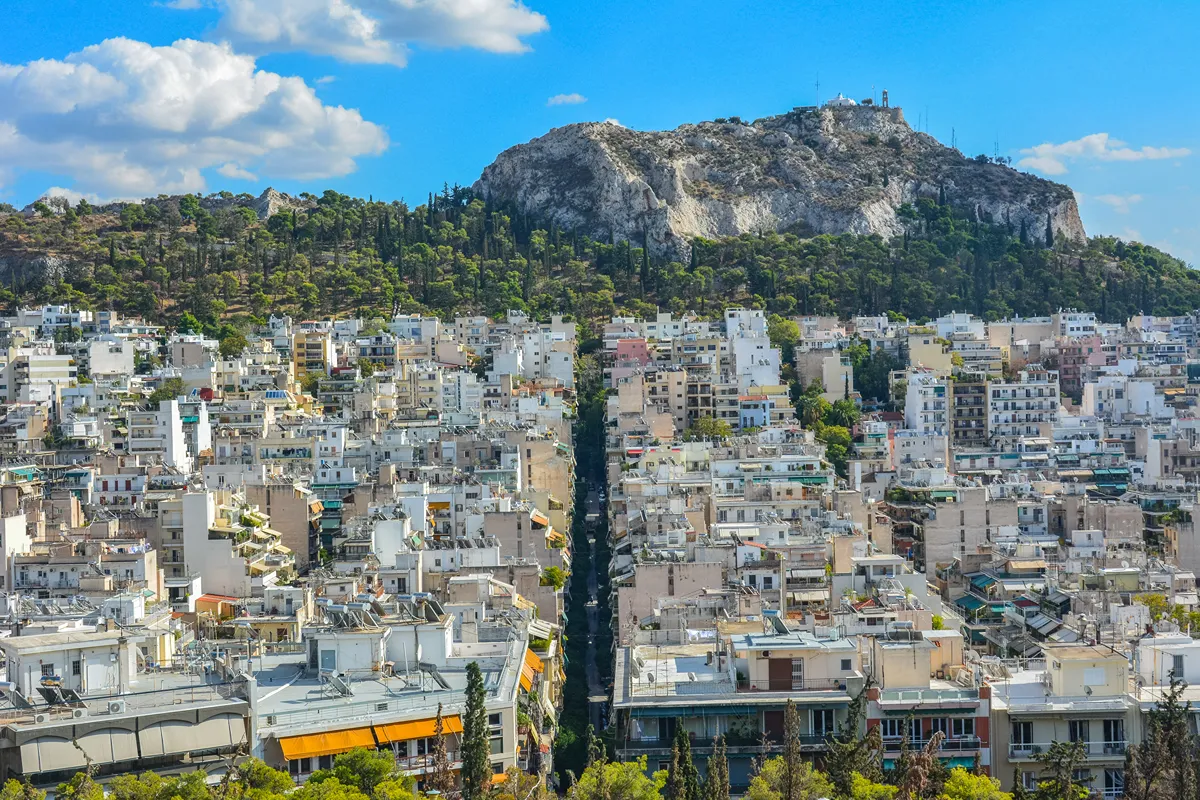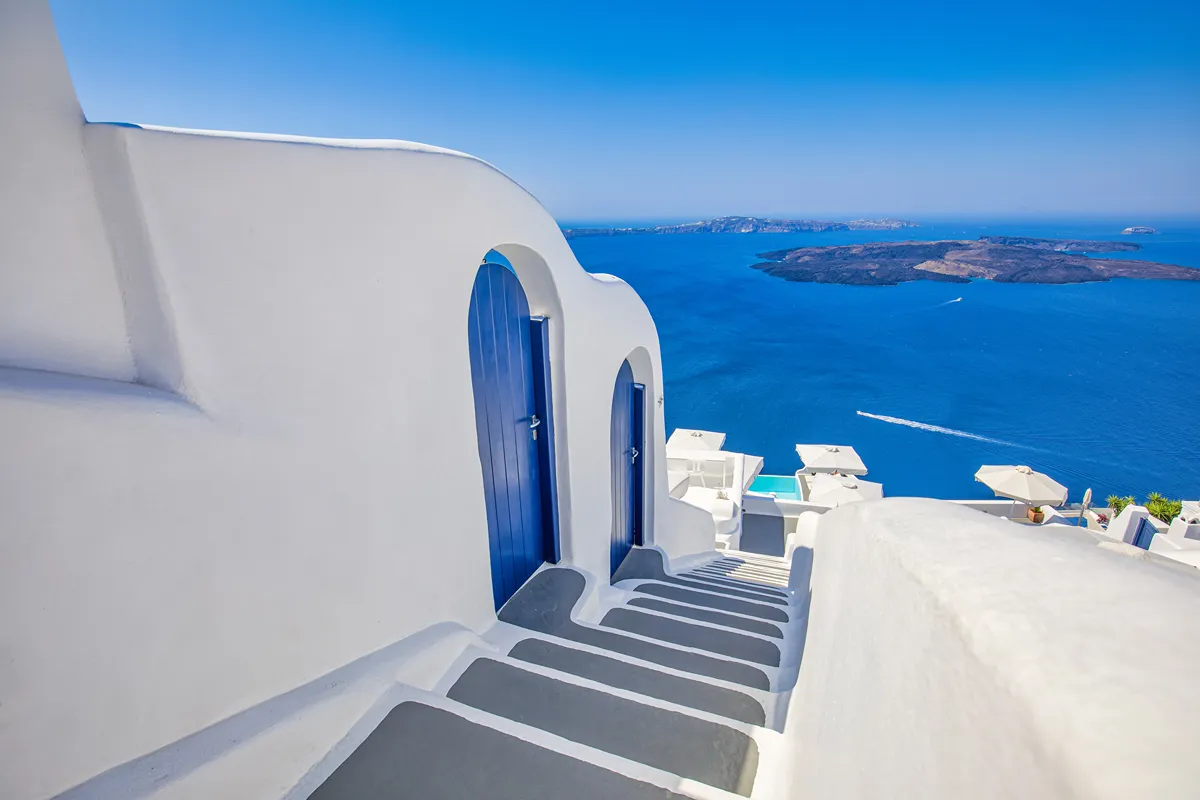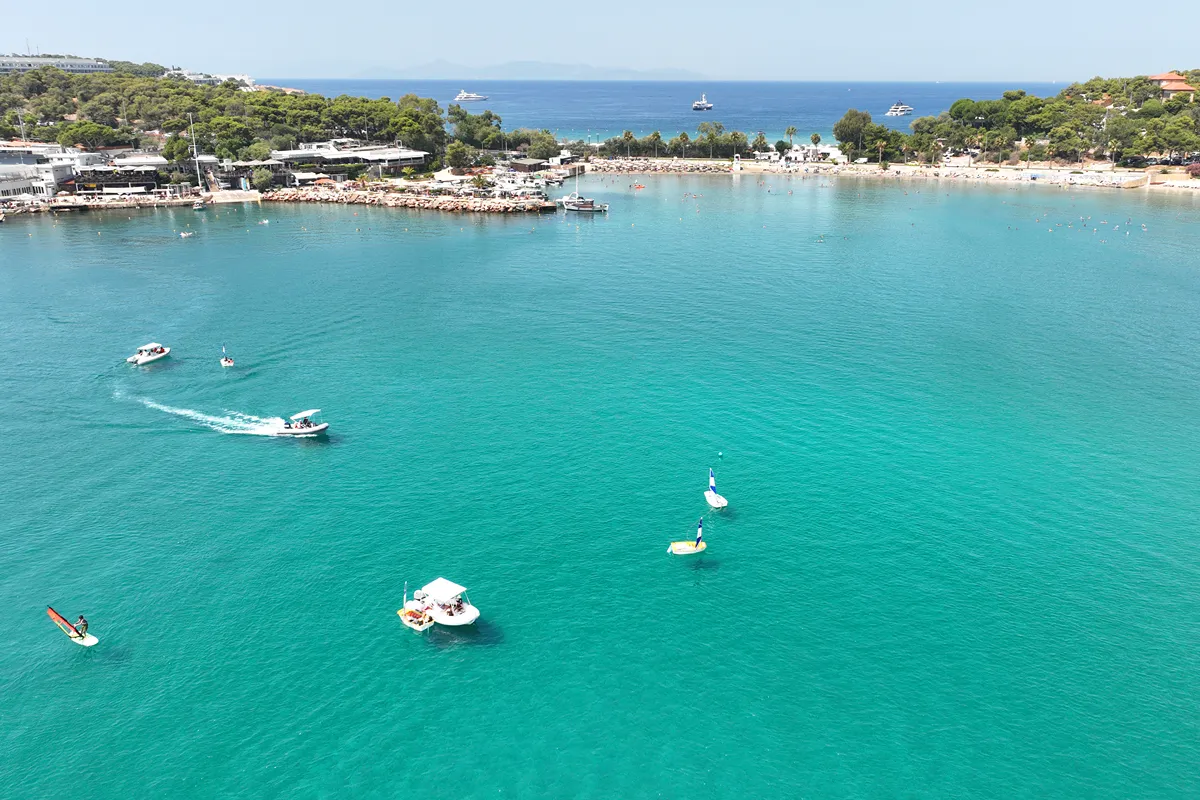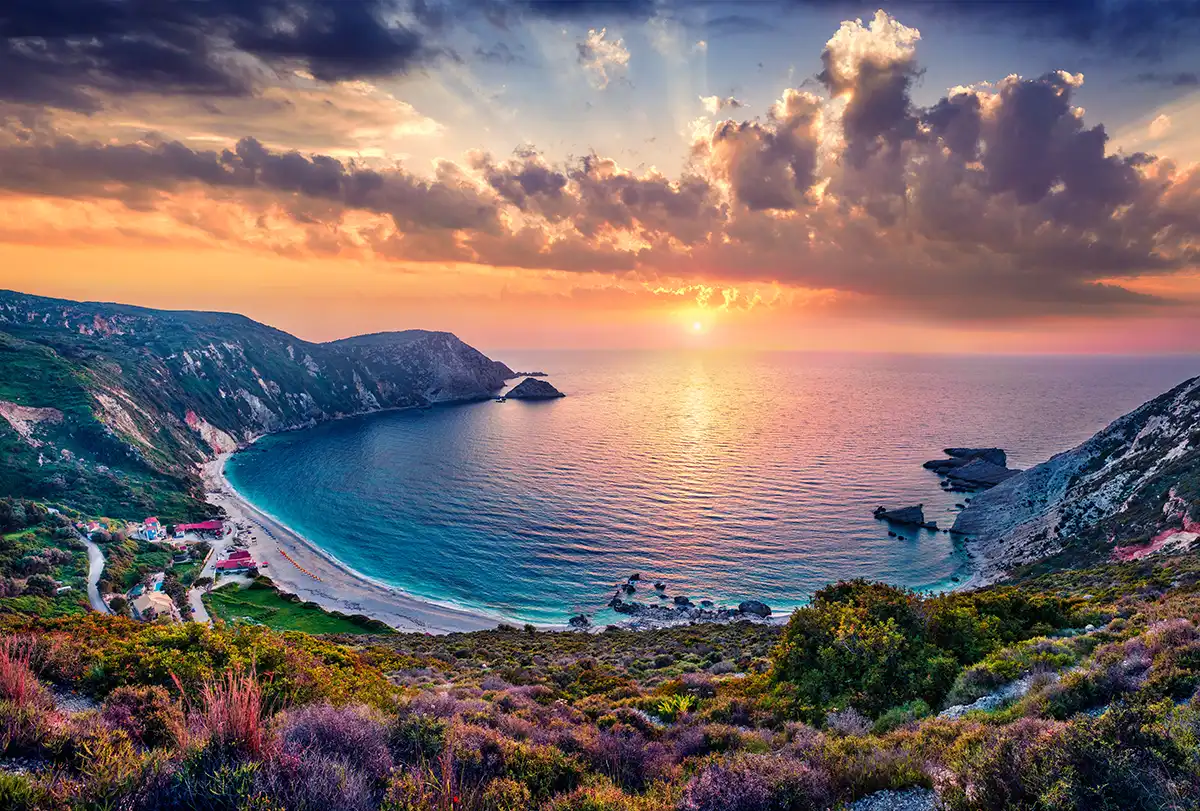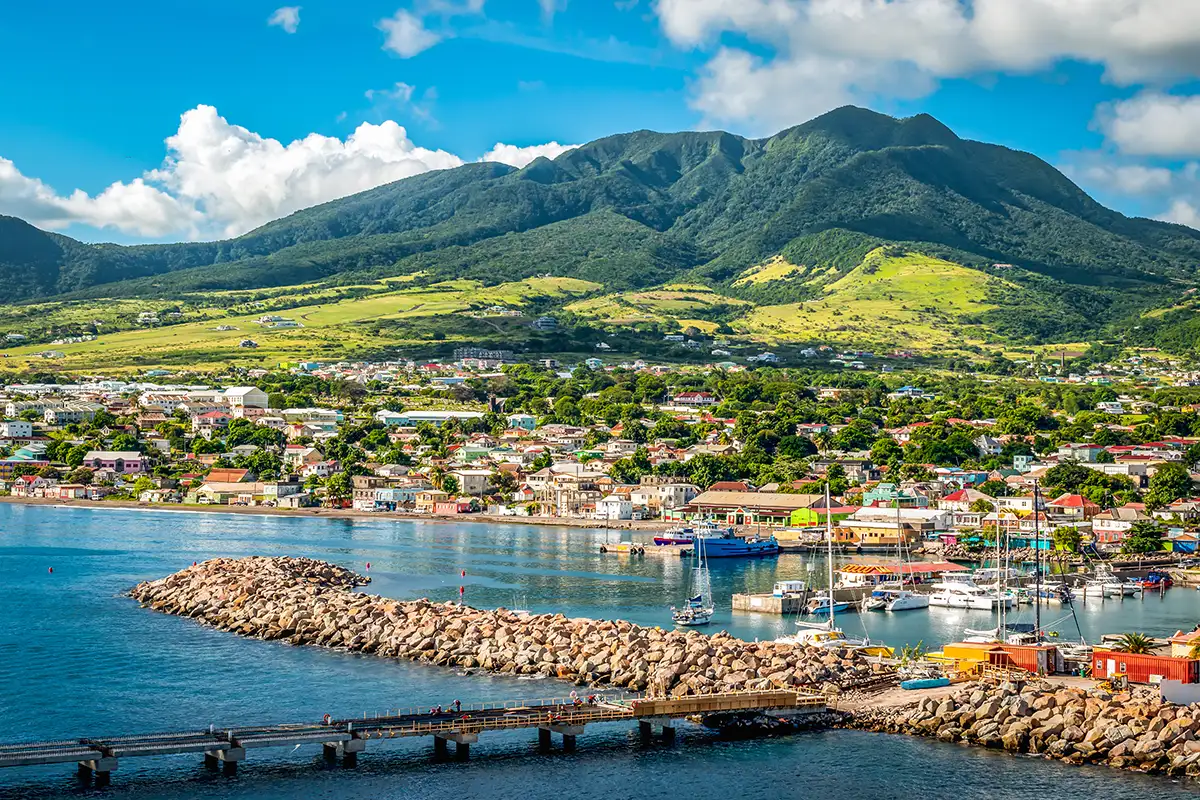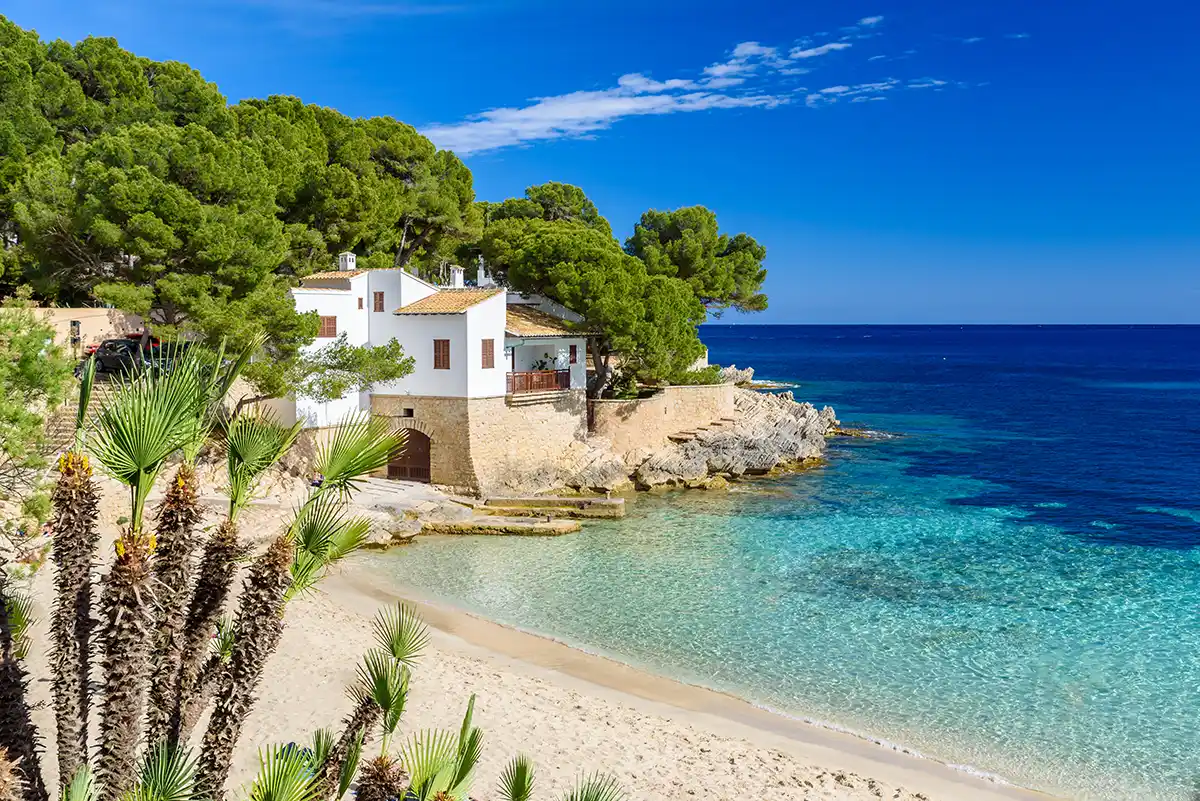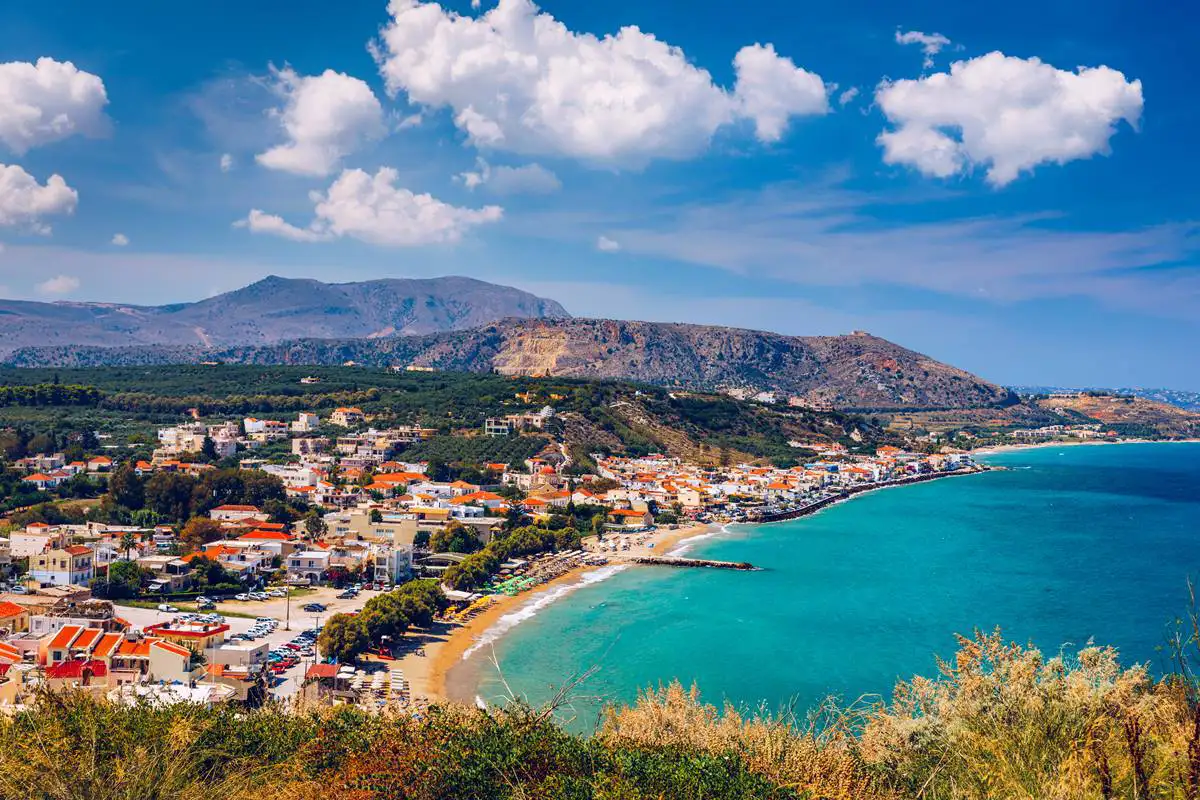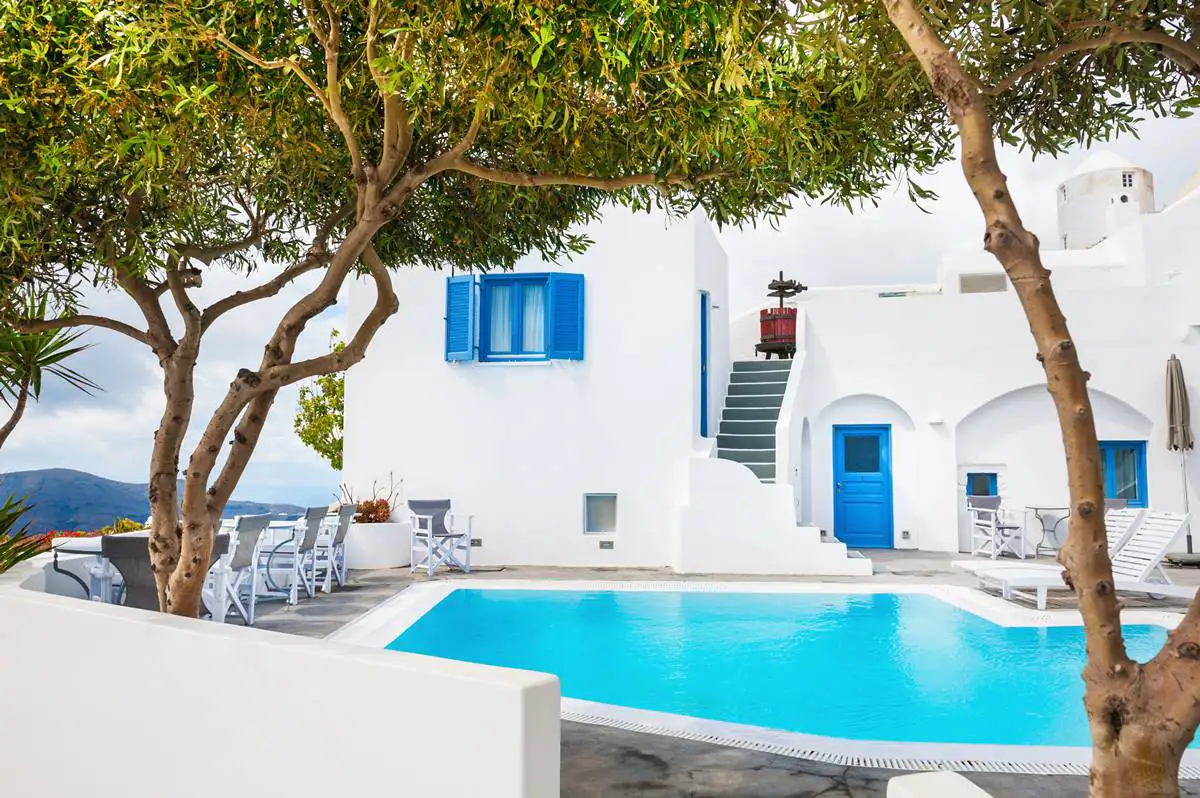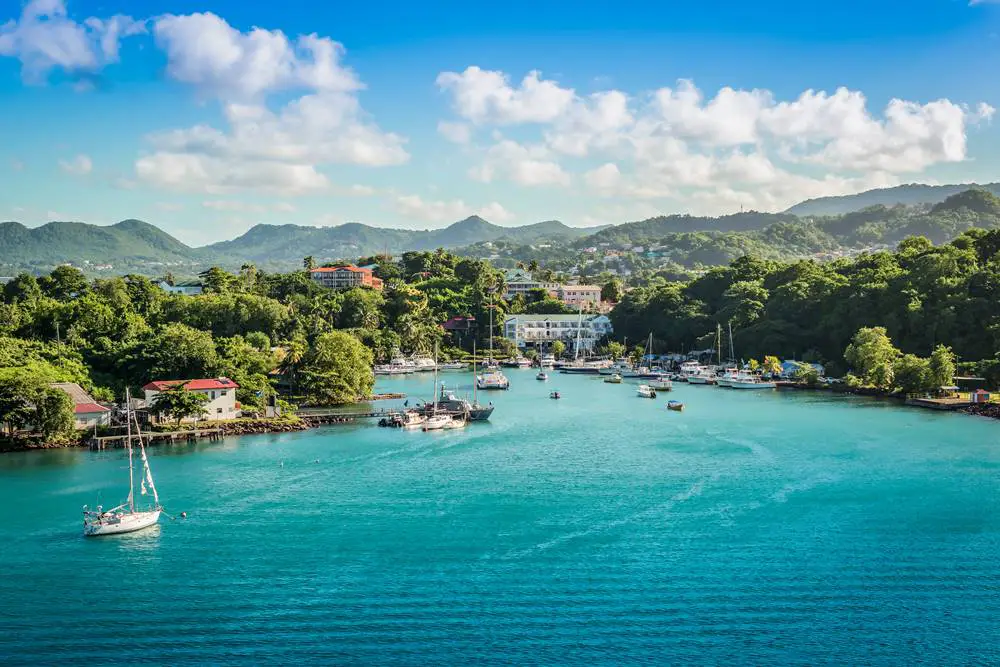


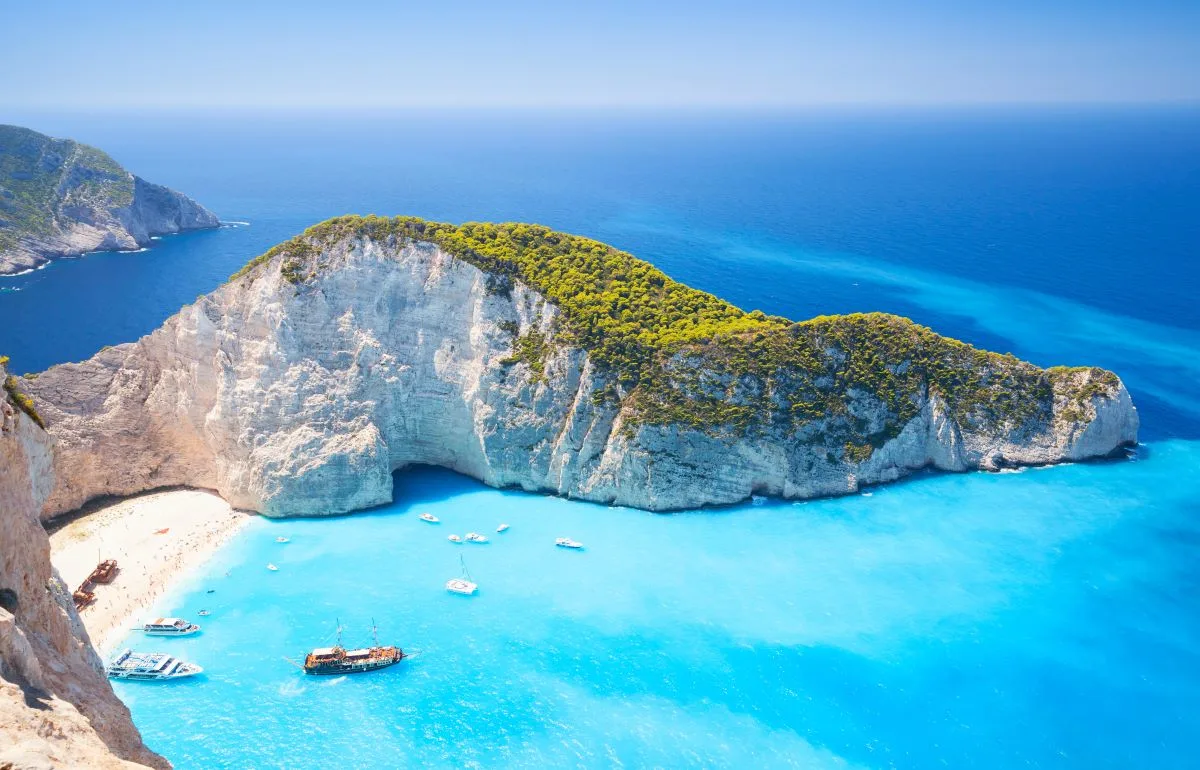
For investors and residents alike, understanding Greece's climate helps in planning daily life, rental seasons, maintenance expectations, and seasonal lifestyle rhythms.
While most of the country shares a classic Mediterranean climate with hot, dry summers and mild, wetter winters, Greece's geography creates meaningful regional differences from north to south, inland to coast, and lowlands to high mountains.
Mediterranean Climate
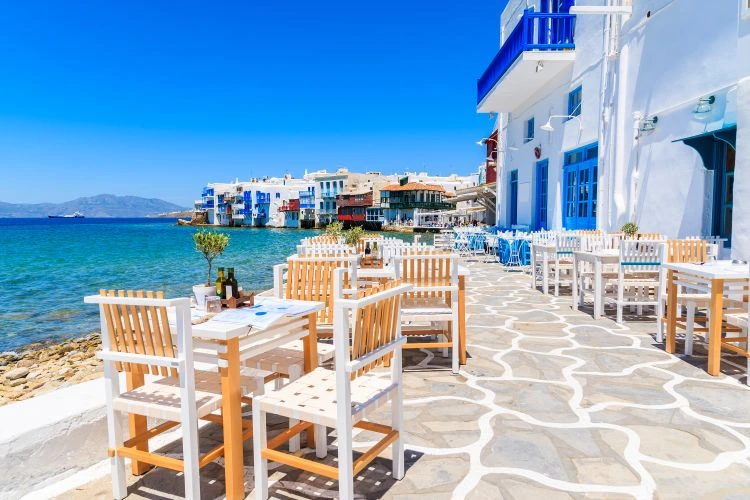
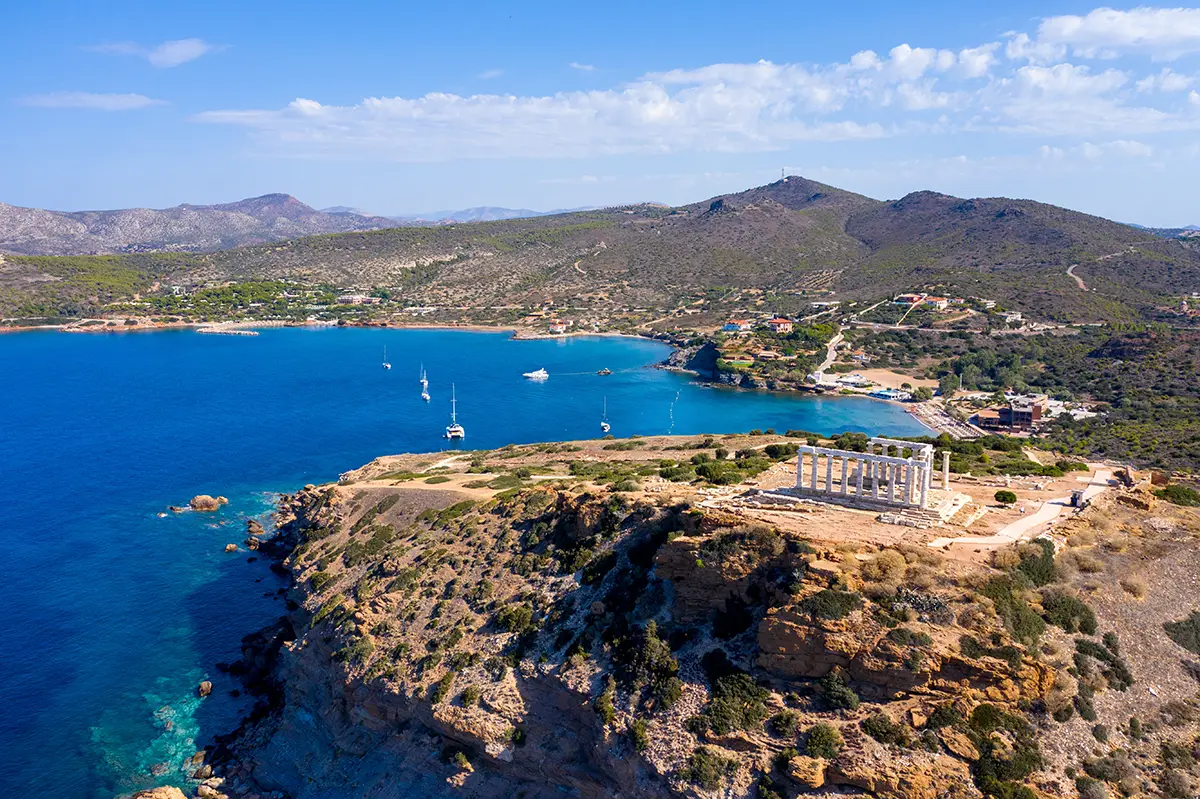
Across the regions in Greece, especially along the coast and on the islands, summers are hot and dry, often with little to no rain from June through mid-September.
Winters tend to be mild and wetter, with most annual rainfall occurring between November and February.
Sunshine is generous year-round, and long periods without cloud cover are common in spring, summer and fall.
Read More:
Mediterranean Living: The Best Places for a Long and Healthy Life
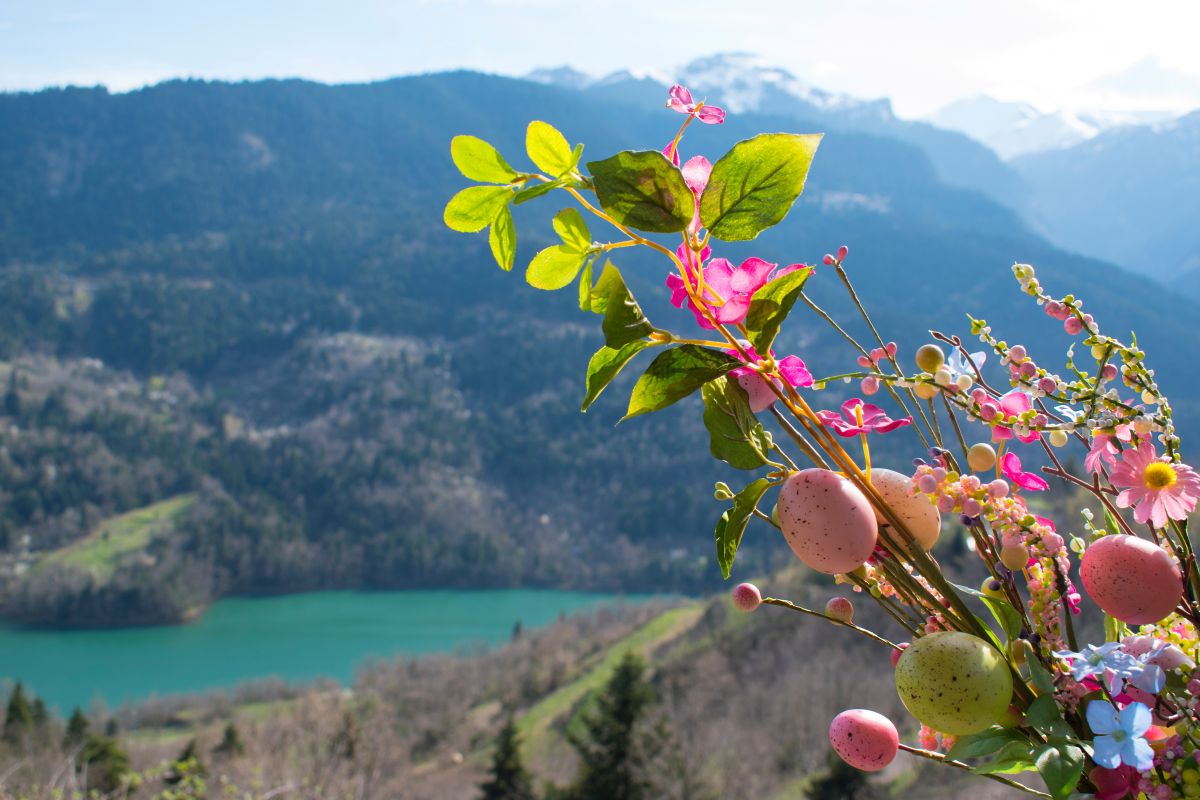
Spring in Greece (March–May)
Spring in Greece is mild and pleasant.
Daytime temperatures climb steadily, rain decreases, and landscapes, especially in the countryside and mountains, come alive with color and warmth.
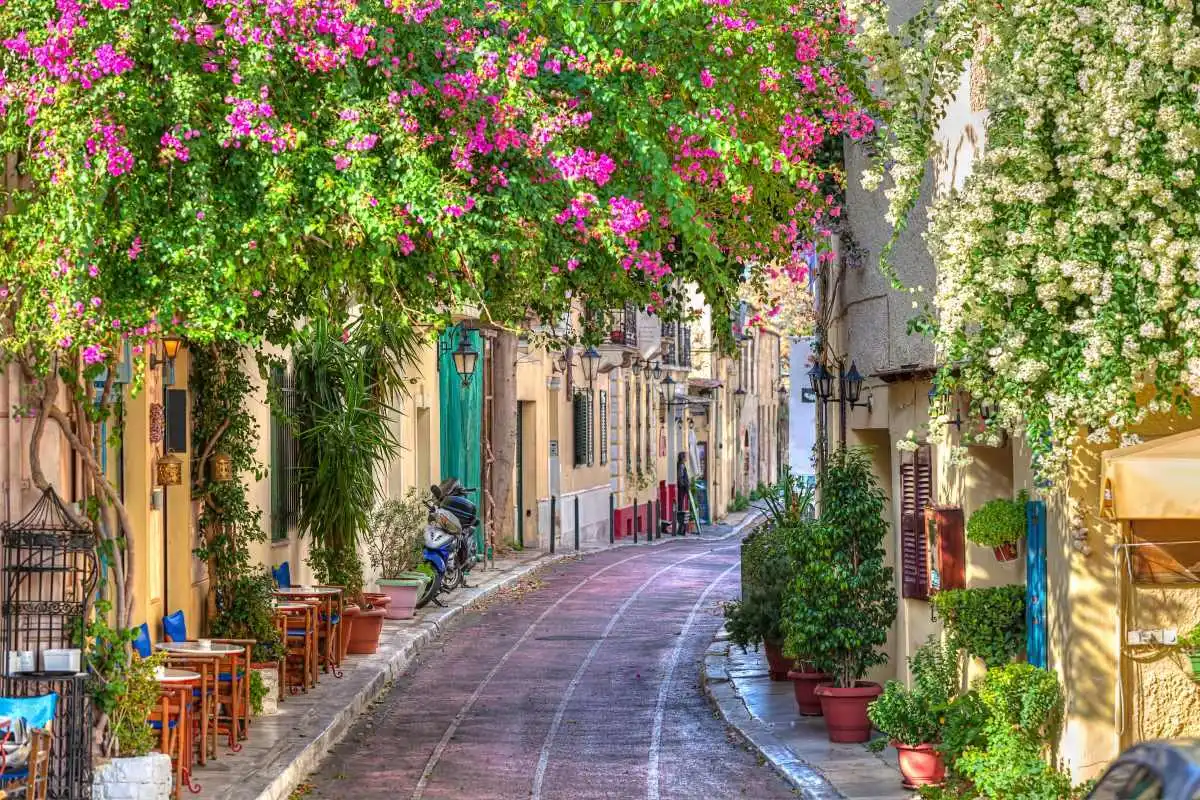
This is one of the most comfortable seasons for outdoor activities and exploration.
Seasonal rain tends to taper off by May, and sea temperatures begin warming, making late spring ideal for residents who enjoy outdoor lifestyles without the intense summer heat.
Summer in Greece (June–September)
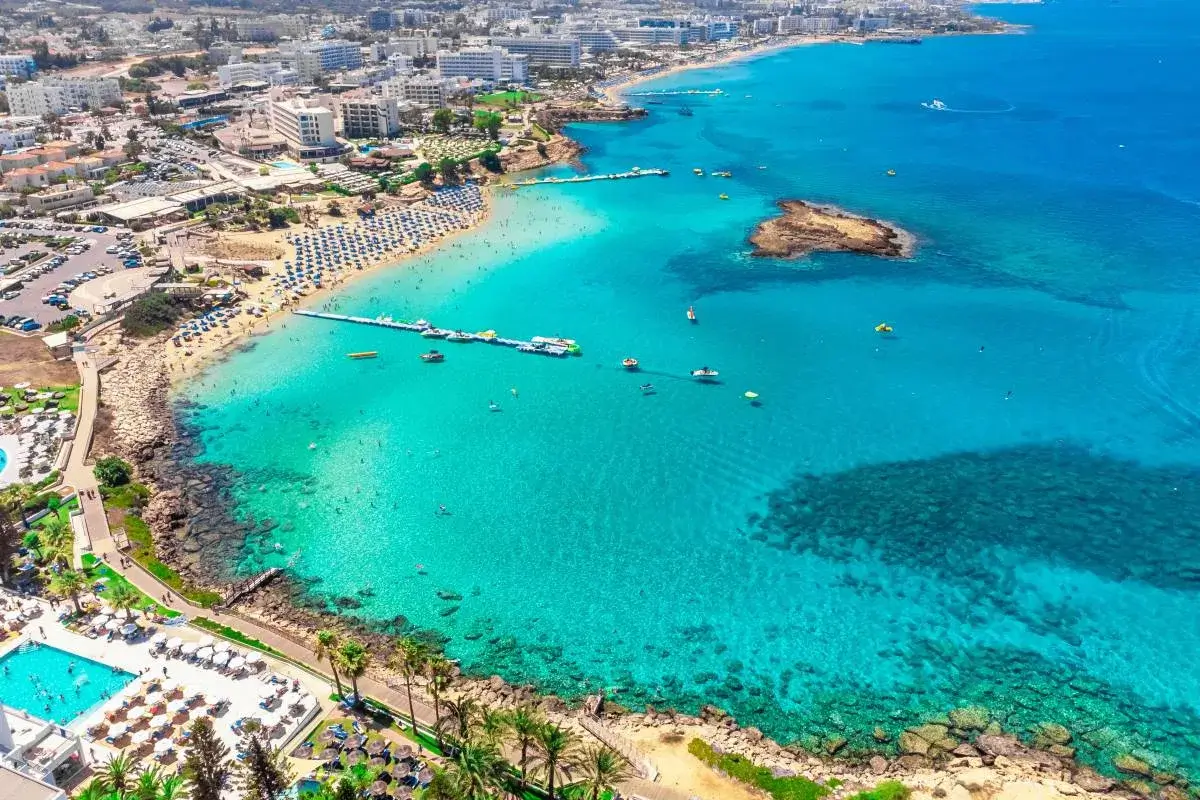
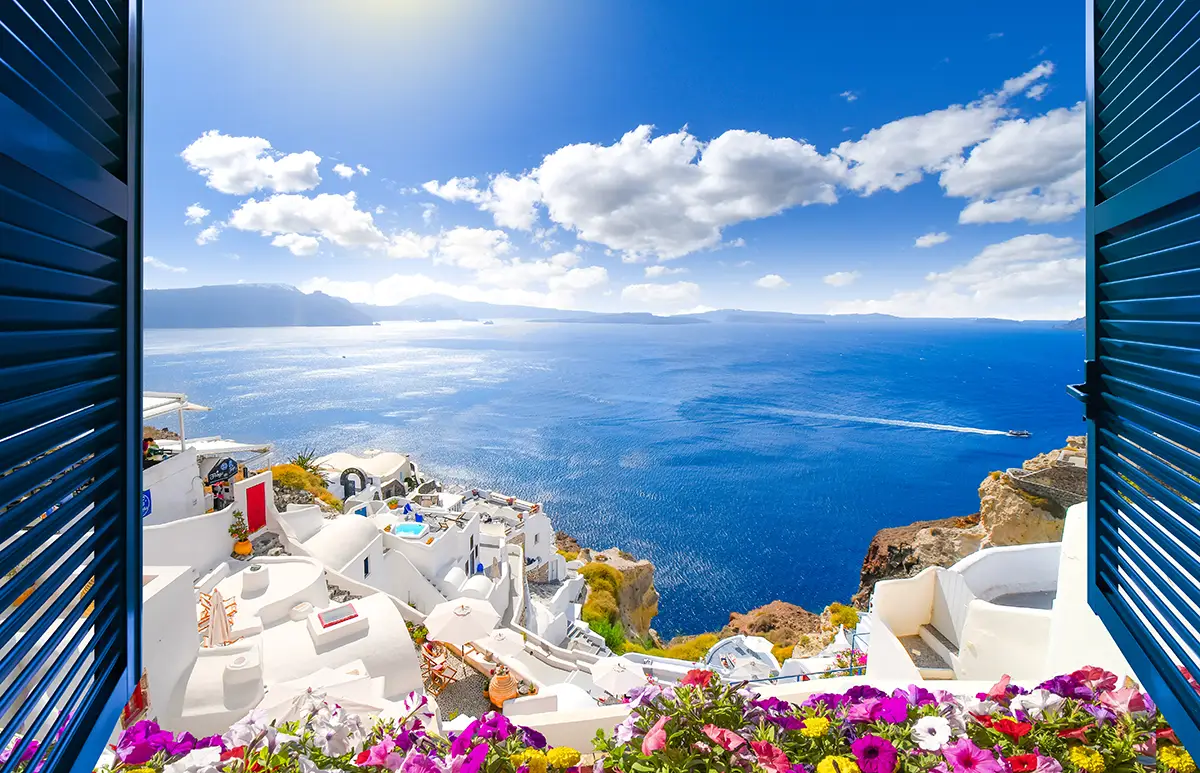
Greek summers are long, hot, and dry, with average highs of 29–35°C (84–95°F) in most coastal and island areas.
Heatwaves above 38°C (100°F) are not uncommon in inland areas.
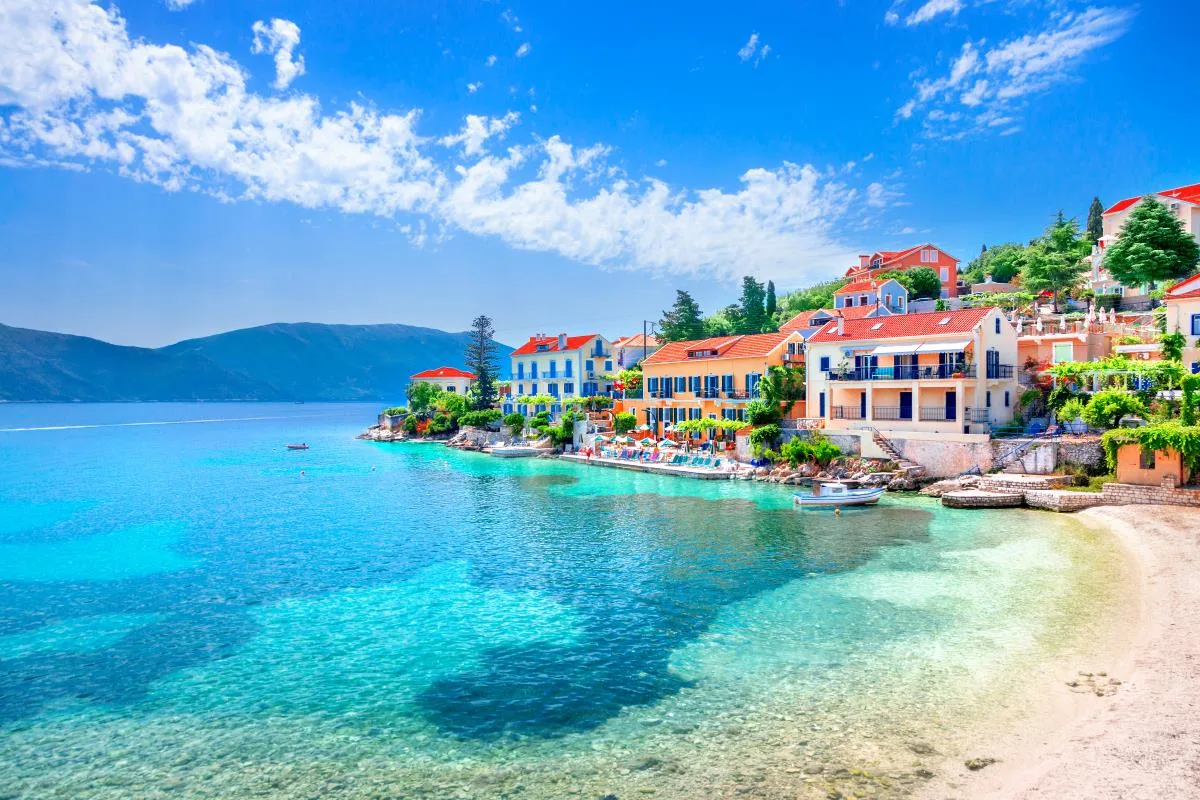
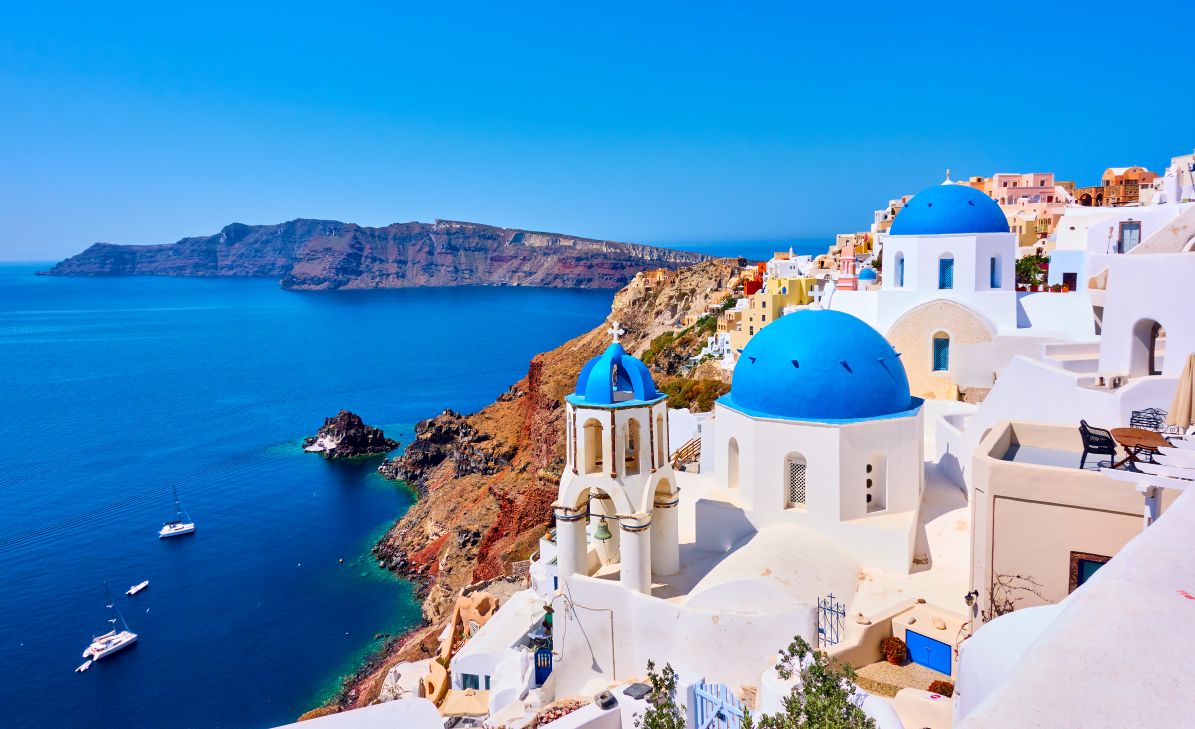
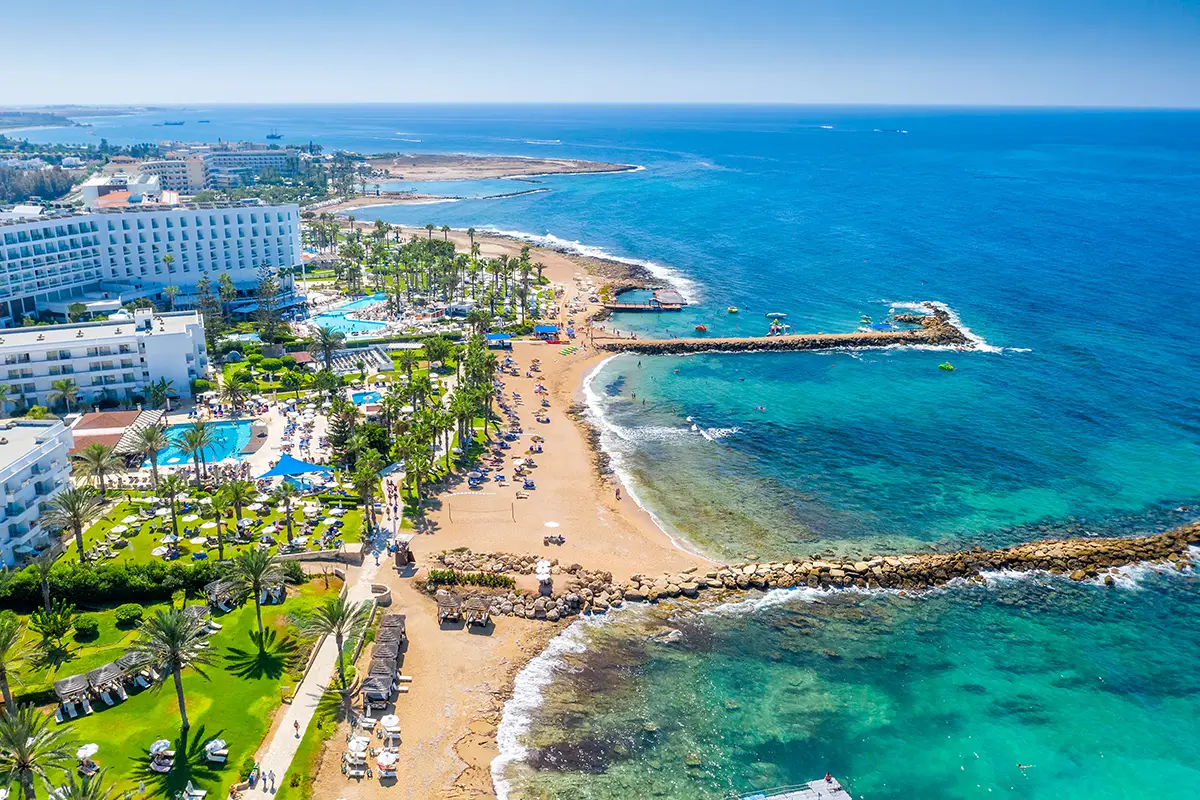
On the islands, seasonal winds such as the meltemi help temper daytime heat and make coastal living more comfortable, while sea breezes bring cooler nights.
Summer is prime season for tourism and second-home stays, which can boost rental demand in many markets.
Autumn in Greece (October–November)
Autumn starts warm and gradually cools through November.
September often feels like a continuation of summer, with warm water temperatures and plenty of sunshine.
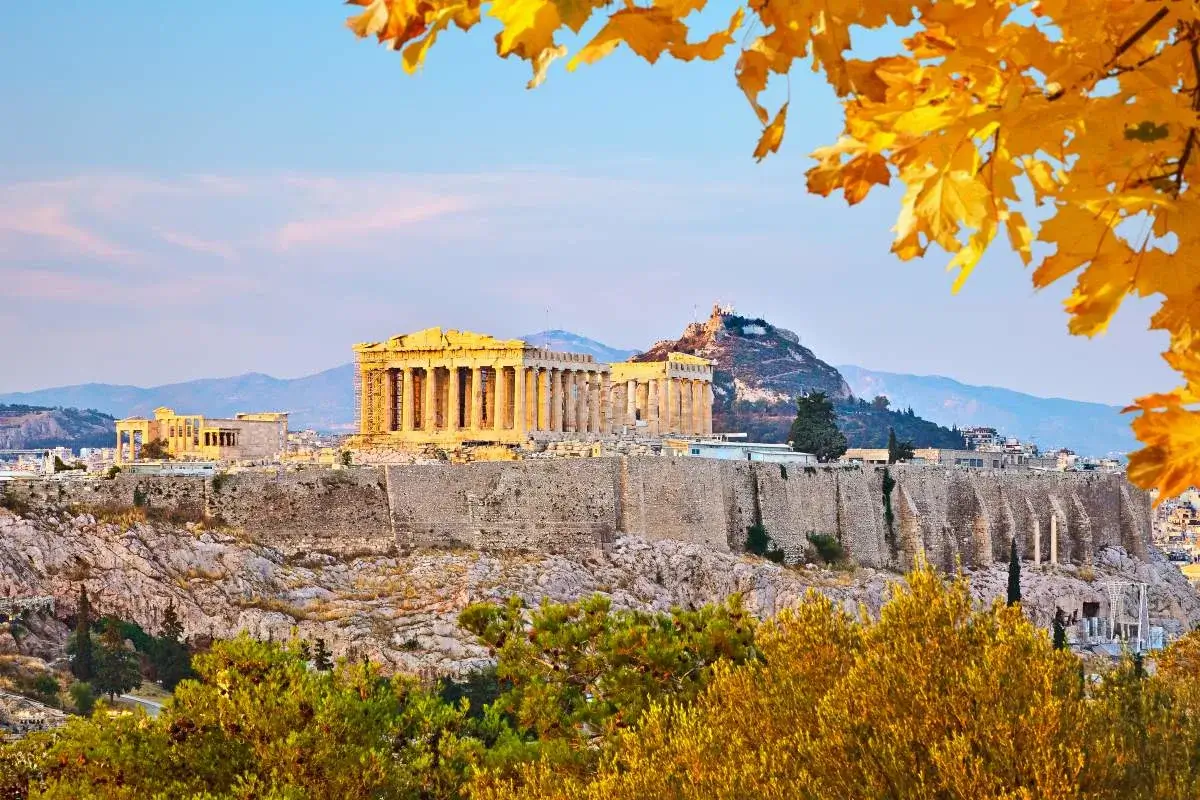
Rainfall increases later in the season, especially in western and northern regions, but conditions remain mild and comfortable for much of the country.
Winter in Greece (December–February)
Winters are milder along the coast and on the islands, with daytime temperatures of 15–17°C (59–63°F) common.
Inland areas, particularly in northern Greece, experience cooler winters, occasional snowfall, and frost, especially in higher elevations
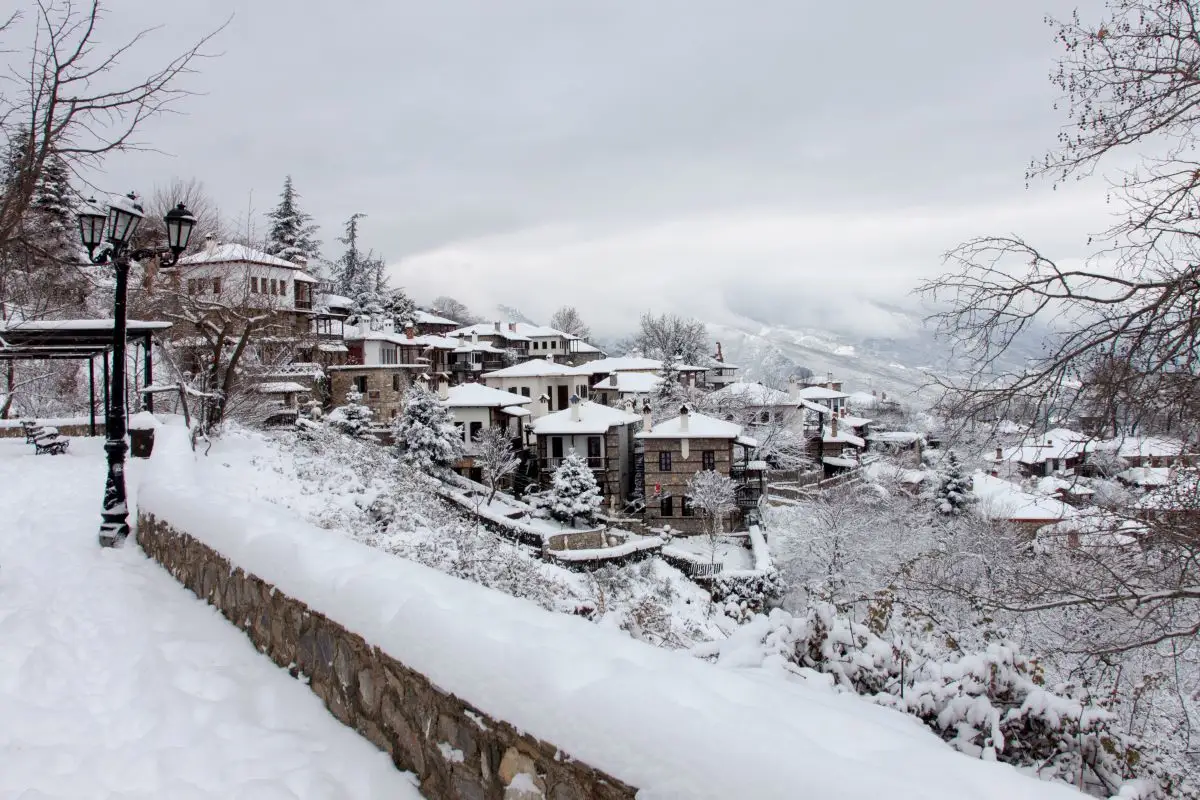
Rainfall is most frequent in the winter months, and the western mainland and Ionian Islands typically receive the most precipitation.
Regional Weather Patterns in Greece
Southern Mainland and Islands
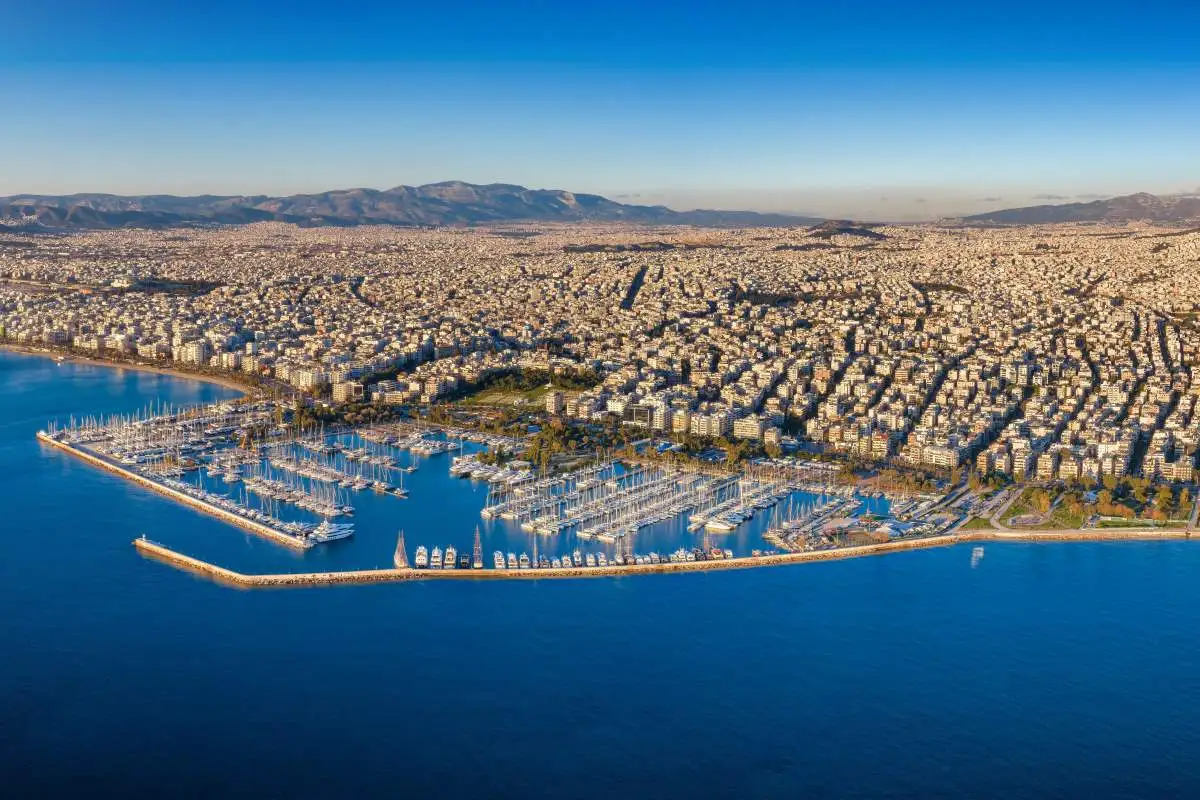
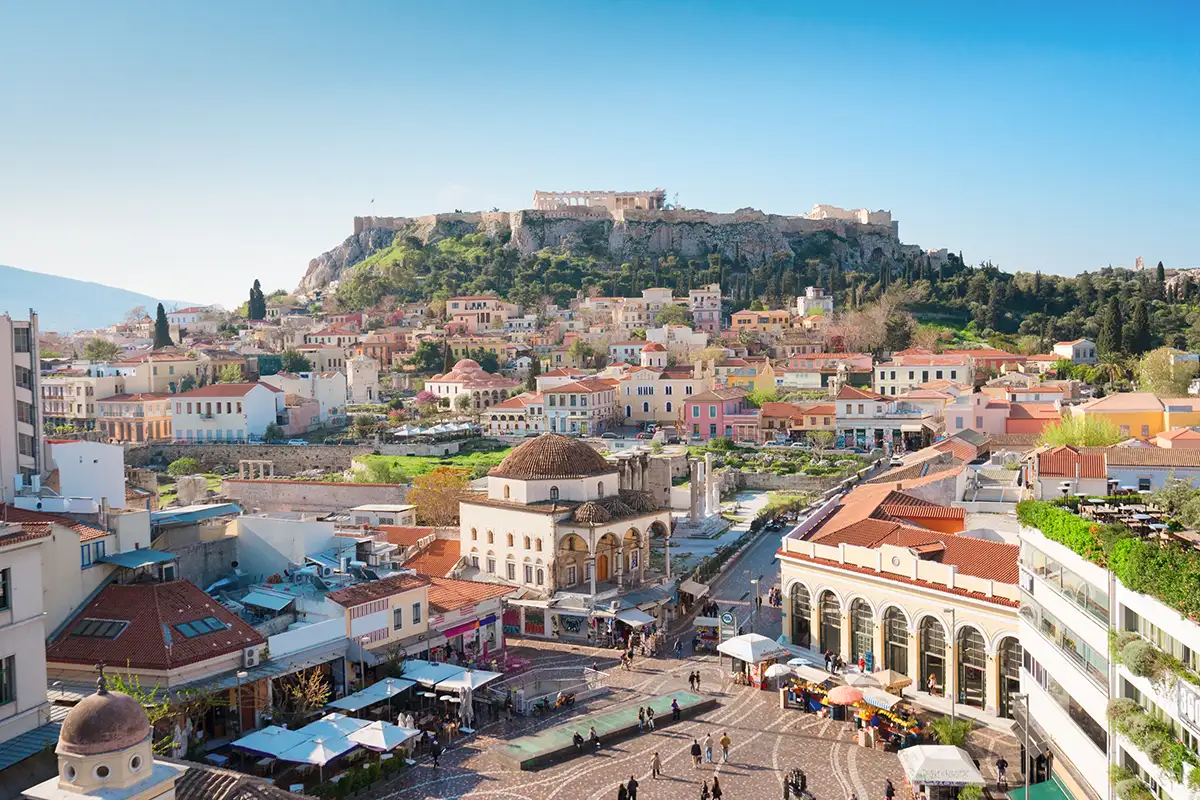
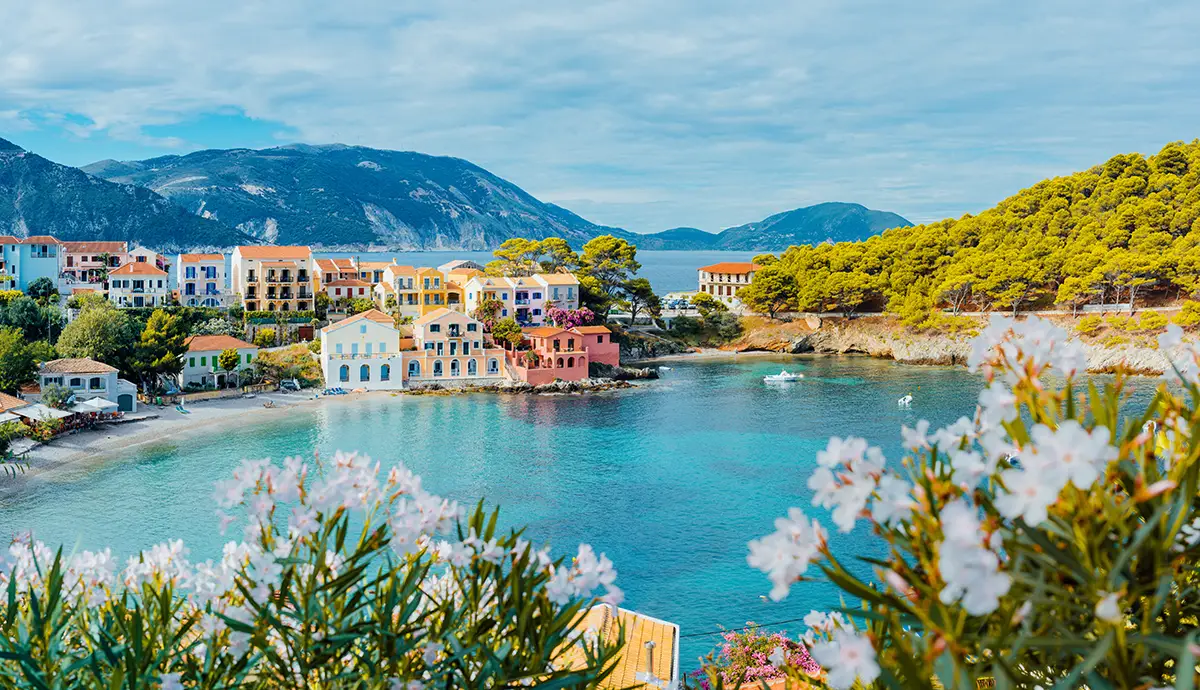
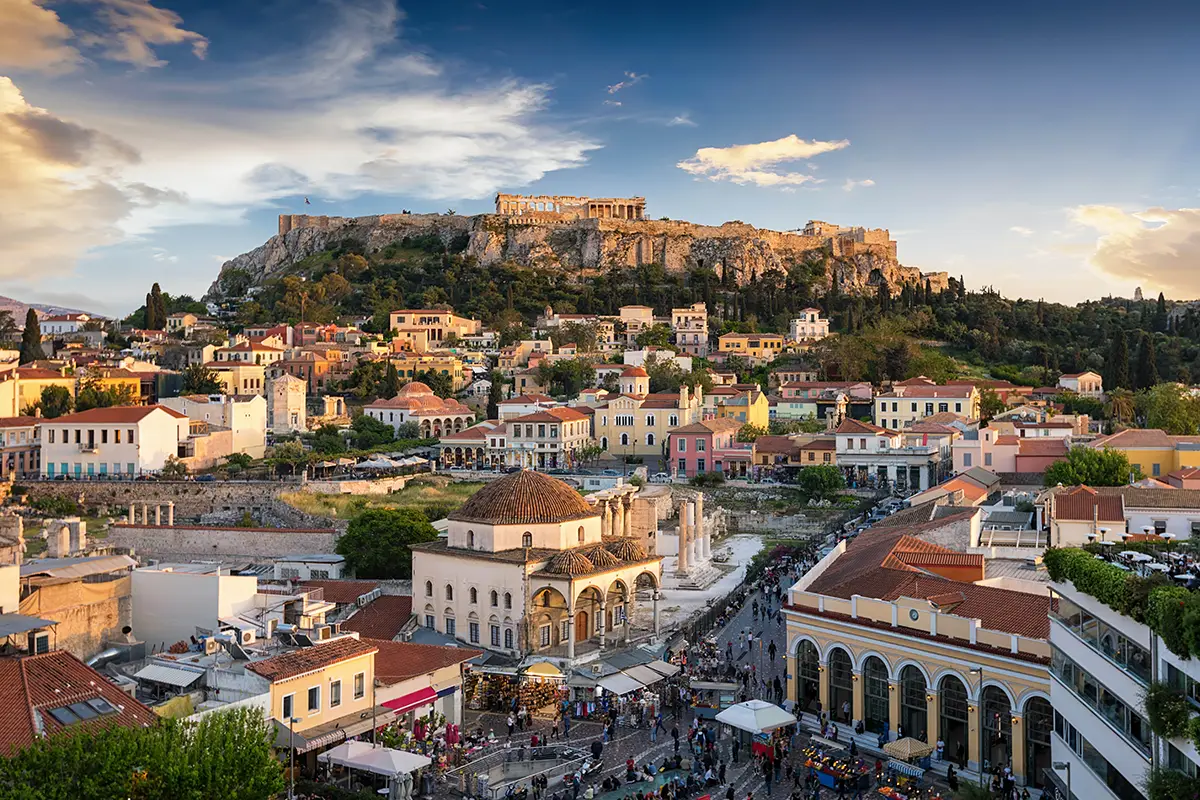
Regions such as Attica, the Cyclades, and Crete enjoy some of Greece’s warmest, driest climates.
Summers here are long and bright, and winters are mild with relatively low rainfall compared to the northwest.
- Mar–May: 22°C–13°C (72°F–55°F).
- Jun–Aug: 33°C–23°C (91°F–73°F).
- Sep–Nov: 24°C–16°C (75°F–61°F).
- Dec–Feb: 14°C–8°C (57°F–46°F) .
- Average Rainy Days (Annual): 96
Northern Mainland
Northern regions like Central Macedonia and inland areas see greater seasonal contrast, with hot summers and noticeably cooler winters.
Snow is possible at higher elevations and in inland valleys.
- Mar–May: 20°C–11°C (68°F–50°F).
- Jun–Aug: 32°C–21°C (90°F–70°F).
- Sep–Nov: 22°C–13°C (72°F–55°F).
- Dec–Feb: 12°C–4°C (54°F–39°F).
- Average Rainy Days (Annual): 117.
Mountainous Interior
Areas like Epirus and other mountainous zones experience more alpine conditions.
In winter, temperatures can drop significantly, and precipitation rates are higher year-round, producing cooler summers and snowy winters at altitude.
- Mar–May: 18°C–6°C (64°F–43°F).
- Jun–Aug: 30°C–5°C (86°F–41°F).
- Sep–Nov: 21°C–9°C (70°F–48°F).
- Dec–Feb: 10°C–1°C (50°F–34°F).
- Average Rainy Days (Annual): 124.
Ionian Islands and Western Greece
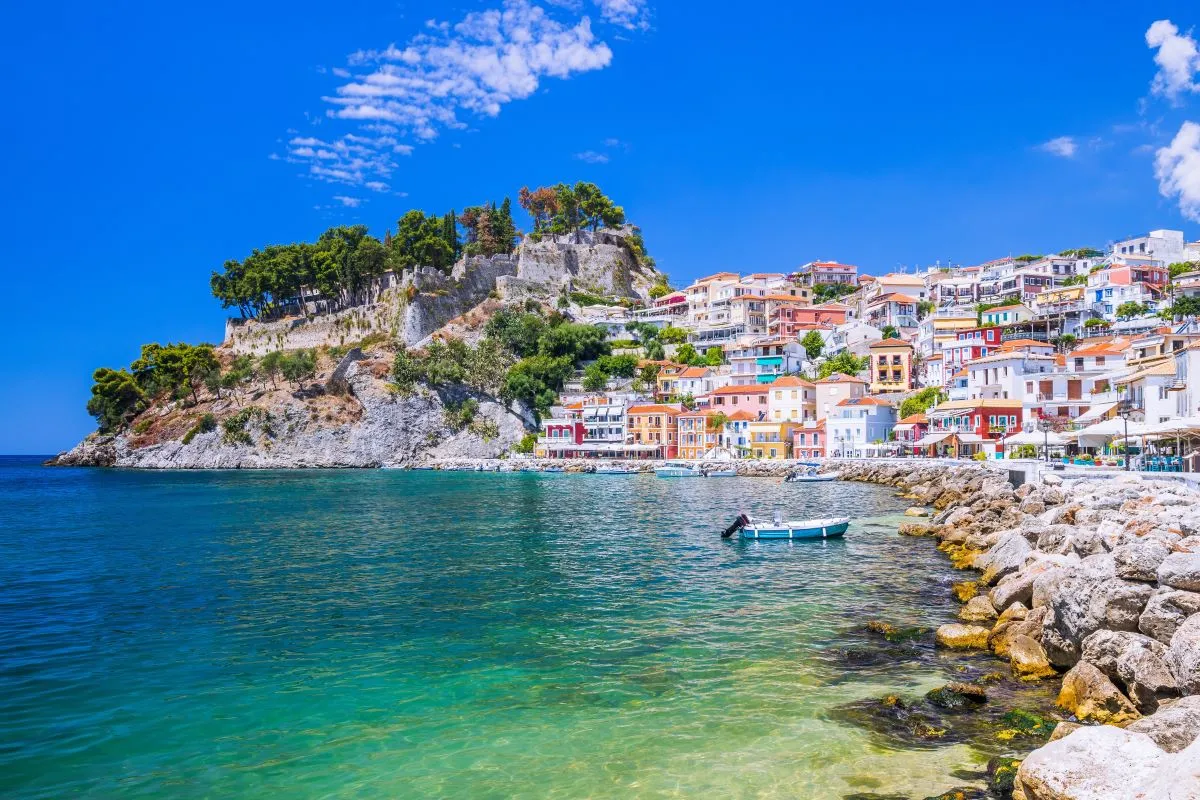
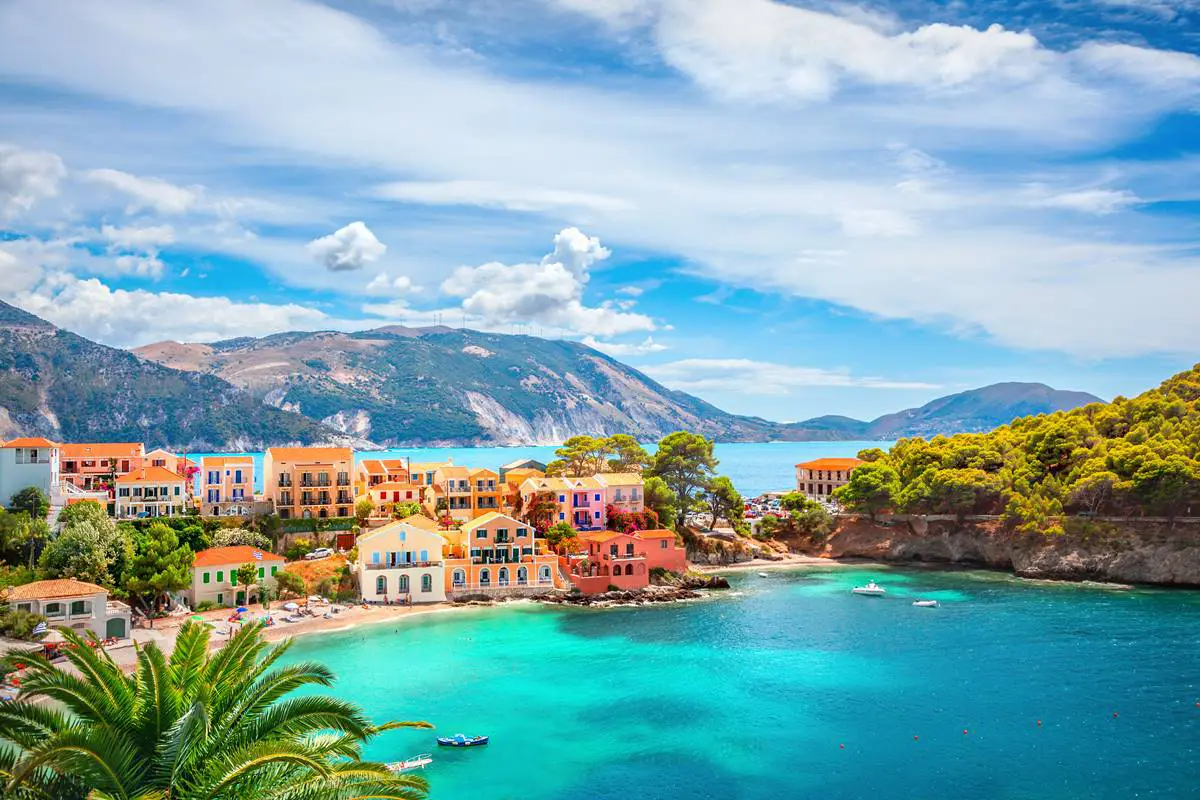
The western part of the country, including the Ionian Islands, tends to be cooler and wetter, especially in winter, than the more arid Aegean islands and southern mainland.
- Mar–May: 20°C–10°C (68°F–50°F).
- Jun–Aug: 30°C–18°C (86°F–64°F).
- Sep–Nov: 23°C–14°C (73°F–57°F).
- Dec–Feb: 14°C–6°C (57°F–43°F).
- Average Rainy Days (Annual): 122.
Is Greece’s Climate a Good Fit for You?
Greece’s climate is a major part of its appeal for lifestyle, property investment, and long-term living.
Warm, dry summers and mild winters support year-round comfort in many regions, while geographic variation means buyers can find microclimates that suit preferences, from lush Ionian landscapes to sun-soaked southern coasts.
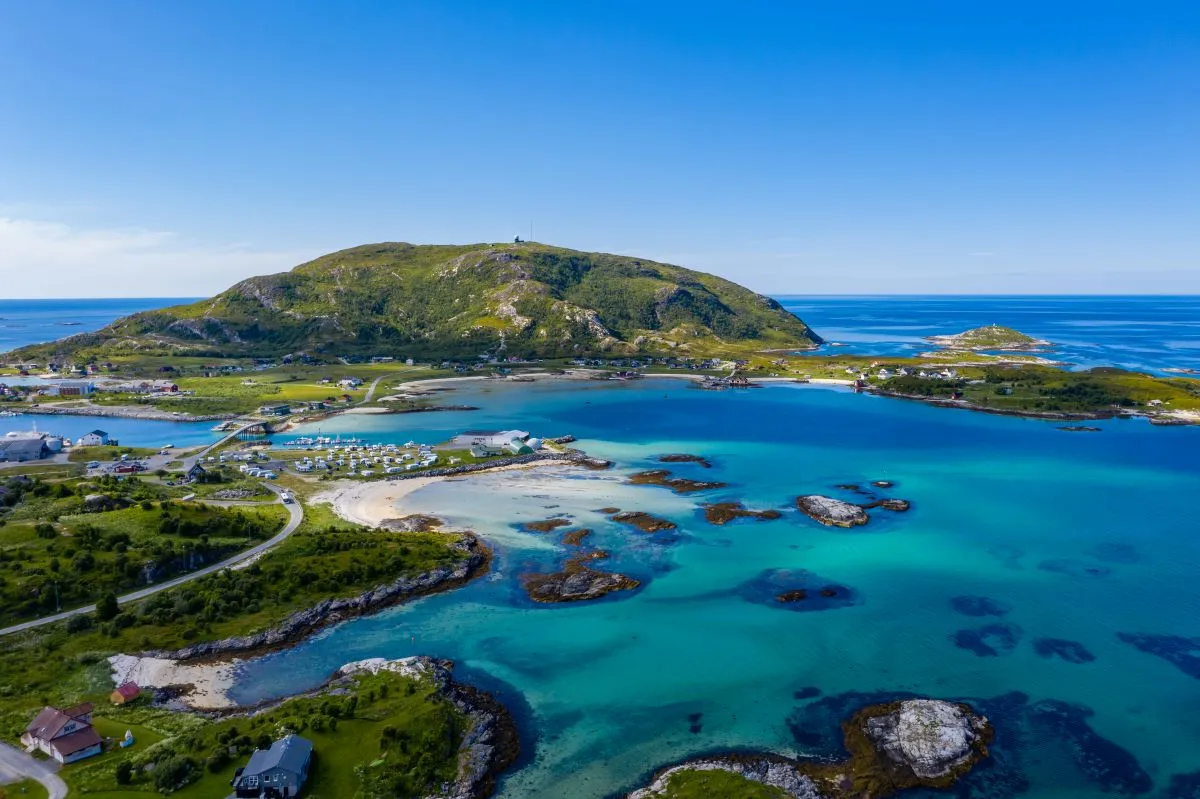
Whether you're looking for investment potential or a new lifestyle, understanding Greece's seasonal weather patterns helps you plan daily life, property choices, and market expectations for rental demand or year-round living.
Whether you’re looking for vibrant coastal living, relaxed island life, or cooler mountainous retreats, Greece’s complex geography forms a varied mix of climates supporting a wide array of lifestyles and investment goals.
If you want to know more about how to make Greek residence by investment your next chapter, contact our experienced team of professionals for a private consultation today.
-

Family Homes in Athens
Explore family properties in Athens, from spacious city apartments to larger homes close to the coast, with options across a...