

Greece's Real Estate Market Stability
In 2026, as global real estate markets face rising uncertainty, Greece is emerging as one of Europe’s most compelling investment destinations, and for good reason: it combines unmatched lifestyle appeal, affordable cost of living, and political and economic stability.
With the growing volatility and unpredictability of many previously secure markets in 2026, Greece’s robust stability as an EU and Eurozone member has increased appeal.
In addition, investors benefit from European residency and real estate yields in a rapidly growing market, all available for one of the lowest costs of entry in the EU via the Greek Golden Visa program.
With all this in mind, it should come as no surprise that international investment in Greek real estate has been accelerating rapidly in recent years.
If you’re considering investing in Greek real estate, it’s important to have a good understanding of the property market, the country’s economic situation, and how these factors are forecast to change in the future.
In this in-depth guide, we bring together the latest data and statistics on Greek real estate and analyze what they actually mean to help you make a well-informed decision and invest in Greek real estate with confidence.

Where the Greek Real Estate Market Stands in 2026
Following the explosive growth of the last few years, Greece’s real estate market has begun to mature in the early months of 2026.
While the unprecedented price jumps of recent years have slowed slightly, with the average national house price still increasing by 7.7% year-on-year, Greek real estate remains one of the most attractive property investment opportunities in Europe, especially when combined with the benefits of Residency by Investment.
Greece’s economic recovery since the financial crisis has been remarkable: property prices have now surpassed pre-crisis levels, reflecting investors' renewed confidence in the market.
International buyers continue to play a significant role in driving demand, with sustained foreign investment supporting both residential and mixed-use developments.
In particular, large-scale developments, such as the Ellinikon project in Athens and those converting commercial space for the Golden Visa, are reshaping the country’s real estate landscape and reinforcing the market's long-term growth potential.
Why Investors Are Turning to Greece
Greece’s real estate market continues to outperform much of the rest of Europe, with price growth exceeding the EU average of 5.5%.
Tourism remains one of the strongest pillars of the Greek property market. In 2025, visitor numbers reached new highs of nearly 38 million, generating more than €23 billion in revenue.
This sustained demand fuels rental markets while strengthening interest from international buyers seeking holiday homes and investment properties.
For investors, this translates directly into sustained rental demand and occupancy rates as well as further increases in price, particularly in high-traffic regions like Athens and Thessaloniki.
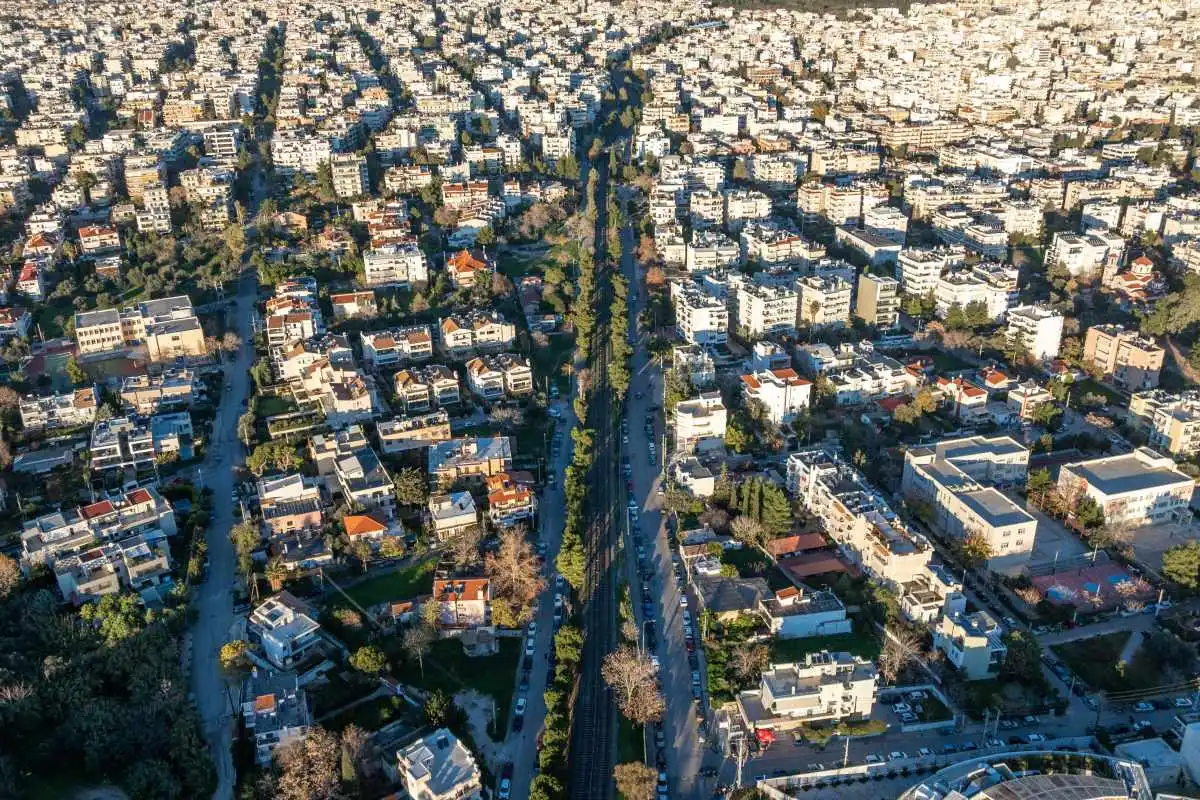
A key driver of rising prices is the limited housing supply.
In 2025, the issuance of new housing permits declined by 2.4% compared to 2024, a year which had itself seen a dramatic 27% drop from 2023.
This supply constraint is likely to continue pushing prices upward, supporting long-term value appreciation.
Greece's economy has emerged as one of the Eurozone’s strongest performers.
With projected growth of 2%–2.2% in 2026, the country is expected to remain among the fastest-growing economies in the region, further boosting investor confidence.
These trends are clearly reflected in rising property prices across Greece, which are projected to rise by between 4% and 7% over 2026.
Average House Prices in Greece
The average asking price for a residential property across Greece in 2026 is €2,727/m2
According to Greece's national bank, in 2025, the average apartment price in Greece rose by 6.8% over the course of the year, showing the consistent growth of the country’s property market.
Some specific regions rose even more sharply than that, especially in some of the most popular areas of Greece’s major cities and key islands.
Regional house prices according to property portal Spitogatos include:
Athens Property Prices
- Centre: €2,462/m2 (increase of 9.4%).
- North: €3,380/m2 (increase of 6.7%).
- South: €4,125/m2 (increase of 5.9%).
- West: €2,188/m2 (increase of 11.4%).
- East: €2,374/m2 (increase of 5.8%).
- Piraeus: €2,540/m2 (increase of 1%).
Browse our properties for sale in Athens
Thessaloniki Property Prices
- Municipality: €2,634/m2 (increase of 7.4%).
- Suburbs: €2,000/m2 (increase of 13.5%).
- Chalkidiki Peninsula: €2,692/m2 (increase of 7.7%).
Browse our properties for sale in Thessaloniki
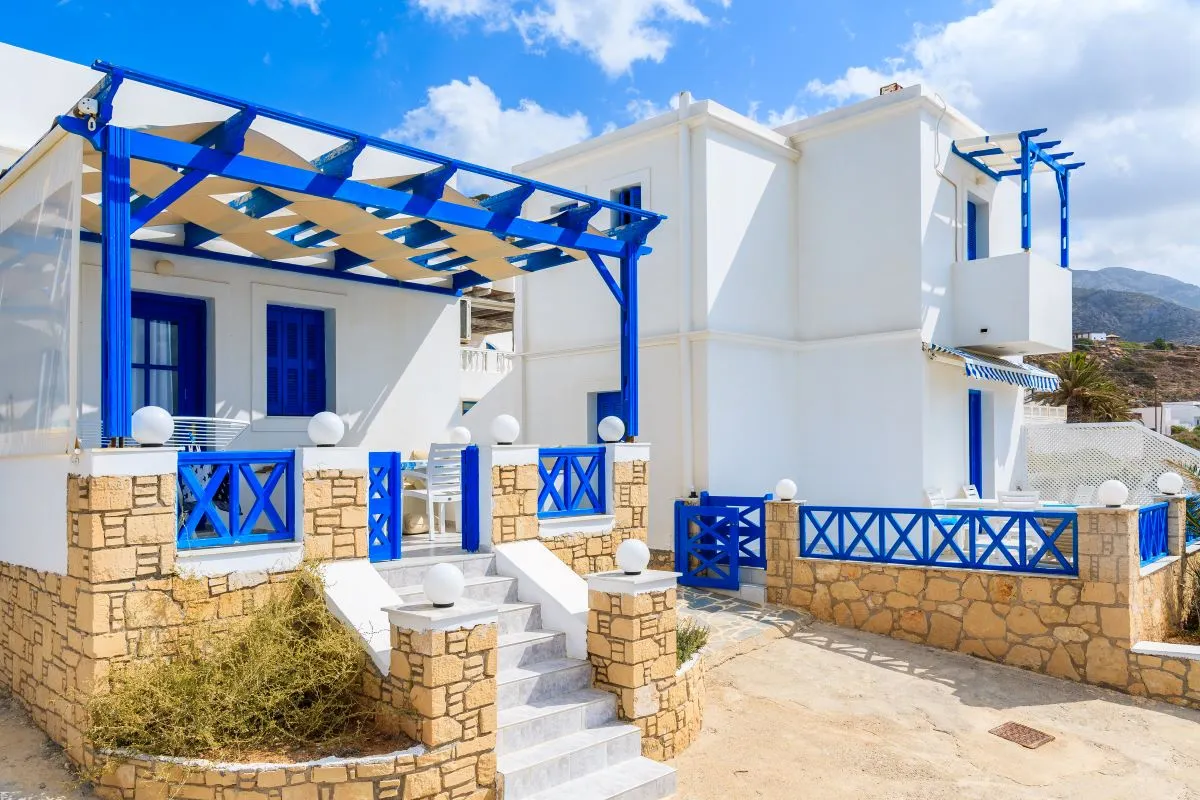
Premium Island Markets
- Cyclades: €3,960/m2 (increase of 7.7%).
- Lefkada: €3,182/m2 (increase of 6.1%).
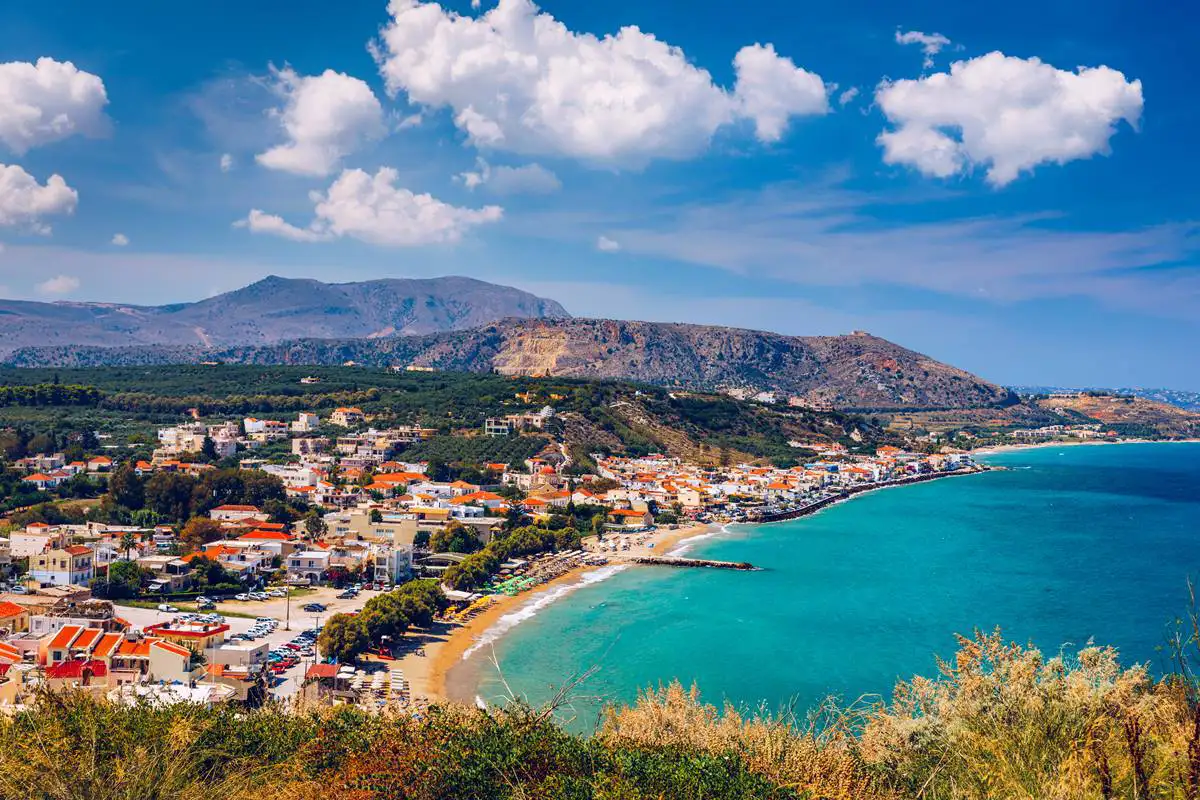
- Chania (Crete): €2,936/m2 (increase of 15.3%).
- Sporades: €2,615/m2 (increase of 8.2%).
- Corfu: €2,321/m2 (increase of 7.1%).
- Kefalonia: €2,461/m2 (increase of 6.2%).
- Zakynthos: €2,273/m2 (increase of 3%).
- Dodecanese: €2,172/m2 (increase of 14%).
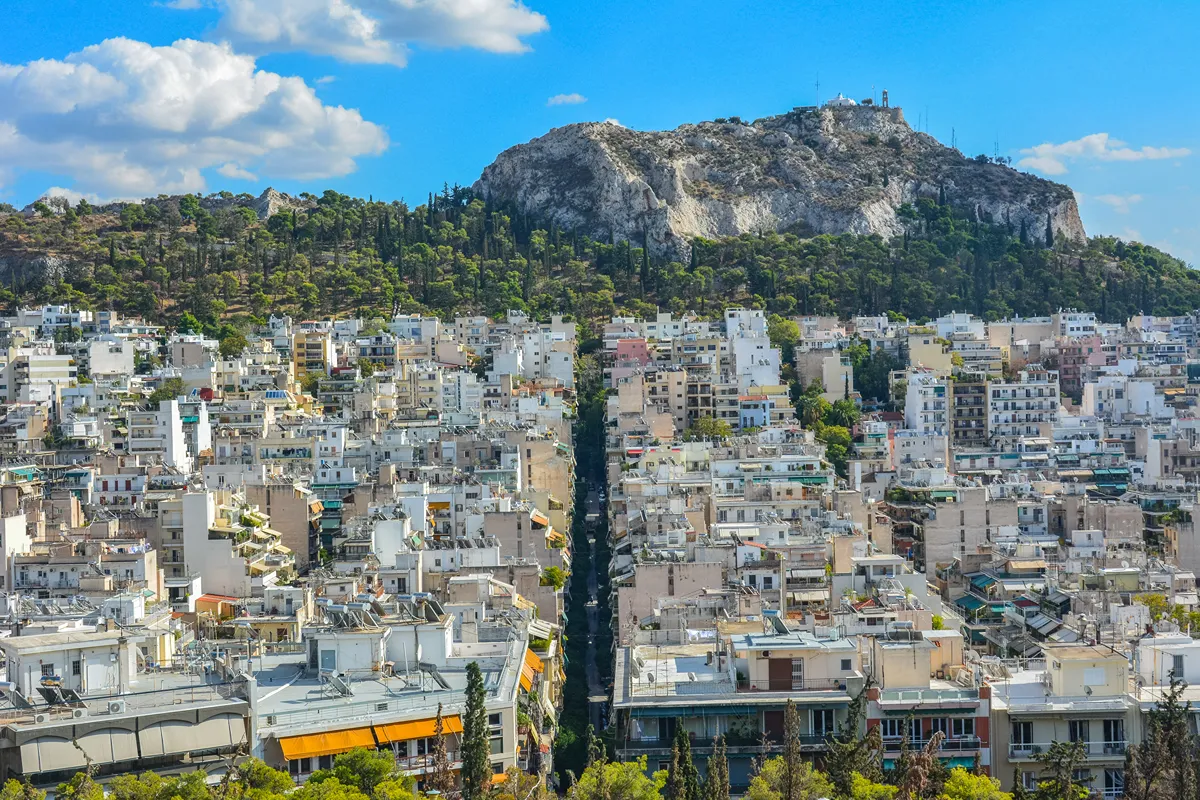
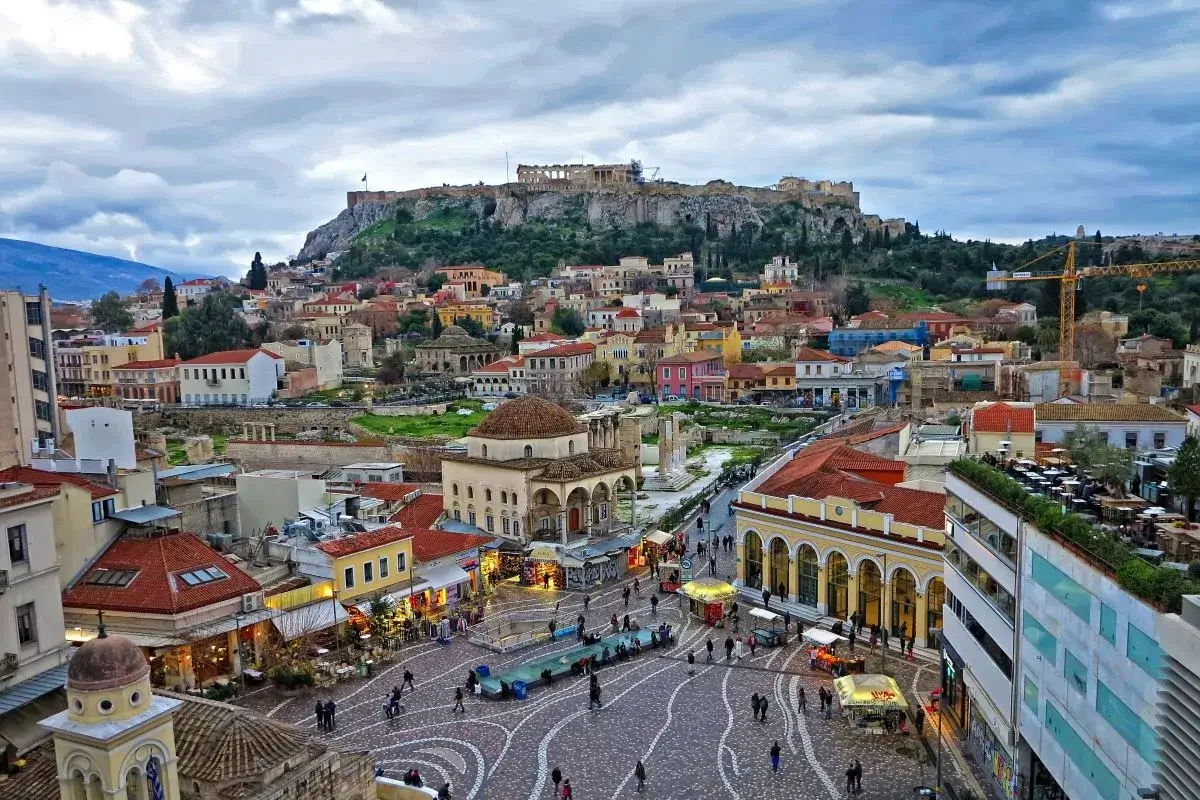
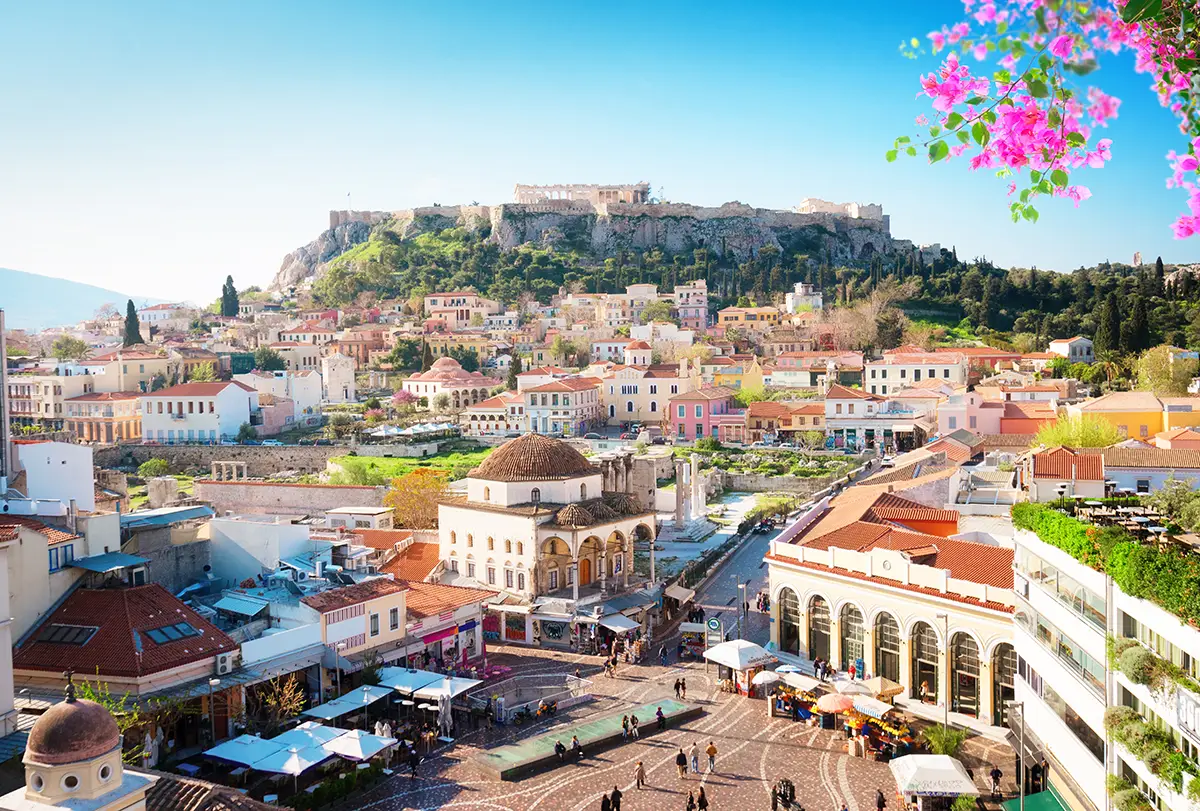
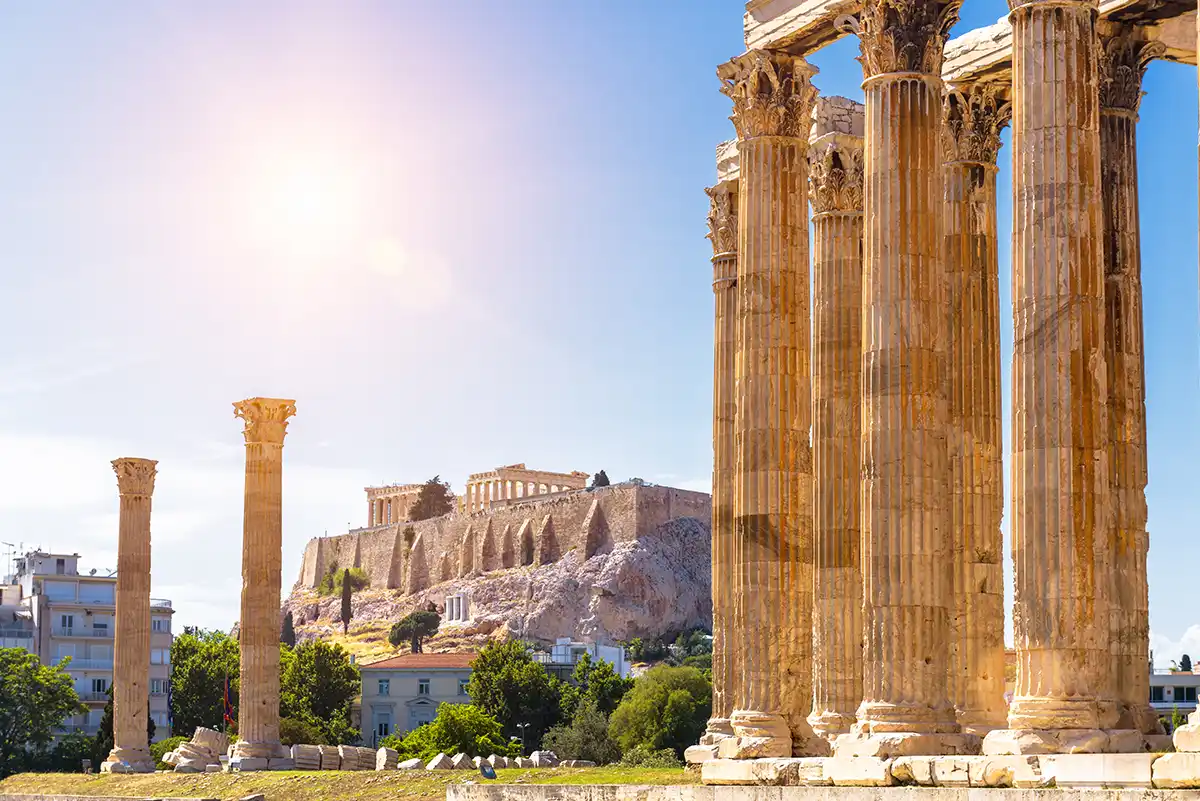
Athens continues to dominate the Greek property market, with the highest price per square meter in the country found in its prestigious southern coastal area.
The only areas that challenge the top districts of Athens for price are some of the premium island markets, such as the Cyclades, Ionian Islands, and Crete.
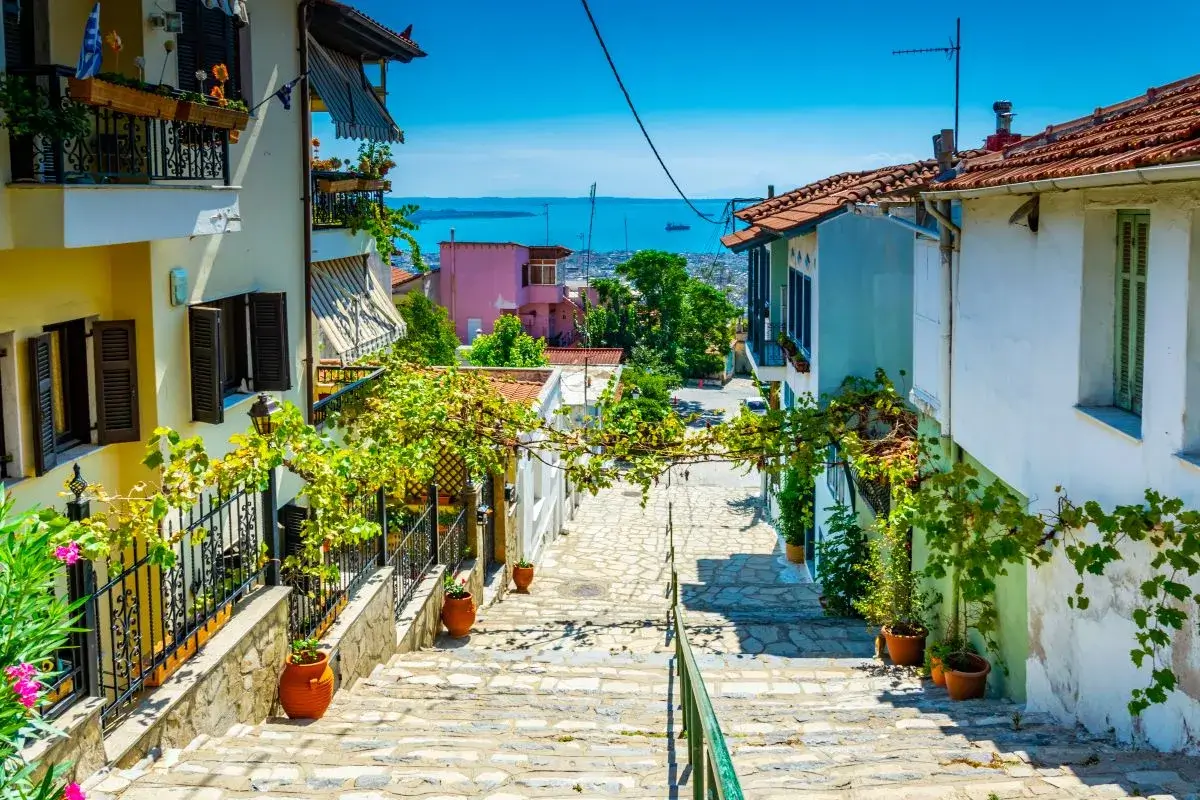
But the dark horse here is Thessaloniki. Greece’s second city, sometimes known as the co-capital, might not command prices as high as Athens just yet but it represents one of the fastest-growing regions in the country, with an average growth rate across the urban area of more than 10%.
As property prices in Athens soar and opportunities become harder and harder to come by, increasing numbers of investors in Greece are looking further northward to find the best returns.
Renting Property in Greece
While demand for rentals in Greece is strong, the country’s property stock is approximately 70% owner-occupied, meaning the market for rentals is relatively small.
This is one of the key reasons that rental prices have risen faster than prices for buying property, with an average YoY increase of 8% in 2026.
Long-Term vs Short-Term Rentals
Investors in Greece typically choose between two main strategies: stable long-term leases or higher-yield but more seasonal short-term rental.
Due to the high tourism traffic flowing through the country, Greece’s short-term rental market is especially strong.
However, investors pursuing a Golden Visa must be aware of important restrictions facing investments of this kind.
Golden Visa Rental Rules
If you are looking to rent out your Golden Visa property, you need to be aware that only long-term rentals—a minimum of two months, though leases of six months or more are most common and likely safer—are permitted under the Greek Golden Visa program.
Short-term rental of any kind, whether through a rental platform, a traditional agency, or even via an informal or personal agreement, is explicitly prohibited, and breaching this rule could result in fines of up to €50,000 and loss of your residence permit.
Investors are still able to buy property in Greece as a short-term rental investment. However, such property purchases cannot be used to apply for the Greek Golden Visa.
Short-Term Rental Regulations
Additionally, recent regulatory changes have introduced a ban on new licenses for short-term rentals in certain areas including central Athens, Thessaloniki, Santorini, Chania, and other popular areas.
There are also restrictions on the number of properties owners can register for rental and the number of days per year that properties can be rented for.
These restrictions can all affect the viability and profitability of pursuing a short-term rental investment in the most popular areas in Greece, although yields outside of these areas may be higher in some cases due to lower purchase costs.
Rental Prices Across Key Areas
The average national rental price per square metre is €7.66.
Some areas, particularly those in tourist hotspots, offer particularly strong rental returns.
Average rental prices for key areas according to real estate portal Indomio include:
- Athens South: €13.33/m2
- Athens Center: €11.54/m2
- Cyclades: €11.33/m2
- Piraeus: €10.16/m2
- Thessaloniki: €10/m2
- Heraklion: €10/m2
- Chania: €10/m2
- Chalkidiki: €10/m2
Rental Yields
Rental yields vary across Greece but are generally strong, averaging 4–6% nationally.
Yields in major cities like Athens and Thessaloniki tend to fall in this range due to increasing house prices, though higher yields can be obtained in growing hotspots that have strong demand but still offer affordable prices, such as the Kassandra Peninsula, where yields of up to 8% can be obtained.
How to Invest in Greek Real Estate as a Foreigner
Greece remains accessible to international investors, with relatively straightforward property acquisition processes compared to other European markets.
While the Golden Visa program is a major draw, investors must carefully navigate the legal restrictions involved.
Key issues include whether or not a property qualifies for the Golden Visa, and if so under which tier, meeting due diligence requirements, and making sure that any rental arrangements are compliant.
Furthermore, the legal requirements, tax considerations, and local regulations involved in the Greek property market, as well as the potential language barrier, mean that professional guidance is highly recommended.
Buying Property in Greece: Step-by-Step
1. Obtain a Greek Tax Number (AFM)
The first step is to secure an AFM (Arithmos Fologikou Mitroou), which is your Greek tax identification number.
This is required for any financial transaction in Greece, including purchasing property.
2. Open a Greek Bank Account
Opening a local bank account is essential for:
- Transferring funds.
- Paying taxes and fees.
- Managing ongoing property expenses.
This step also simplifies the purchasing process and ensures compliance with local regulations.
3. Find the Right Property and Estate Agent
Once your finances are in place, the next step is to identify a suitable property.
Working with a reputable estate agent is highly recommended, as they can:
- Source vetted opportunities.
- Provide local market insight.
- Help negotiate favorable terms.
4. Conduct Legal Checks and Due Diligence
Before proceeding, thorough due diligence is essential.
This typically includes:
- Verifying ownership through the land registry (Ktimatologio).
- Confirming there are no debts, liens, or legal disputes.
- Reviewing property surveys and planning permissions.
This stage is critical to avoid legal complications later on.
5. Make an Offer and Sign the Preliminary Agreement
- Once checks are complete, you can submit an offer.
- If accepted, a preliminary agreement is signed and a deposit is typically paid to secure the property.
- This agreement outlines the terms of the sale and protects both parties.
6. Finalize Mortgage Arrangements (If Applicable)
- If you are financing the purchase, this is the stage to secure mortgage approval and finalize terms with the lender.
- Cash buyers can proceed directly to the final stages.
7. Sign the Final Deed of Sale
The transaction is completed with the signing of the final deed of sale (Symvoliagogiki Praxi) in the presence of a notary.
At this point, full payment is made and ownership is officially transferred.
8. Register the Property and Pay Taxes
The final step is to register the property in your name and settle all associated costs, including:
- Property transfer tax or VAT (depending on the property type).
- Notary and legal fees.
- Land registry registration.
Once completed, you are the official owner of the property.
Why Professional Guidance Matters
While the process is clear, navigating Greek real estate can be complex, particularly for foreign investors. Working with experienced professionals ensures:
- Full legal compliance.
- Access to the best opportunities.
- A smooth, stress-free purchase process.
Is Investing in Greece Worth It in 2026?
As global investors increasingly look for stable, high-growth opportunities within Europe, options that combine accessibility, security, and long-term potential are becoming especially valuable.
With strong price growth supported by rising tourism, limited supply, and a rapidly improving economy, Greece continues to offer compelling opportunities for property investors.
Successfully navigating the market requires local expertise, access to the right opportunities, and a clear understanding of regulations, making professional support a key advantage for international buyers.

Your Guide to Greek Property Investment
Investment Visa’s team of leading Residency by Investment experts are trusted by investors worldwide.
We bring years of collective experience to ensure every step of your journey is as smooth as possible by:
- Providing expert, tailored advice.
- Helping you identify the right investment opportunities aligned with your goals.
- Offering guidance on residency and citizenship options.
- Supporting you throughout the property acquisition process.
- Assisting with tax representation and ongoing property management.
If you would like to find out more about the Greek Golden Visa and how Investment Visa can support your journey towards global mobility, get in touch with one of our advisors today.
-

Family Homes in Athens
Explore family properties in Athens, from spacious city apartments to larger homes close to the coast, with options across a...