


Getting Around Greece: What to Know Before You Travel
How you travel around Greece will depend on a mix of transport options, from ferries and domestic flights to buses and rental cars.
Because the country is spread across a large mainland and hundreds of islands, most trips involve multiple forms of transport.
While ferries are essential for island hopping, buses and driving are often the best options for exploring the mainland.
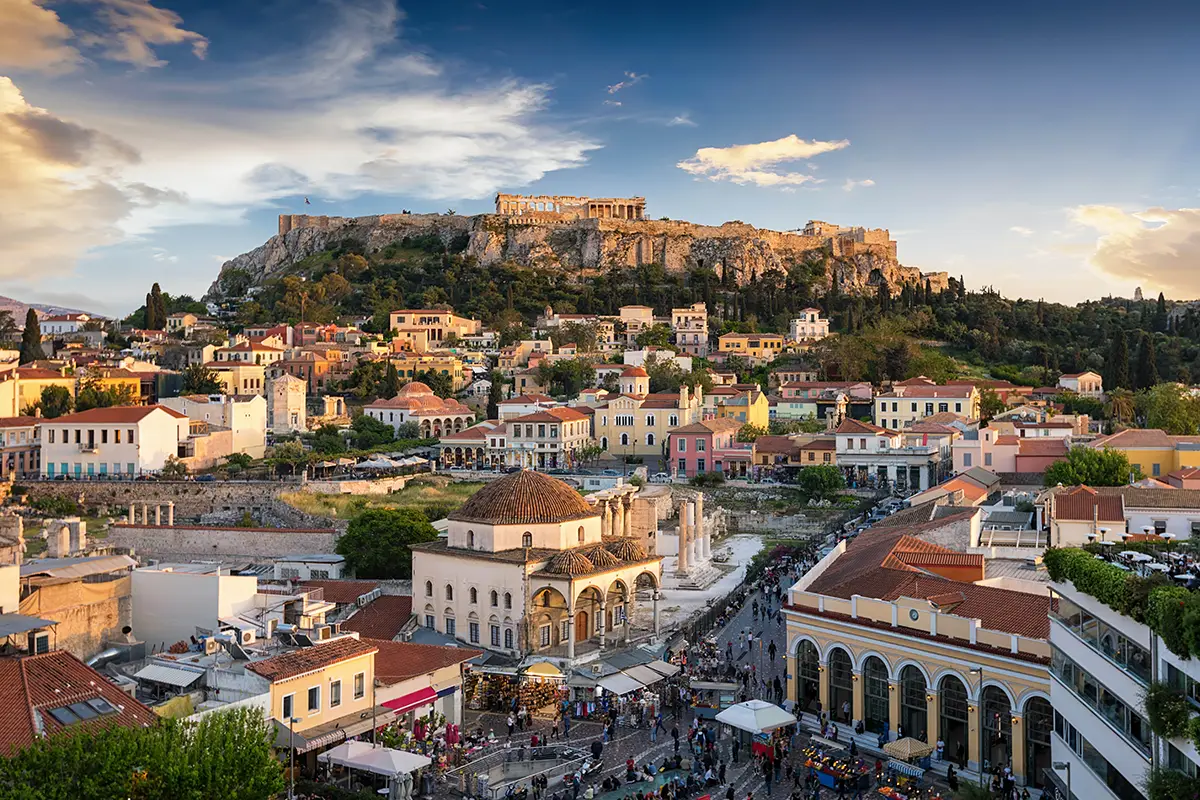
Athens acts as the country’s main transport hub, with major ferry ports, airports, and rail connections linking travelers to destinations across the mainland and the Greek islands.
At a Glance
Quick Guide: Best Ways to Travel Around Greece
A quick overview of the best transport choices for the mainland and the islands.
- Best overall Ferries for islands, buses, and cars on the mainland
- Best for island hopping Ferries from Athens (Piraeus or Rafina)
- Best for mainland road trips Renting a car
- Best budget option Intercity KTEL buses
- Fastest option Domestic flights between major destinations
Greece’s Important Transport Connections
Most international travelers arrive in Athens, which serves as the main hub for different forms of transportation across the country.
Important connections include:
- Athens International Airport – Greece’s largest airport and primary gateway for international flights.
- Port of Piraeus – the main ferry gateway connecting Athens to the Greek islands.
- Rafina Port – another major ferry departure point near Athens, particularly for Cyclades routes.
- Thessaloniki – the main transport hub for northern Greece.
From these hubs, travelers can connect to destinations across the mainland and islands by ferry, bus, train, or domestic flight.
How to Travel in Mainland Greece
Renting a Car in Greece
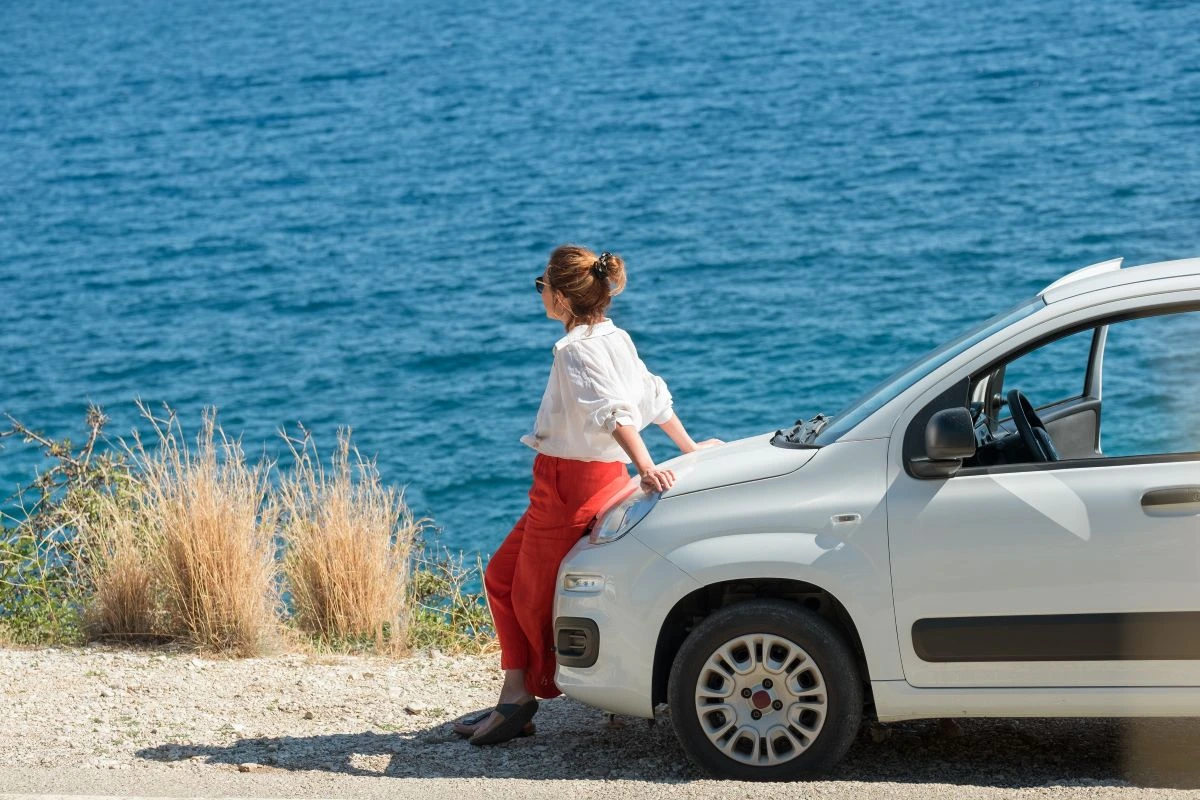
Driving is one of the best ways to travel in Greece, particularly if you plan to visit rural areas or archaeological sites that are less accessible by public transport.
Modern toll highways connect many major cities and are generally in good condition. However, local drivers can occasionally be impatient, so it’s important to stay alert and cautious on the road.
Major cities and airports offer plenty of car rental options, making it easy to pick up a vehicle when you arrive.
Intercity Buses (KTEL)
Greece’s national bus network, known as KTEL, is often the easiest and most affordable way to travel across the mainland.
- Buses are modern, air-conditioned, and generally comfortable for long journeys.
- Tickets can be purchased at stations, online, or sometimes directly on the bus, though buying in advance guarantees a seat.
- Larger cities may have multiple bus stations serving different regions, so it’s important to confirm the correct departure point-
- Routes connect major cities as well as smaller towns and tourist destinations.
In smaller villages, buses may run only once or twice per day and often operate primarily for local residents traveling to nearby towns.
Tip: Arrive around 20 minutes before departure, especially during busy travel periods.
Trains in Greece
Greece’s rail network is relatively limited compared with many other European countries.
The most important rail route connects Athens and Thessaloniki, with improved services in recent years allowing the journey to be completed in around four hours.
Outside this main corridor, rail coverage is more limited and many destinations have no train access at all. Because of this, buses often provide better connections to smaller towns and regional destinations.
While trains can offer scenic journeys through parts of mainland Greece, they are generally not the most comprehensive transport option.
Domestic Flights Within Greece
Flying can be the fastest way to travel between major cities or distant regions.
Airlines such as Aegean Airlines and several smaller carriers operate regular domestic flights connecting Athens with Thessaloniki, Crete, Rhodes, and other major destinations.
Flying is particularly useful if you are short on time or traveling long distances across the country.
Getting Around the Greek Islands
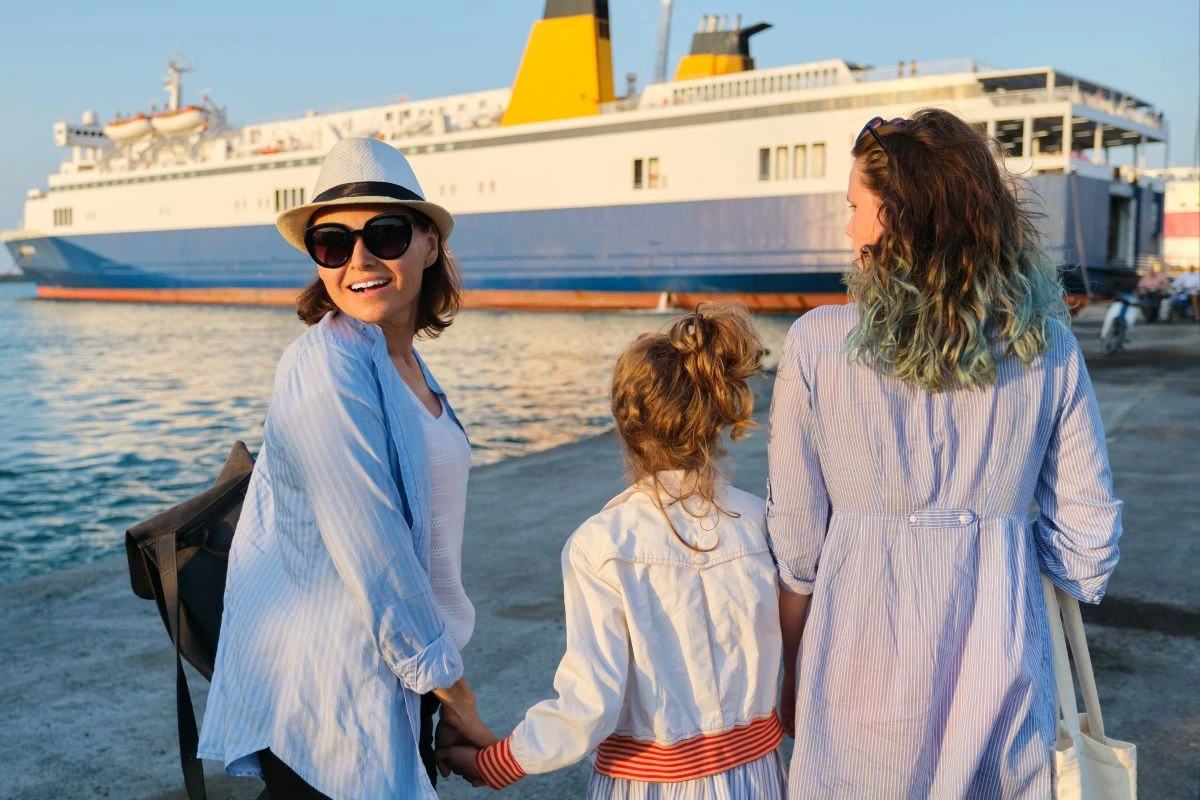
Getting around the islands works differently from traveling on the mainland. Ferries are the primary means of transport between islands, while local travel typically relies on buses, taxis, and vehicle rentals.
Ferries in Greece
Popular ferry routes connect Athens with destinations such as Santorini, Mykonos, Crete, and many other islands across the Cyclades and Aegean.
Most ferry routes depart from Piraeus, Athens’ main port, though Rafina and Thessaloniki also operate some island connections.
Travelers typically choose between:
- Conventional ferries, which are slower but usually cheaper
- High-speed ferries, which are faster but tend to cost more
Ferry schedules increase significantly during the summer months, when demand for island travel is highest.
During the quieter winter months, some routes operate only a few times per week, so planning ahead becomes more important.
Weather conditions can occasionally affect ferry services, particularly in the Aegean Sea.
Inter-Island & Domestic Flights
Flying between islands can sometimes be faster than traveling by ferry, particularly for longer routes such as Crete or Rhodes.
Many domestic flights operate via Athens, which acts as the main hub for Greece’s aviation network.
While this makes flights widely available, if you are not traveling to or from Athens itself, having to connect via the city can increase your total travel time.
Local Transport on the Islands
Transport options on the islands vary depending on the size and popularity of the destination.
Common options include:
- Local bus networks, particularly on larger islands such as Crete, Rhodes and Corfu.
- Taxis in major towns and tourist areas.
- Car, scooter, or ATV rentals for exploring beaches and smaller villages.
Many islands feature narrow, winding roads, which can make driving more challenging in some areas.
Public Transport in Athens and Major Cities
Athens Metro, Buses and Tram
Athens has the most developed public transport system in Greece.
The network includes:
- Metro lines connecting the airport, city center, and major districts.
- Trams serving coastal neighbourhoods.
- Buses covering the wider metropolitan area.
Public transport is affordable and relatively easy for visitors to use, making it a convenient way to explore the city.
Transport in Thessaloniki and Other Cities
Outside Athens, most Greek cities rely primarily on bus networks and taxis rather than metro systems.
Many historic centers are compact and easy to explore on foot, making walking one of the best ways to experience these cities.

What Is the Best Way to Travel Around Greece?
The best way to get around Greece is usually a combination of ferries, buses, domestic flights, and rental cars.
However, the best form of transport for your time in Greece depends on where in the country you will staying and visiting.
Best for Mainland Exploration
Renting a car provides the greatest flexibility for visiting historic sites, national parks and smaller towns across the mainland.
Best for Island Hopping
Ferries remain the most popular and scenic way to travel between the Greek islands.
Best for Short Trips
Combining flights and ferries is often the fastest way to move between distant destinations.
Getting Around Greece Without a Car
It is entirely possible to explore Greece without renting a car. Buses, ferries, and domestic flights connect most major destinations and tourist areas.
Popular Travel Routes in Greece
Many travelers move between a few key destinations when exploring Greece. Here are some of the most common routes and how to travel them.
Athens to Santorini
The most common options are ferries departing from Piraeus Port or short domestic flights from Athens International Airport.
Athens to Mykonos
High-speed ferries from Piraeus or Rafina run frequently during the summer season, while flights take less than an hour.
Athens to Crete
Travelers can take overnight ferries to Heraklion or Chania, or fly from Athens in around 50 minutes.
Athens to Thessaloniki
This route is served by high-speed trains, domestic flights, and long-distance buses, making it one of the easiest journeys in mainland Greece.
Tips for Getting Around Greece
- Book transport early in the high season (e.g., Jul–Aug): Summer ferry routes and flights can sell out quickly.
- Allow extra time for ferry connections: Weather and seasonal demand can affect schedules.
- Check departure points carefully: Some cities, particularly Athens, have multiple transport terminals and ports.
- Combine transport types: Most travelers will use a mix of buses, ferries, and flights to move around Greece efficiently.
Thinking About Spending More Time in Greece?
For many travelers, a short trip quickly turns into something more permanent.
Once you start exploring Greece’s islands, historic towns, and beautiful coastline, it’s easy to see why so many people choose to return again and again.
For those looking to spend more time in the country, the Greece Golden Visa offers a pathway to residency through property investment.
-

Who Are Greece’s Golden Visa Investors in 2026?
The latest official data shows who is driving demand for the Greece Golden Visa in 2026, how the investor mix...