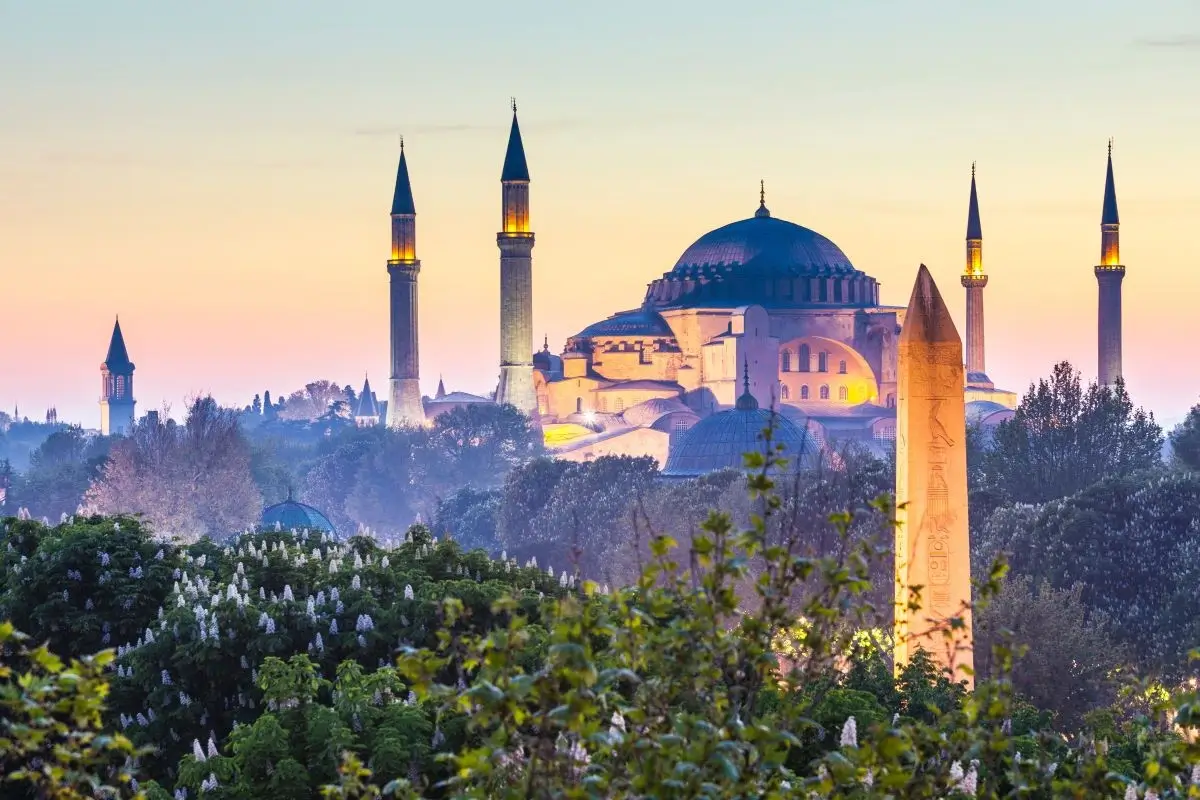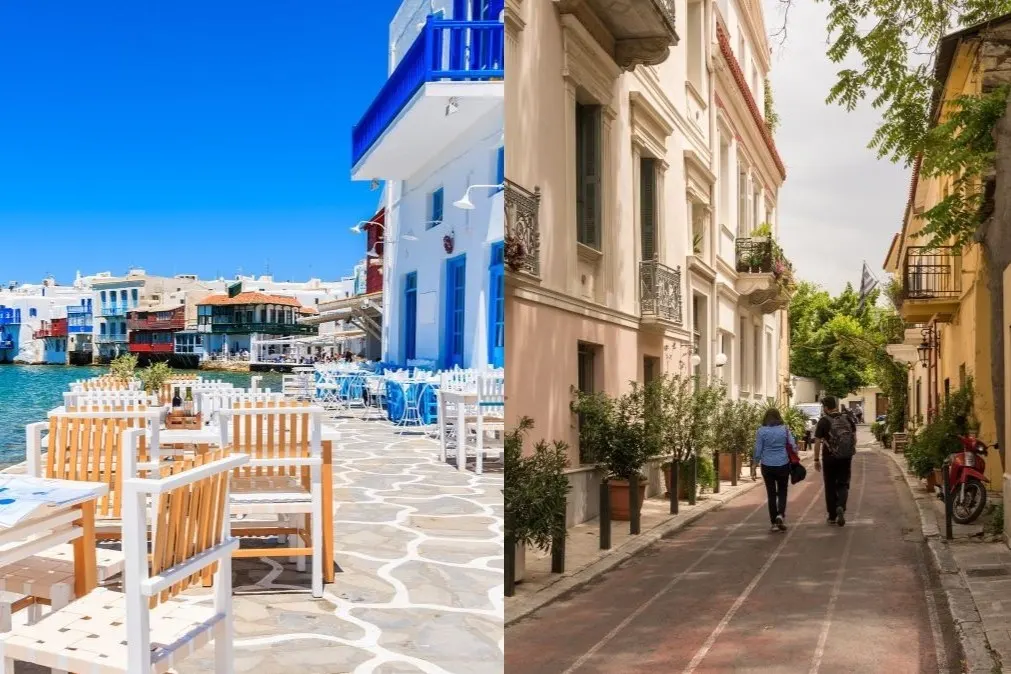


From cosmopolitan cities to laid-back islands and emerging mainland hubs, Greece offers an impressive range of options for international residents and investors alike.
Administratively, Greece is divided into 13 regions covering both the mainland and island groups, along with the autonomous monastic community of Mount Athos.
Each region has its own economic profile, lifestyle rhythm, and appeal to foreign buyers.
Understanding these regional differences helps prospective residents make informed decisions about where to live, invest, or establish long-term roots.
Below is a complete overview of Greece’s regions.
Attica
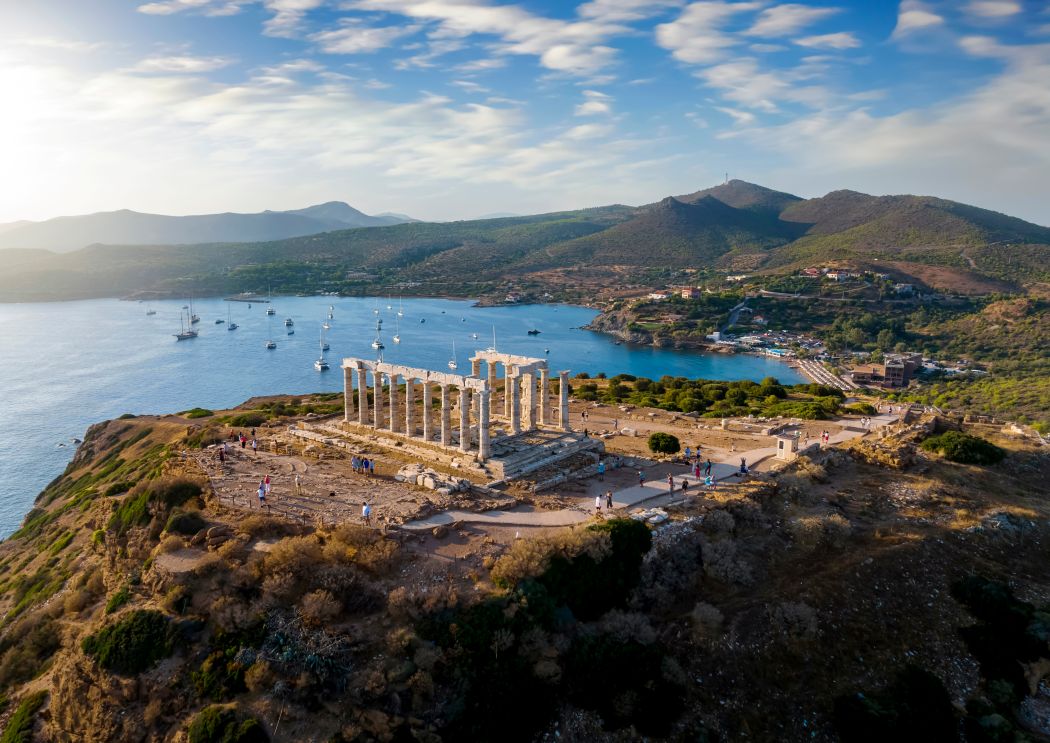
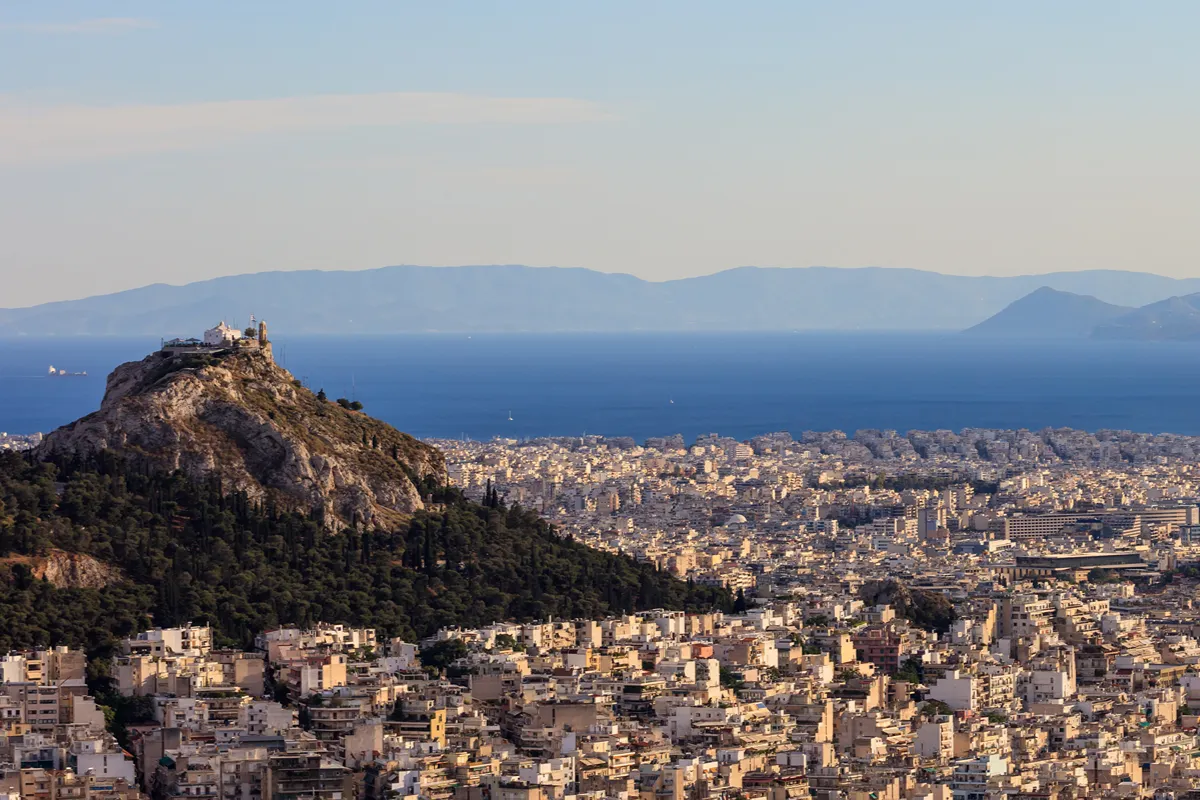
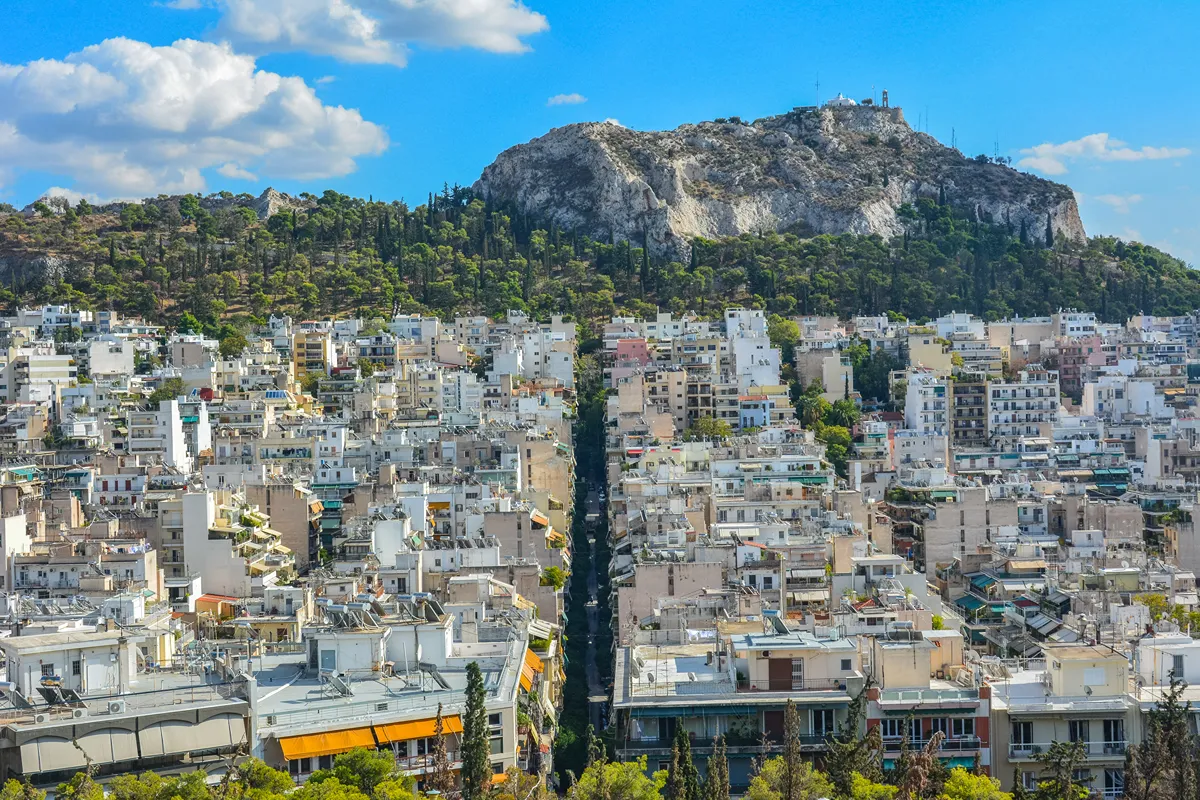
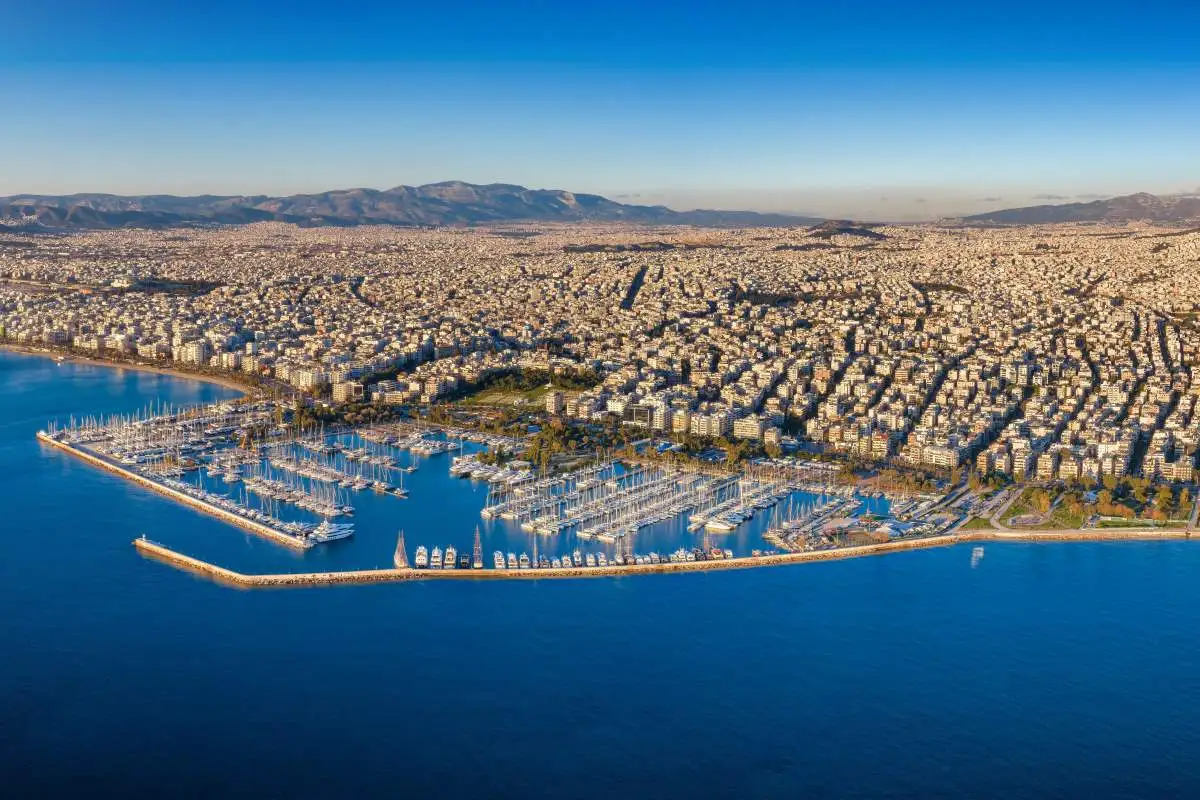
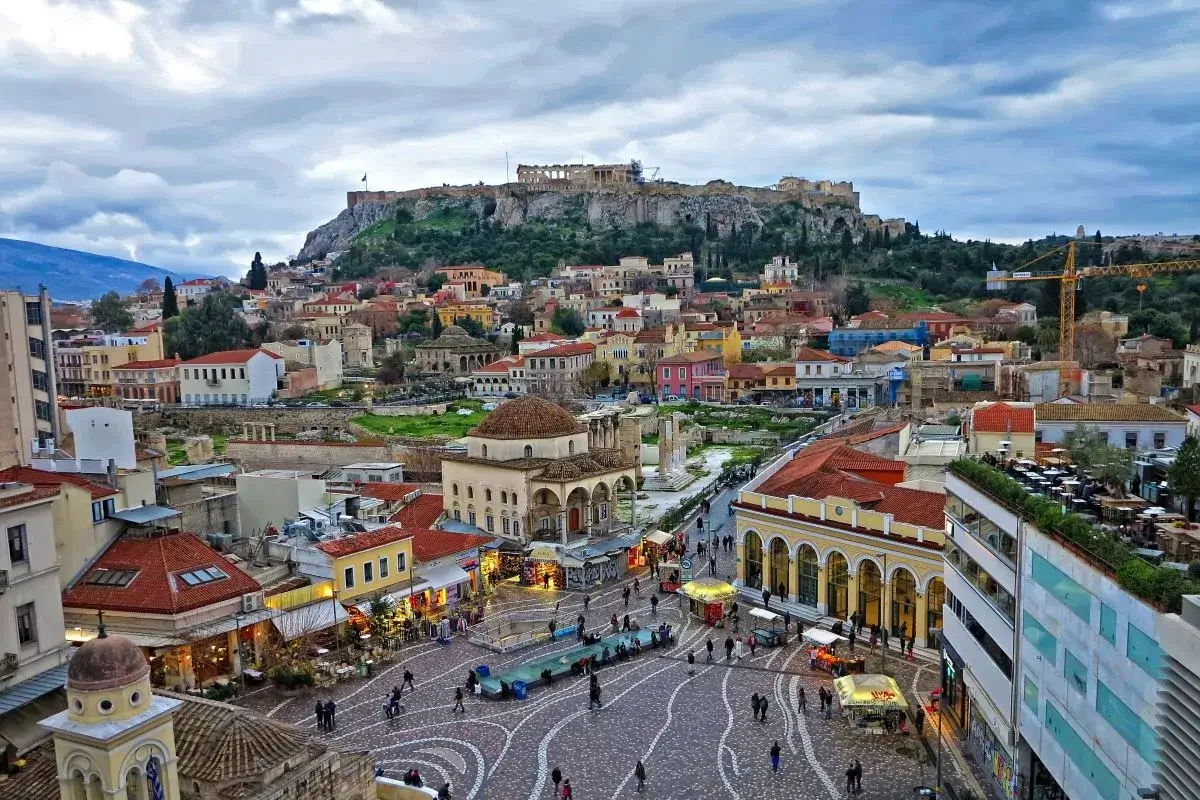
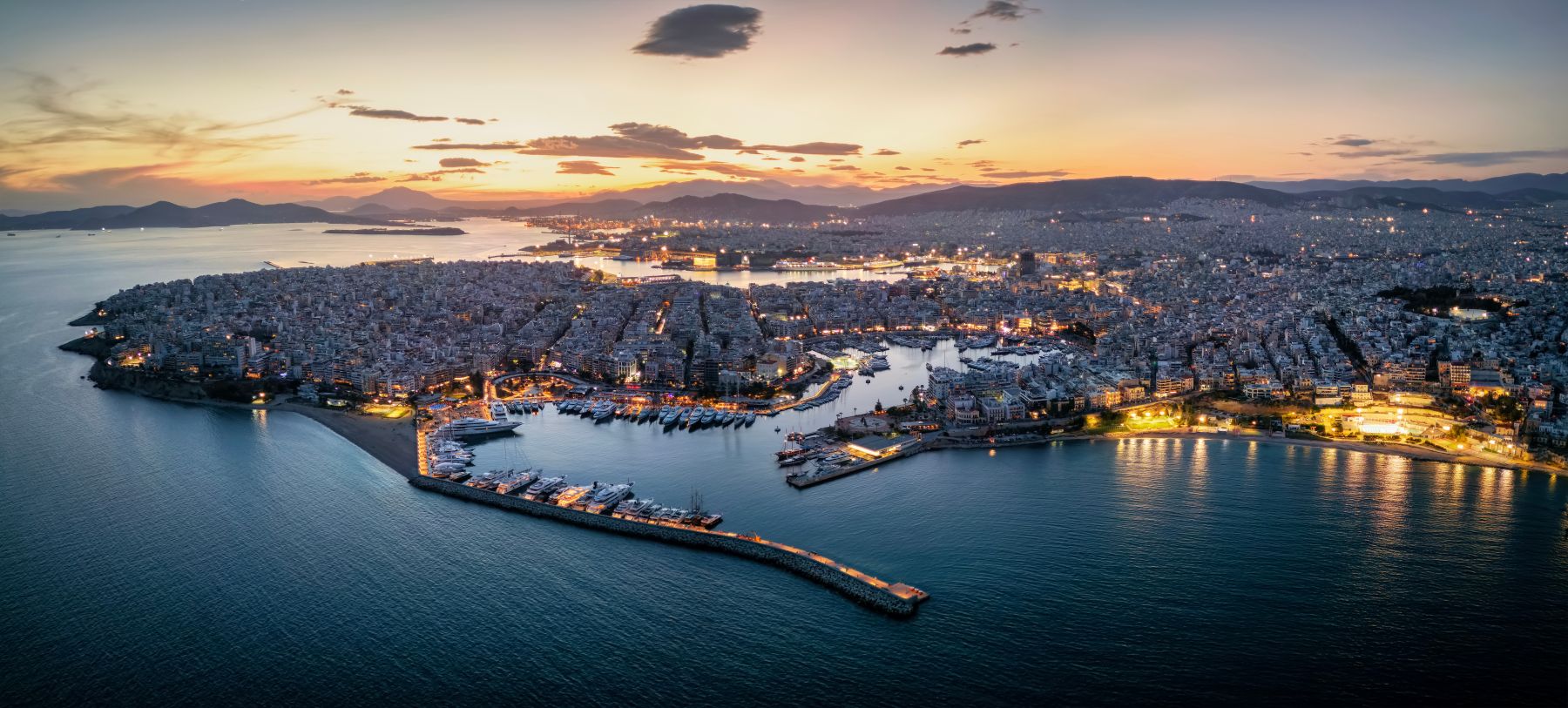
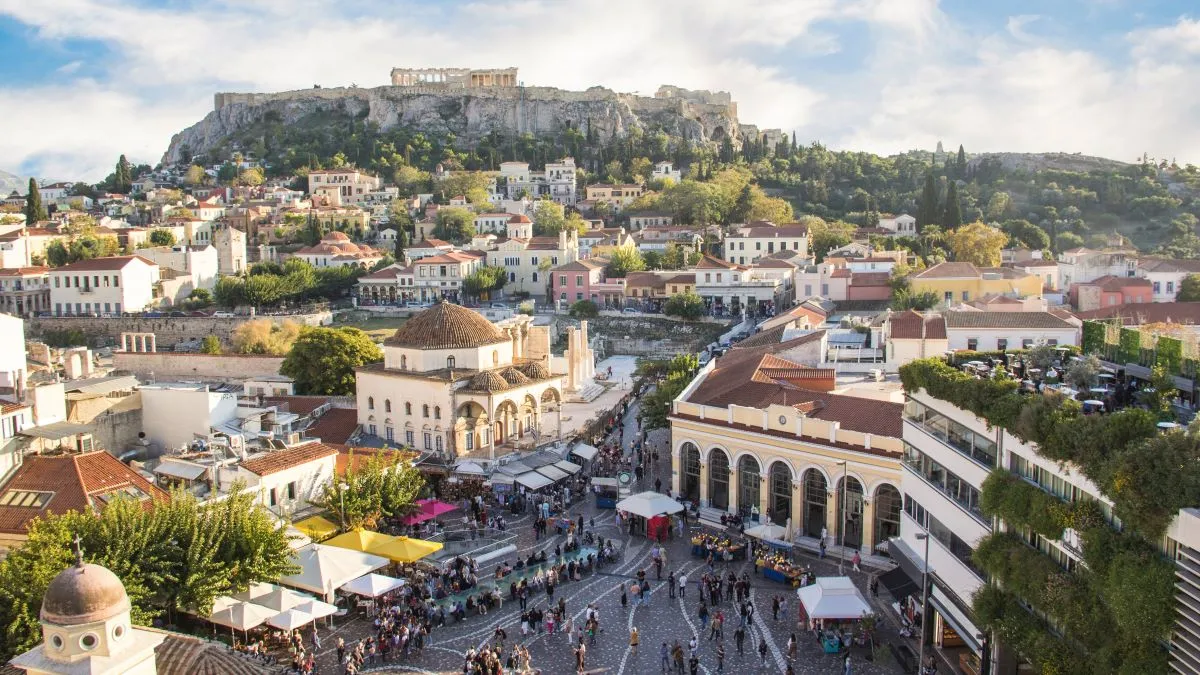
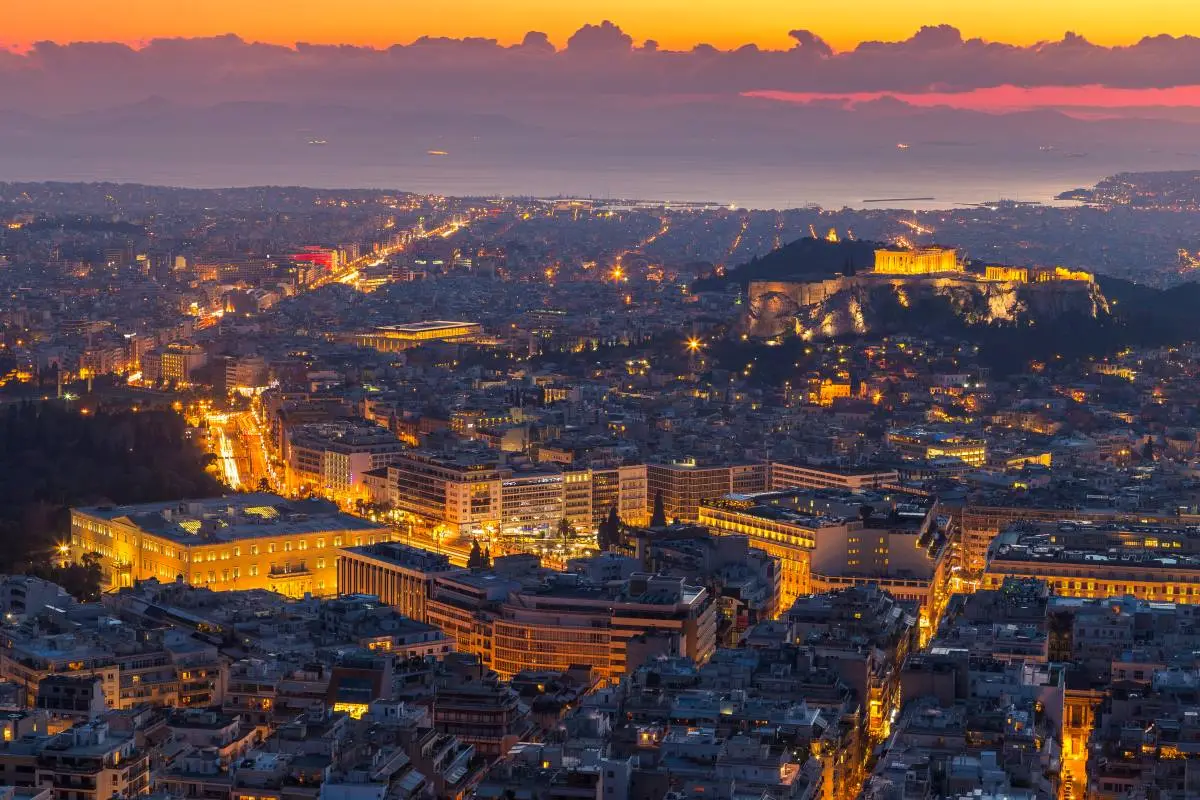
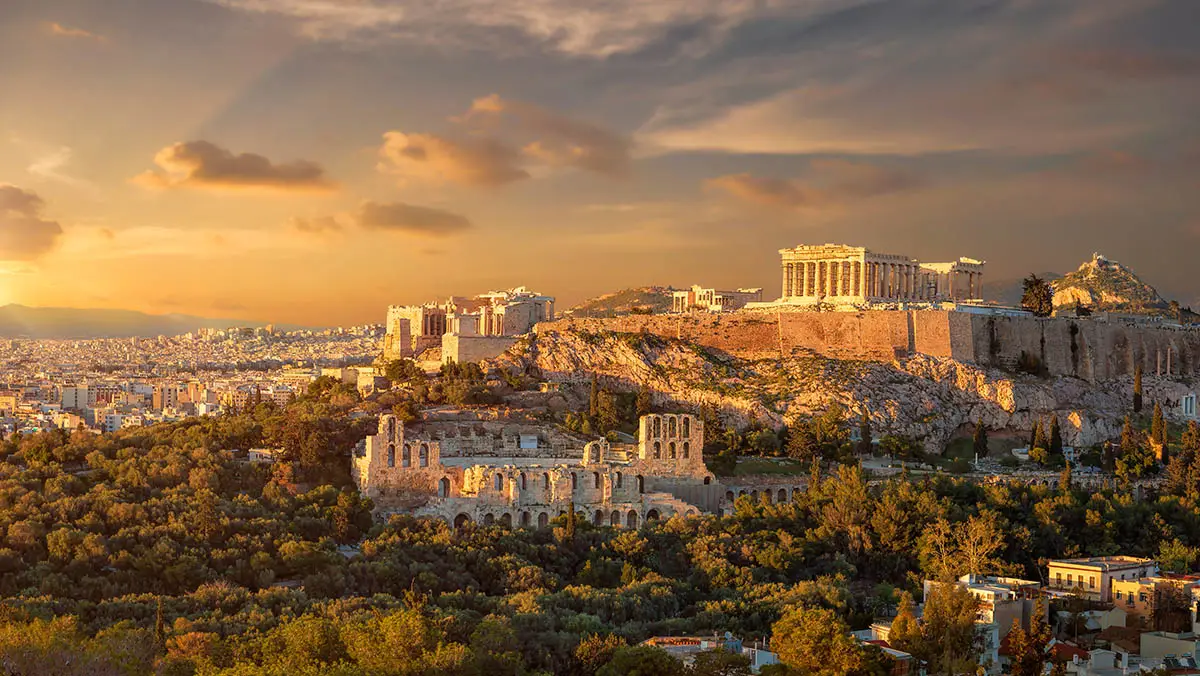
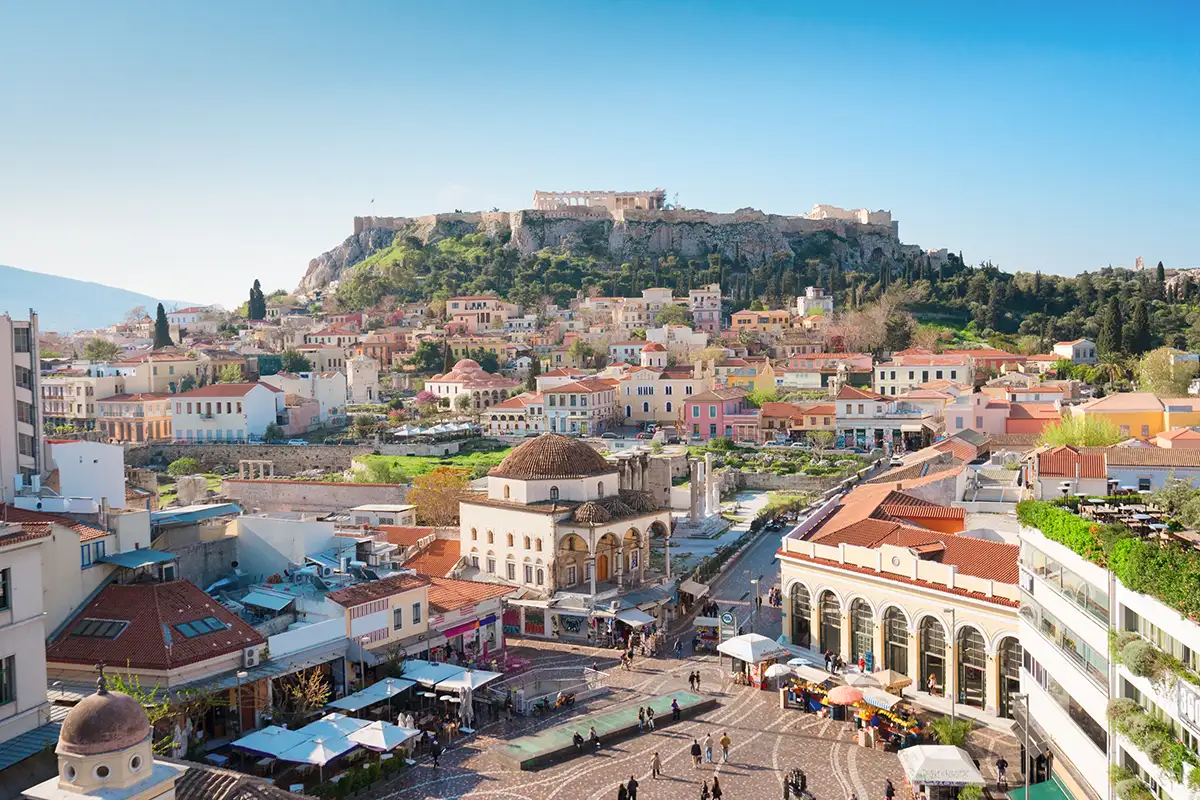
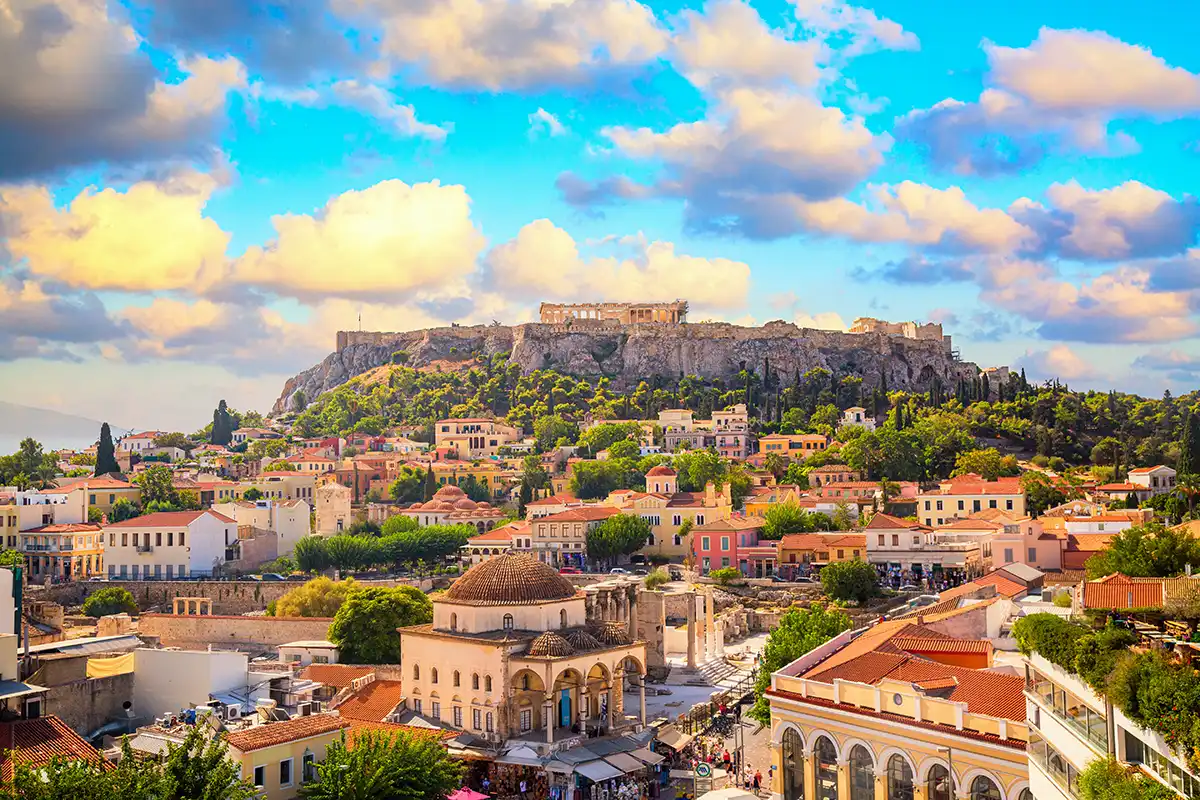
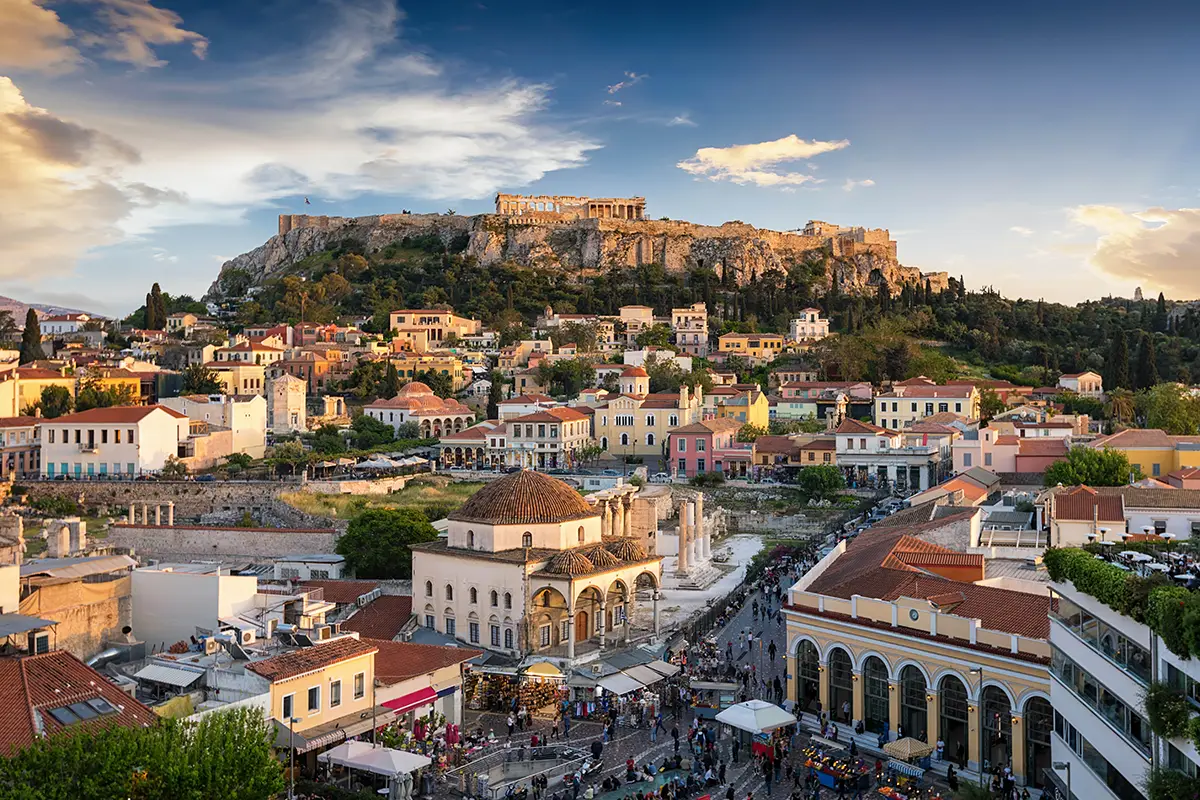
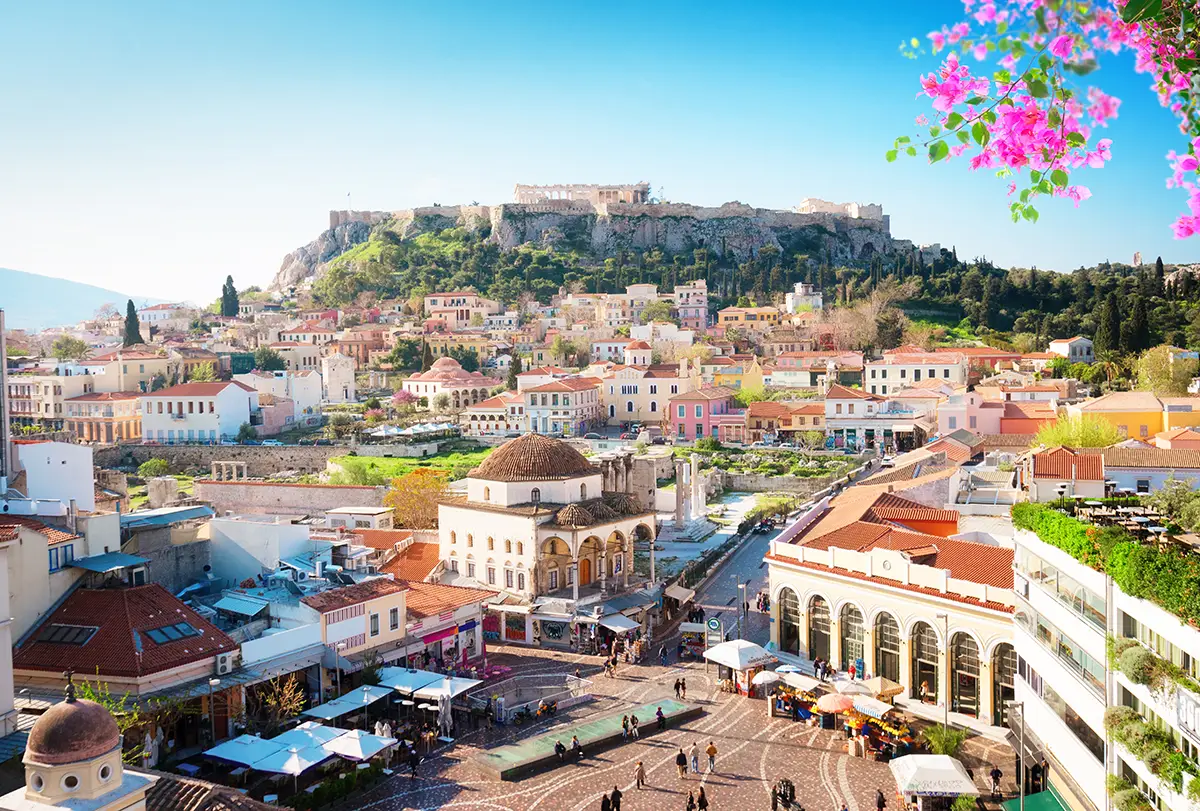
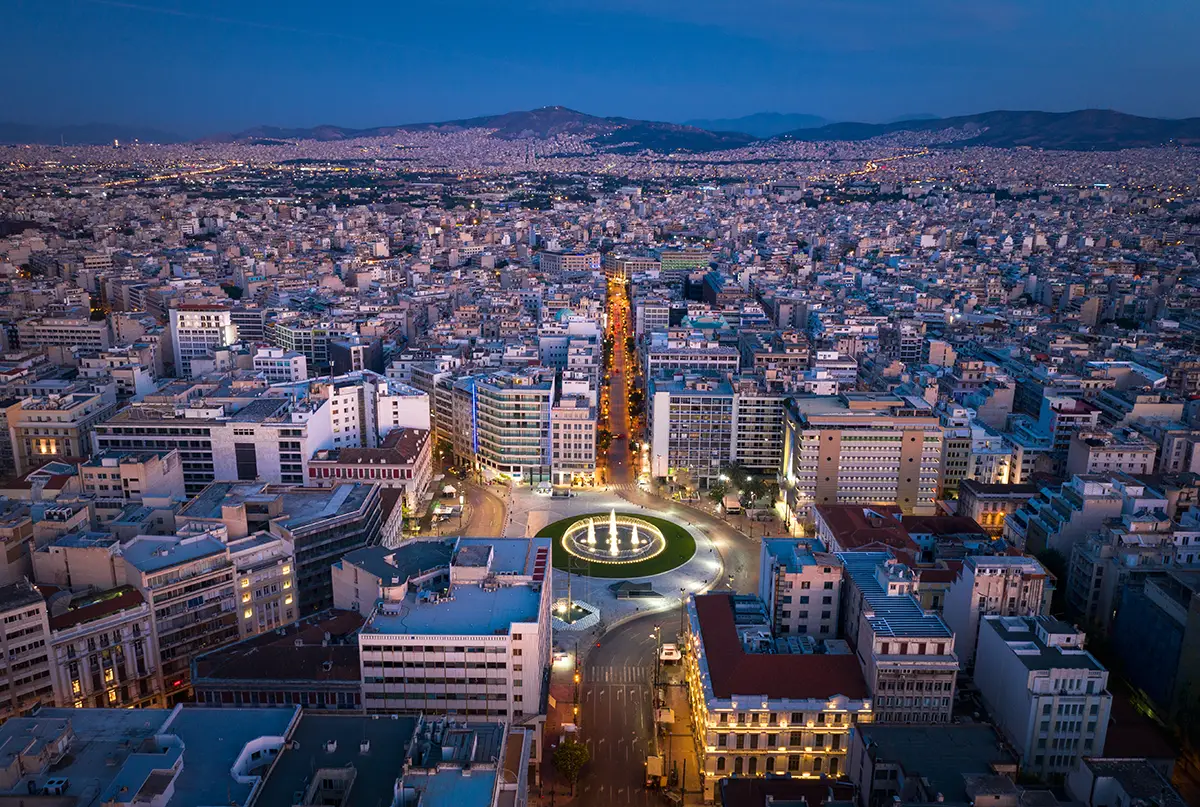
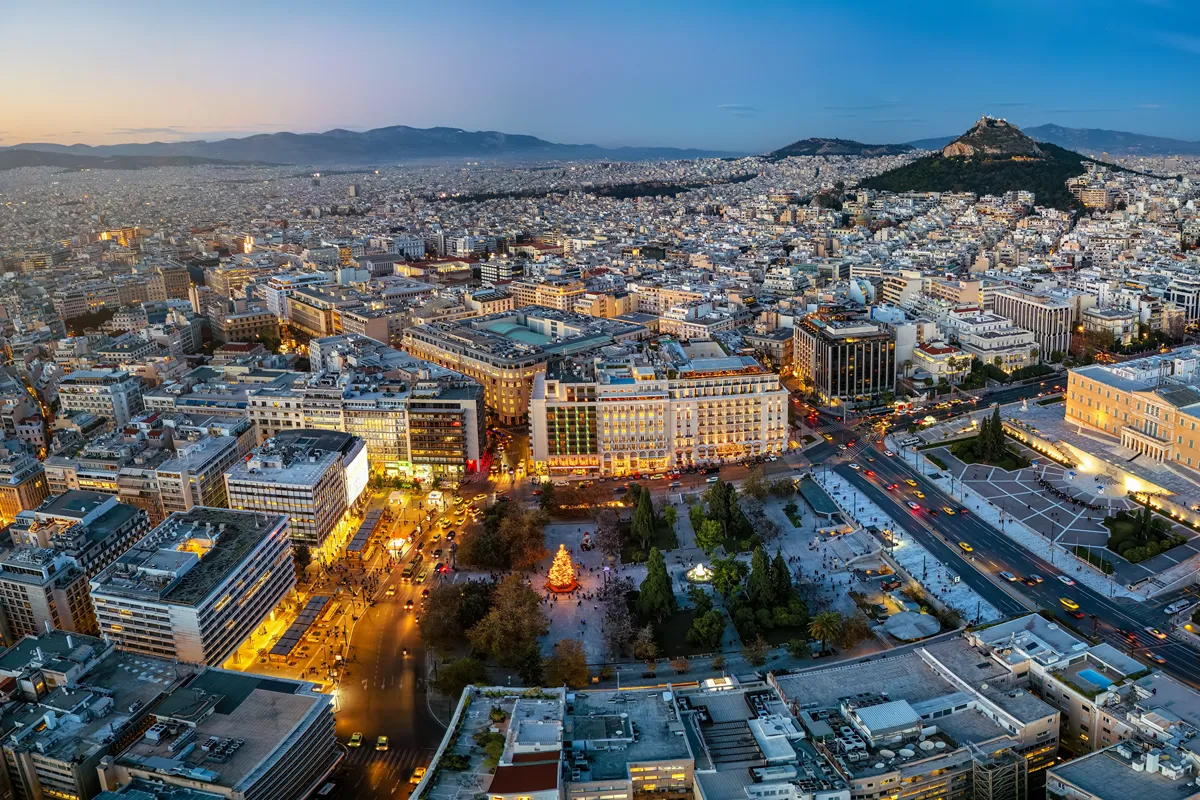
Attica, home to Athens, is Greece’s political, economic, and cultural center.
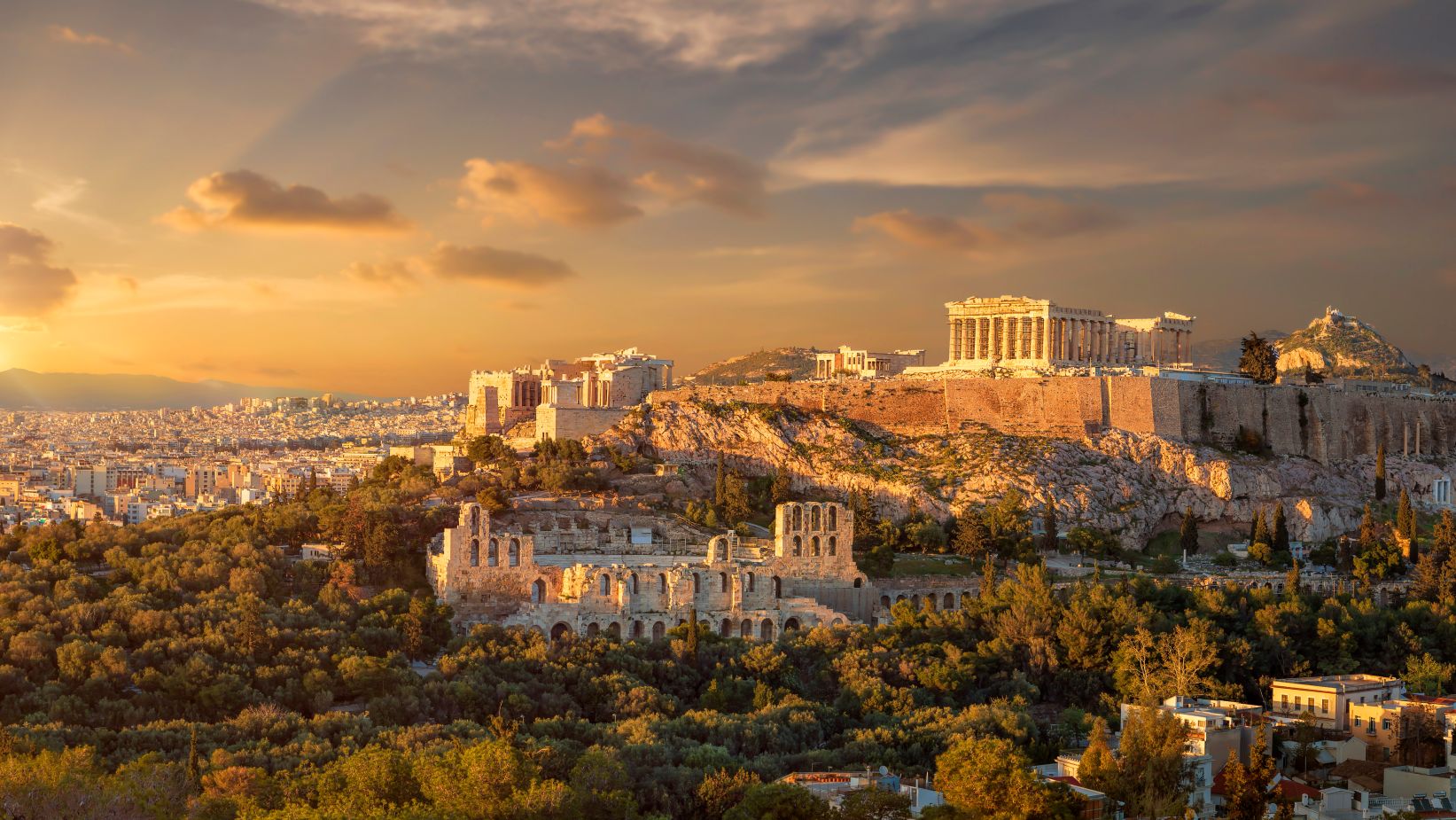
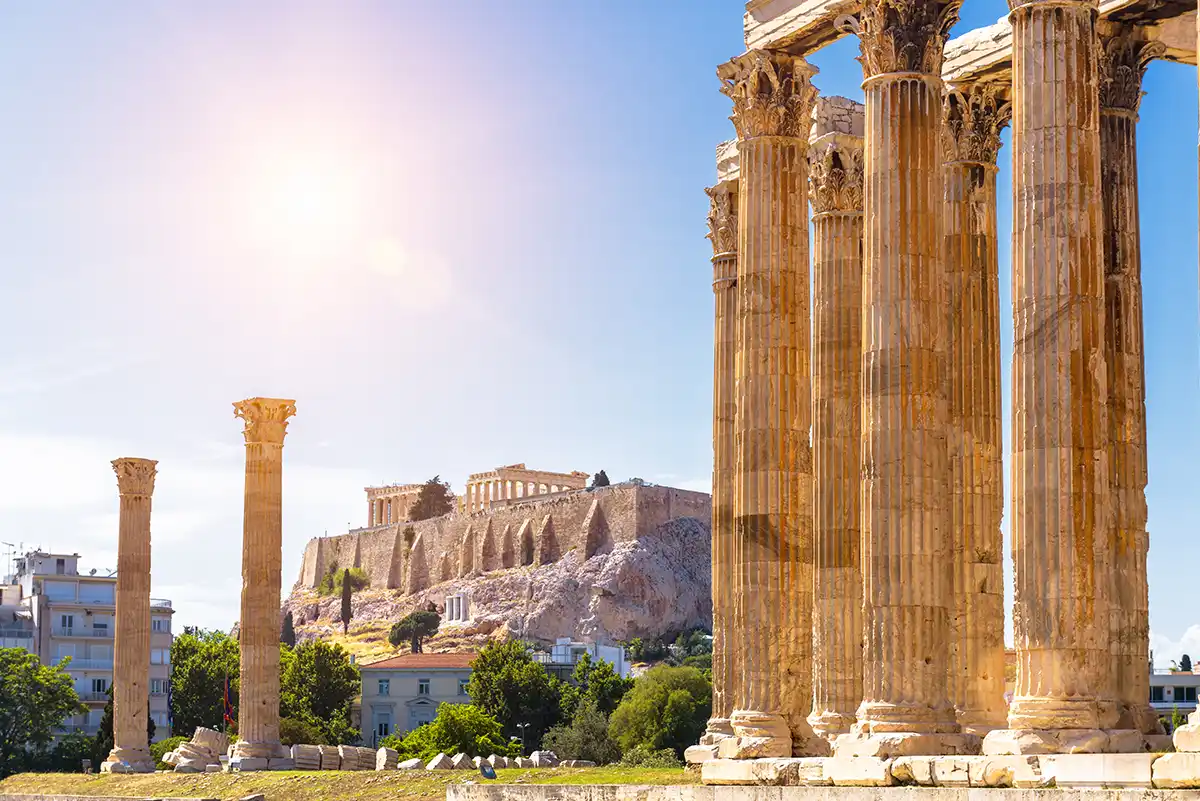
This is where ancient history and modern life coexist daily, from the Acropolis overlooking the city to thriving neighborhoods filled with cafés, galleries, and startups.
For investors, Attica remains one of the strongest real estate markets in the country. Demand is driven by international buyers, digital nomads, students, and long-term renters.
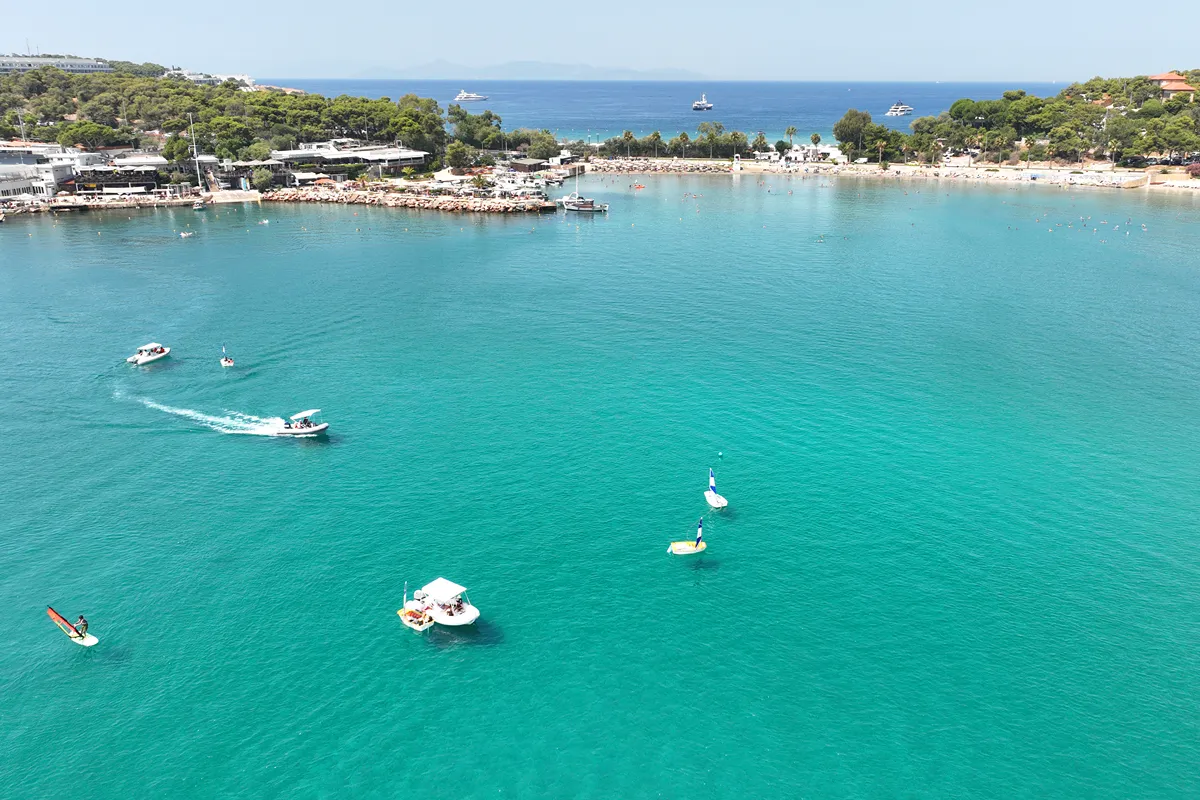
Coastal areas along the Athens Riviera offer high-end living with easy access to the city, while central neighborhoods appeal to those seeking walkability and year-round activity.
Attica is ideal for buyers who prioritize infrastructure, healthcare access, international schools, and a dynamic urban lifestyle.
Peloponnese
The Peloponnese peninsula offers a slower pace of life and a strong sense of place.
Known for historic towns, agricultural landscapes, and scenic coastlines, the region appeals to buyers seeking authenticity, privacy, and value.
Cities such as Nafplio and the regional capital Tripoli combine charm with livability, while rural areas offer larger properties and lower entry points.
Infrastructure improvements in recent years have increased the region’s appeal for international residents.
Central Macedonia
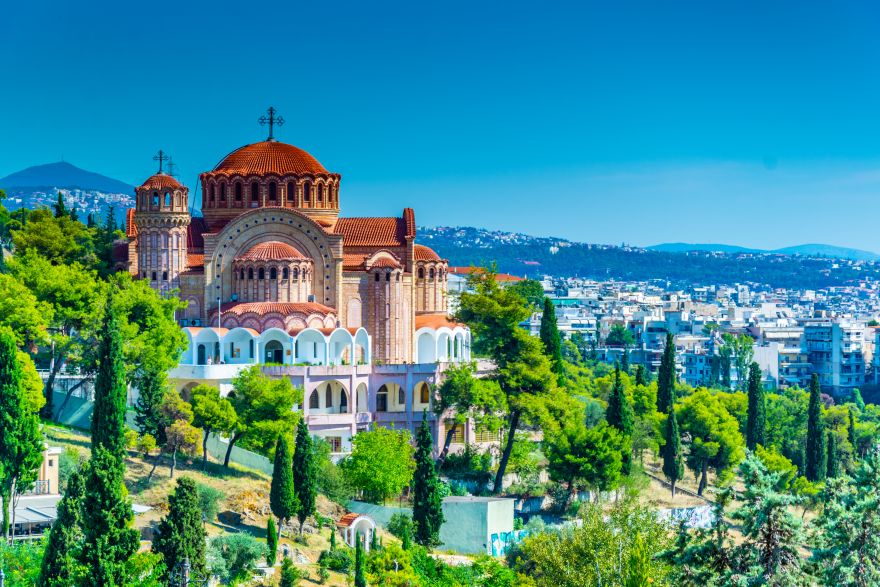
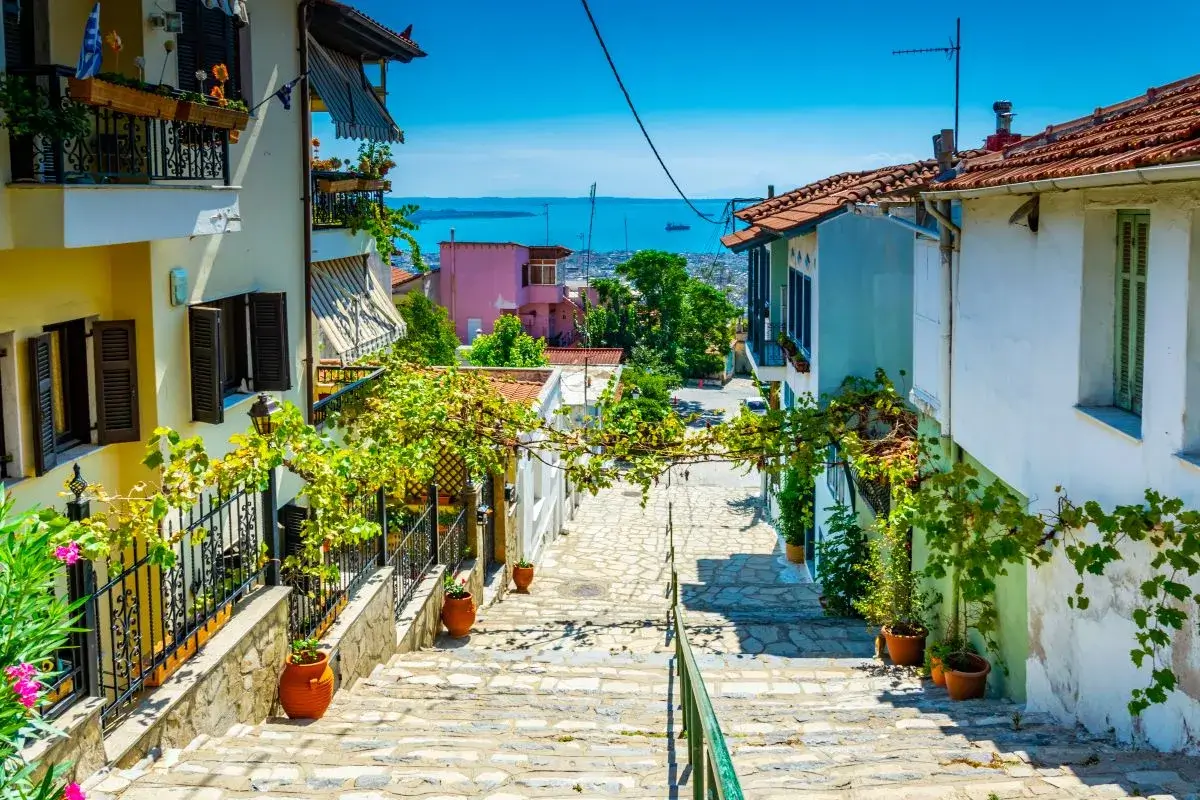
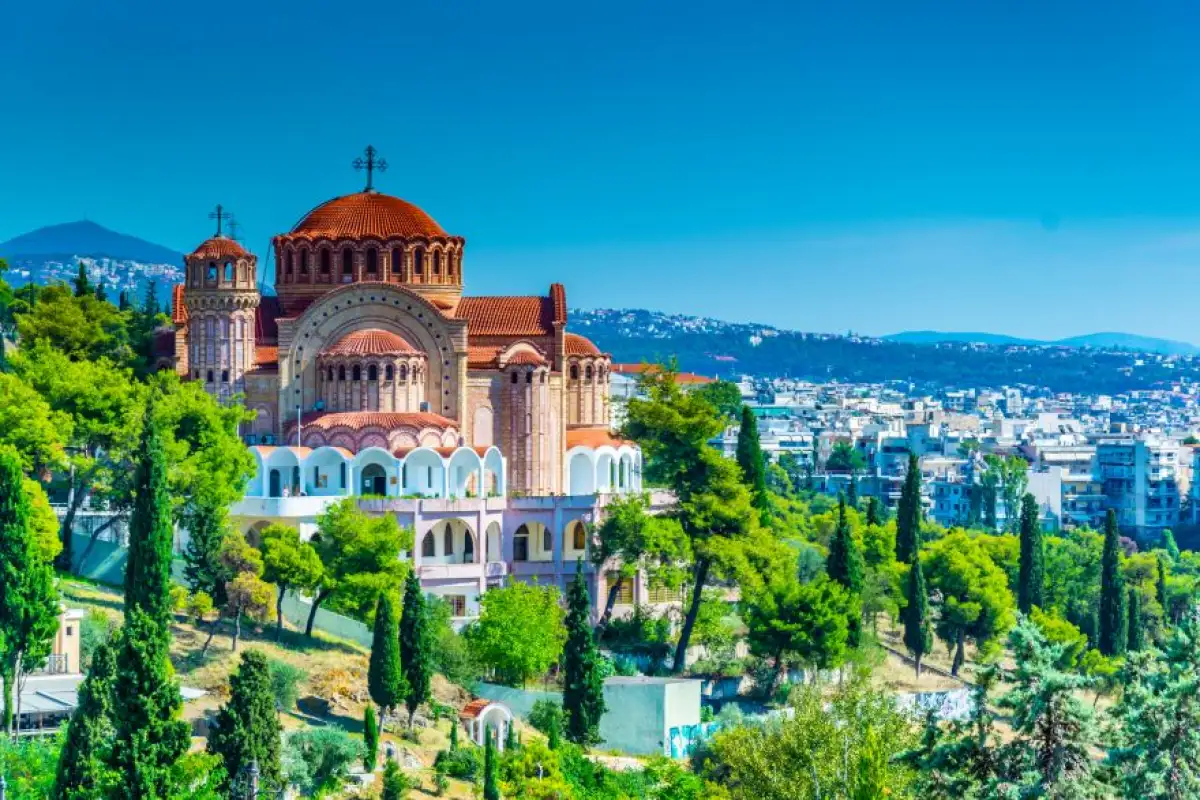
Anchored by Thessaloniki, Central Macedonia is home to Greece’s second-largest city and one of its most vibrant regions.
Known for its youthful energy, food scene, and strong university presence, Thessaloniki offers a more relaxed alternative to Athens while maintaining excellent infrastructure and international connectivity.
Property prices are generally more accessible than in the capital, making the region attractive for investors seeking growth potential.
Central Macedonia is renowned for its diverse natural beauty, offering access to beaches, vineyards, and mountains, including the famous Mount Olympus, and is Greece's most popular non-island tourist destination.
Central Macedonia suits buyers looking for culture, relative affordability, and long-term appreciation.
Western Macedonia
Western Macedonia is a mountainous, inland region known for its natural landscapes and role in Greece’s energy sector. It is less densely populated and offers some of the lowest property prices in the country.
Long considered one of the most isolated areas of the country, Western Macedonia is connected to the rest of Greece by the A2 highway, but the region's two airports only support small planes flying short-haul flights to Athens.
This region appeals to buyers interested in rural living, eco-tourism projects, or long-term value opportunities rather than short-term rental yields.
Eastern Macedonia and Thrace
Located near Greece’s borders with Bulgaria and Turkey, this region holds strategic and economic importance.
Cities such as Alexandroupoli are gaining attention due to port development, logistics growth, and energy-related investments.
Eastern Macedonia and Thrace still sees relatively low levels of tourism, despite its natural beauty and cultural heritage. This means that it offers a quieter, more local pace of life with more connection to traditional Greek culture.
Property prices remain relatively low, making the region attractive to investors with an eye for future growth.
Crete
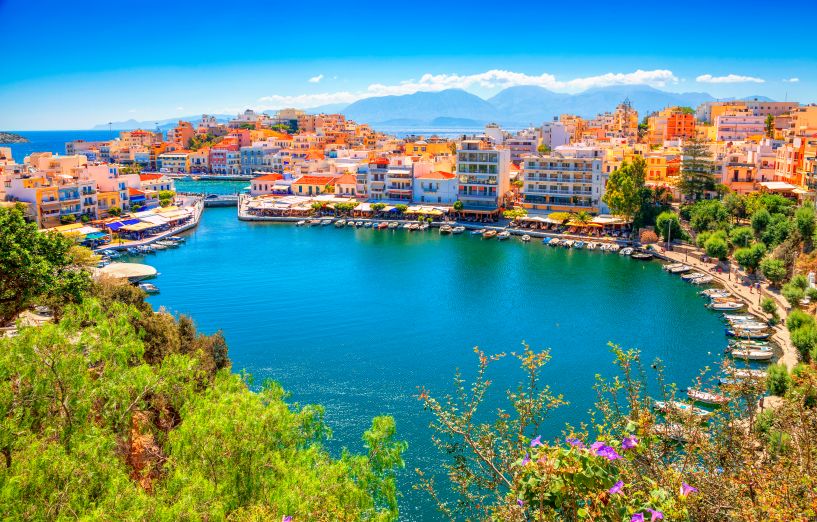
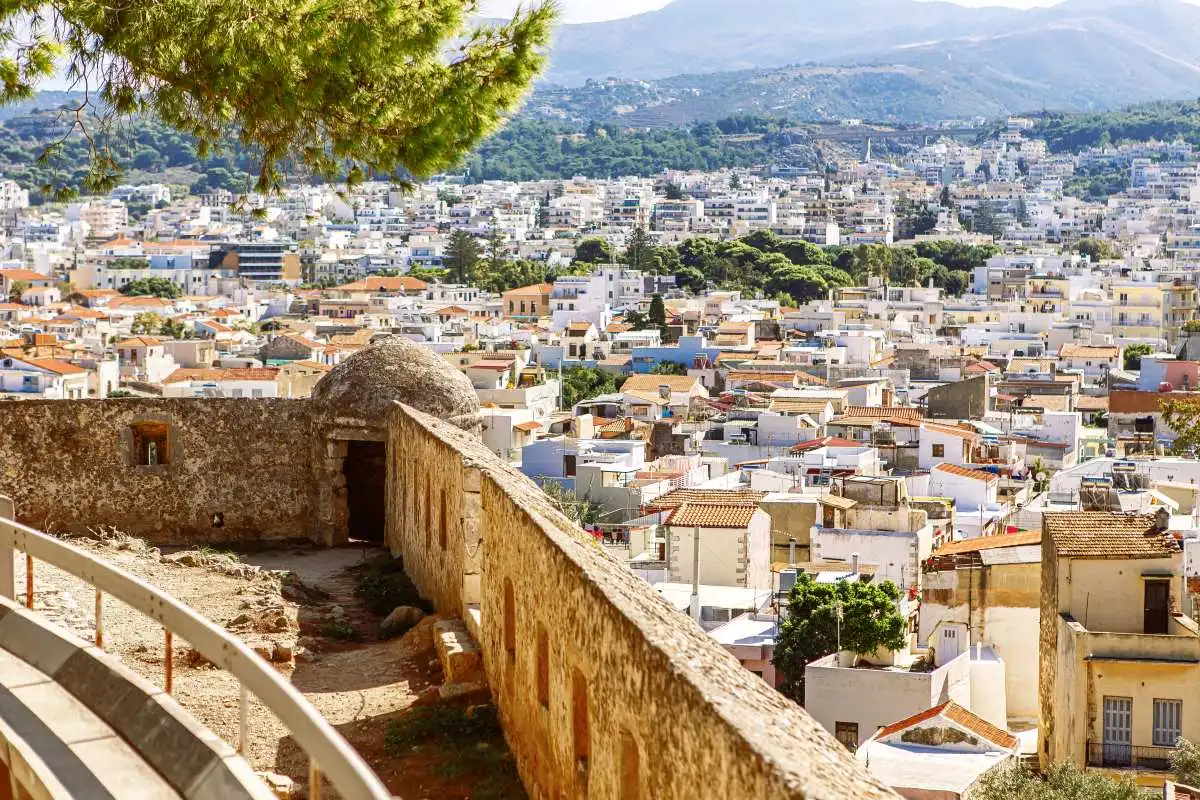
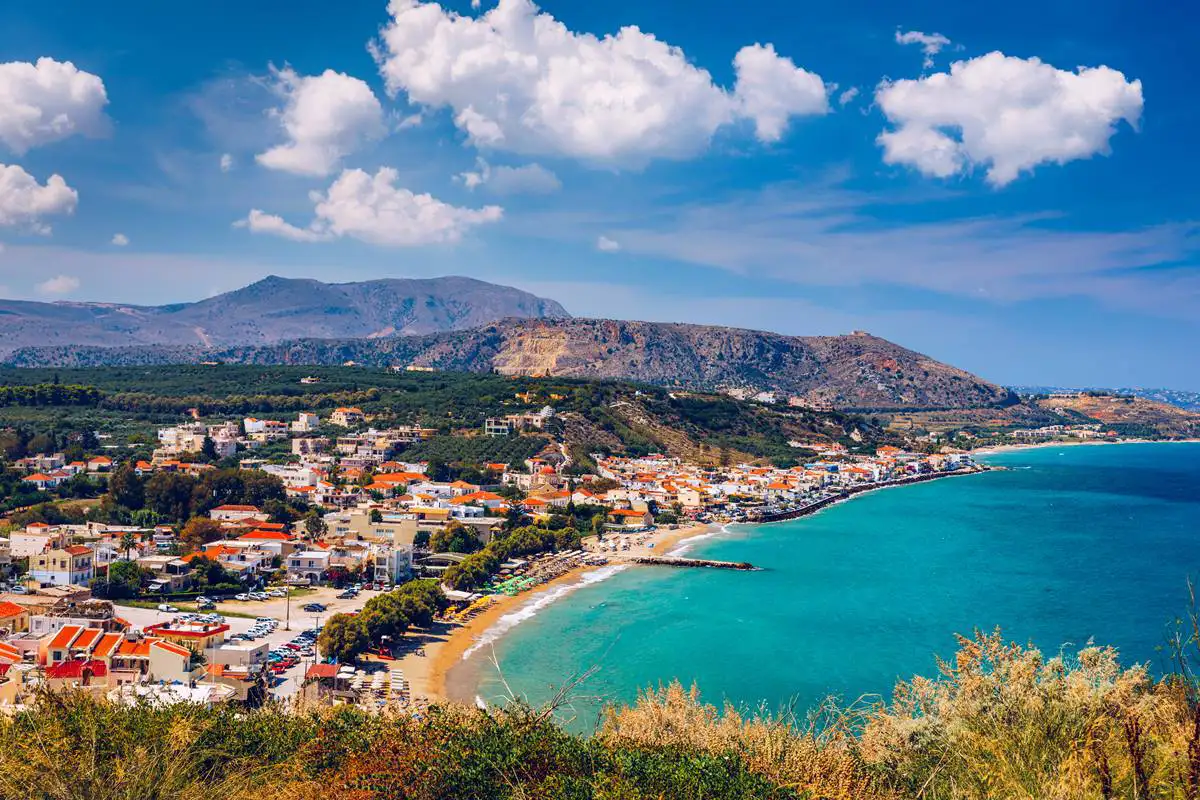
As Greece’s largest island, Crete functions almost like a country of its own. Equipped with international airports, modern hospitals, universities, and landscapes ranging from beaches to mountains, Crete is a self-contained package that combines the modern infrastructure of major cities with a serene island atmosphere.
Cities such as Chania and Heraklion attract both lifestyle buyers and investors, supported by steady rental demand and year-round activity.
Crete appeals to those seeking island life without isolation, combining convenience with stunning beaches and landscapes, ancient cultural heritage, and deeply rooted local culture.
It is a strong option for families, remote workers, and long-term residents seeking balance.
Epirus
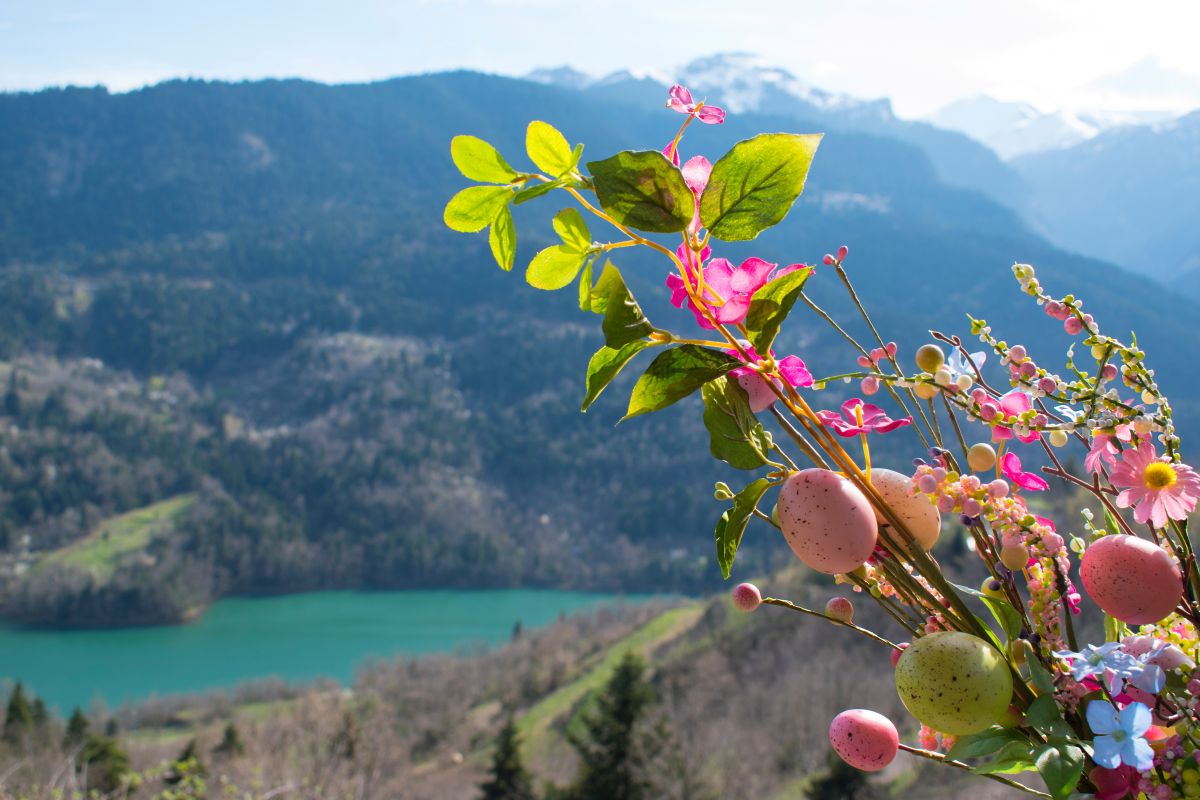
Epirus is known for its dramatic mountain scenery, traditional stone villages, and coastline along the Ionian Sea. Due to its terrain, it remains one of Greece’s least commercialized regions, resulting in a wealth of unspoiled natural beauty.
The tourist industry in Epirus largely centres around this aspect, with eco-tourism and the region's two national parks drawing in large number of visitors.
With improving road access and growing interest in nature-based living, Epirus increasingly attracts retirees and buyers seeking space, authenticity, and a quieter lifestyle.
South Aegean
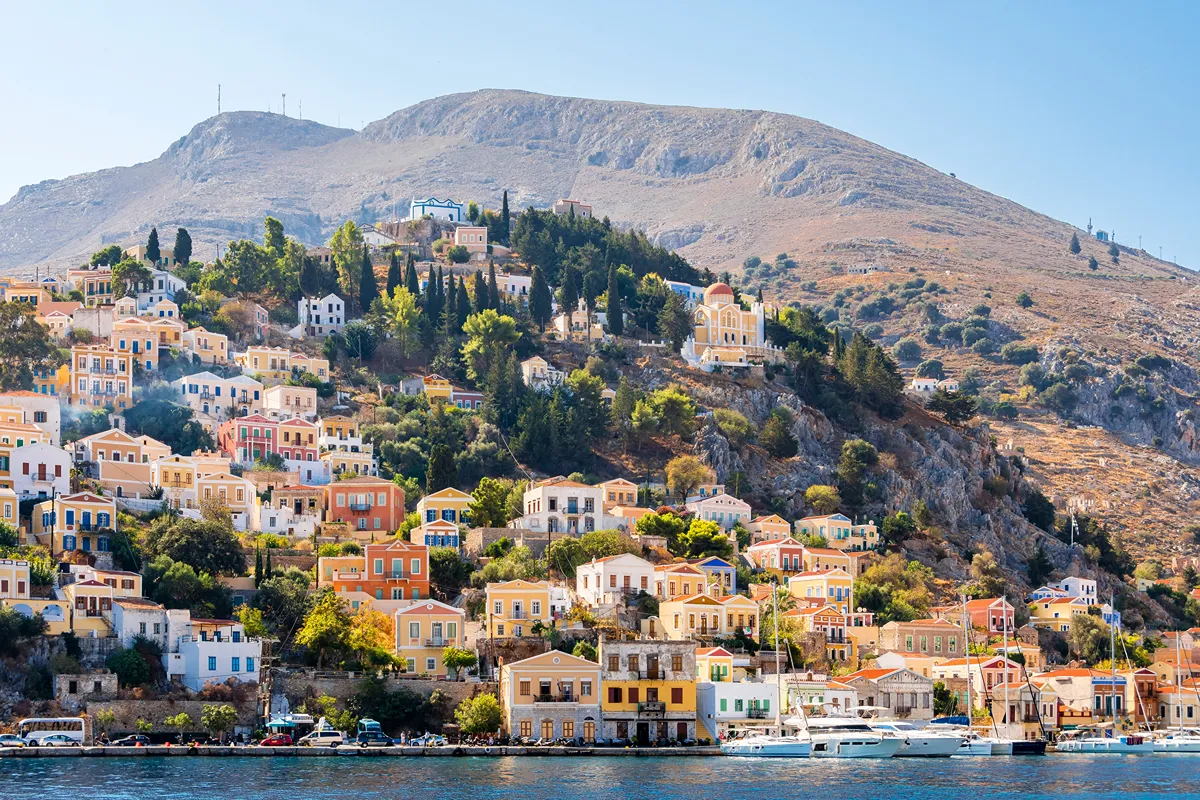
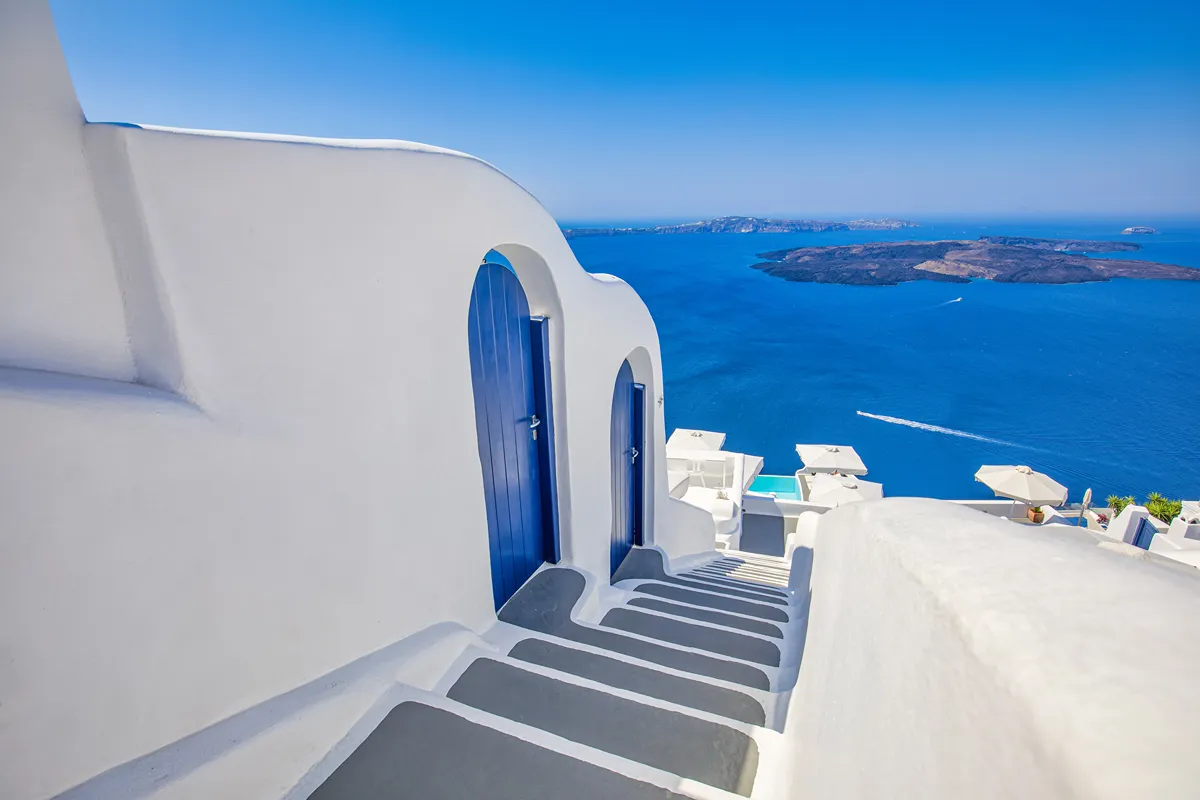
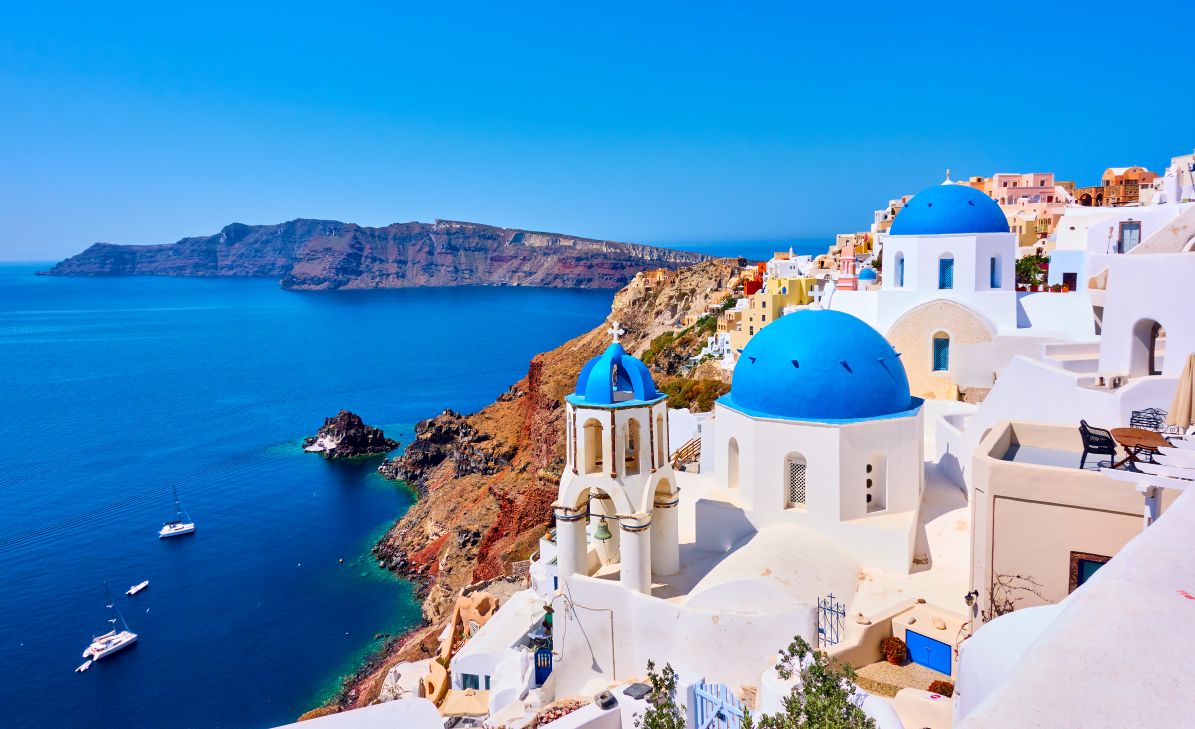
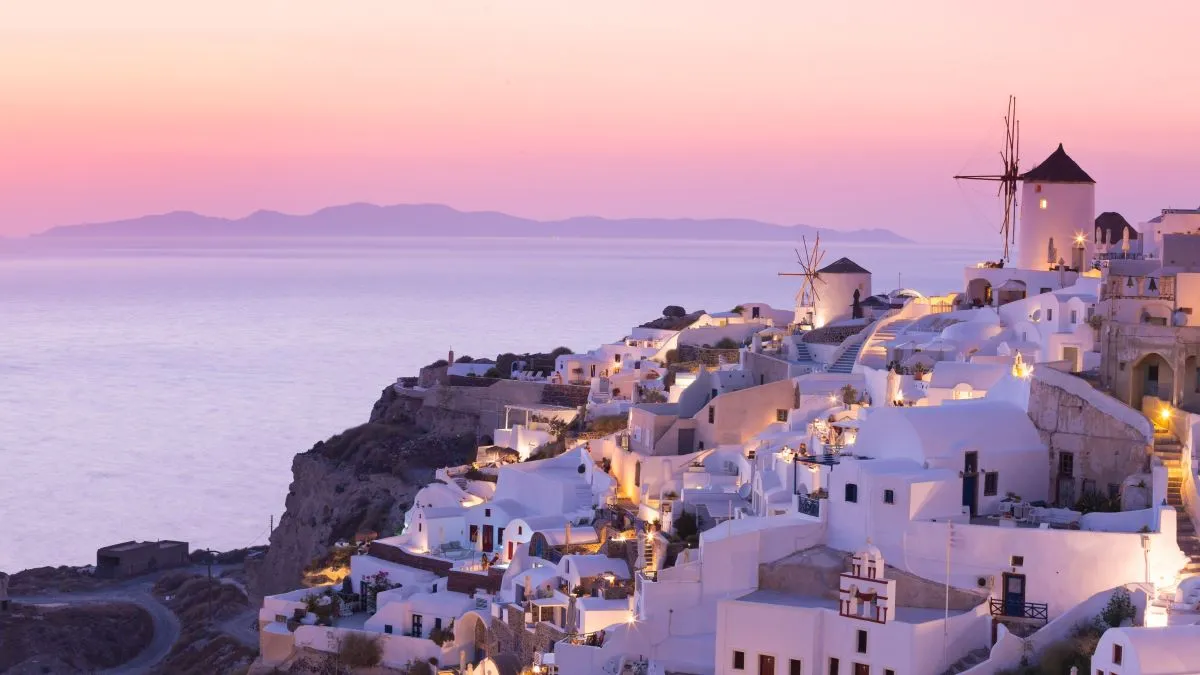
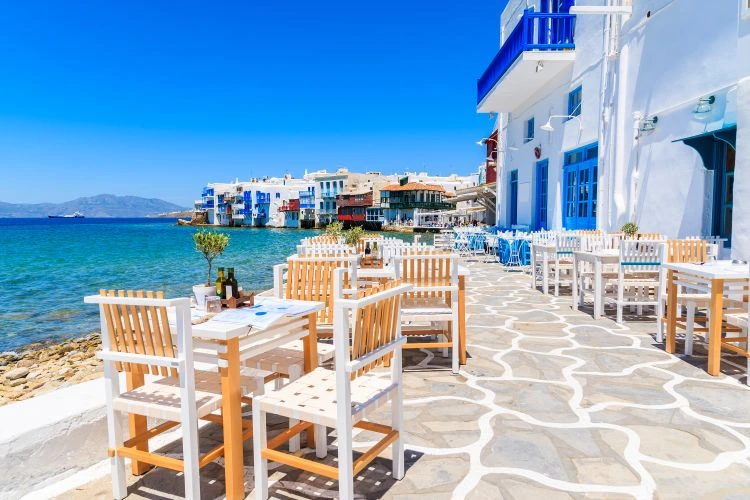
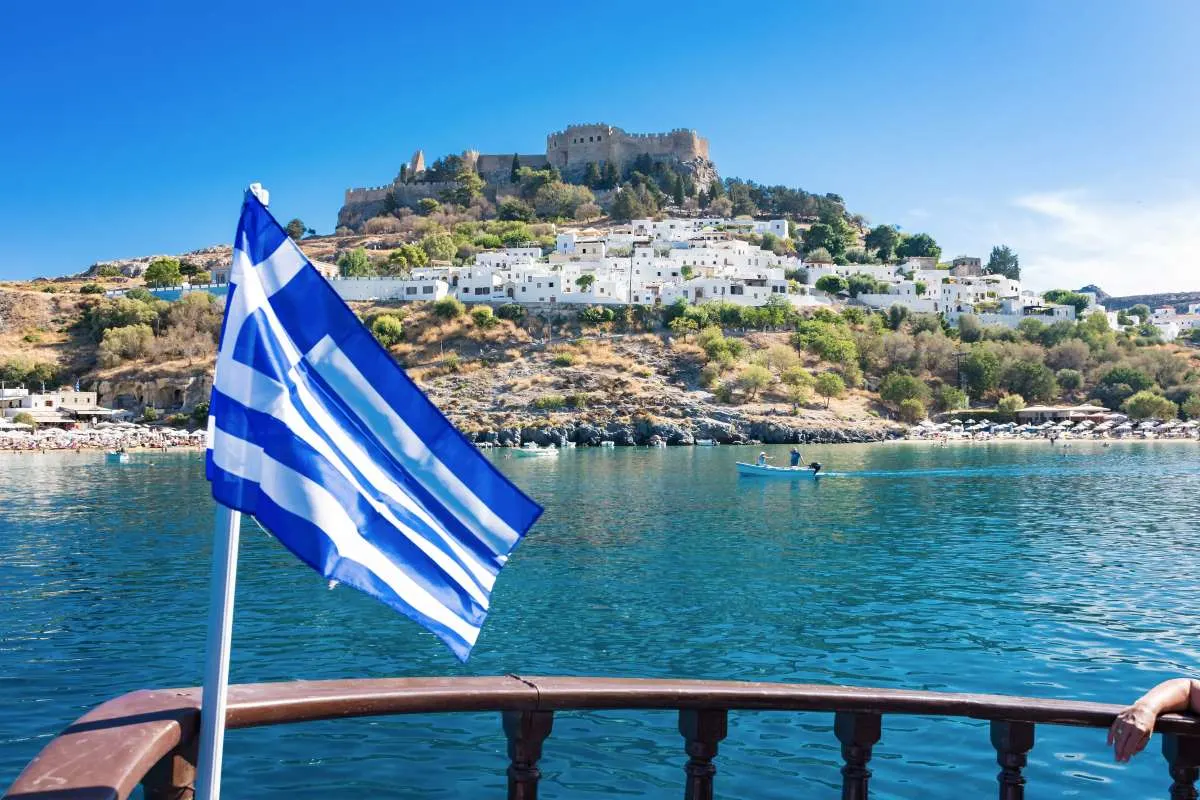
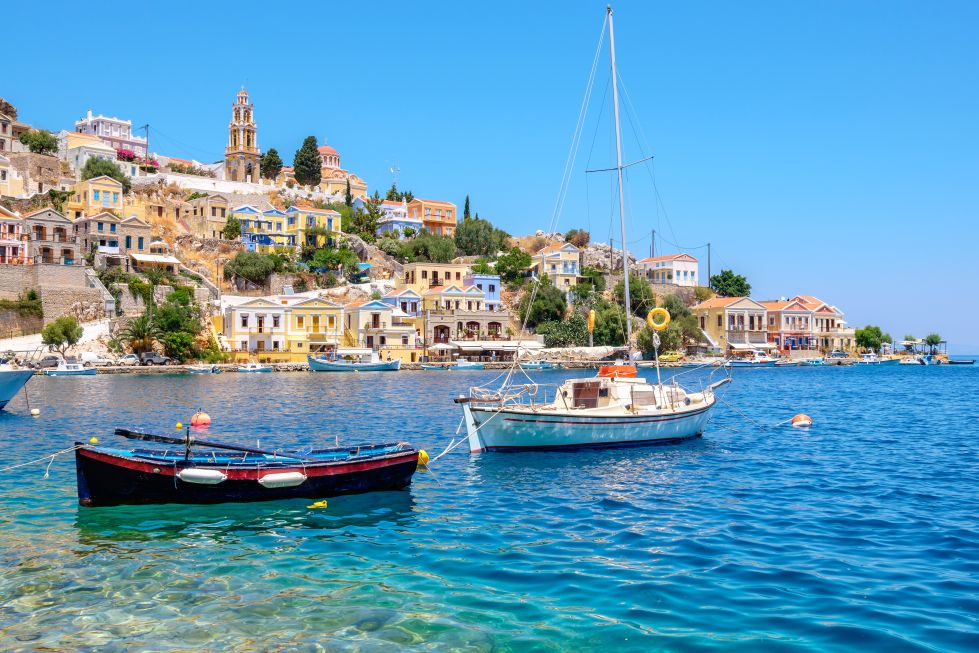
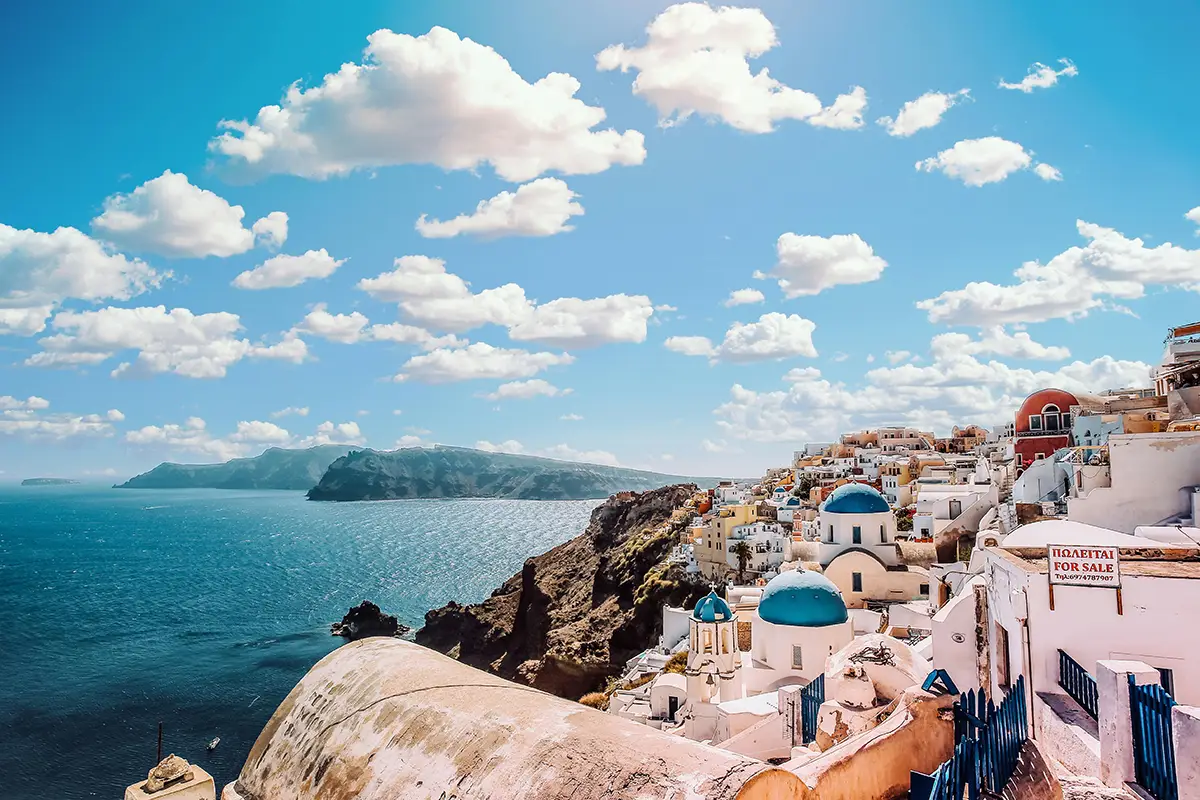
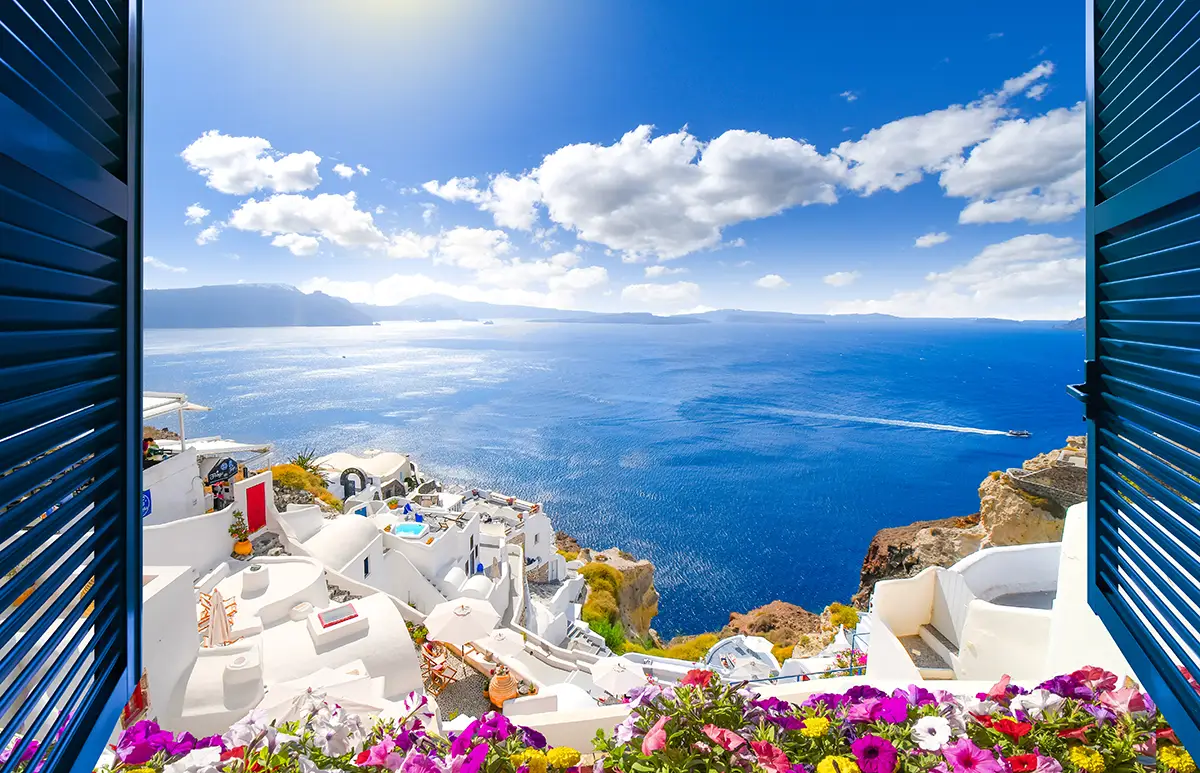
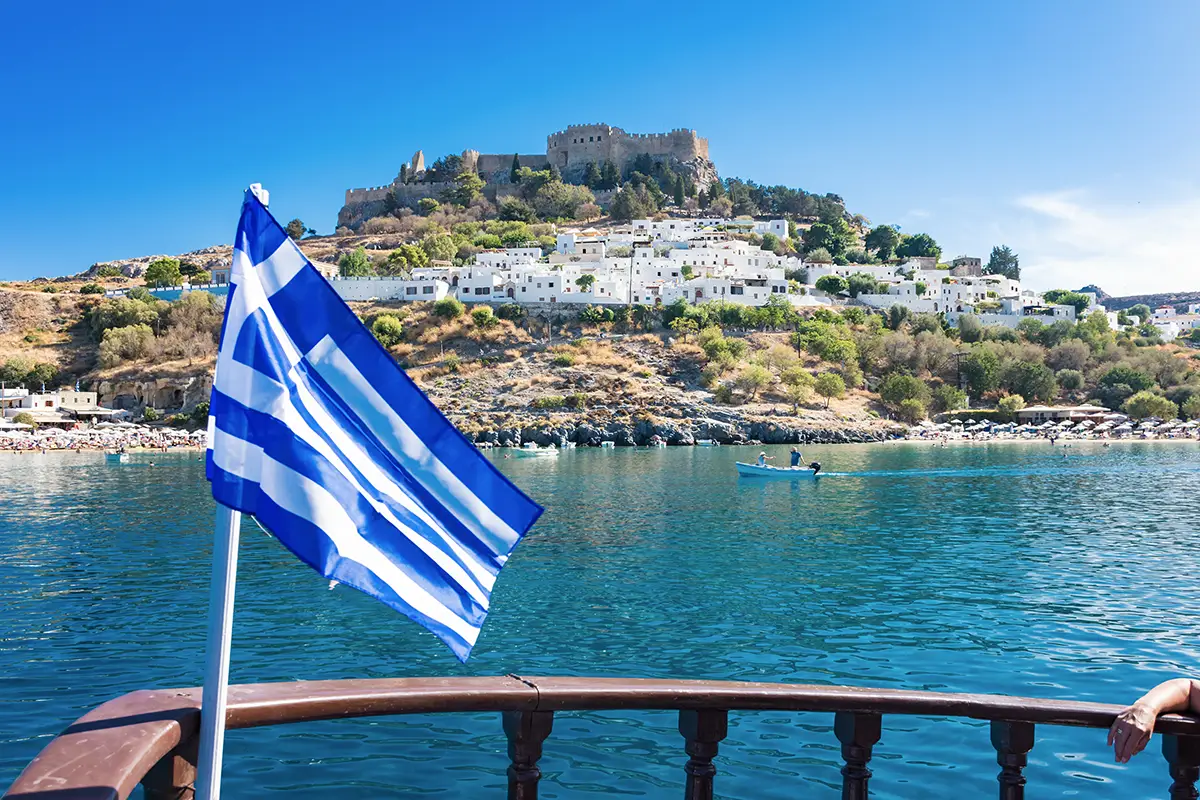
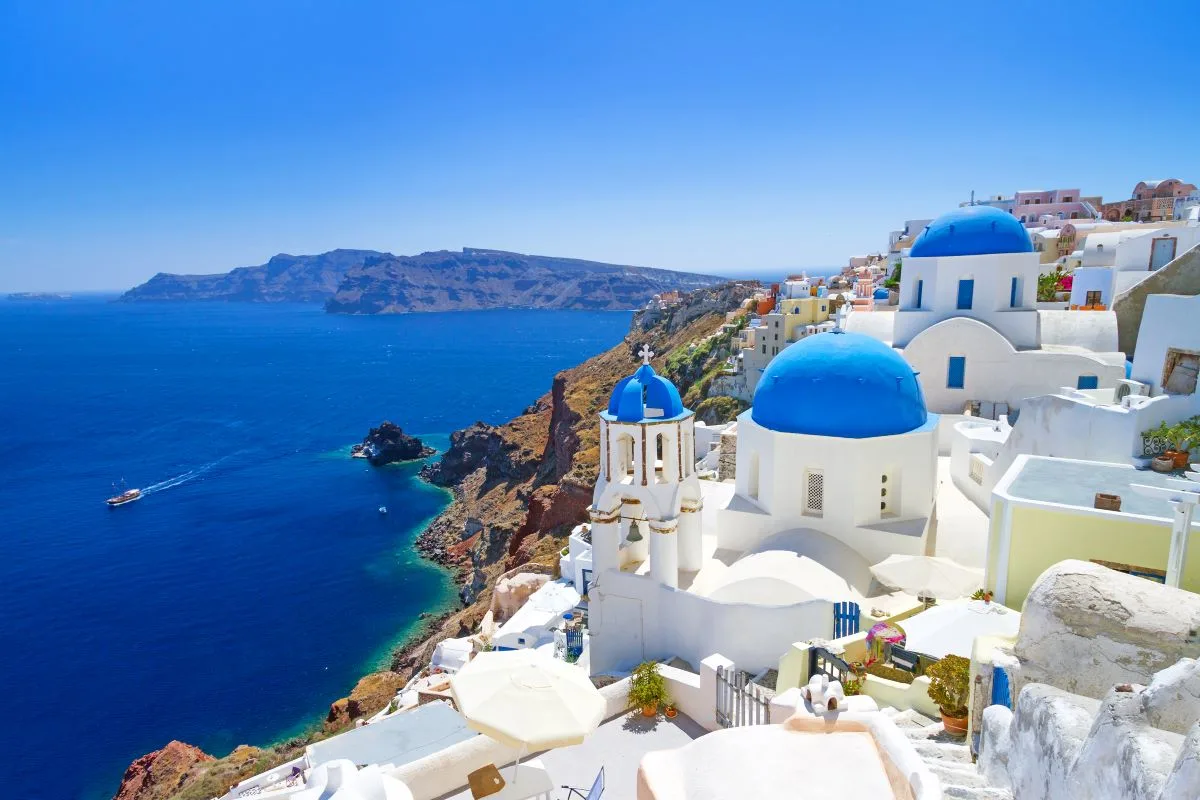
The South Aegean includes the Cyclades and Dodecanese island groups, home to destinations such as Santorini, Mykonos, and Rhodes.
These are some of the most popular Greek islands among visitors, with strong tourism infrastructure including transport connections, accommodation, restaurants, and activities.
This region is highly tourism-driven, with premium real estate markets and strong short-term rental potential, particularly in the most internationally recognized destinations.
North Aegean
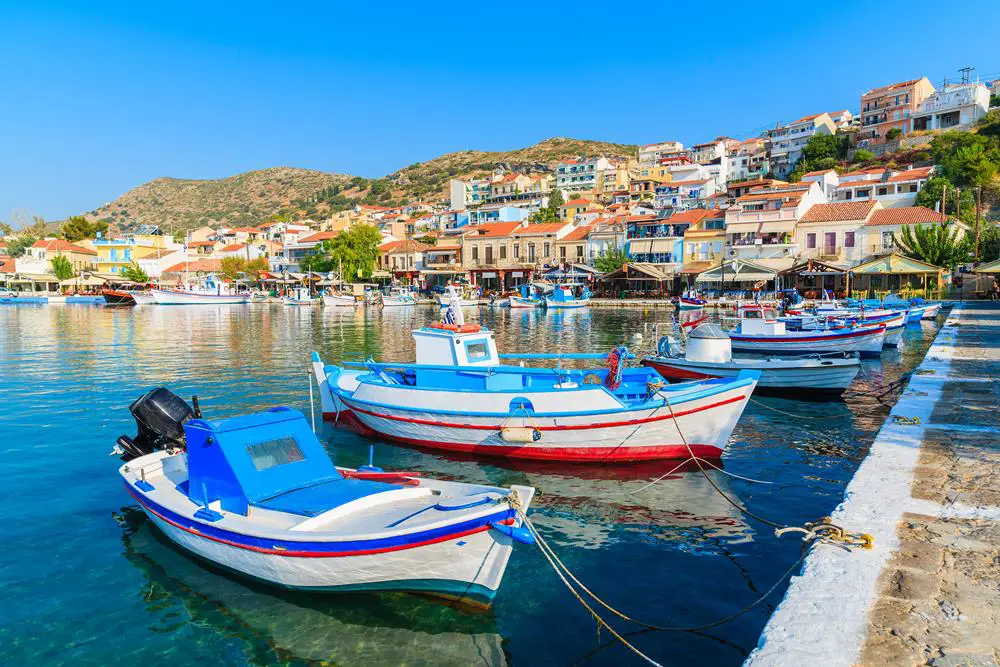
The North Aegean includes islands such as Lesvos and Chios. These islands are less commercialized and developed and as a result retain a strong local identity.
With fewer transport connections, mostly by sea to the capital of Mytilene, the number of tourists visiting these islands is lower, but they are still rich in natural beauty and cultural value.
They appeal to buyers prioritizing authenticity, affordability, and a quieter pace of island life.
Central Greece
Central Greece surrounds Attica and includes historic towns, industrial zones, and mountainous areas. Its proximity to Athens makes it attractive for commuters, logistics-related investment, and buyers seeking access to the capital without city-center prices.
Western Greece
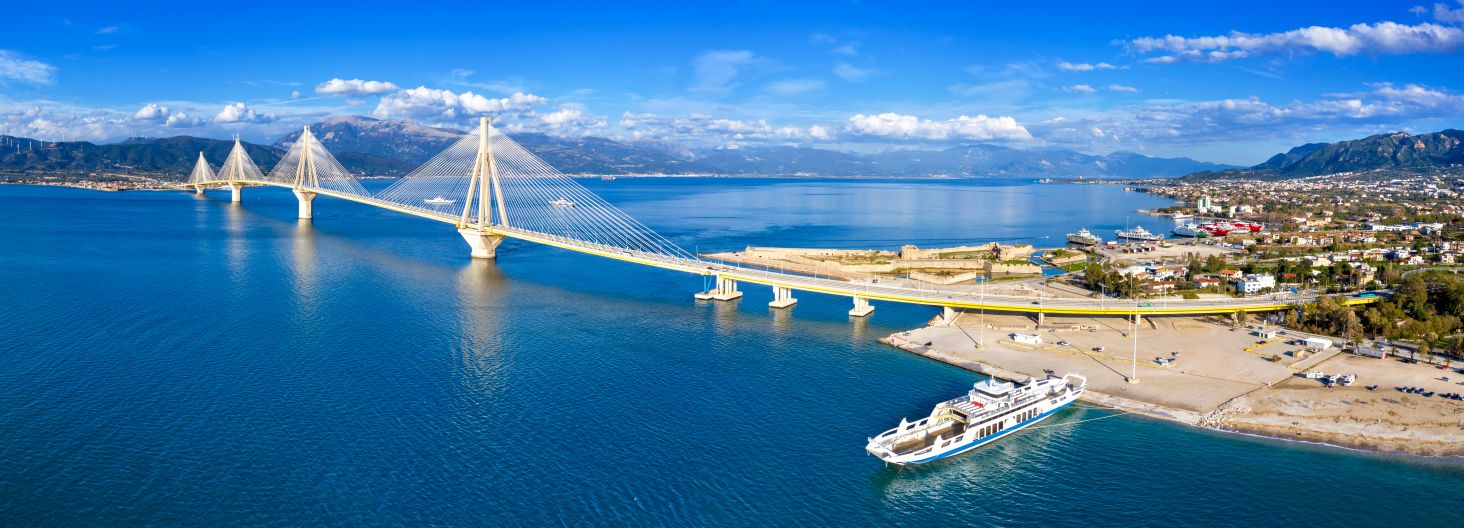
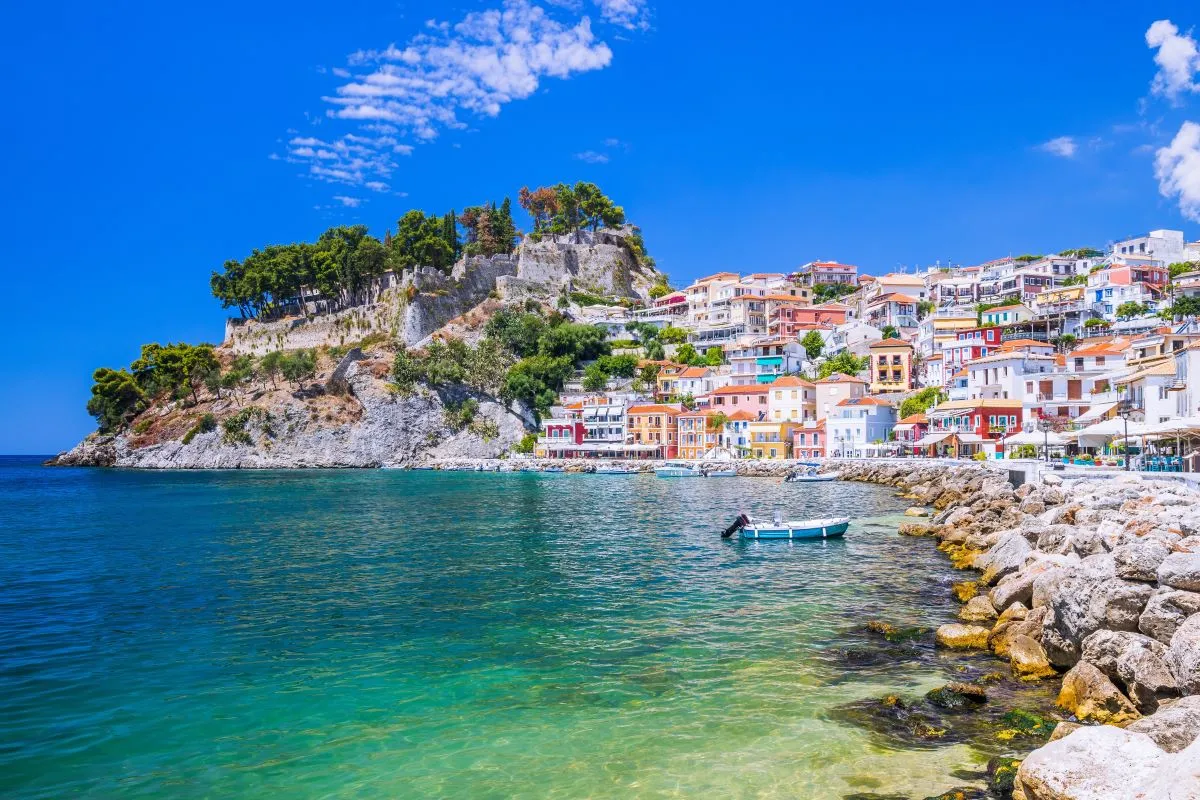
Western Greece includes coastal areas of Continental Greece and the Peloponnese peninsula along the Ionian Sea.
Not a traditional tourist area, Western Greece is a good place to see everyday Greek life and traditional culture, as well as experience Greece's ancient cultural heritage and natural beauty, such as the largest natural lake in Greece, Lake Trichonida.
Its capital, Patras, is the third-largest city in Greece and serves as the region's main transport and education hub.
The region offers affordability and growing interest from buyers seeking value outside heavily touristed markets.
Ionian Islands
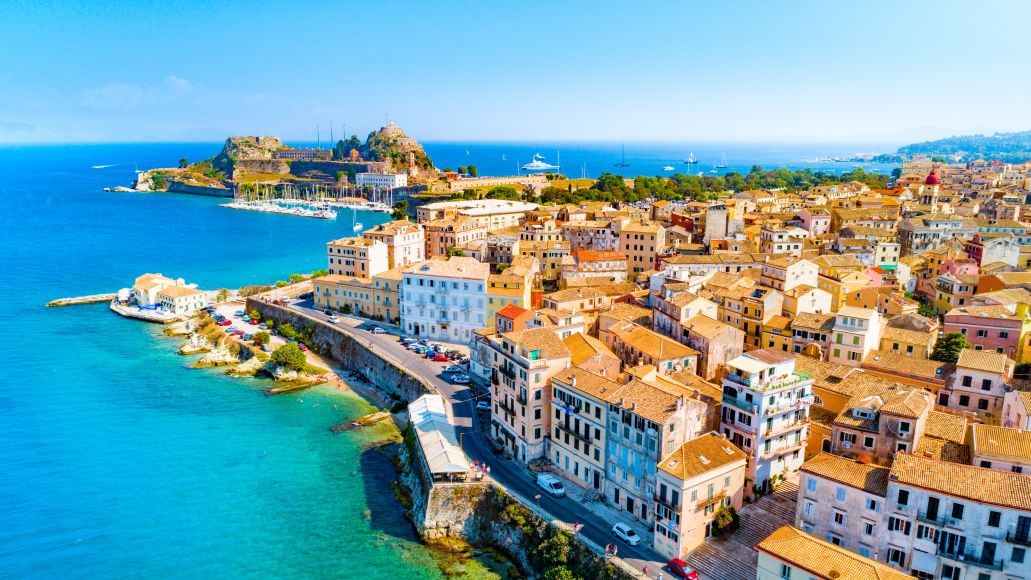
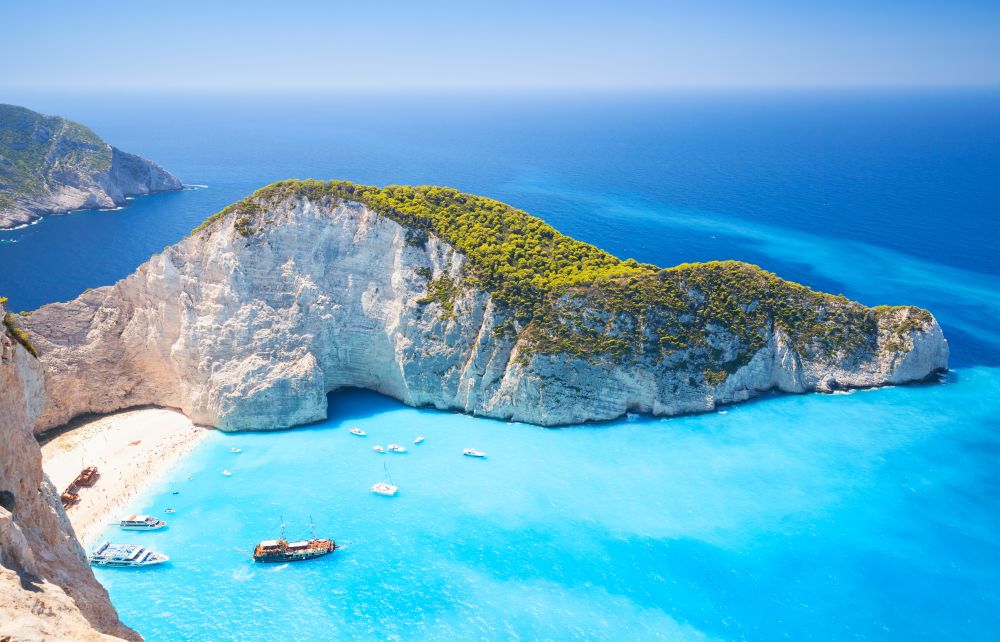
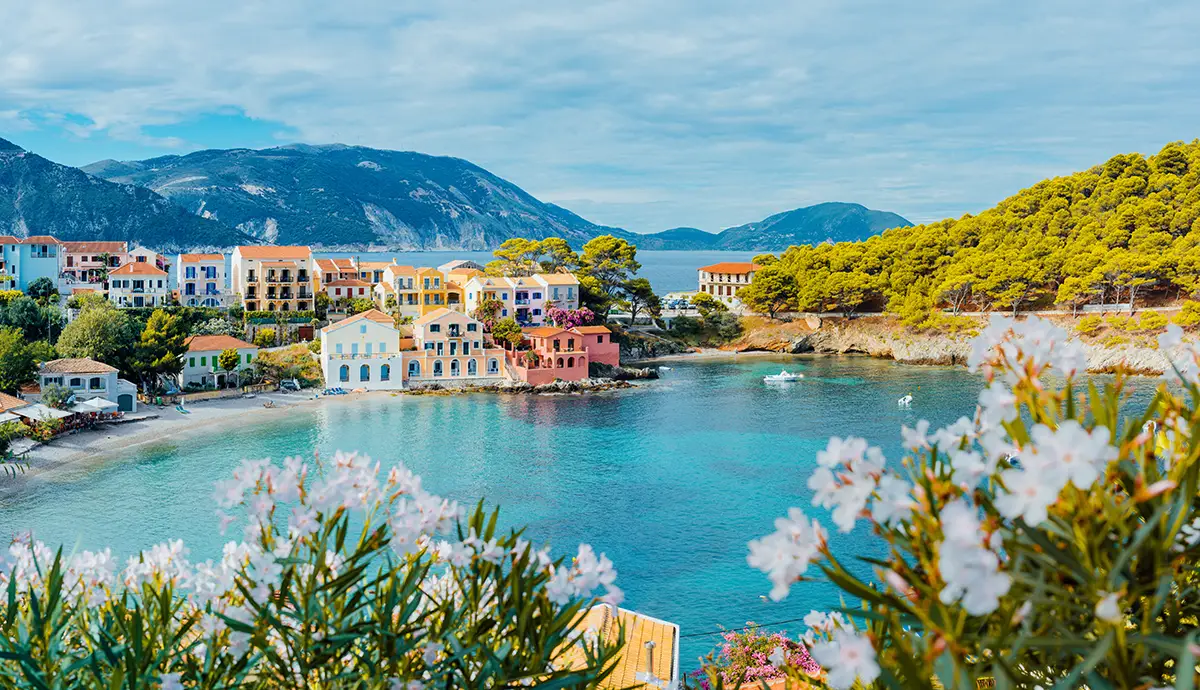
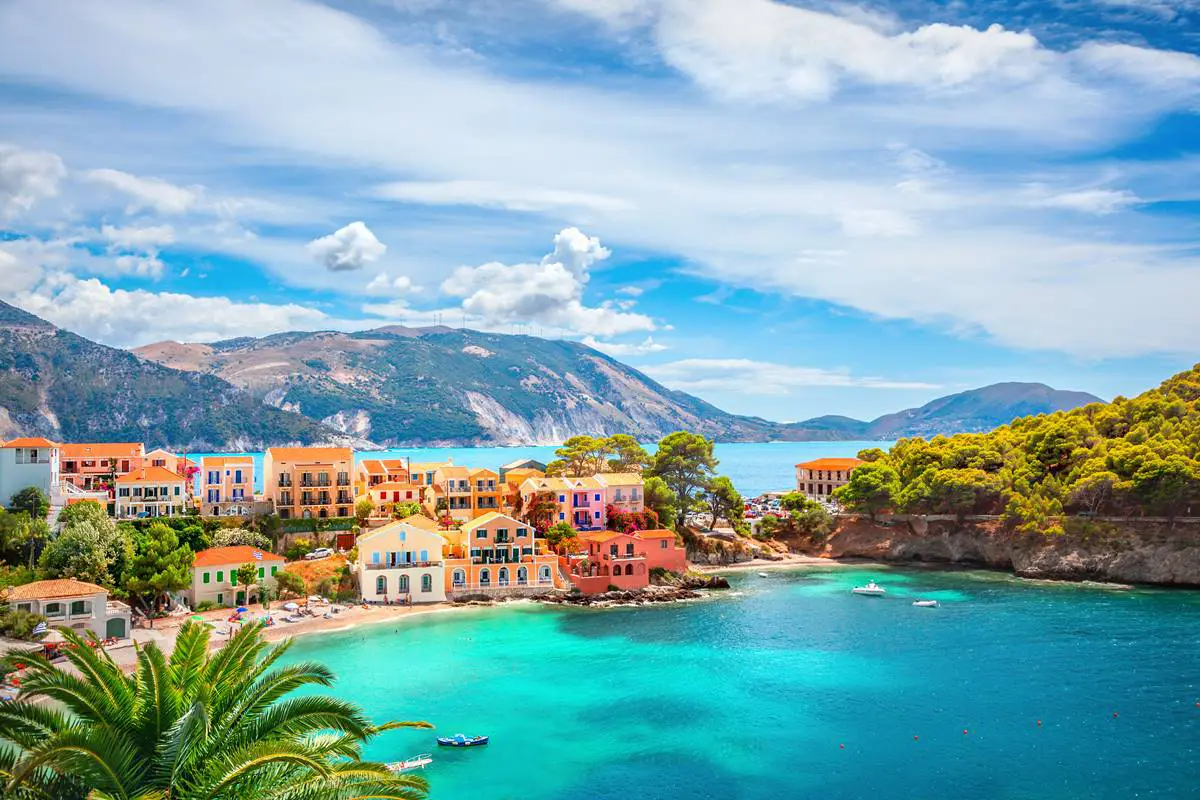
The Ionian Islands, including Corfu and Kefalonia, are known for lush landscapes and a strong international presence.
Featuring seaside towns full of historic charm and some of the world's most beautiful beaches, the Ionian Islands are a captivating destination and attract large numbers of visitors every year.
These islands are also popular with foreign buyers seeking second homes and seasonal rental income, particularly in locations with international airports. Prices can be high, but so is demand.
Thessaly
Thessaly combines fertile plains, mountainous terrain, and access to the Aegean Sea.
It includes important agricultural areas and cities such as Larissa as well as the iconic mountain monasteries of Meteora, perched on enormous stone pillars.
With moderate property prices and solid transport connections, Thessaly suits families, long-term residents, and buyers interested in mainland Greece.
Choosing the Right Region for You
Each Greek region offers a distinct way of life. Some are fast-paced and international, while others are quiet and deeply traditional. The right choice depends on your goals, whether that is residency, rental income, long-term appreciation, or an improved quality of life.
Greece’s regional diversity is one of its greatest strengths. Understanding where lifestyle, infrastructure, and opportunity intersect can make all the difference in turning a property purchase into a successful relocation or investment.
Contact us today to find out more about how to make one of Greece's regions your home, or browse our properties for sale in Greece to find your dream house.
-
Who Are Greece’s Golden Visa Investors in 2026?
The latest official data shows who is driving demand for the Greece Golden Visa in 2026, how the investor mix...