


Understanding the Greek Property Market
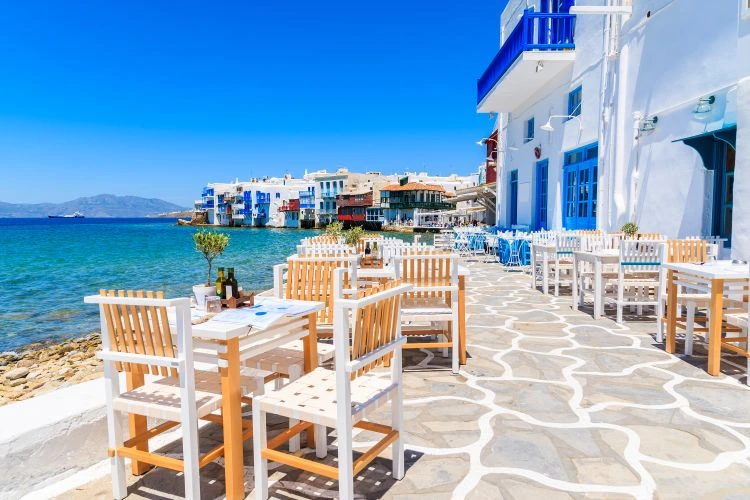
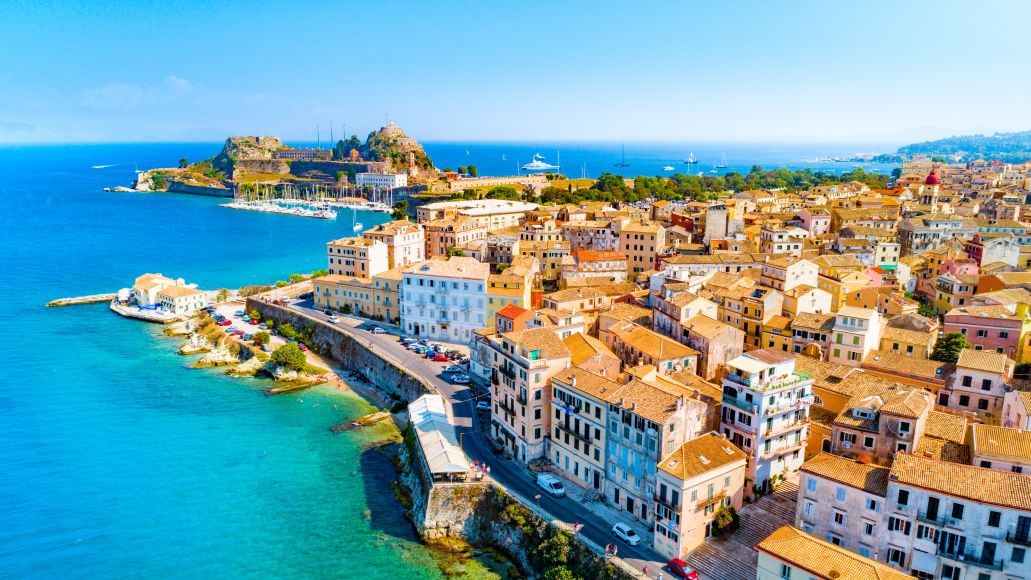
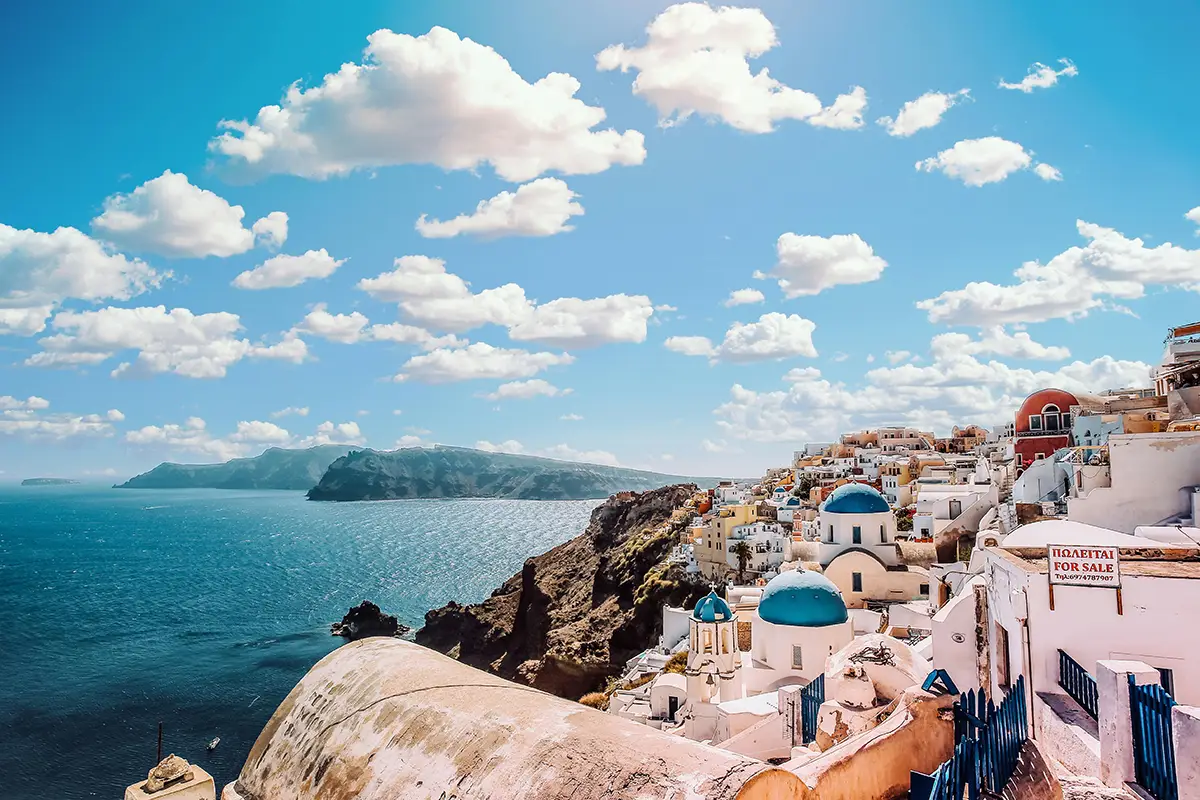
Over the past few years, Greece has seen renewed interest from international buyers, particularly in lifestyle locations like Athens, the islands, and coastal regions.
The demand has supported property values and created favorable conditions for sellers.
One of the most attractive aspects of selling in 2026 is the current tax environment, which is advantageous for individuals conducting private sales.
Selling Property in Greece: The Process
Selling property in Greece follows a structured legal process.
While it may feel document-heavy, it is generally efficient when handled by the right professionals.
Requesting Professional Assistance
While not legally mandatory for all transactions, making use of the support of independent professionals simplifies the process and helps in protecting your investment, navigating complex bureaucracy, and managing language barriers.
At Investment Visa, our real estate professionals are equipped to help you every step of the way.
Contact us by filling out the form below and one of our advisors will reach out to you as soon as possible.
In most cases, sellers will work with:
- A real estate agent to market the property.
- A lawyer to handle legal due diligence.
- A notary to formalize the transaction.
While not mandatory in every case, having a lawyer is strongly recommended to avoid delays or complications.
Assessing the Property
Before listing your property, make sure that:
- The property is fully legal and compliant with regulations.
- Any unauthorized constructions have been declared or regularized.
- You have all required documentation in place.
Buyers and their lawyers will usually carry out detailed checks, so preparation and diligence is key.
Gathering the Required Documents
To proceed with a sale, you usually need:
- Title Deed.
- ENFIA Certificate (proof of property tax payment).
- Tax Clearance Certificate.
- Energy Performance Certificate.
- Building Legality Permits.
- When the property is a product of inheritance or donation, a certificate stating that there is no tax owed needs to be issued by the respective Tax Authority
Other documents can be requested to confirm ownership, tax compliance, and the legal status of the property.
Signing the Preliminary Agreement
Once a buyer is found, both parties may sign a preliminary agreement and a deposit is usually paid.
This stage secures the transaction while final checks are completed.

Final Contract and Completion
The final sale contract is signed before a notary. Ownership is then officially transferred and registered with the Land Registry or Cadastre.
At this point, the buyer pays the remaining balance and the transaction is completed.
Selling Property in Greece: Costs and Taxes
Costs
As a seller, you should expect several associated costs. These can vary, but generally include:
- Estate agent fees.
- Legal fees.
- Notary fees.
- Land Registry fees.
- Energy Performance Certificate
Overall transaction costs in Greece are considered moderate compared to many other European markets.
Taxes
This is where Greece becomes particularly attractive for sellers right now.
Capital Gains Tax: Currently Suspended
- Although Greece has a capital gains tax of 15% on property profits in theory, it is suspended for individuals until 31 December 2026.
- This means that, in most standard private sales, you will not pay tax on the profit from your sale.
- This applies to both residents and non-residents.
- This suspension has been extended multiple times and remains one of the key incentives for property investors.
Transfer Tax (Paid by the Buyer)
- The buyer is responsible for property transfer tax, which is approximately 3.09% of the property's value.
- This is important because it keeps seller-side tax exposure relatively low.
VAT on New Properties
- For newly built properties, VAT is typically 24%.
- However, this has also been suspended until the end of 2026 in many cases, requiring buyers to pay transfer tax instead.
Other Considerations
Depending on your circumstances, it may be important to keep the following in mind:
- If the sale is considered a business activity, different tax rules may apply.
- Corporate sellers are taxed differently, with profits subject to corporate tax.
- You must still declare the sale in your annual tax return.
As always, professional tax advice is recommended to understand each specific situation.
Why Sell Your Greek Property in 2026
With capital gains tax suspended and international demand remaining strong, reflected in Greece's continually growing house prices, 2026 presents a particularly favourable window for sellers.
For many owners, this means:
- Maximising profit without additional taxation.
- Accessing a wide pool of international buyers.
- Completing transactions within a well-established legal framework.
Sell Your Property with Investment Visa
If you're thinking about selling a property in Greece, you'll be glad to hear that the process combines a structured legal framework with a favourable tax environment.
While the paperwork may seem extensive at first, the system is designed to protect both buyers and sellers and ensure transparency throughout the transaction.
Selling property in Greece is relatively straightforward with the right preparation and support.
Here are a few practical tips that can make all the difference:
- Ensure all paperwork is complete before listing.
- Work with experienced legal and real estate professionals.
- Be realistic with pricing based on market conditions.
- Factor in timelines for document collection and legal checks.
With the right preparation and professional guidance, selling your Greek property can be a smooth and rewarding experience.
At Investment Visa, we handle every stage of the process on your behalf, from .
For further information, please get in touch with one of our experts.
We are dedicated to achieving the best outcomes and continuously seeking innovative and unique solutions.
Schedule a Meeting-

Who Are Greece’s Golden Visa Investors in 2026?
The latest official data shows who is driving demand for the Greece Golden Visa in 2026, how the investor mix...