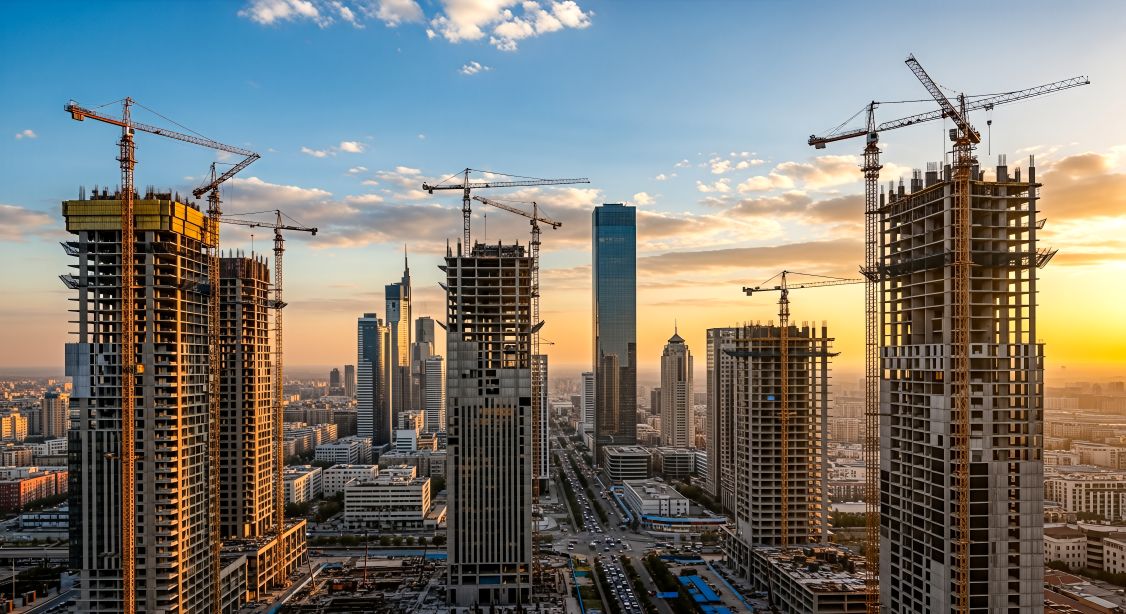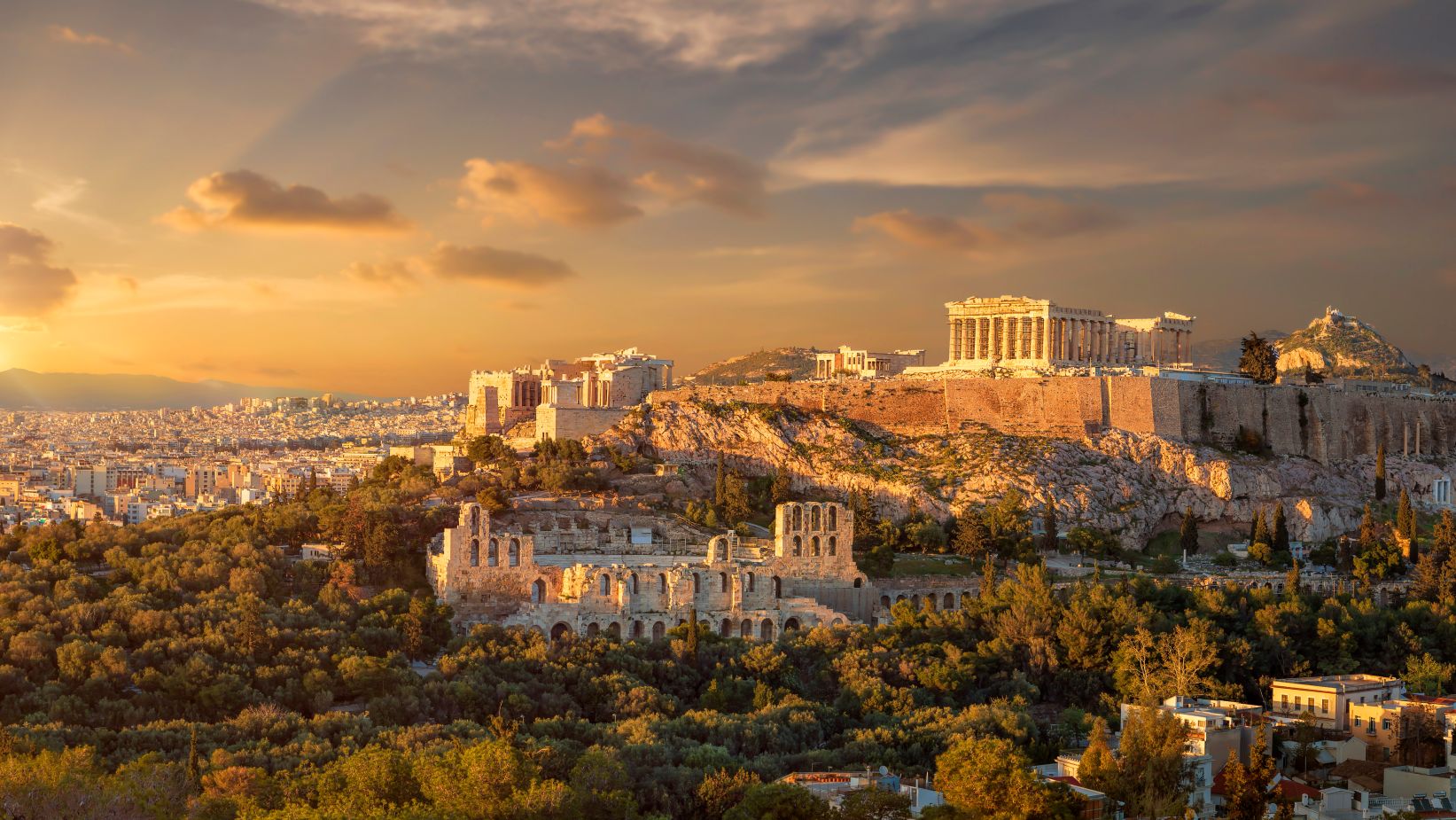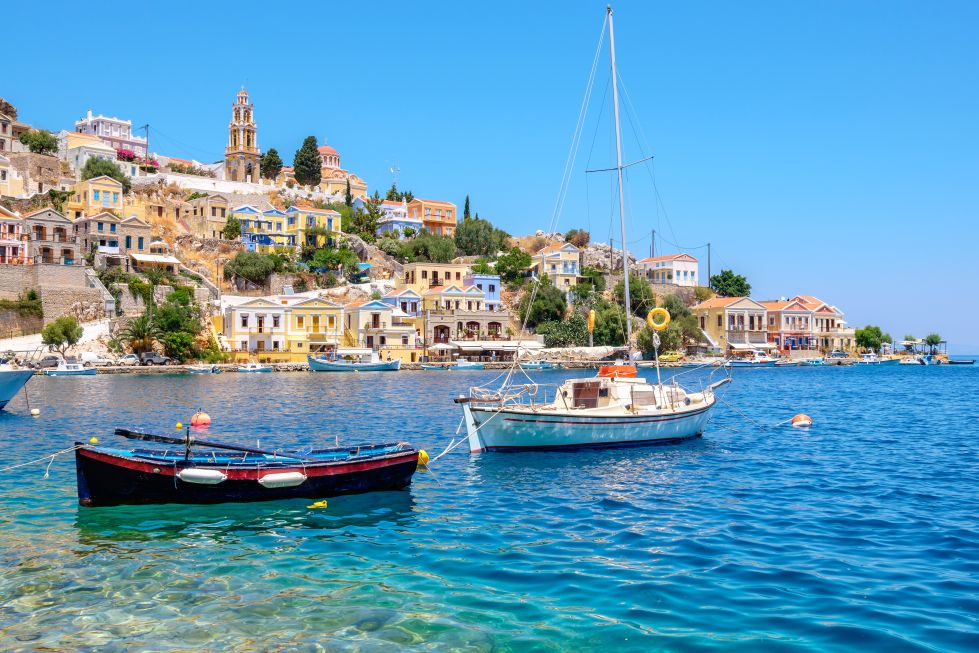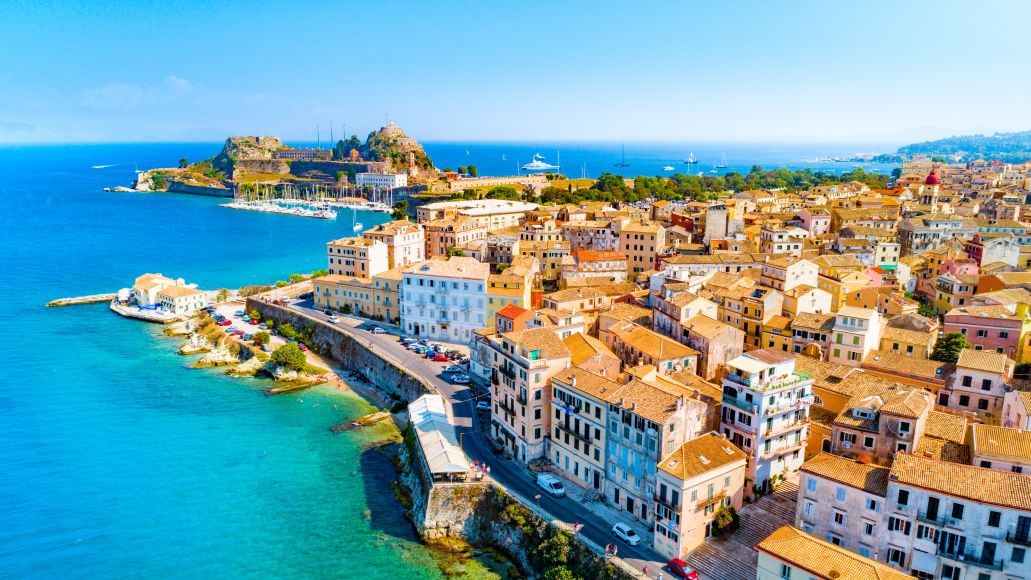


Greece's property market has seen strong price growth in recent years, driven by rising international demand and renewed investor interest.
But beneath this growth lies a more complex reality: much of the country's housing stock is older, insufficiently modernised, and often highly inefficient by today's energy standards.
Understanding these underlying conditions is key to explaining not only how people live in Greece today, but also why property values continue to rise despite clear structural limitations.
The Main Issues with Greek Housing Stock
1. Energy Efficiency
One of the most significant challenges facing Greek housing is energy performance, which is closely tied to both construction standards and infrastructure.
Heating
According to ELSTAT data (2023):
-
Only ~47% of homes use central heating.
-
~52% rely on individual or portable systems.
-
~1% have no heating at all.
This shows that inefficient heating solutions are commonplace in Greek households.

Insulation
According to the most recent census to provide specific information on insulation, 45.6% of conventional dwellings in Greece have no thermal insulation at all.
Among insulated homes, the most common measure is double glazing, rather than full wall or building insulation.
This data suggests that partial or inadequate energy upgrades are widespread, rather than comprehensive retrofitting, with the result that a large share of Greek homes are expensive to heat and inefficient to run, directly impacting living conditions.
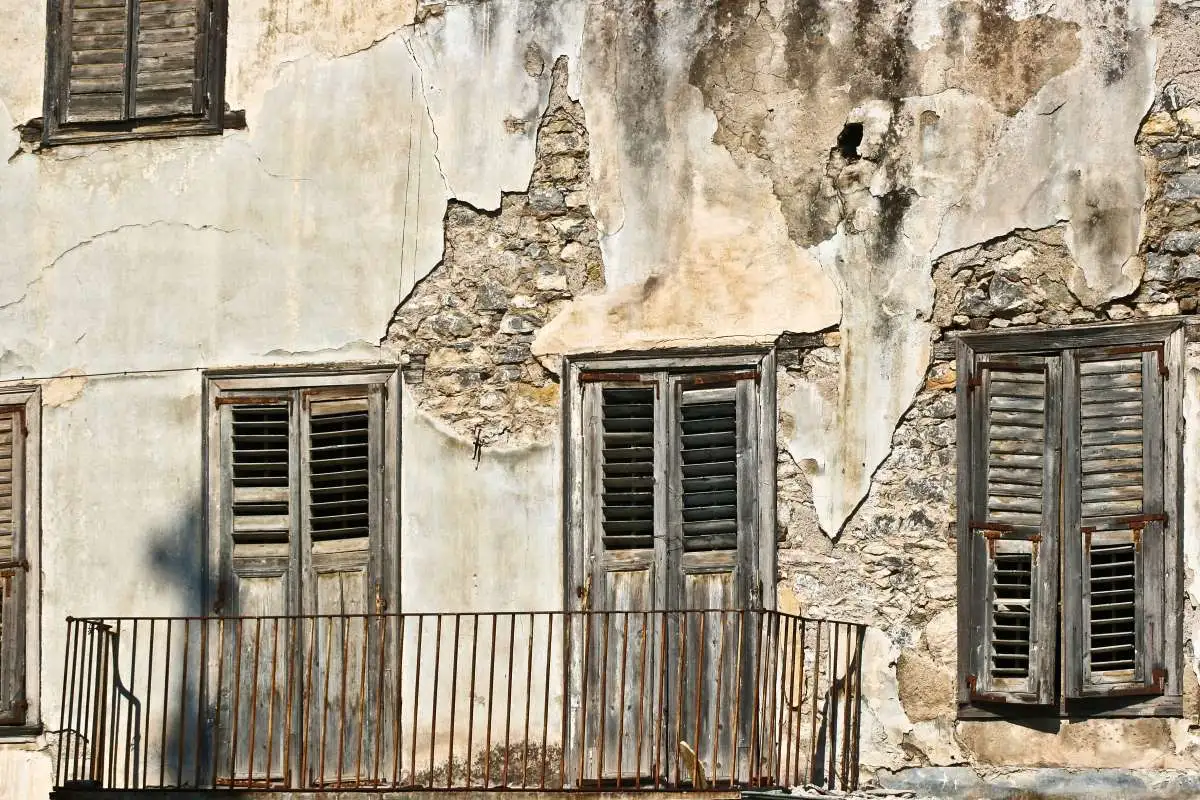
2. Structural & Housing Quality Issues
Housing issues in Greece are not typically about structural safety but about quality and habitability.
According to EU housing data, ~18% of individuals experience housing deprivation. This is defined as living in a house with one or more of the following:
-
Leaking roof.
-
Damp walls, floors or foundations.
-
Rot in window frames or flooring.
-
Lack of basic facilities (bath, toilet).
-
Insufficient natural light.
Many homes remain functionally outdated, with issues that affect comfort and long-term usability.
3. Property Age
The age of Greece's housing stock is a central factor driving many of these issues.
According to the same census:
-
~22–25% of homes were built between 1971 and 1980.
-
More than half of all homes in Greece were built before 1980.
This predates modern energy efficiency standards, insulation requirements, and building performance expectations.
The first mandatory standard for energy efficiency in Greece was introduced in 1979. Homes built before then were not required to include any energy efficiency measures, and as a result most lack insulation of any kind.
Much of the housing stock available in Greece still reflects these older construction practices, as limited renovation has taken place due in part to the financial conditions created by the effects of the economic crisis.
Why Prices Are Still Rising Despite These Issues
Despite clear limitations in the housing stock, property prices continue to increase.
This is not a contradiction but a consequence of the imbalance between the strong and growing demand for modern, efficient homes and their limited supply.
This is the most important driver of current market dynamics.
Housing supply remains constrained, particularly for properties that are:
-
Modern.
-
Energy-efficient.
-
Well-located.
A key factor is that construction activity has not fully recovered from the financial crisis and faces ongoing cost and regulatory pressures.
At the same time, demand for Greek real estate has increased due to:
-
International buyers.
-
The Golden Visa program.
-
Tourism and short-term rental growth.
The shortage of quality housing means that the increasing demand is going unmet. As a result, the Greek real estate market has witnessed major price increases over the last few years.
Is Greek Real Estate Still a Worthwhile Investment?
Yes, as long as you approach these investment opportunities selectively.
The current market shows a clear divide in terms of the properties on offer:
-
Older, inefficient stock which is abundant but often requires upgrades
-
Modern, high-spec properties are scarce and in high demand, resulting in higher costs but stronger long-term potential
For investors, the opportunity lies in accessing or creating higher-quality assets within a constrained supply environment.
Where the Opportunity Lies
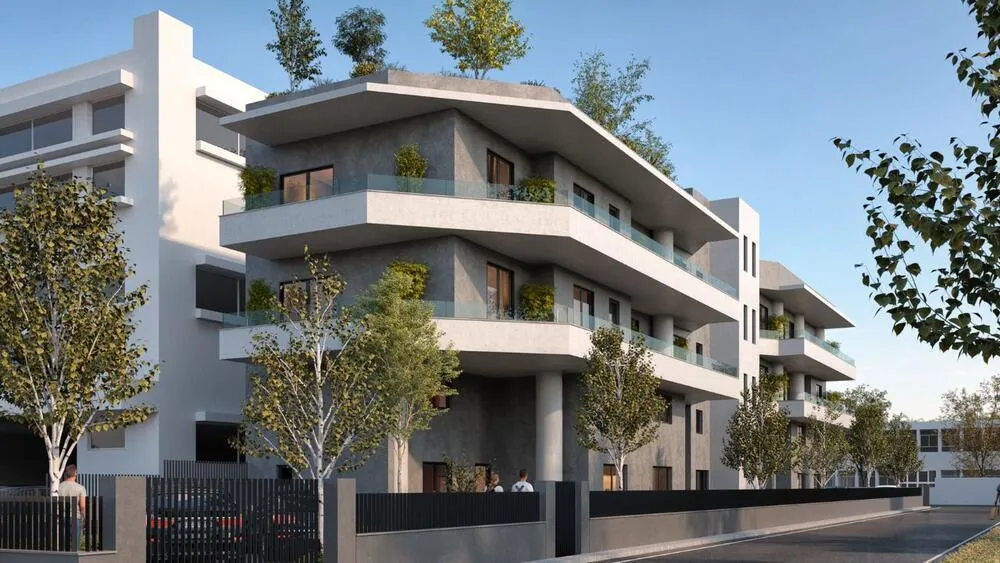
One of the clearest responses to these challenges is the emergence of fully renovated developments.
Of particular note are those targeting the Greece Golden Visa €250,000 investment route, which requires investors to purchase either properties that have been converted from existing commercial space or listed buildings that have been refurbished.
These properties typically offer:
-
Modern construction standards, with high-quality aesthetics and finishes that help properties gain and retain value.
-
Efficient heating systems, including electric systems and heat pumps.
-
Proper insulation that often comprises multiple wall layers and triple-glazed windows.
-
Improved energy performance as a result of these measures, with most developments complying with the most stringent modern standards.
At the same time, these developments often revitalise underutilised or outdated parts of the existing building stock.
While this is not a measure that will fix the issues with the Greek real estate market and housing stock by itself, it does offer a direction for future development and a way to engage with the benefits offered by increasing values while evading the practical issues that plague many of the country's homes.
Conclusion
In Greece, poor housing conditions are rarely about structural failure. Instead, they reflect a broader pattern within the country's real estate market of under-modernised stock: homes that are often cold, inefficient, and costly to maintain.
A large portion of the housing stock was built before modern standards, and this legacy continues to shape living conditions today.
At the same time, the supply of high-quality housing remains limited, even as demand continues to grow, due to slow construction and renovation activity.
This imbalance between outdated housing stock and rising expectations from international buyers is a key reason why property prices have continued to grow in recent years, and why well-positioned investments in Greek real estate have performed so strongly.
All this is why modern, Golden Visa-oriented redevelopment projects hold so much appeal for international buyers.
The increasing supply of properties of this kind in some of the most popular hotspots for Greek property are driving a surge in interest from buyers across the globe.
If you want to find your own piece of Mediterranean paradise and secure European residency today, contact one of our expert advisors.
-

Family Homes in Athens
Explore family properties in Athens, from spacious city apartments to larger homes close to the coast, with options across a...