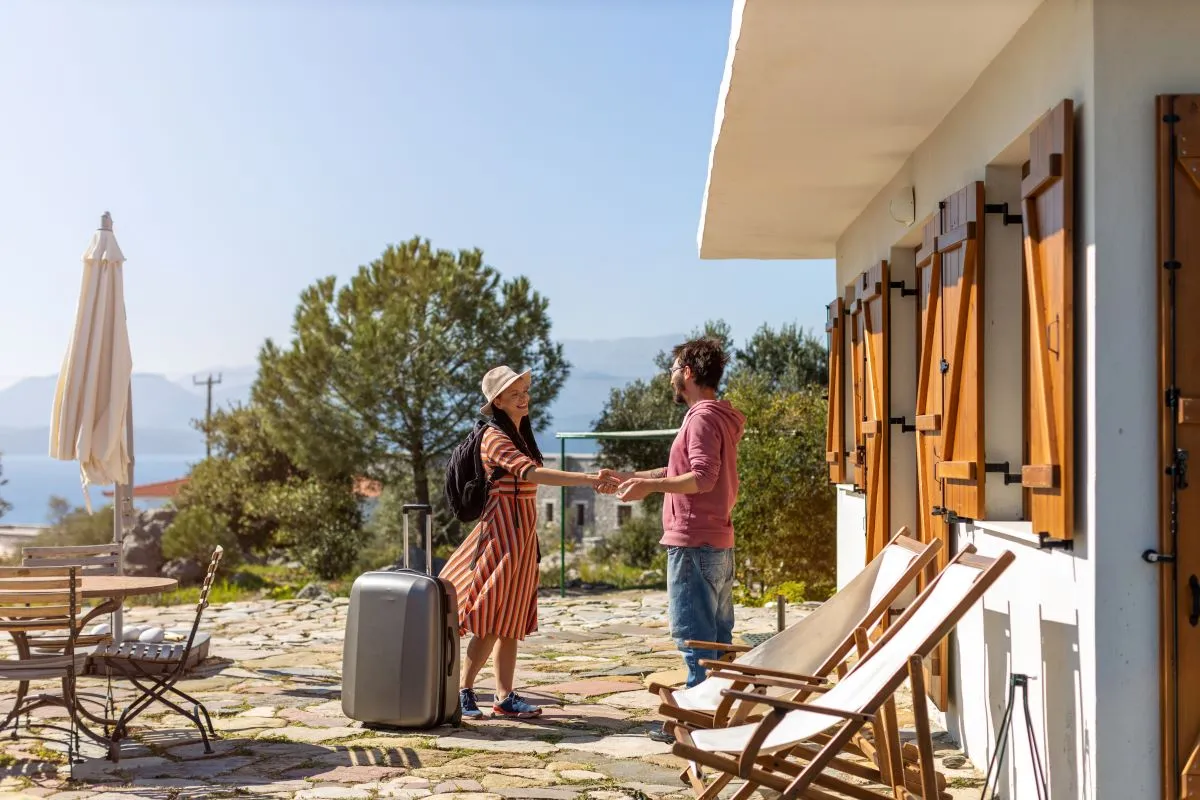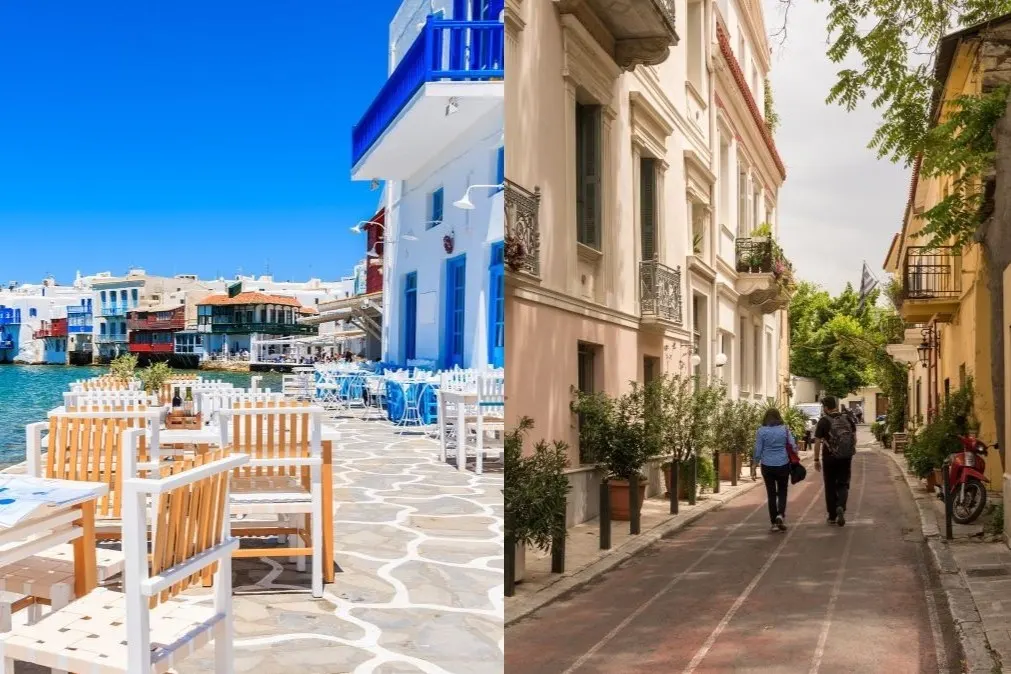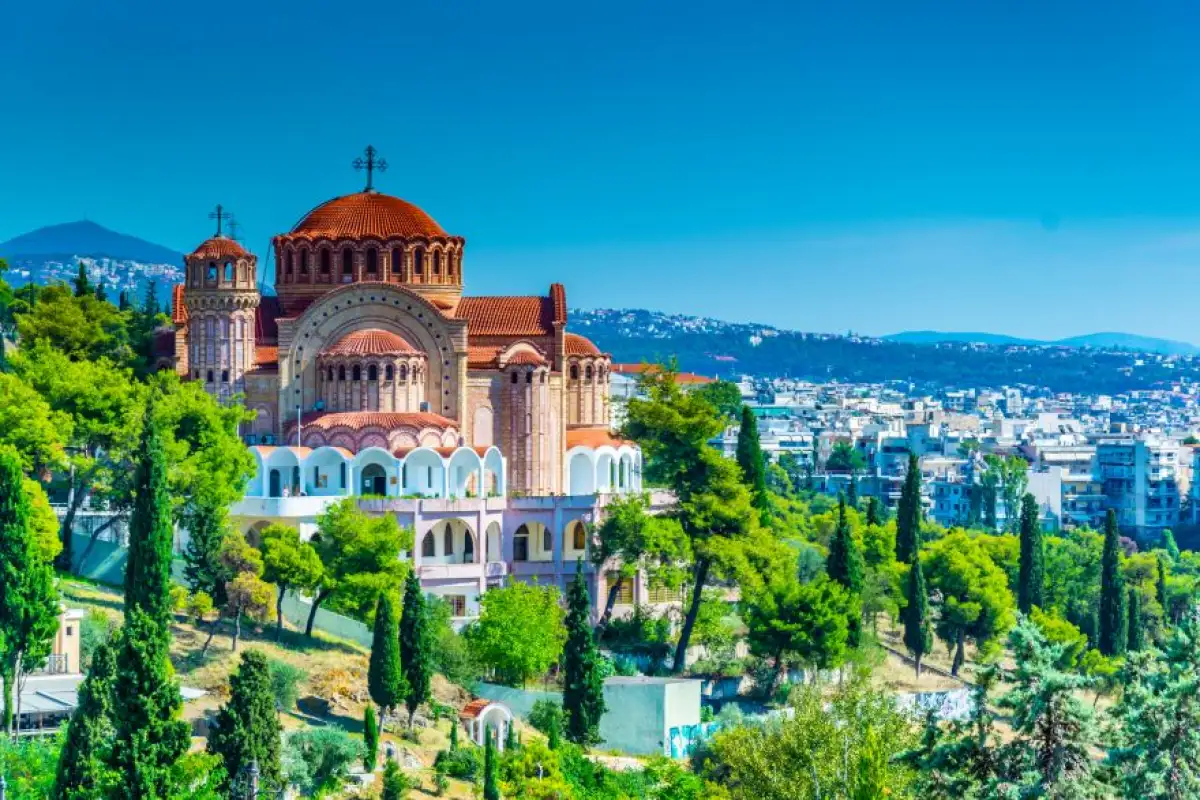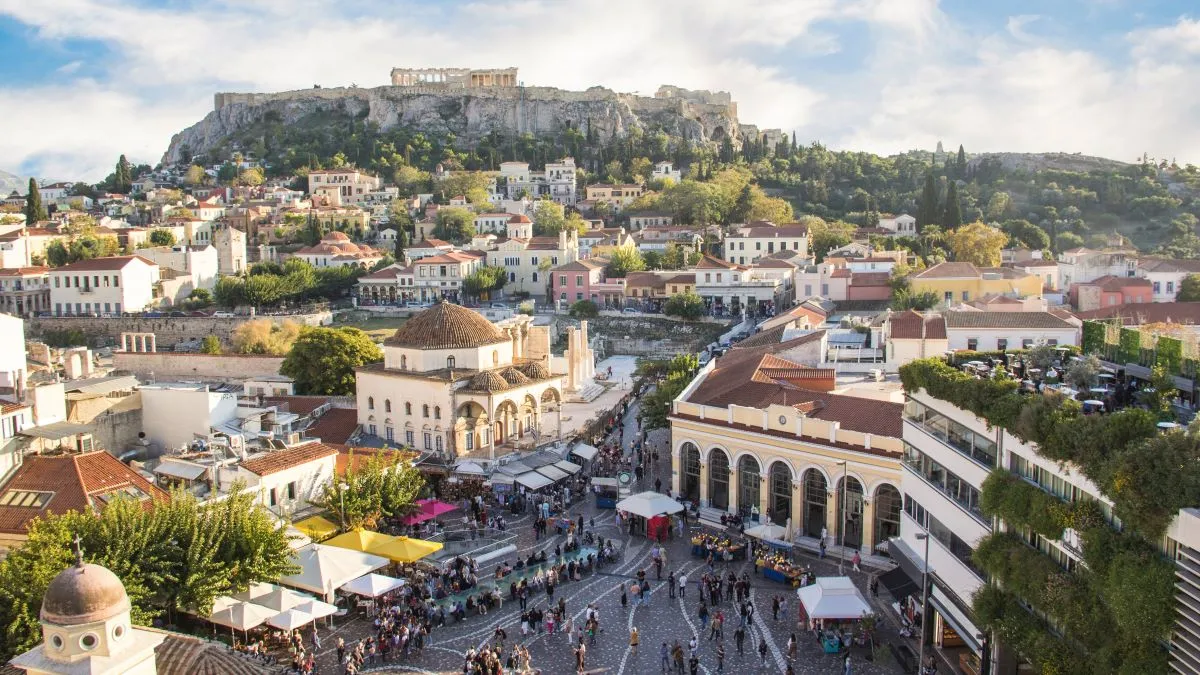



Over recent years, the Greek real estate market has undergone a period of significant growth, driven by increasing international interest in the country.
A major contributor to this trend has been the popularity of the Greece Golden Visa program, which allows investors to gain Greek residency and EU access through property investment.
However, for those considering purchasing property in Greece, having access to accurate and up-to-date market data is essential.
Based on data from the Bank of Greece and insights from leading real estate portals covering 2025 and early 2026, this report outlines the key trends shaping the Greek property market today.
Following the severe impact of the 2008–2017 economic crisis, Greece is now firmly in a post-crisis recovery and growth phase. Since 2018, housing prices have rebounded strongly and are now reaching historic highs, reflecting renewed confidence in the market.
While the explosive growth of recent years slowed slightly in 2025, the annual increase in property prices still significantly outpaced the EU average.
Average Greek Property Prices in 2026: Key Takeaways
Here are the most important insights from the latest available data:
- Average national house price: ~€1,720/m²
- Average national price growth (2025): ~7.7%
- House Price Index: 110.5 (Q4 2025)
- This is a record high, surpassing pre-crisis levels.
- This is a record high, surpassing pre-crisis levels.
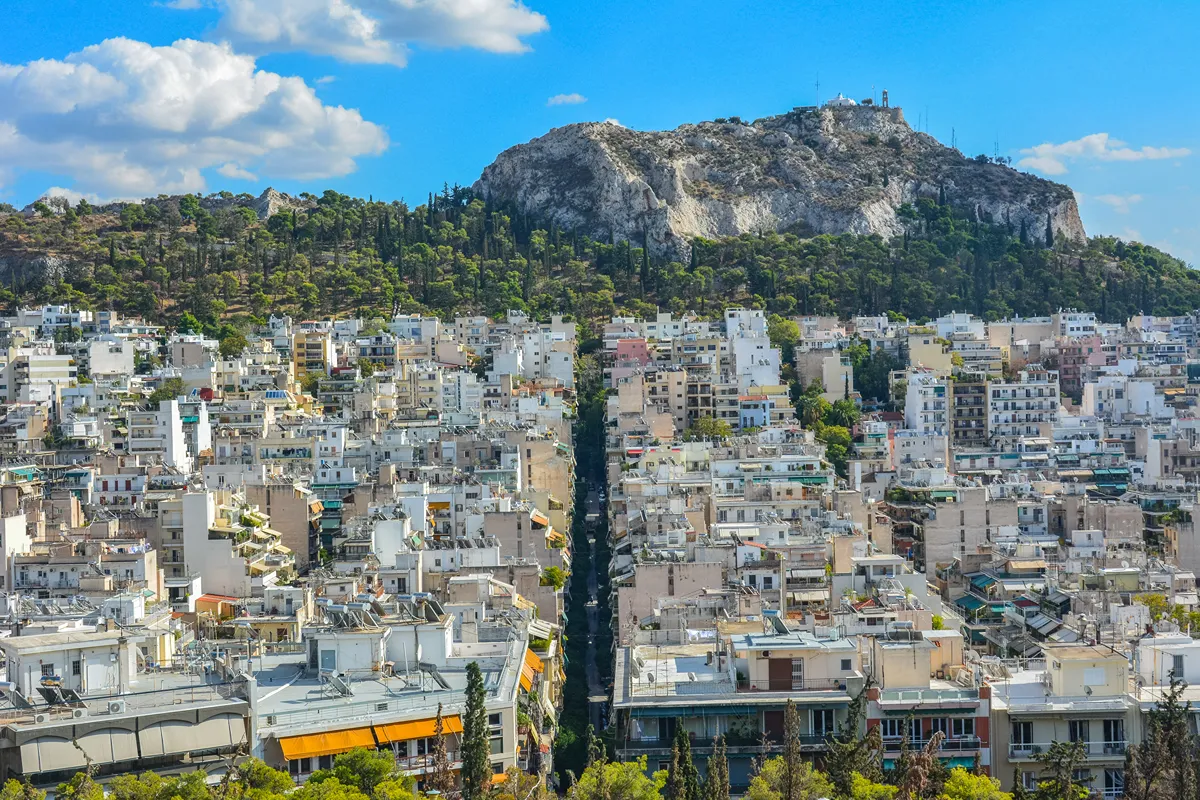
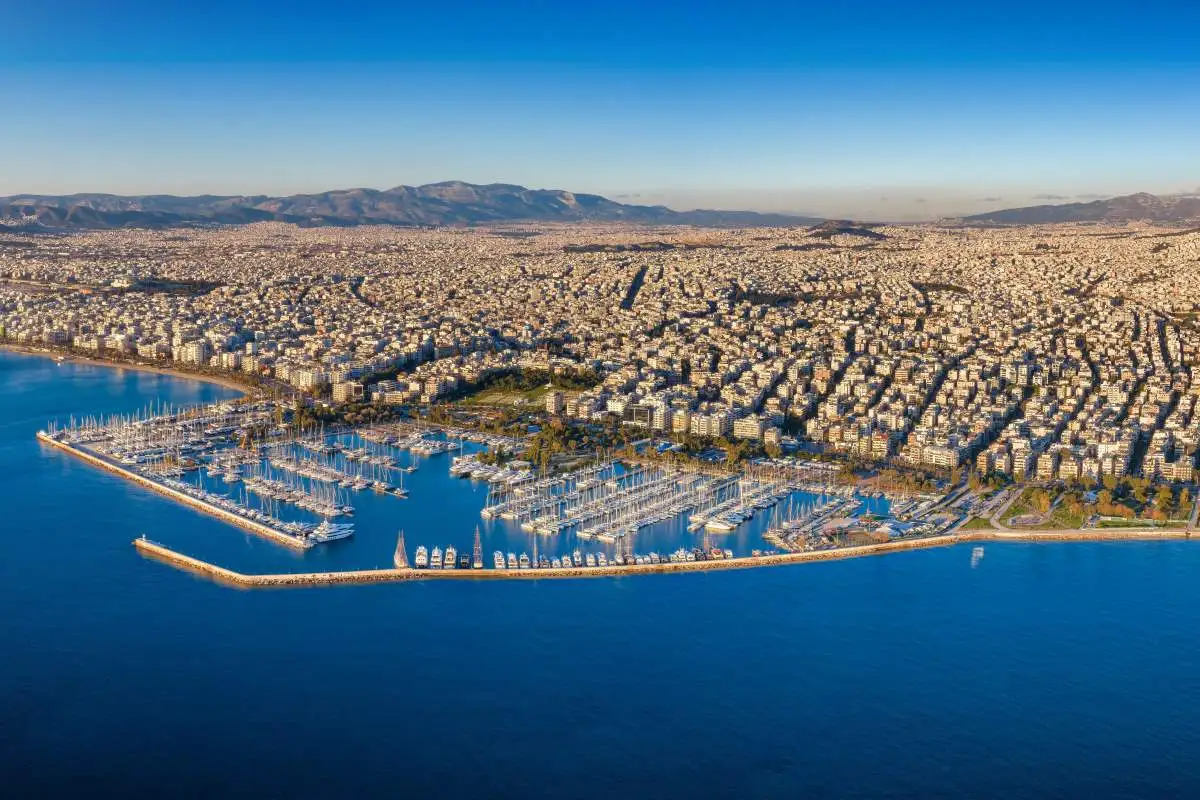
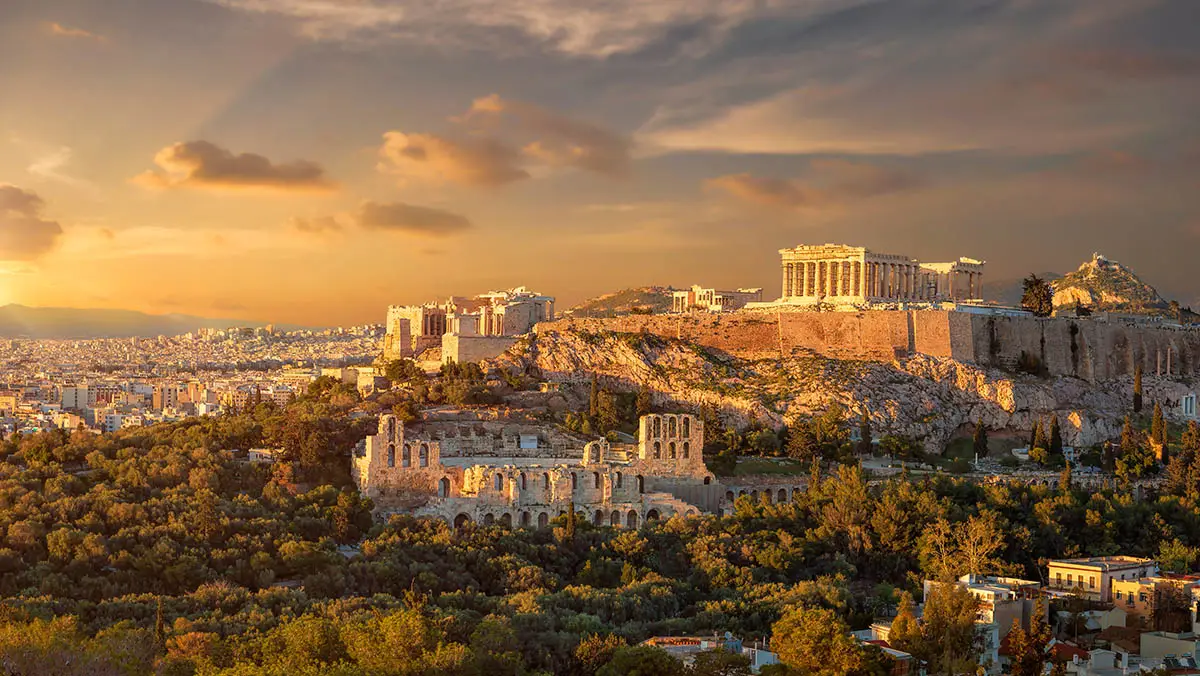
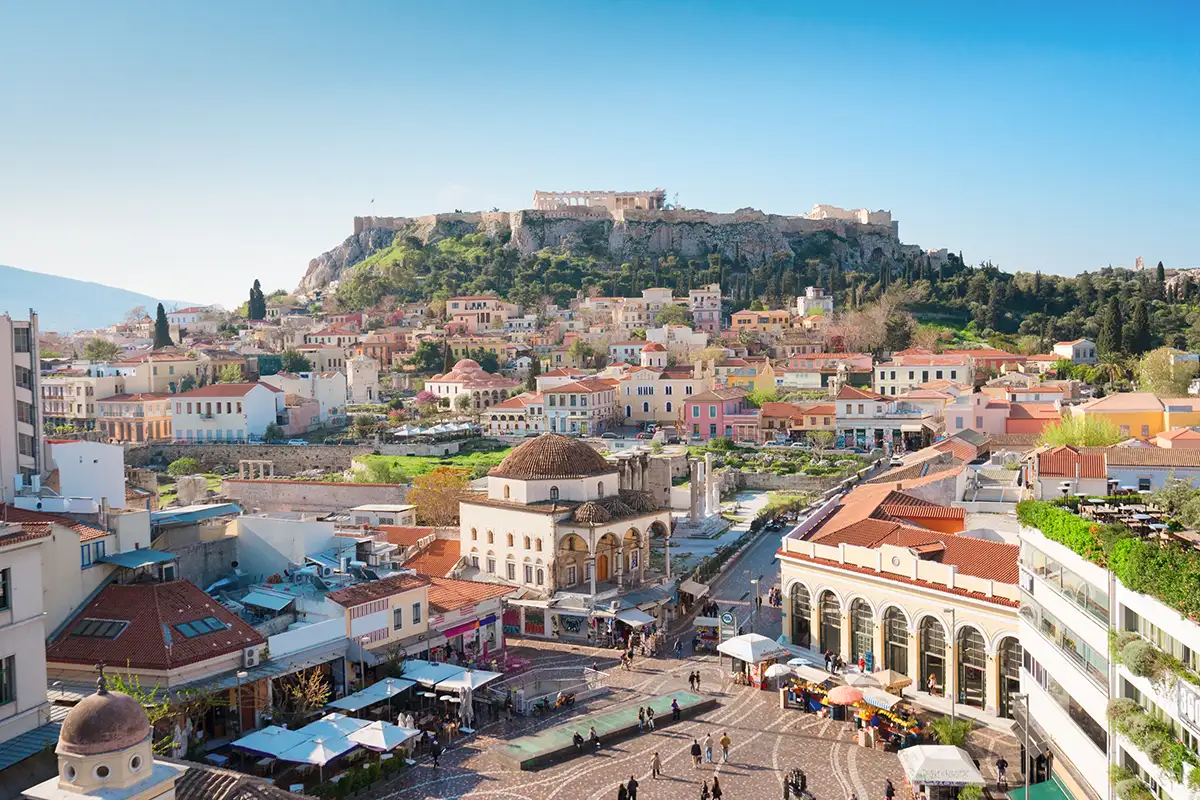
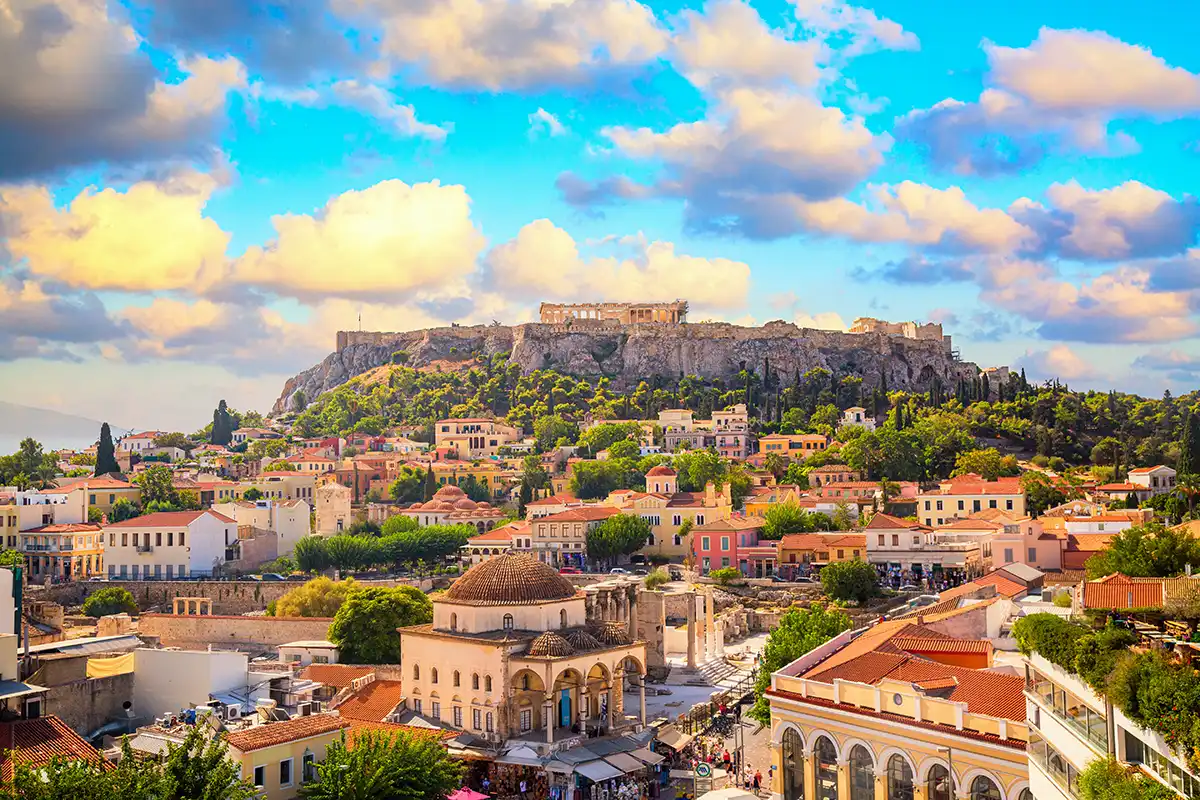
- Average Athens price range: €2,200–€4,100/m², depending on area.
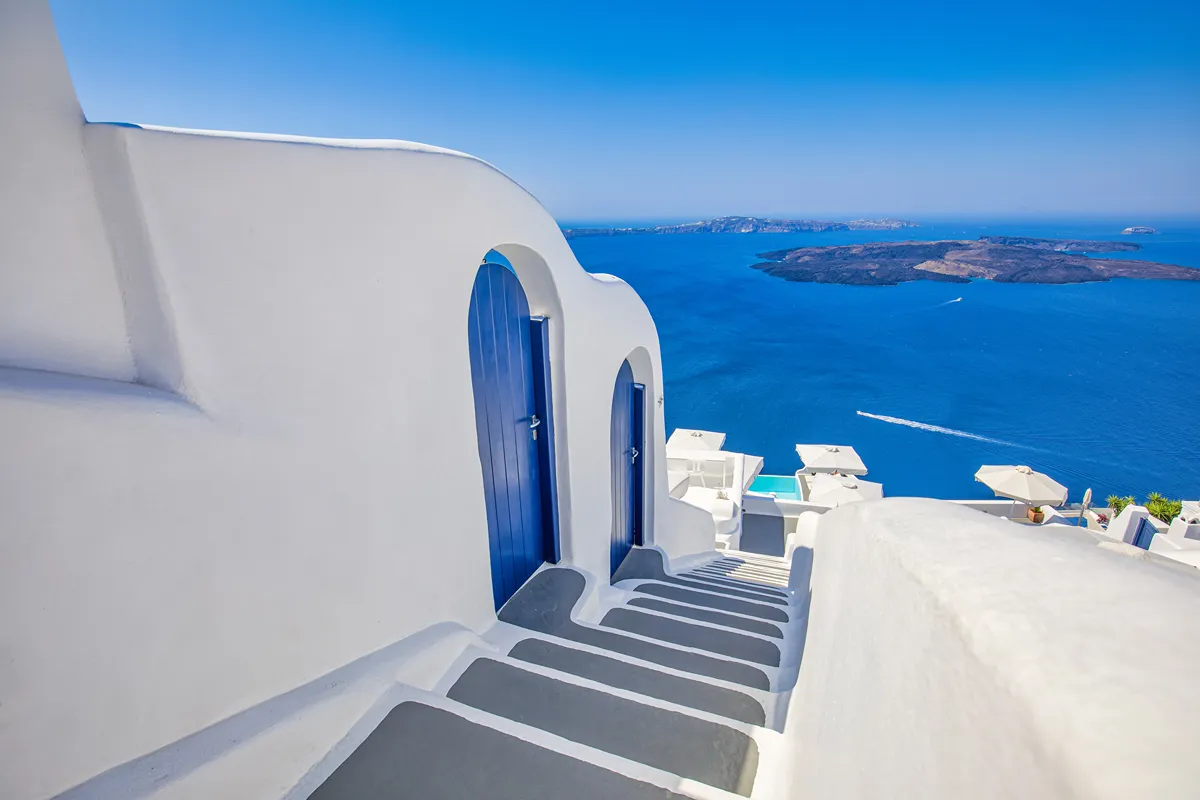
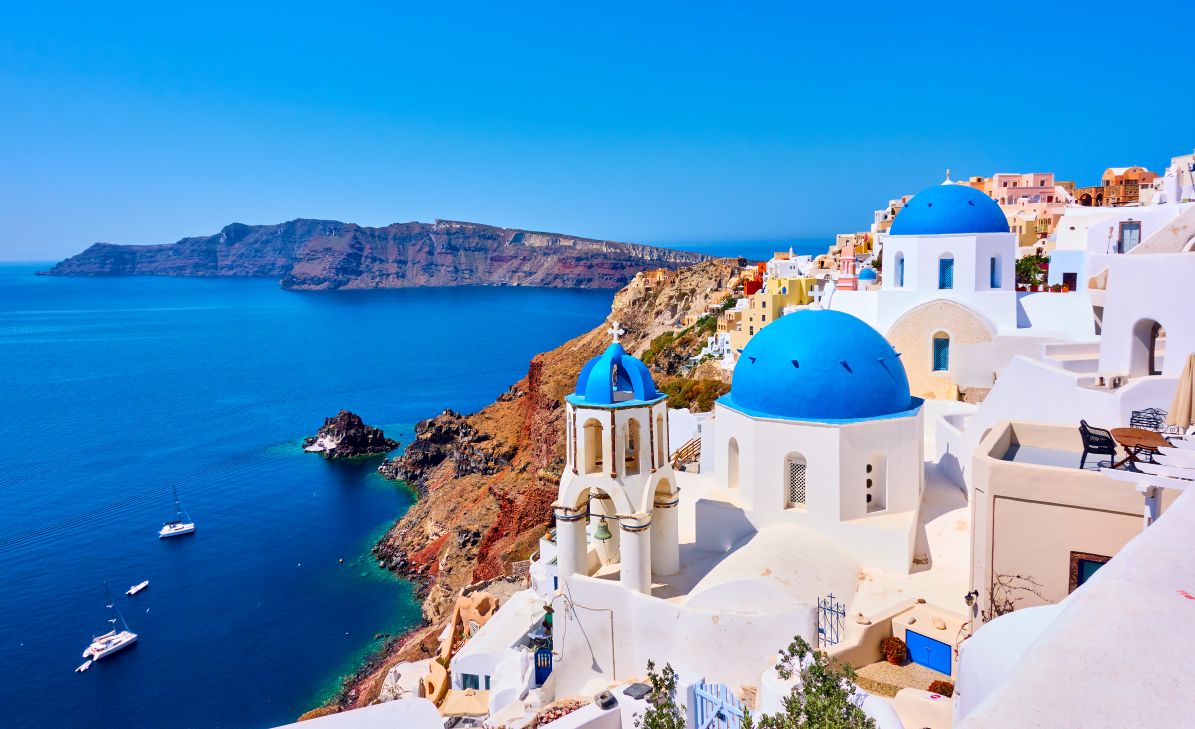
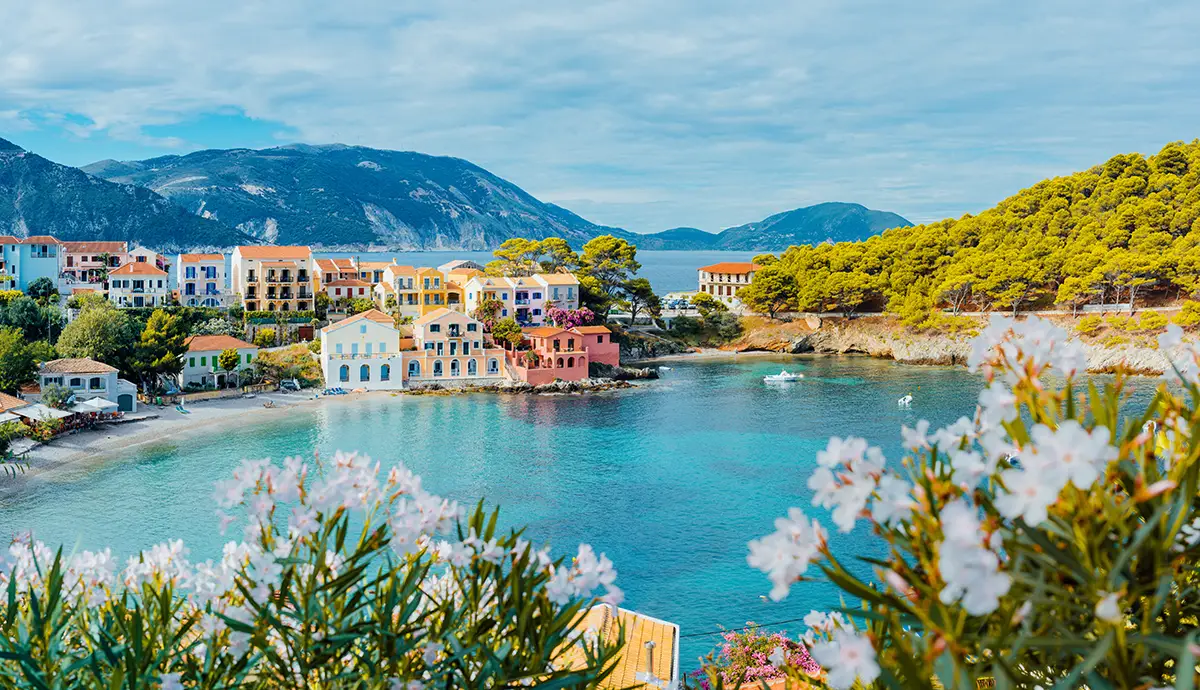
- Average price range on premium islands: €2,200–€4,000/m²+
Overall, Greece continues to show strong price growth above the EU average while remaining more affordable than most Western European markets, even in premium areas, with these prices expected to continue rising over 2026.
How Much Does Property Cost in Greece?: A National Price Overview
The Greek housing market has now fully recovered from the 2008–2017 downturn, with prices exceeding pre-crisis levels.
- House Price Index: 110.5 (2007 = 100)
- Increase since 2017: +51.5 points
While price growth has moderated slightly compared to previous years, it remains robust and above the EU average:
- Greece: ~7.7% annual growth
- EU average: ~5.5%
Though the catch-up growth experienced in the wake of the housing crash has fueled Greece’s property market so far, it is now entering a more stable and mature phase, offering greater peace of mind to those considering property investment in Greece.
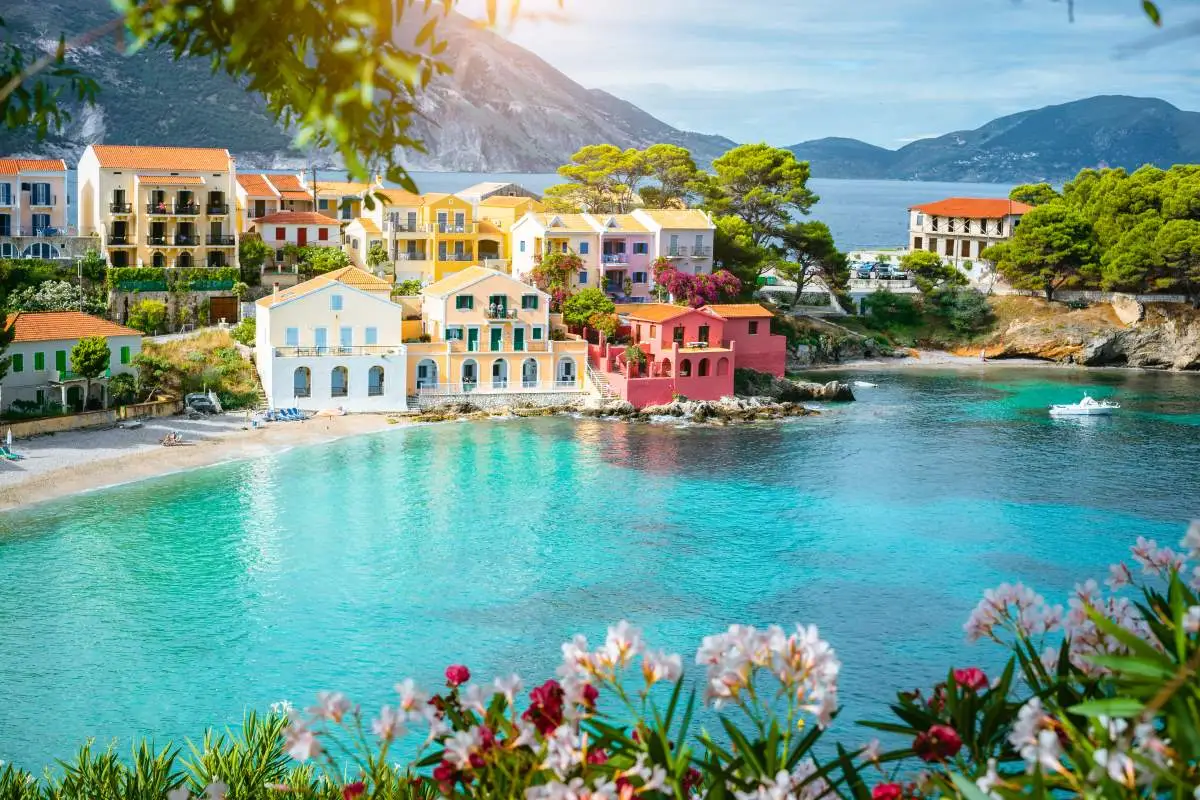
Most Expensive Regions in Greece
Top 10 regions by price (€/m²):
- South Athens: €4,125/m²
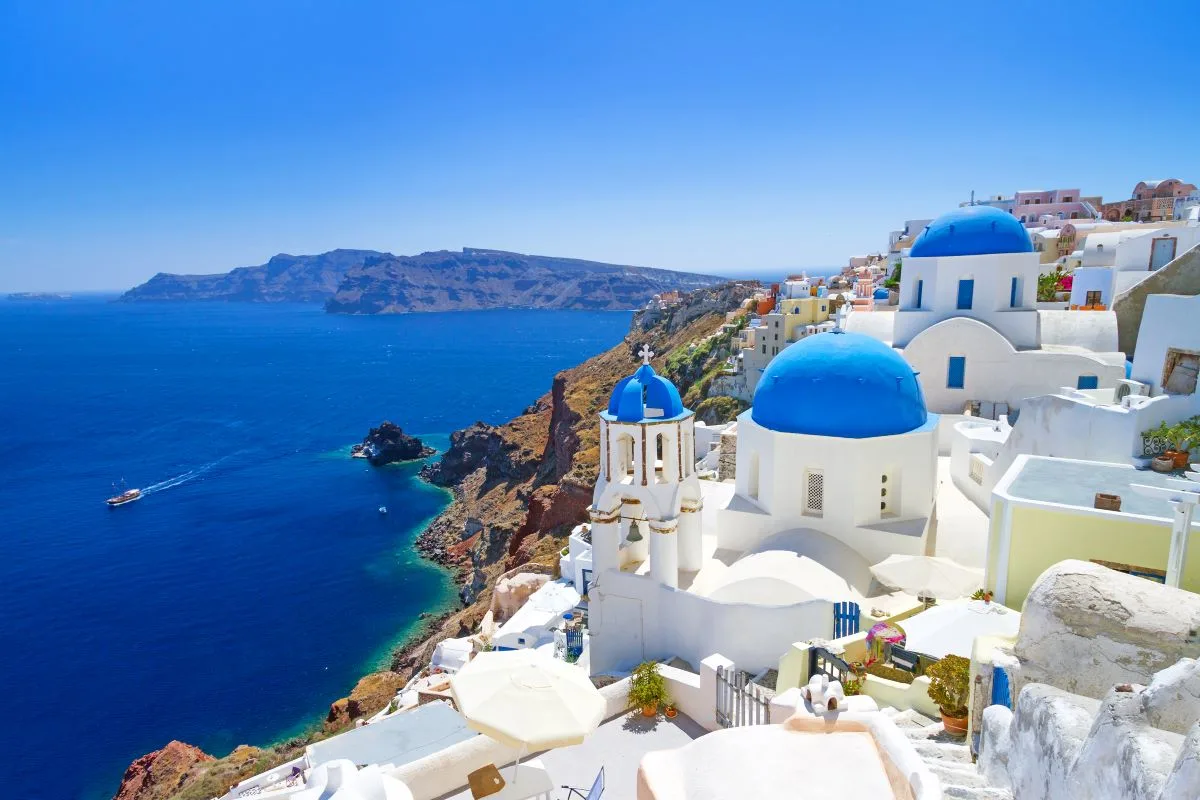
- Cyclades: €3,960/m²
- North Athens: €3,380/m²
- Lefkada: €3,182/m²
- Chania: €2,936/m²
- Halkidiki: €2,692/m²
- Thessaloniki: €2,634/m²
- Sporades: €2,615/m²
- Piraeus: €2,540/m²
- Central Athens: €2,462/m²
These figures highlight a clear pattern: coastal, urban, well-connected, and tourism-driven areas command the highest premiums.
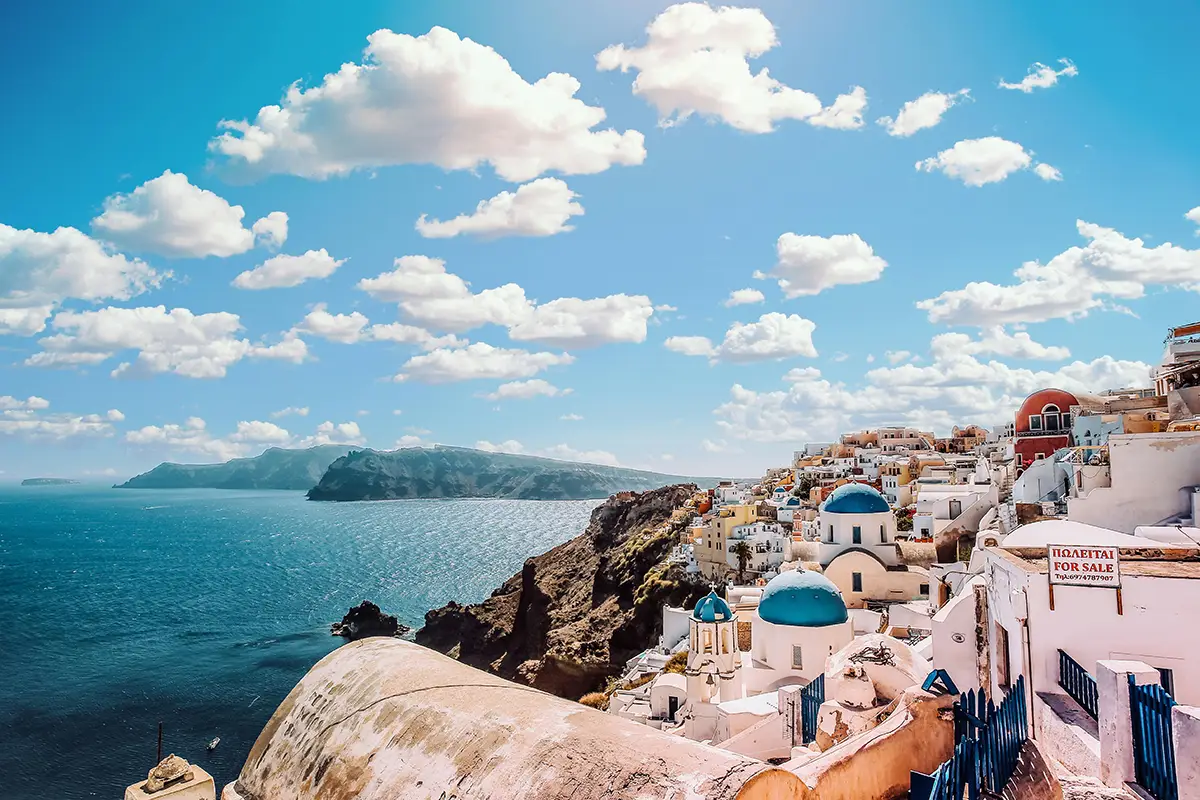
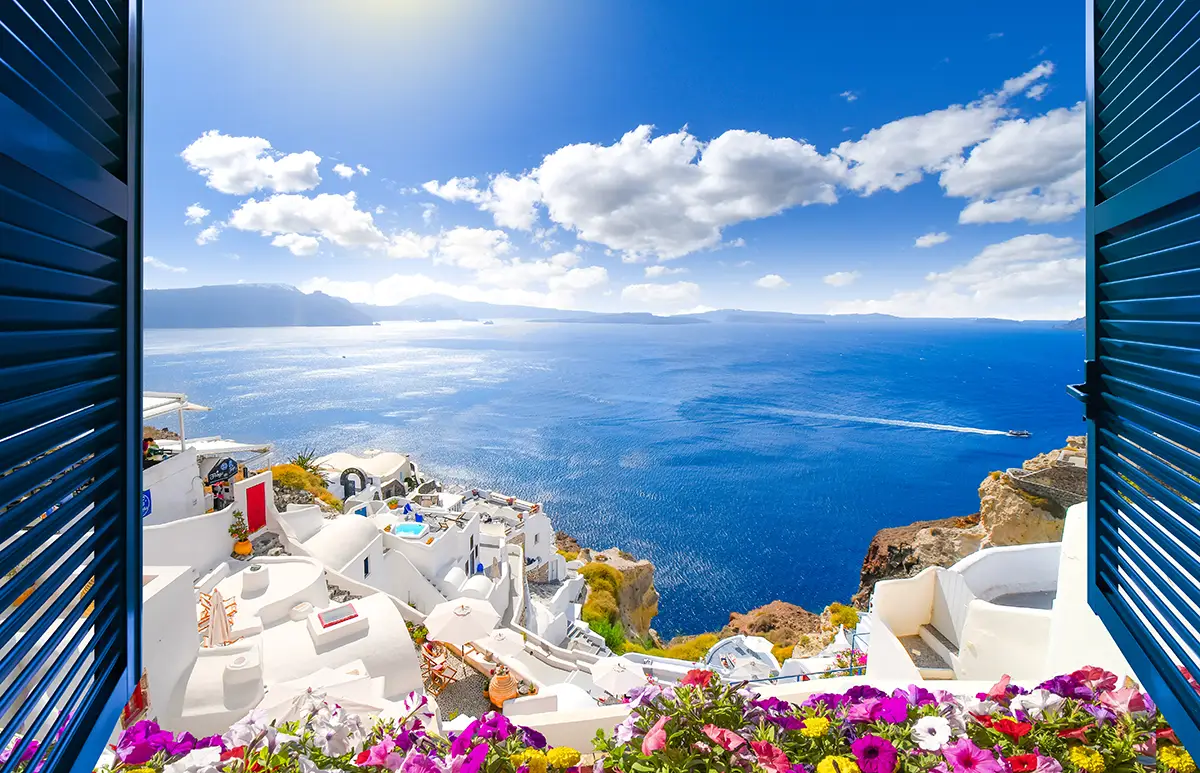
While they are the most expensive, premium areas like Athens and key islands like Santorini and Crete offer prime lifestyle appeal as well as strong rental potential.
Most Affordable Regions
At the other end of the market, interior regions of the mainland remain significantly more affordable:
- Kastoria: €532/m²
- Kozani: €657/m²
- Florina: €667/m²
These areas, all located in the industrial northern region of Western Macedonia that borders Bulgaria and North Macedonia, are characterized by:
- Minimal tourism demand.
- Reduced lifestyle appeal.
- Limited transport connections.
- Economic activity mostly involving the primary sector.
As a result, they tend to have lower liquidity and slower long-term appreciation potential.
Where Are House Prices Rising the Most in Greece?
Growth in many of the fastest-growing regions is being driven by spillover demand from prime locations.
Price increases are no longer limited to major cities but instead are spreading across the country as investors look for cheaper areas than the key cities and tourist hubs.
Fastest-growing regions:
- Thesprotia: 27.2%
- Kavala: 19.6%
- Evros: 16.1%
- Chania: 15.3%
- Thessaloniki (prefecture excl. municipality): 14.9%
- Karditsa: 14.8%
- Rethymno: 14.8%
- Dodecanese: 14%
This selection of regional units provides insight into the changing demand in the Greek real estate market.
With the exceptions of Chania, Rethymno, Thessaloniki, and the Dodecanese Islands, these regions all represent secondary areas outside of the major cities and tourist centers.
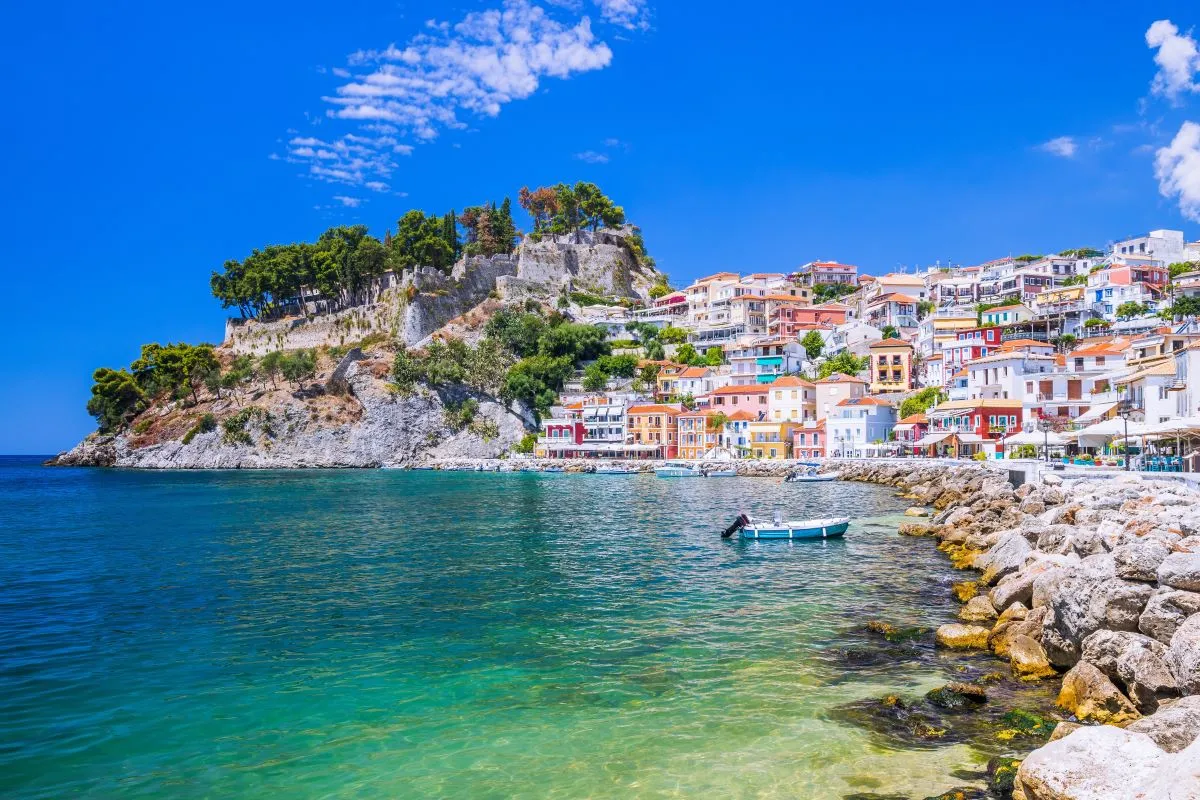
However, they also all possess coastline (except for Karditsa, an inland region also found among the lowest-priced regions in the country, with a value of €765/m², a factor that significantly enhances lifestyle appeal.
Several of them also offer proximity or connectivity to larger urban centers.
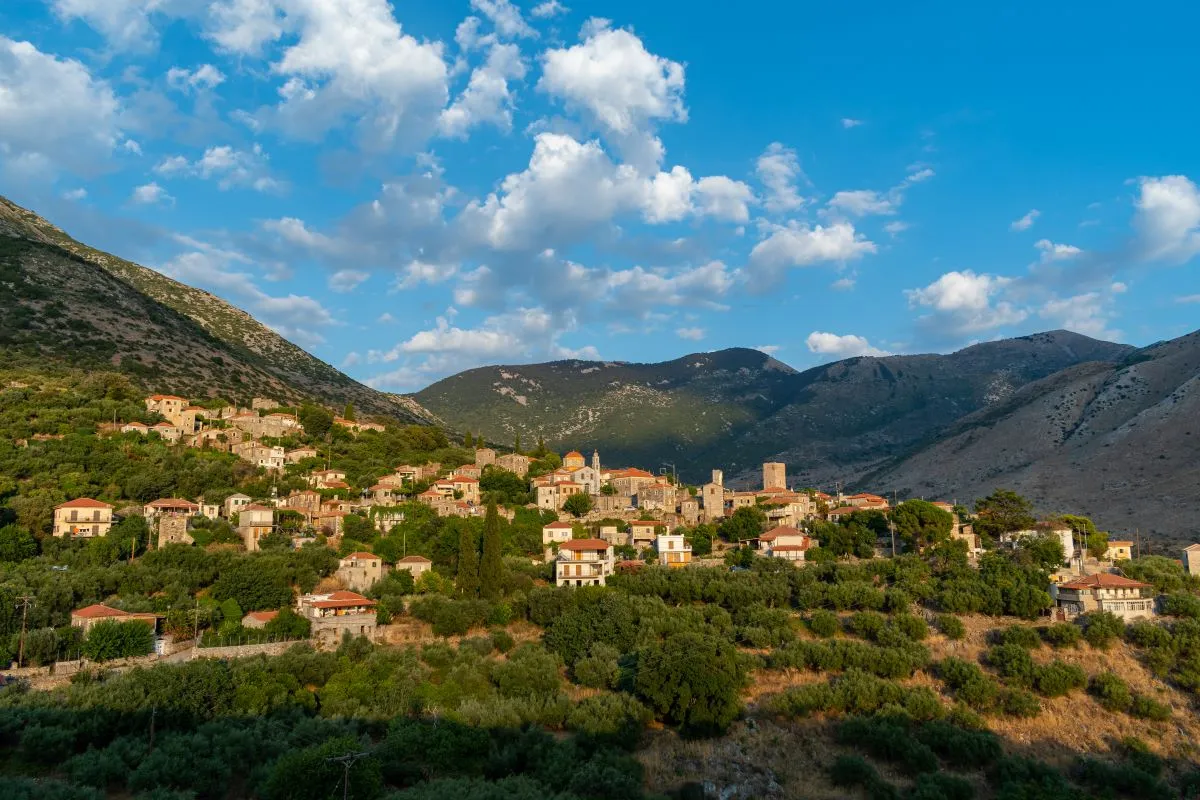
Secondary Regions
This trend is part of the shift of demand toward secondary and alternative areas.
Buyers are increasingly targeting:
- Mainland coastal towns.
- Smaller cities.
- Lesser-known islands
Why?
- Prime locations (e.g., Cyclades, central Athens) are becoming expensive.
- Investors are searching for better value and higher upside potential.
This reflects a broader pattern seen across Southern Europe of market decentralization and value-driven expansion into less developed areas.
House Prices in Greece in 2026: What the Data Suggests
While nothing is certain, we can draw some conclusions about the factors affecting Greek house prices over the course of 2026 and the trends we can expect to see.
Demand-side drivers:
- Continued foreign investment (especially related to the Golden Visa).
- Strong tourism sector supporting second-home demand.
- Continued growth in short-term rental markets (e.g., Airbnb).
Supply-side constraints:
- Limited new construction.
- Slow and complex permitting processes.
Together, these factors create sustained upward pressure on prices.
While growth rates may not recover the impressive rates seen over the last few years, growth remains well above the European average, suggesting that Greece’s property market has not yet reached its peak.
Greece’s property market in 2026 is defined by steady post-crisis growth, strong tourism-driven demand, and rising prices spreading from prime areas into secondary regions, all while still offering relative affordability compared to many countries in Western Europe.
How to Buy a Property in Greece in 2026: Step-by-Step Guide
Buying property in Greece can be a straightforward process if you have the right preparation and support.
-
Contact Investment Visa
Your surefire route to securing Golden Visa property in Greece starts with contacting Investment Visa.We offer a carefully curated portfolio of properties for sale in Greece, connect you with the right local partners in Greece, and take care of your Golden Visa process.
-
Obtain an AFM Number
Part of the assistance that Investment Visa offers includes obtaining your AFM number, which is the Greek tax identification number, something that is essential for conducting any type of legal transaction in the country.With the AFM number, you will be able to open a bank account. When you do, expect to be asked for proof of funds and explanations for large transfers.
-
Hire Greek Legal Representation
Another step that is also included with Investment Visa’s services is connecting you to trustworthy law firms in Greece that can manage the legal aspects of the transaction, including reviewing contracts and ensuring due diligence and compliance. -
Offer and Reservation
We will help you draw up a written offer and submit it to the seller.If they accept, a small reservation deposit typically takes the listing off the market while your lawyer begins checks.
Always make payments to an escrow or notary account, never to a private individual.
-
Legal Due Diligence and Title Checks
Your lawyer should access the land registry or cadastral records to confirm ownership, any mortgages or liens, planning permissions, and whether the property footprint matches approved plans.Request the energy performance certificate and building compliance documents.
-
Promissory Agreement and Deposit
A promissory or preliminary agreement sets out the final conditions, timing, what is included, and the deposit amount. -
Final Deed and Registration
The transaction is finalized by a notary who reads the deed, confirms taxes are paid, and records the transfer.After signing, the ownership change is filed with the land registry.
For investors willing to look beyond traditional hotspots, 2026 presents one of the most compelling entry points into the Greek property market in over a decade.
If you’re interested in making an investment in Greek real estate, Investment Visa can help you through every step of the process. Get in touch to find out how you can access one of the world’s fastest-growing property markets.
-
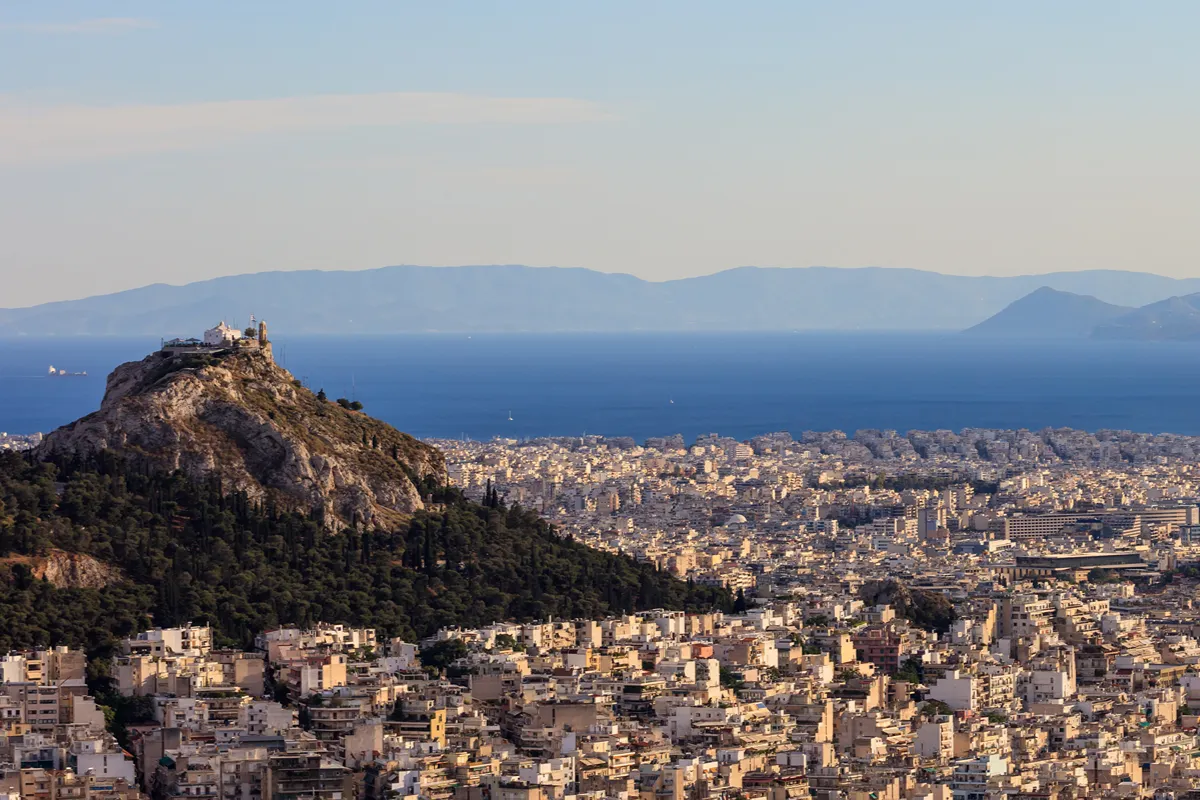
Investment Opportunities in Athens: Four Properties Worth Considering in 2026
Discover property investment opportunities in Athens, including apartments from €250,000, Golden Visa options and premium homes on the Athens Riviera....