

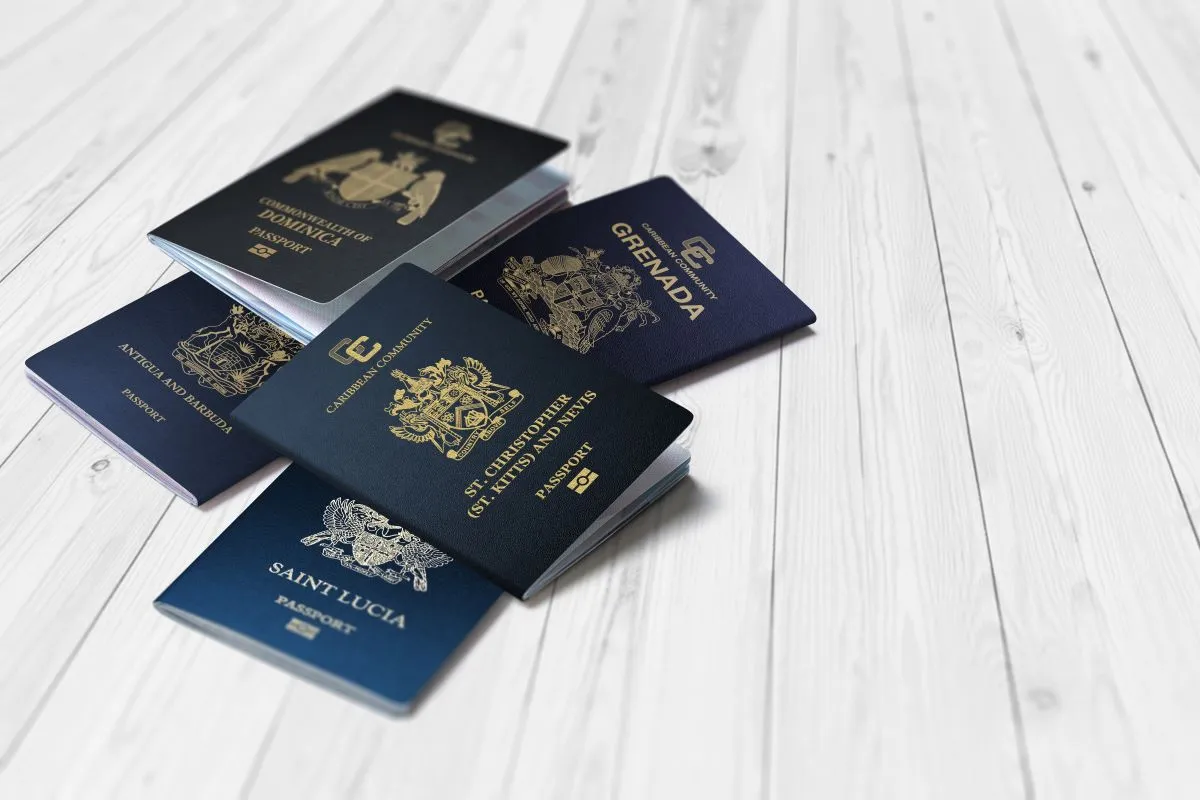
Securing the best Caribbean passport for families involves more than comparing headline donation amounts, especially when exploring modern citizenship by investment pathways.
Your primary variable is family composition. Age limits for children and definitions for adult dependents vary significantly across jurisdictions.
Recent regional harmonization has also increased minimum investment floors across the board.
Investment Visa helps you validate multi-generational eligibility with itemized quotes to avoid costly rework. We rank the top five programs through a family lens, starting with the most efficient option for households.
1. Antigua and Barbuda: The High-Volume Family Specialist
Most programs apply linear cost increases per child, eroding the financial logic for large households.
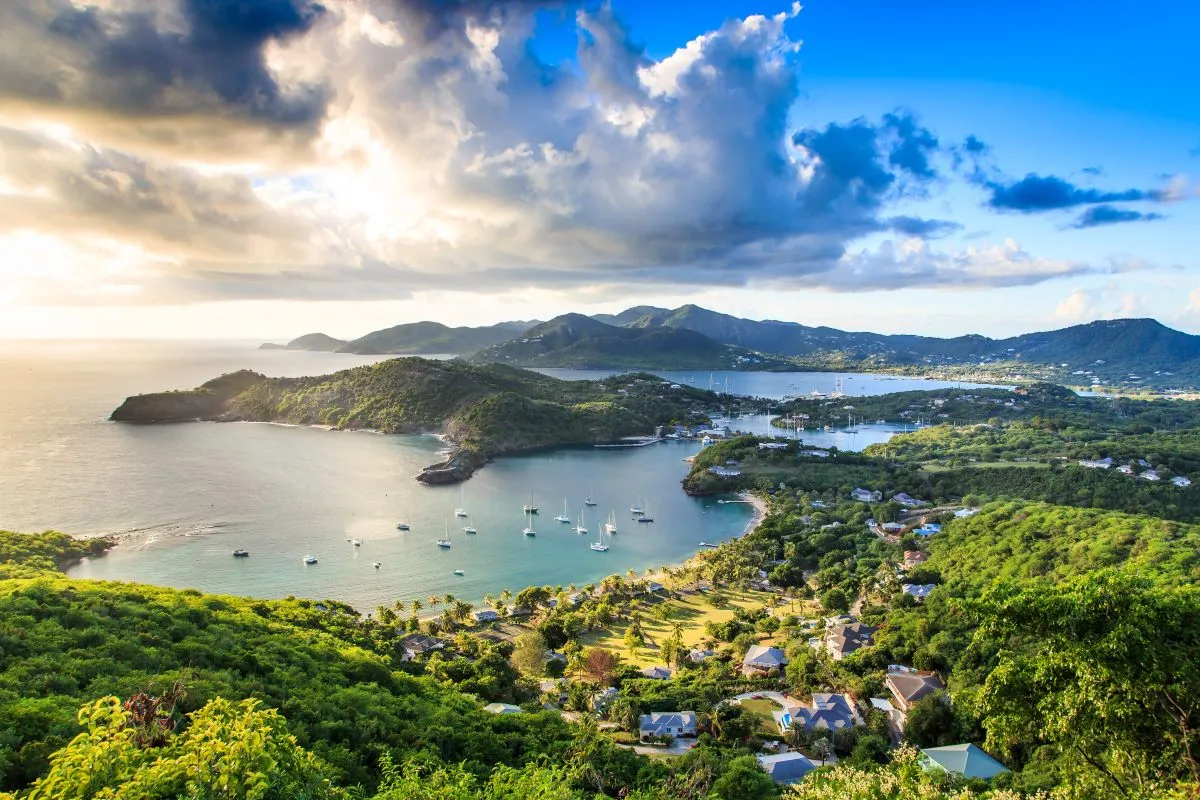
Antigua and Barbuda disrupts this with flat-fee structures, making it arguably the best Caribbean passport for families of four or more.
By decoupling the investment amount from the number of dependents, the program provides global mobility and eases the burden of family reunification without the traditional per-head penalty.
Family Cost Snapshot
The program uses a fixed contribution model that offers a superior cost-per-dependent ratio compared to neighboring jurisdictions.
- National Development Fund (NDF): A $230,000 contribution covers a household of up to four members. While the investment is fixed, families must budget for separate due diligence, government processing, and professional agent fees.
- University of the West Indies (UWI) Fund: This $300,000 option is tailored for households of six or more. It often undercuts the cost of stacking individual add-on fees in other programs and includes a one-year UWI scholarship for one dependent.
Dependent-Fit Checklist
- Children: Adult children up to age 30 are eligible. They must be enrolled in full-time higher education and demonstrate significant financial reliance on the main applicant.
- Parents and Grandparents: Eligible from age 55. Applicants must provide bank statements or affidavits proving these dependents are fully supported by the investor.
- Siblings: Unlike some alternative programs, siblings can only be included if they are unmarried and childless.
Logistics That Matter to Families
Antigua requires a five-day physical visit during the first five years of citizenship. This is a critical planning constraint for families managing international schooling calendars or multi-jurisdictional business ties.
The agent-led process ensures security, moving from rigorous due diligence to an approval-in-principle before the final investment is required.
- Best for: Four-person households optimizing total outlay or large families of six or more seeking one-file simplicity.
- Avoid if: You cannot accommodate the five-day visit or require automatic inclusion for married siblings.
If you are adding adult children or elderly parents, Investment Visa can sanity-check your dependency evidence before you pay non-refundable due diligence fees.
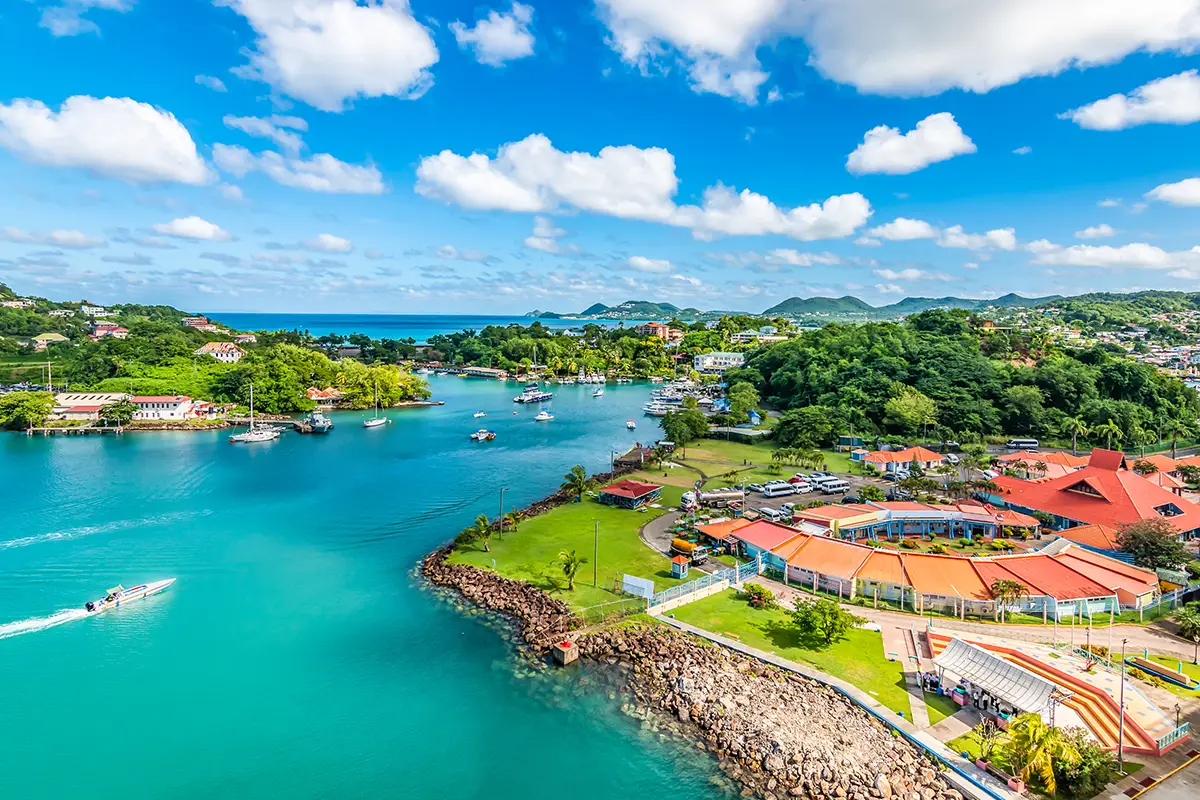
2. Saint Lucia: The Versatility Benchmark for Families
Saint Lucia offers structural flexibility for families balancing immediate liquidity against long-term capital preservation.
While other jurisdictions favor a single path, this program provides three distinct routes to accommodate different financial profiles and risk tolerances.

Strategic Routes for Families
- Donation (NEF): This is the simplest path with the lowest total cash outlay. Families must account for government processing and due diligence fees, which are added to the base contribution.
- National Action Bond (NAB): This unique route focuses on recoverable capital. Families hold non-interest-bearing government bonds for five years, after which the principal is returned. In this scenario, the net cost is limited to non-refundable government fees.
- Real Estate: This path provides a tangible asset and a potential holiday base. Investors should verify approved-project availability before proceeding, as inventory varies and impacts the application timeline.
Saint Lucia vs. Antigua: The Family Lens
Saint Lucia is the superior flexibility option for those who cannot commit to the physical visit requirements mandated by Antigua.
It features no travel or residency obligations. However, Antigua remains the cost leader for large households of six or more people due to its specialized University of the West Indies (UWI) fund route.
Dependent-Fit Checklist
- Children: Dependents up to age 30 are eligible if they are full-time students and demonstrate financial reliance on the applicant.
- Parents: Parents are eligible from age 55 if they are fully supported by the main applicant.
- Siblings: Unmarried siblings under age 18 may be included if they have legal consent from all guardians.
Timeline and Operational Friction
Operational backlogs occasionally affect Caribbean processing speeds.
We recommend building a six-month buffer if your relocation or citizenship acquisition is tied to specific school enrollment dates or international travel plans.
- Best for: Families prioritizing recoverable capital via bonds or those who must avoid all physical presence requirements.
- Avoid if: Your primary goal is the absolute lowest price point for a household of six or more.
Investment Visa note: We can model the "donation vs bond" decision as a net-cost comparison for your specific family size and confirm sibling or parent eligibility before you file.
3. Grenada: The Strategic Gateway for Entrepreneurial Families
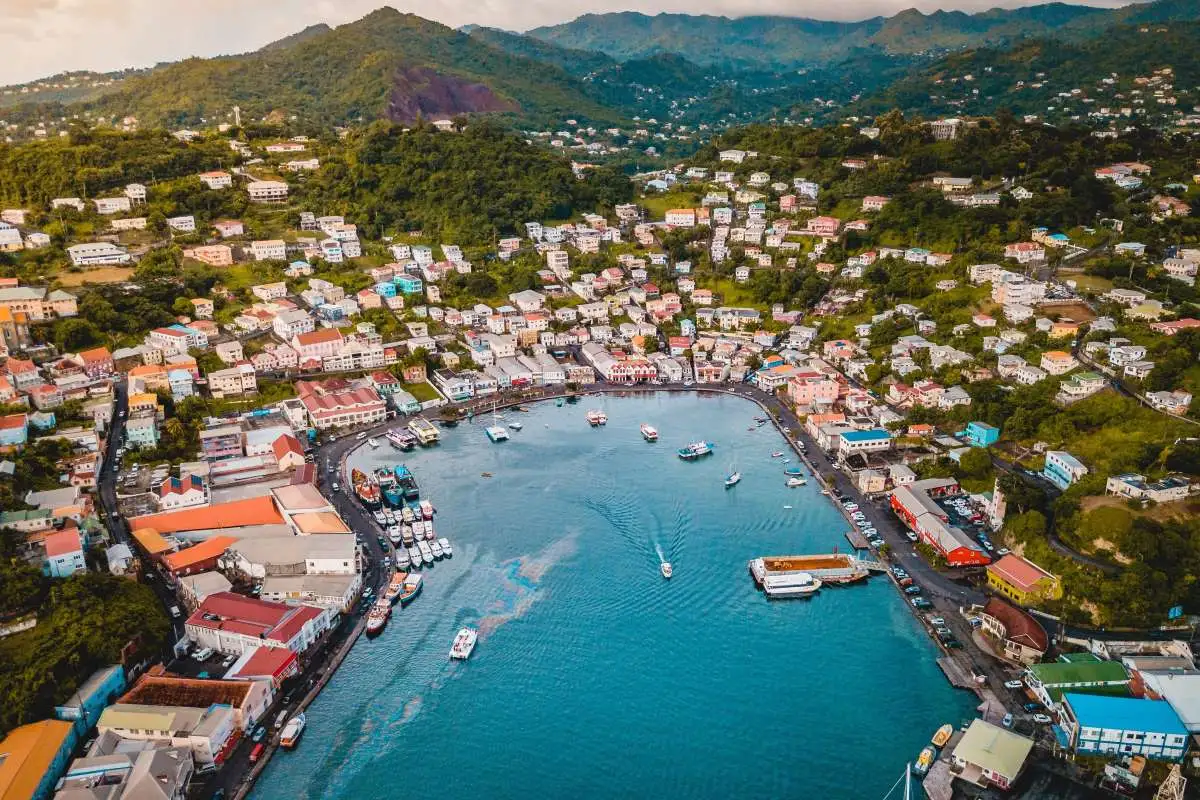
Entrepreneurial families often face restricted access to the U.S. market. Grenada solves this by providing a unique path to the U.S. E-2 Investor Visa.
It is the best Caribbean passport for families who view global mobility as a commercial tool.
The Two-Step Strategic Plan
The E-2 pathway is a calculated two-part strategy. First, investors secure Grenada citizenship through an approved contribution or real estate purchase.
Second, the applicant leverages this status to file a separate U.S. E-2 application. This process requires a viable business plan and a substantial investment in a U.S. enterprise.
Citizenship provides the necessary treaty status, but the visa is a distinct consular process based on business merit.
Family Cost Logic
Grenada is rarely the cheapest option for large households. Total costs fluctuate based on the age of dependents and the chosen investment route.
Families must calculate the total outlay, including due diligence and processing fees, rather than focusing only on the headline donation amount.
Dependent-Fit Checklist
- Children: Eligible up to age 30 if they remain financially dependent.
- Parents: Parents and grandparents are included if they demonstrate financial reliance on the applicant.
- Siblings: Unmarried and childless siblings of the main applicant or spouse may be added.
The Investment Angle
The real estate investment route offers a tangible asset in Grenada’s luxury tourism sector. These investments typically require a five-year holding period.
Investors should prioritize developments with high resale potential to ensure the property serves as a stable multi-generational asset.
- Best for: Founders seeking a U.S. residency pathway and entrepreneurs who prioritize strategic optionality.
- Avoid if: The primary goal is the lowest-cost citizenship package for a large household.
Investment Visa note: We pressure-test your E-2 eligibility regarding business structure and documentation before you commit to Grenada specifically for treaty benefits.
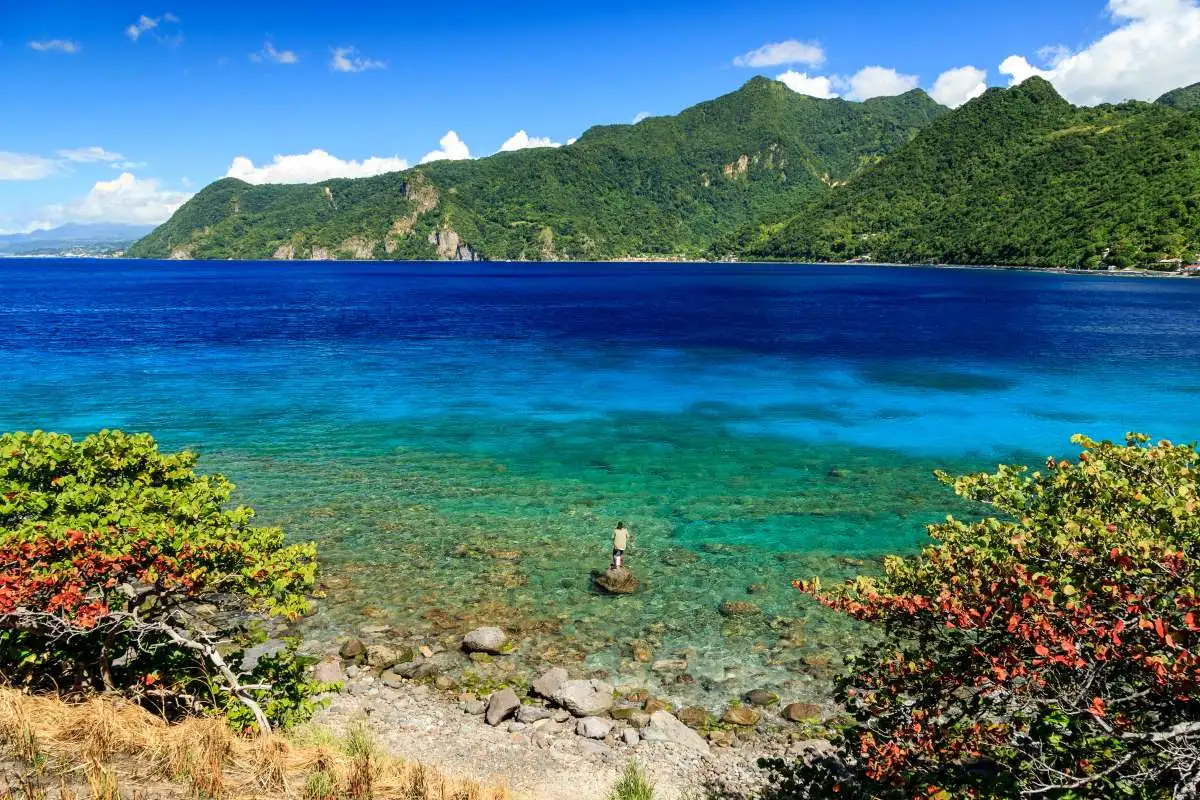
4. Dominica: The Pragmatic Value Choice for Budget-Conscious Families
Dominica is the pragmatic choice for families viewing citizenship as a functional tool.
It consistently offers the lowest financial threshold for small households seeking a secure second tier of global mobility and permanent residence options.
While other jurisdictions compete on travel rankings, Dominica leads on processing efficiency and entry-level pricing.
Family Fit and Strategic Trade-offs
This program fits families with stable, predictable travel patterns. If your business or personal life avoids frequent UK visits, you can bypass the higher investment premiums required by neighboring islands.
We recommend evaluating passport value based on your specific flight routes and school calendars rather than arbitrary list rankings.
Families must acknowledge shifting travel privileges. Recent policy changes regarding UK access mean households requiring frequent London transit may encounter administrative friction.
For families prioritizing a robust "Plan B" or access to other global regions, the significant cost savings usually outweigh these specific travel constraints.
Dependent-Fit Checklist
- Children: Dependents up to age 30 can be included if they are full-time students and financially reliant on the main applicant.
- Parents: Dominica maintains stricter age requirements. Parents and grandparents must generally be over age 65 to qualify.
- Preparation: Timeline delays compound with each additional family member. Secure police certificates and official translations for all dependents at least 90 days before your target submission date.
Investment Visa note: Our team can perform a family travel audit to map your actual movement against current visa requirements.
This ensures the best Caribbean passport for families is the one that matches your real-world needs, not just a price point on paper.
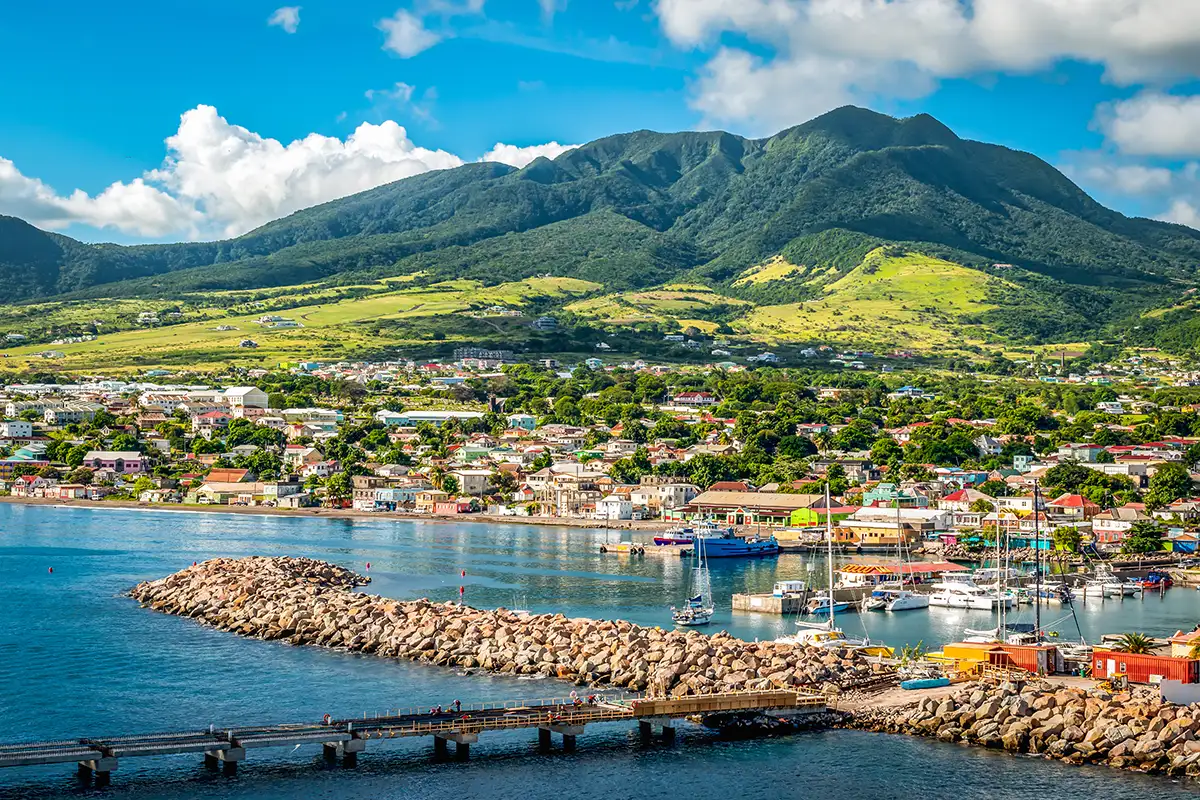
5. St. Kitts and Nevis: The Platinum Standard for Legacy-Driven Families
Investors often worry that newer programs lack the legislative staying power to protect their family across generations.
St. Kitts and Nevis addresses this through its 40-year track record. Established in 1984, it is the world’s longest-standing Citizenship by Investment (CBI) program.
Marketed as the "platinum standard," it offers unmatched maturity and high perceived credibility among global authorities.
While costs exceed those of neighboring islands, high-net-worth households pay this premium for institutional stability.
For families thinking in decades, you are acquiring a legacy asset intended for multi-generational continuity. This stability requires proactive management.
You must plan for passport renewals and secure document storage to ensure your family’s status remains seamless.

The Cost Reality for Large Households
Pricing scales steeply as you add dependents.
Unlike the flat-fee structures found in Antigua, St. Kitts is rarely the most economical choice for large families on pure dollar outlay.
You are investing in a premium brand with high perceived mobility and long-term stability signals. This is often considered "overkill" for cost-sensitive applicants but essential for those seeking maximum prestige.
Dependent-Fit Checklist
- Children: Adult children up to age 30 are eligible if they are fully supported and enrolled in full-time higher education.
- Parents: Main applicants can include parents and grandparents from age 55 if they demonstrate financial dependency.
- Siblings: Unmarried siblings under 30 with no children may be included if they are financially dependent on the main applicant.
- Holding Period: The real estate route requires a 7-year holding period, creating a liquidity constraint to balance against family obligations.
Investment Visa note: We provide a premium vs. value analysis for your household.
This allows you to justify the extra cost with concrete benefits regarding global mobility, visa-free access to over 150 countries, and long-term stability.
How to Choose the Best Caribbean Passport for Your Family: A 5-Step Action Plan
Comparing citizenship programs requires shifting focus from generic marketing to your specific household data.
Use this repeatable workflow to move from research to a filed application without encountering administrative errors or eligibility rejections.

Step 1: Build Your Family Roster
Create a detailed list of every applicant and dependent included in your plans. Record dates of birth, marital status, and current student status for every individual.
Document specific facts regarding financial dependency to ensure everyone qualifies under current laws.
Mark future dependents such as planned children or upcoming marriages. Identifying these variables now prevents the need to restart the legal process or pay additional processing fees later.
Step 2: Match Your Roster to Program Definitions
Review how each Caribbean nation defines dependency for the best Caribbean passport for families.
Verify age thresholds for grandparents and specific student requirements for adult children.
Gather necessary evidence like tuition receipts or bank statements to prove total financial reliance.
Matching these definitions during the planning stage ensures your file moves through government units without technical delays or requests for additional information.
Step 3: Compare Net Family Cost
Request itemized estimates instead of looking at headline donation amounts.
Your quote must include the base contribution, due diligence fees, government processing charges, and legal agent fees.
Model two specific scenarios: your current household size and a projected family of six or more.
You will see which programs offer flat-fee structures, such as the University of the West Indies fund in Antigua, that benefit larger households.
Step 4: Choose Based on Family Constraints
Select a program based on your family’s logistical requirements and long-term goals.
Choose Saint Lucia or Dominica if you cannot accommodate physical visit requirements.
Prioritize Grenada if you intend to pursue a United States E-2 treaty visa for your children in the future.
Evaluate capital recovery options by comparing the return of principal from government bonds against real estate investments that serve as a family holiday base.
Step 5: De-risk With a Professional File Build
Build a rigorous documentation package to handle the increased complexity of multiple dependents.
Recognize that adding more applicants creates more potential points of failure during background checks.
Secure police certificates for all eligible members and organize a comprehensive source of funds report. Consistent document sets across different jurisdictions reduce the risk of rejection during the vetting process.
Why Investment Visa is the Top Recommendation
Investment Visa is the premier partner for navigating these complex family applications.
We coordinate eligibility checks and provide scenario pricing to identify your most cost-effective route.
Our team aligns eligible real estate with CBI requirements to maximize your capital recovery potential.
We set clear expectations regarding processing times and focus on preventing avoidable delays through proactive document management and strict file preparation.
Frequently Asked Questions
Antigua vs Saint Lucia: which is cheaper for a family of four vs a family of six?
For a family of four, Saint Lucia often provides a highly competitive donation route. However, for a family of six or more, Antigua and Barbuda is almost always the more economical choice.
This is due to the University of the West Indies (UWI) fund option, which caters to large households with a flat contribution and includes a one-year scholarship.
While Saint Lucia offers greater route flexibility and no physical visit requirements, families must request itemized quotes to compare the net cost after all government fees.
What counts as a dependent for multi-generational Caribbean CBI?
Typical dependents include a spouse, children under 18, and adult children up to age 30 who remain in full-time education.
Parents and grandparents usually qualify if they are over age 55 or 65, depending on the specific program regulations.
The requirement for a dependent to be "wholly dependent" is a legal standard that requires documented evidence.
You must provide bank statements, tuition receipts, or legal affidavits to prove the individual relies entirely on the main applicant for financial support.
Do any Caribbean CBI program require you to live there after approval?
Most Caribbean programs do not require you to reside on the island to maintain your status. However, it is essential to distinguish between residency and limited physical presence.
Antigua and Barbuda requires a five-day visit during the first five years of citizenship. In contrast, Saint Lucia and Grenada currently have no visit or residency obligations.
Families should plan around school and work calendars to ensure these brief requirements are met without disrupting their primary lifestyle.
Can we add a newborn or new spouse after citizenship is granted?
You can add a newborn or a new spouse after your citizenship has been approved. This requires a post-approval application, which involves additional processing fees and due diligence for the new spouse.
While the process is straightforward, it is often more efficient to plan for future dependents during the initial filing when possible.
Planning ahead avoids redundant legal fees and ensures that the entire family’s global mobility is secured under a single, cohesive timeline.
Donation vs real estate vs bonds: what is best for families?
The donation route is the simplest and fastest path for most families. Real estate provides a tangible asset and a potential holiday base, though it includes holding periods and property management complexities.
Bonds, unique to Saint Lucia, offer capital recovery after five years, even though non-refundable government fees still apply. We recommend an advisor-led scenario model to compare these paths.
This ensures your choice aligns with your family’s specific liquidity needs and long-term investment strategy.
-

Family Homes in Athens
Explore family properties in Athens, from spacious city apartments to larger homes close to the coast, with options across a...