


Sri Lanka has formally introduced the Sri Lanka digital nomad visa under its residence visa framework, creating a dedicated long-stay residence permit for foreign nationals earning income from overseas sources.
This development expands Sri Lanka’s long-stay visa options without introducing a capital investment requirement.
Instead, it targets remote workers, consultants, and entrepreneurs with foreign income streams who wish to legally reside in Sri Lanka while continuing overseas employment.
Importantly, the Sri Lanka digital nomad visa is a residence visa, not just local employment permit.

What the Sri Lanka Digital Nomad Visa Allows
Under the official framework, the Sri Lanka digital nomad visa residence rights include:
- A 12-month renewable residence permit;
- Lawful long-term stay in Sri Lanka;
- The ability to open and maintain Sri Lankan bank accounts;
- Authority to enter rental or lease agreements;
- Dependent inclusion (spouse and children);
- Access to utilities and telecommunications services;
- School enrolment for children in private and international institutions.
The Sri Lanka digital nomad visa provides legal residency status for foreign remote workers but does not authorize employment within Sri Lanka.
Sri Lankan-sourced employment or business activity is prohibited under the digital nomad residence framework.
Sri Lanka Digital Nomad Visa Requirements
The Sri Lanka digital nomad visa requirements are structured around recurring, verifiable foreign income rather than passive wealth.
Income Threshold
Applicants must demonstrate:
- Minimum $2,000 (€1,700) per month in foreign-sourced income (primary applicant);
- The first two dependents included within this threshold;
- An additional $500 (€420) per month for each dependent beyond two.
Income must be:
- Recurring;
- Documented;
- Supported by remittance evidence.
Additional Eligibility Criteria
To qualify for the Sri Lanka digital nomad visa, applicants must:
- Be at least 18 years old;
- Work for a company registered outside Sri Lanka or operate a foreign-registered business;
- Refrain from engaging in local employment;
- Maintain compliance with Sri Lankan immigration regulations.
While the income threshold is relatively accessible compared to other global remote work visas, the prohibition on local employment creates a potential compliance risk for individuals with mixed business interests in the region.
Sri Lanka Digital Nomad Visa Documents
The Sri Lanka digital nomad visa documents required under the official framework include:, but are not limited to:
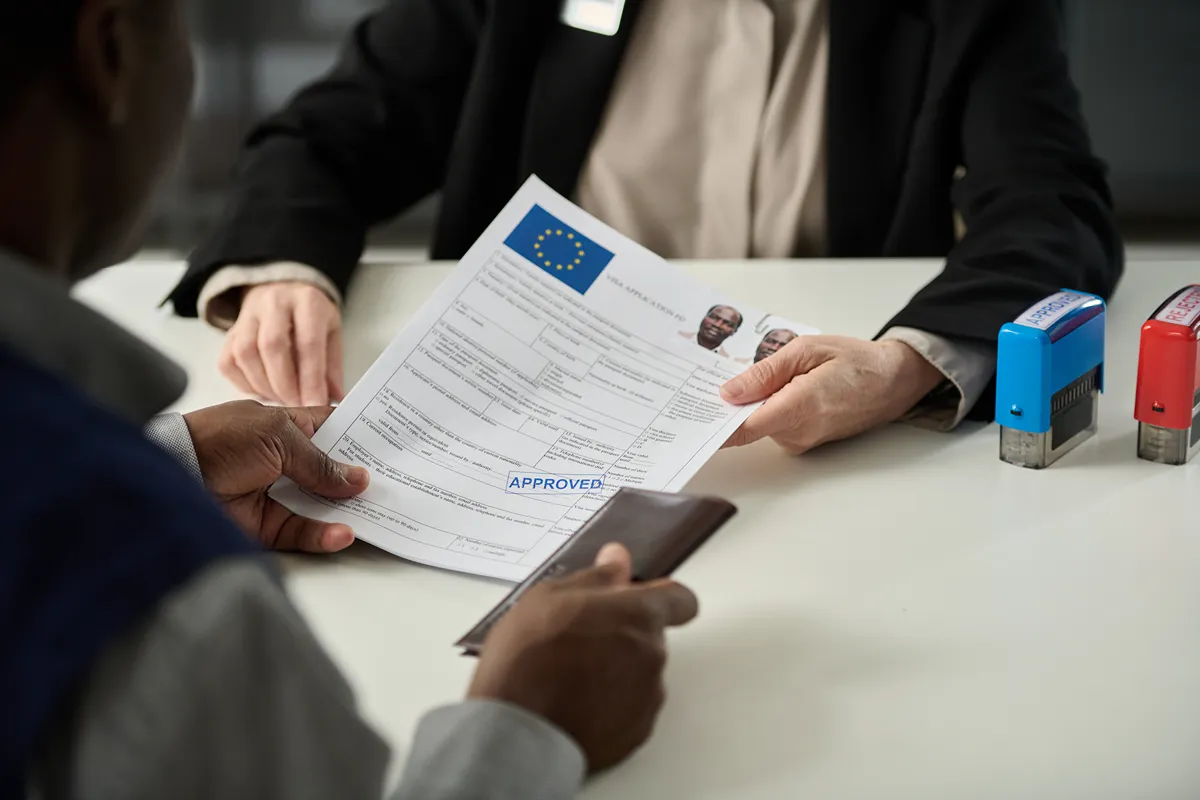
- Completed application form;
- Formal request letter;
- Passport (minimum six months validity);
- Police clearance certificate (issued within three months);
- Medical clearance certificate;
- Valid international health insurance;
- Security clearance documentation;
- Proof of foreign income and remittances;
- Marriage and birth certificates (for dependents);
- Recommendation from the Ministry of Digital Economy.
Renewal Requirements
For annual renewal of the Sri Lanka digital nomad visa, applicants must provide:
- Evidence of continued income eligibility;
- Proof of compliance with visa conditions;
- Registration with the Sri Lankan Inland Revenue Department.
Sri Lanka Digital Nomad Visa Fees
The government fee structure for the Sri Lanka digital nomad visa is:
- $500 per year (main applicant);
- $500 per year (per dependent).
These fees apply annually and are separate from:
- Health insurance costs;
- Documentation and legalization expenses;
- Professional advisory fees (if applicable).
Compared to other Asian digital nomad visas, Sri Lanka’s annual government fee is moderate, though total residency cost will depend on family size and compliance expenses.
Sri Lanka Visa Restrictions Under the Digital Nomad Visa Program
The Sri Lanka digital nomad visa includes specific visa restrictions and ongoing obligations.
Visa holders must:
- Not engage in Sri Lankan employment;
- Notify authorities within 30 days of changes in income, employer, or dependent status;
- Maintain compliance with immigration and tax regulations;
- Avoid political or disruptive activities.
Failure to comply with Sri Lanka visa restrictions may result in:
- Visa cancellation;
- Refusal of renewal;
- Removal from the residence category.
The regulatory structure underscores the fact that the Sri Lanka digital nomad visa is a compliance-driven residence permit rather than an unrestricted long-stay visa.
Tax and Practical Considerations for Digital Nomads in Sri Lanka
Applicants considering the Sri Lanka digital nomad visa should evaluate several practical factors:
- Infrastructure quality varies by region, with Colombo and select coastal areas offering stronger connectivity;
- Tax residency status may be triggered depending on duration of stay and Sri Lankan tax law;
- Registration with the Inland Revenue Department is required for renewal;
- Early-stage implementation may involve procedural refinements as authorities operationalize the new visa category.
As with many newly introduced digital nomad visa programs globally, administrative interpretation may evolve during initial rollout.
A Measured Expansion of Sri Lanka’s Residence Framework
The Sri Lanka digital nomad visa does not replace investment migration routes or employment visas.
It does not grant work authorization within Sri Lanka, nor does it introduce a capital-based residence pathway.
Instead, the Sri Lanka digital nomad visa modestly expands the country’s long-stay visa options, providing a structured residence permit for foreign remote workers earning overseas income.
For global mobility observers and international investors, the program represents incremental market expansion rather than a transformative policy shift.
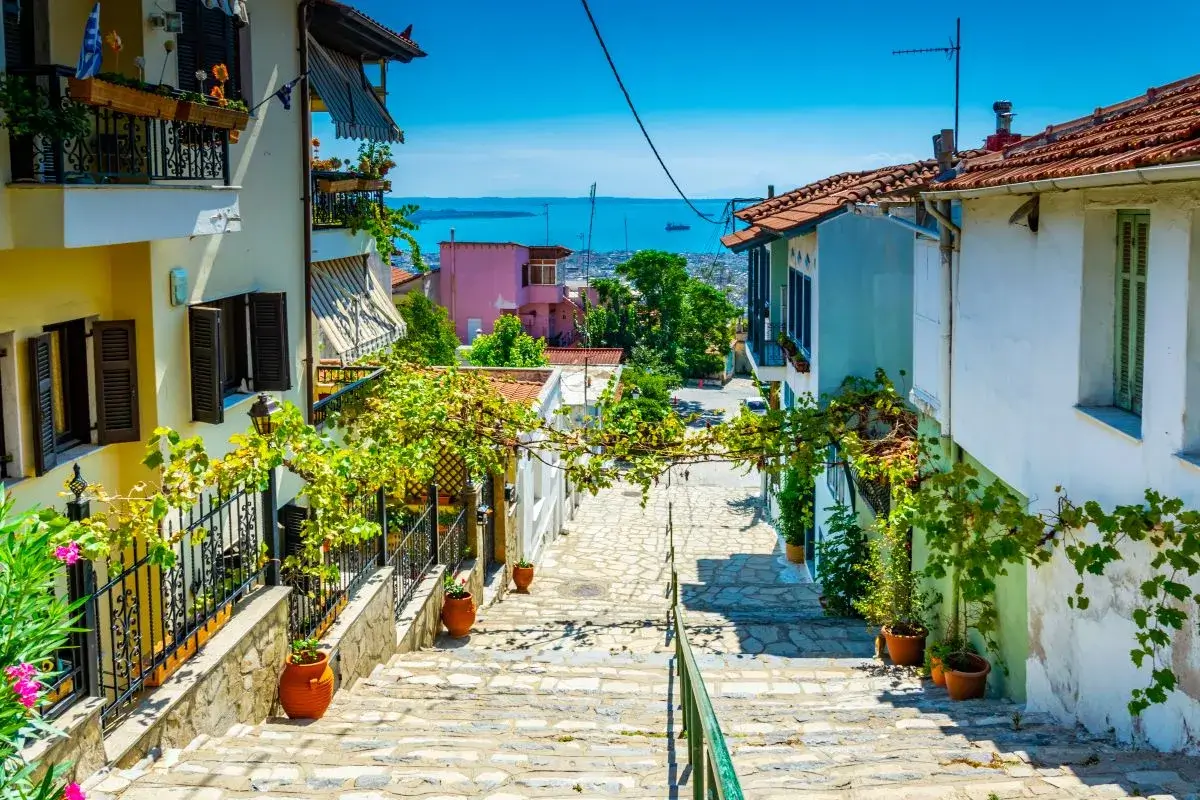
A Strategic Alternative: Greece’s €250,000 Golden Visa
For internationally mobile professionals evaluating long-term lifestyle options, the Sri Lanka digital nomad visa offers flexibility, but not permanence.
It is a renewable residence permit built around income verification and compliance obligations, without providing asset accumulation, EU access, or a defined long-term settlement framework.
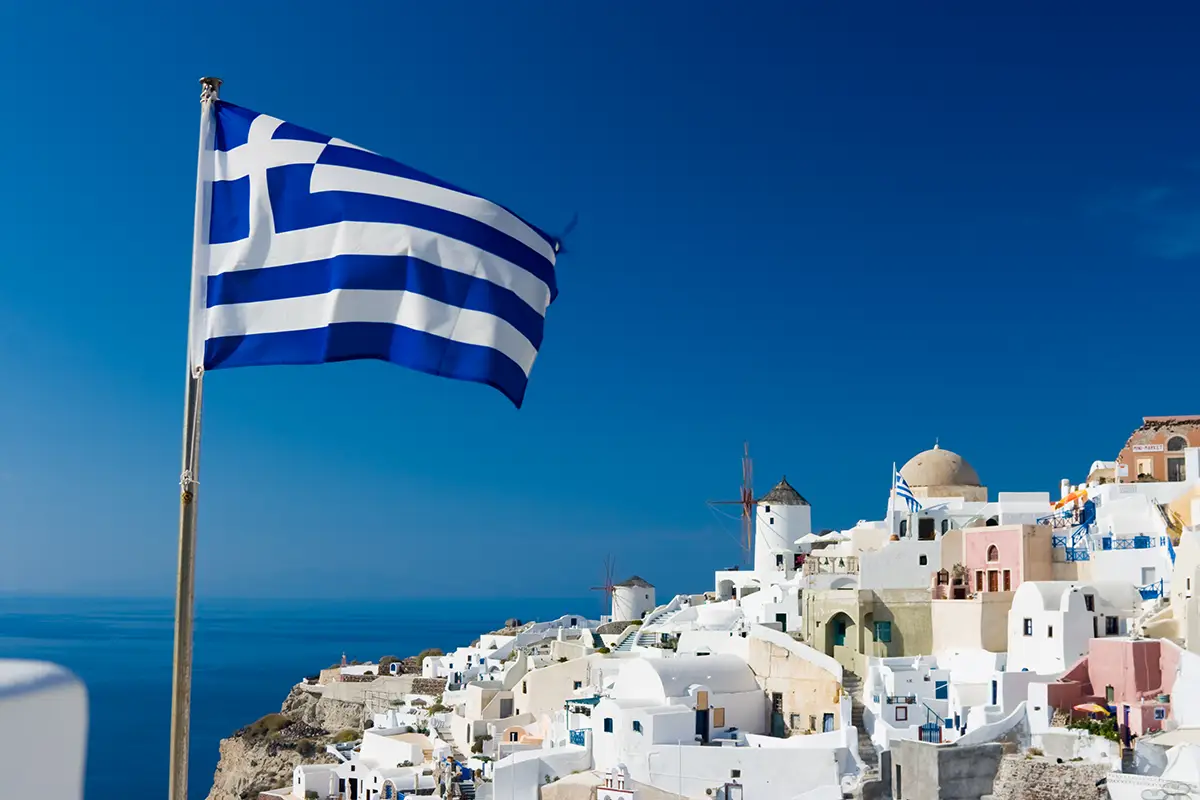
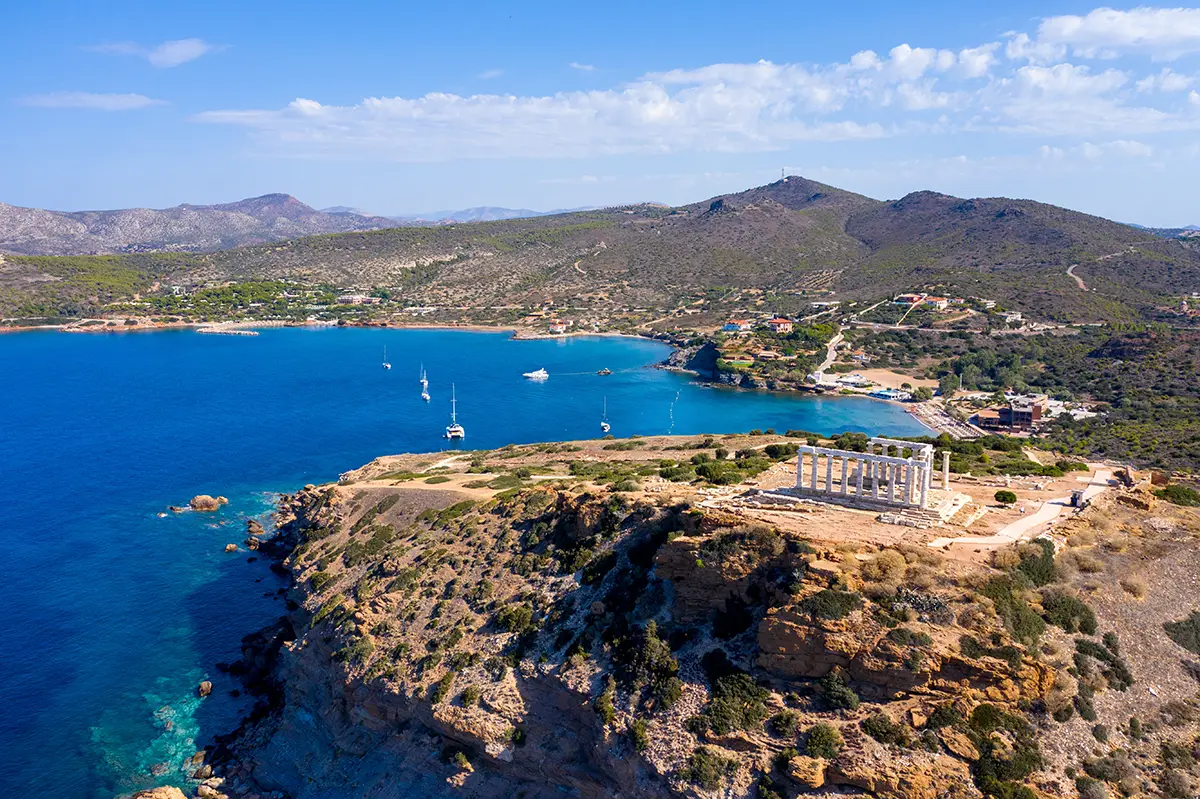
By contrast, Greece’s €250,000 Golden Visa represents a fundamentally different proposition.
Rather than relying on recurring income, the Greek program is structured around capital investment through qualifying real estate, granting a renewable five-year residence permit with no minimum stay requirement. Crucially, it provides:
- Residence rights in an EU member state;
- Visa-free access across the 29-country Schengen Area;
- The ability to lease out qualifying property on a long-term basis;
- Family inclusion (spouse, children, and dependent parents);
- A clear pathway toward long-term EU residence and potential citizenship.
For serious investors, this shifts the equation entirely. Instead of paying annual visa fees for a temporary stay tied to foreign employment, applicants deploy capital into a tangible European asset that can generate rental income and capital appreciation.
From a lifestyle perspective, Greece offers long-term legal security within the European Union, world-class healthcare and education access, established property rights, and deep financial infrastructure, factors that materially influence quality of life and long-term planning.
While Sri Lanka’s digital nomad visa may suit remote workers seeking short- to medium-term flexibility, Greece’s €250,000 Golden Visa is designed for individuals and families seeking stability, asset growth, and integration into Europe’s legal and economic framework.
For those prioritising permanence over renewals, investment over income dependency, and European mobility over regional residence, the Greek Golden Visa presents a far more durable and rewarding solution.
-

Who Are Greece’s Golden Visa Investors in 2026?
The latest official data shows who is driving demand for the Greece Golden Visa in 2026, how the investor mix...