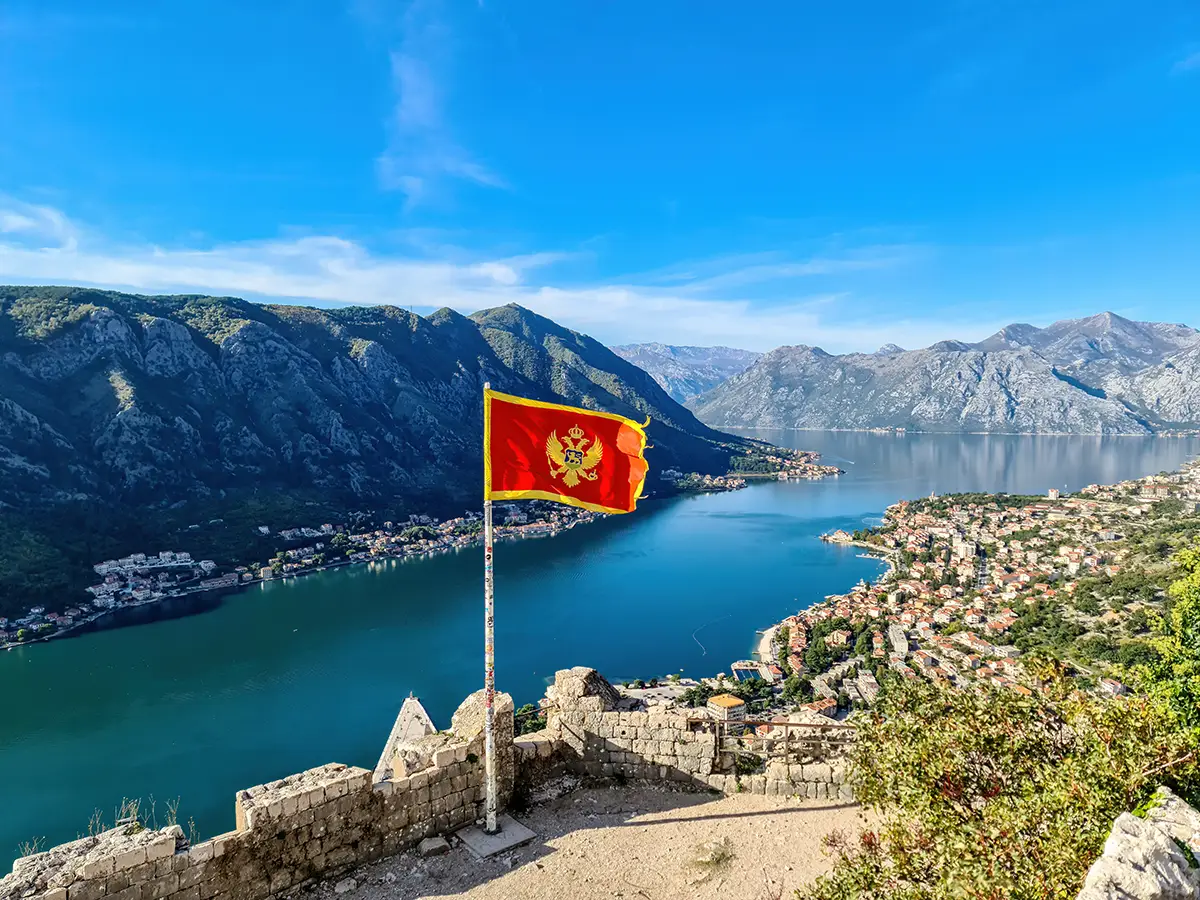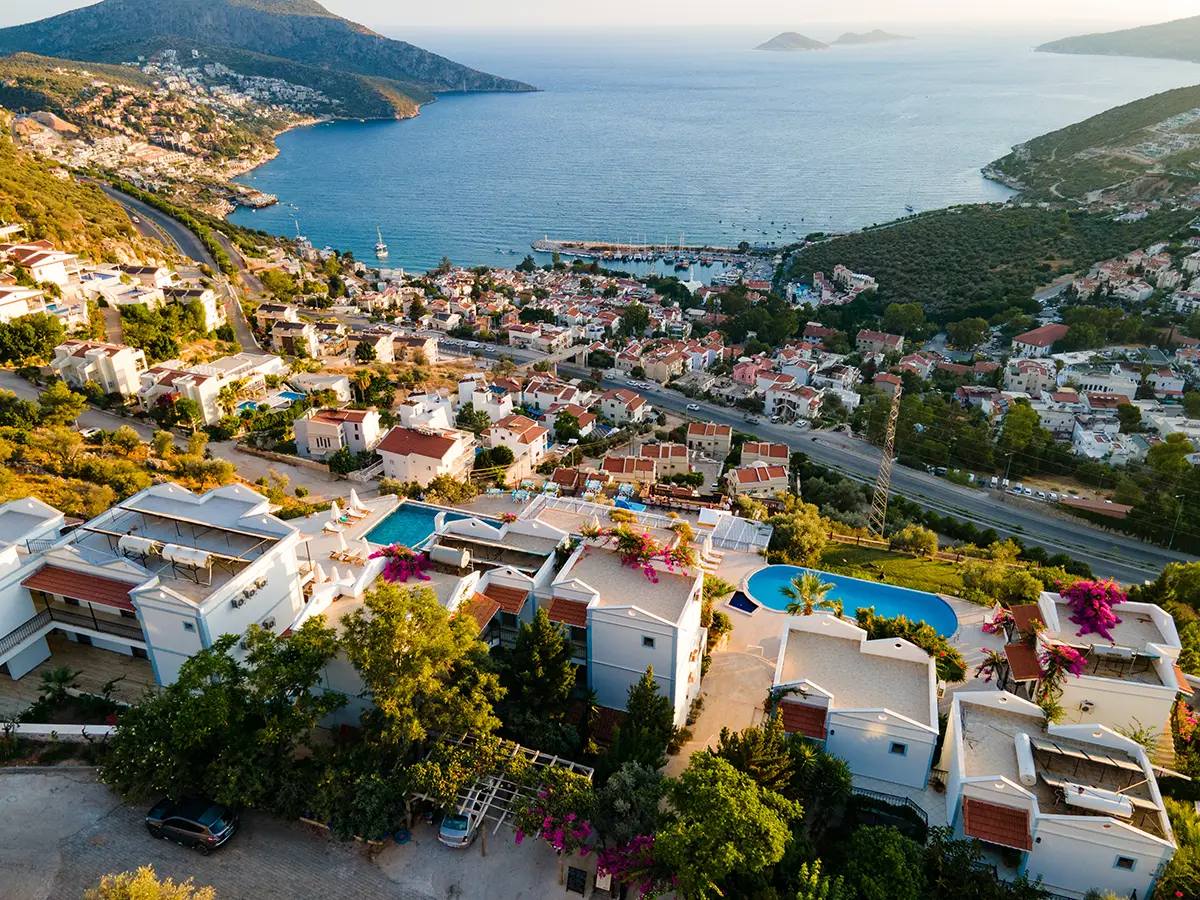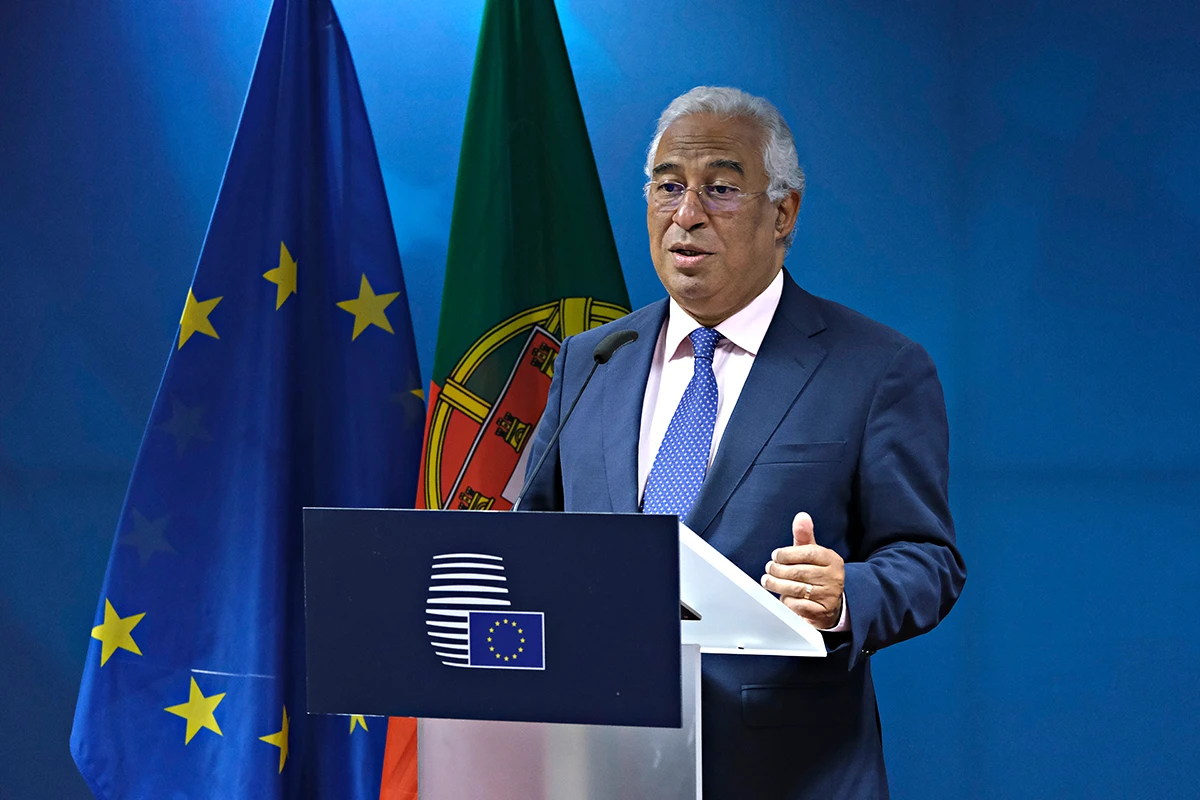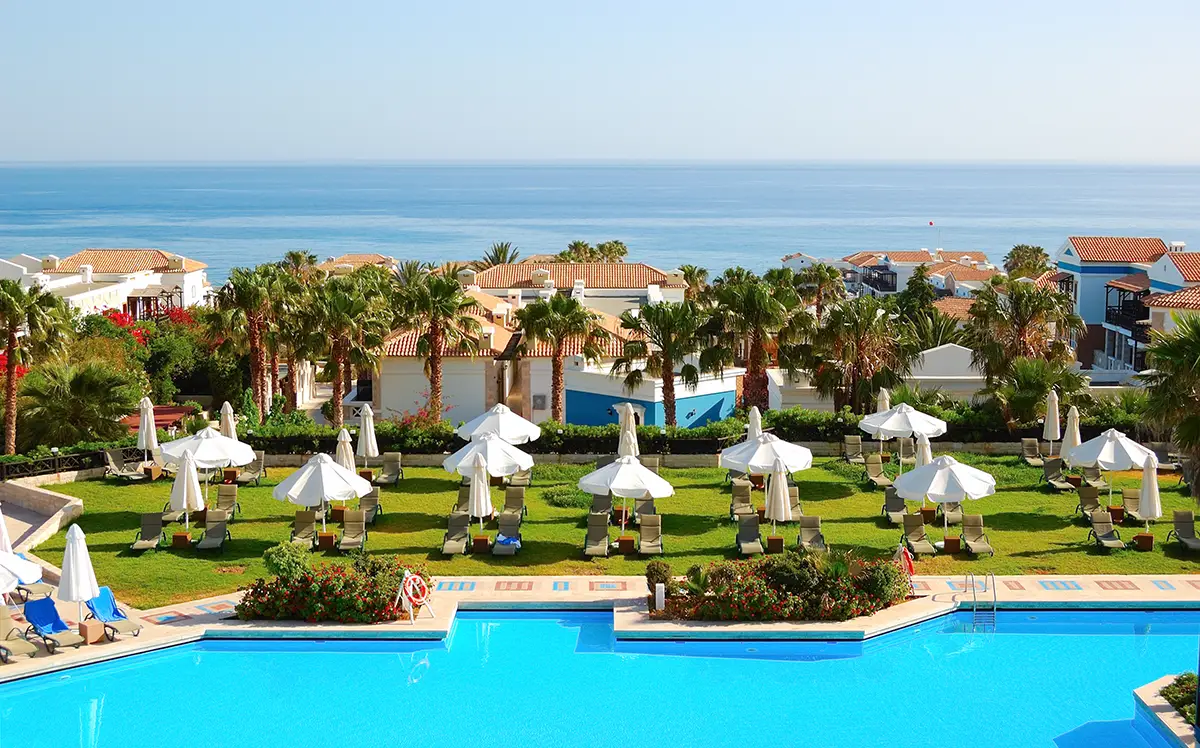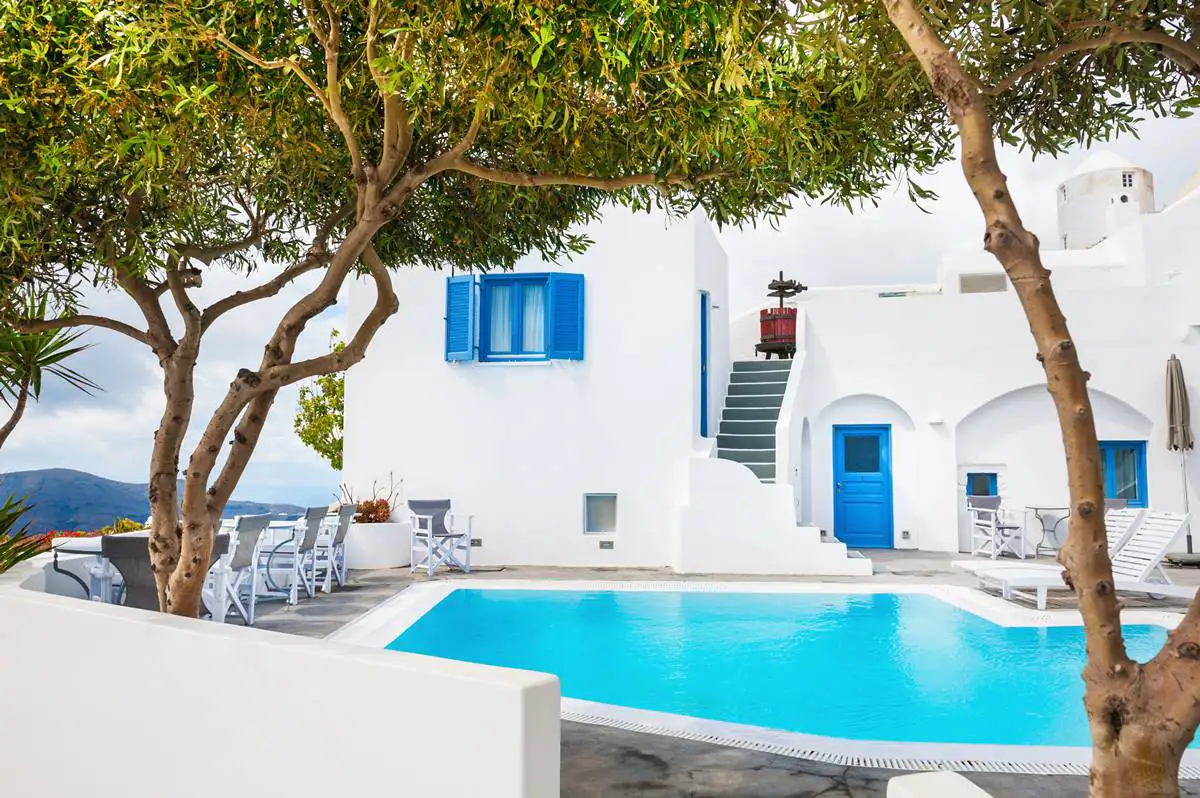



People move abroad for very different reasons. Some want warmer weather or a lower cost of living. Others are looking for better business opportunities, easier international travel or a suitable place to retire.
Climate and scenery matter, but so do housing costs, healthcare, transport, language and the practicalities of securing residence.
The countries below stand out for different reasons. Some offer established investment programmes, while others suit people who plan to work, retire or run a business abroad.
At a glance
Best Places for Expats by Priority
Four options to consider first, depending on what you want from the move.
What Are the Benefits of Living Abroad?

Moving abroad can improve your access to work, education, travel and a different pace of life.
It can also make ordinary tasks more complicated, particularly when dealing with healthcare, government offices, housing or an unfamiliar language.
The practical benefits depend heavily on the country. A lower cost of living can mean more disposable income, but only if local housing, tax and healthcare costs suit your circumstances. A favourable tax system may help some residents while offering little benefit to others.
Residence rights matter just as much as day-to-day living conditions. Before choosing a country, consider how much time you intend to spend there, whether family members can join you and whether the residence route can lead to permanent residence or citizenship.
Nationality, income, family circumstances and long-term plans all affect which options are realistic for you.

The Best Places for Expats to Live in Europe in 2026
Europe remains one of the most popular regions for expats because of its transport links, public services and choice of cities, coastlines and rural areas.
Residents of Schengen countries can travel within the Schengen Area under the applicable immigration rules. People who later qualify for citizenship in an EU country may also gain the right to live and work elsewhere in the European Union.
Portugal: Several Residence Routes and a Wide Choice of Locations

Best for: Families, retirees, entrepreneurs and people seeking long-term European residence
Portugal gives prospective residents a broad choice of settings. Lisbon and Porto have the strongest international connections and many of the country’s main business opportunities. Smaller cities and towns offer a slower pace, while the Algarve and other coastal areas remain popular with retirees and second-home buyers.
Advantages: Portugal is relatively safe, has a mild climate and provides access to established healthcare and education systems. English is widely spoken in the areas most popular with international residents.
Things to consider: Housing costs have risen sharply in Lisbon, Porto and parts of the Algarve. Immigration and other administrative processes can take longer than applicants expect.
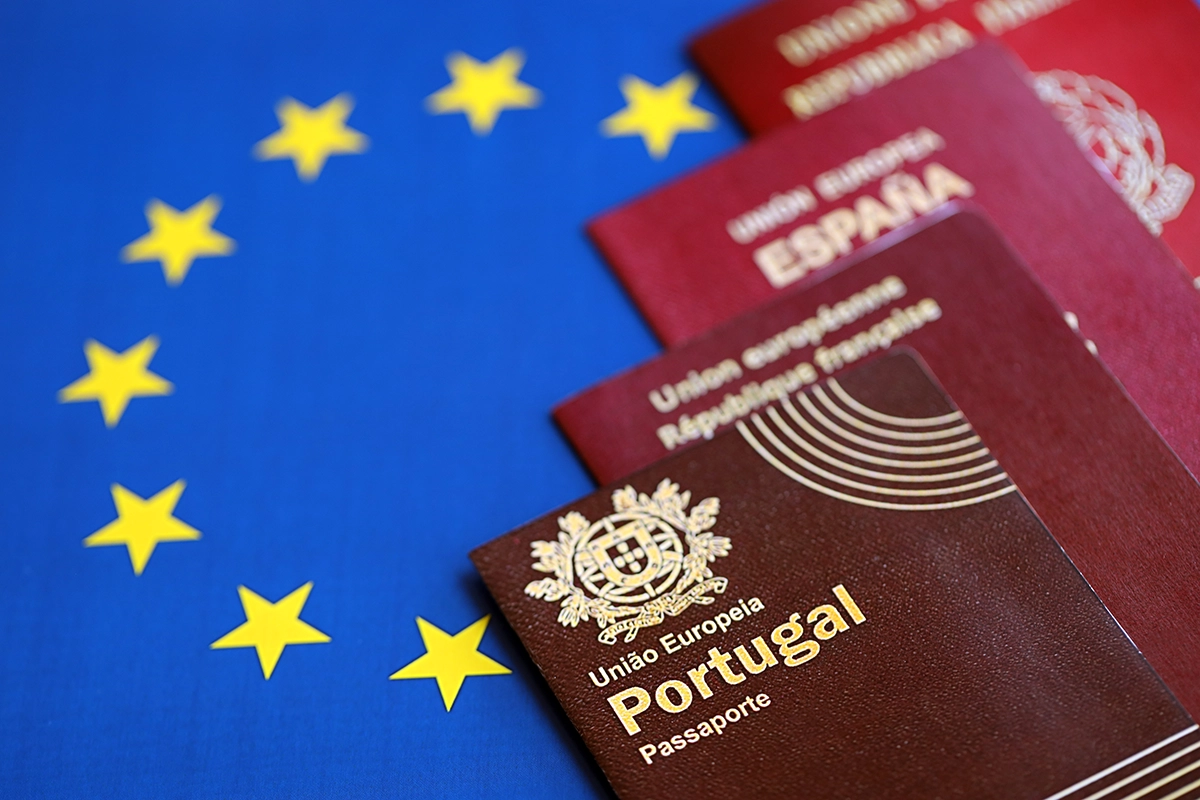
Residency options: Portugal has routes for entrepreneurs, remote workers, people with qualifying independent income and certain investors. Each has its own income, investment and physical-presence requirements.
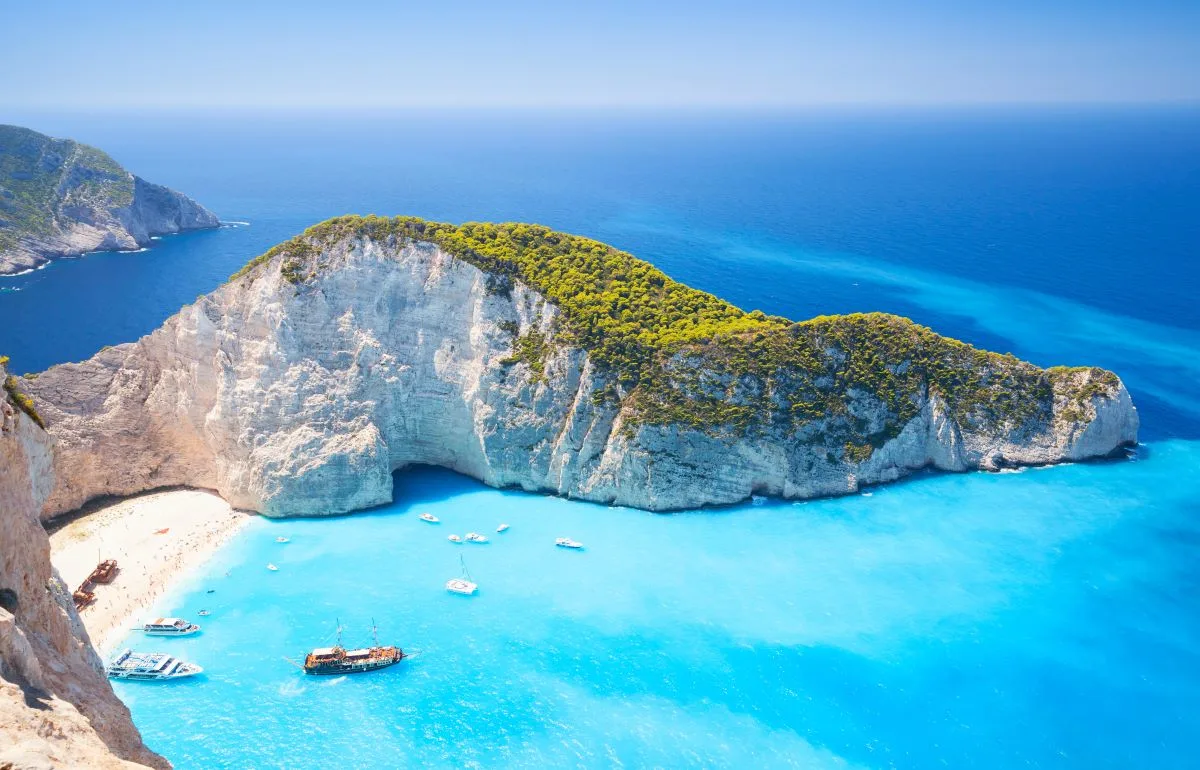
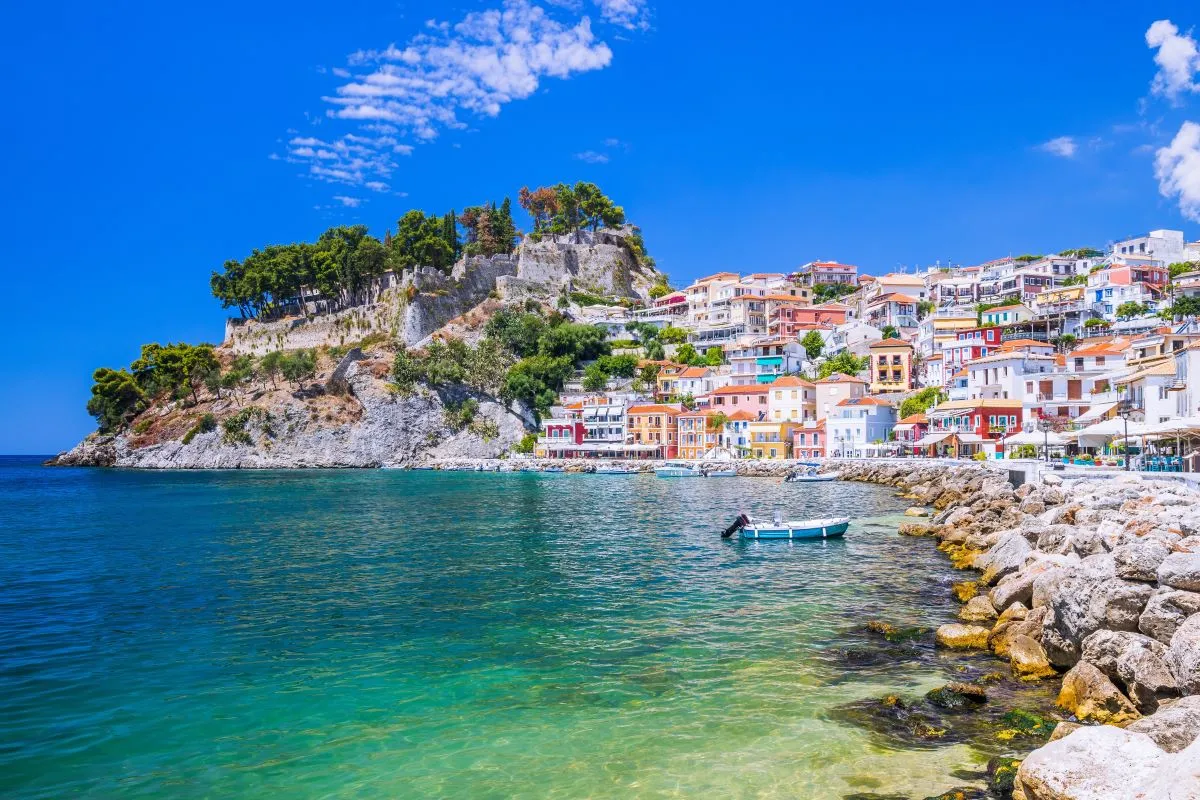
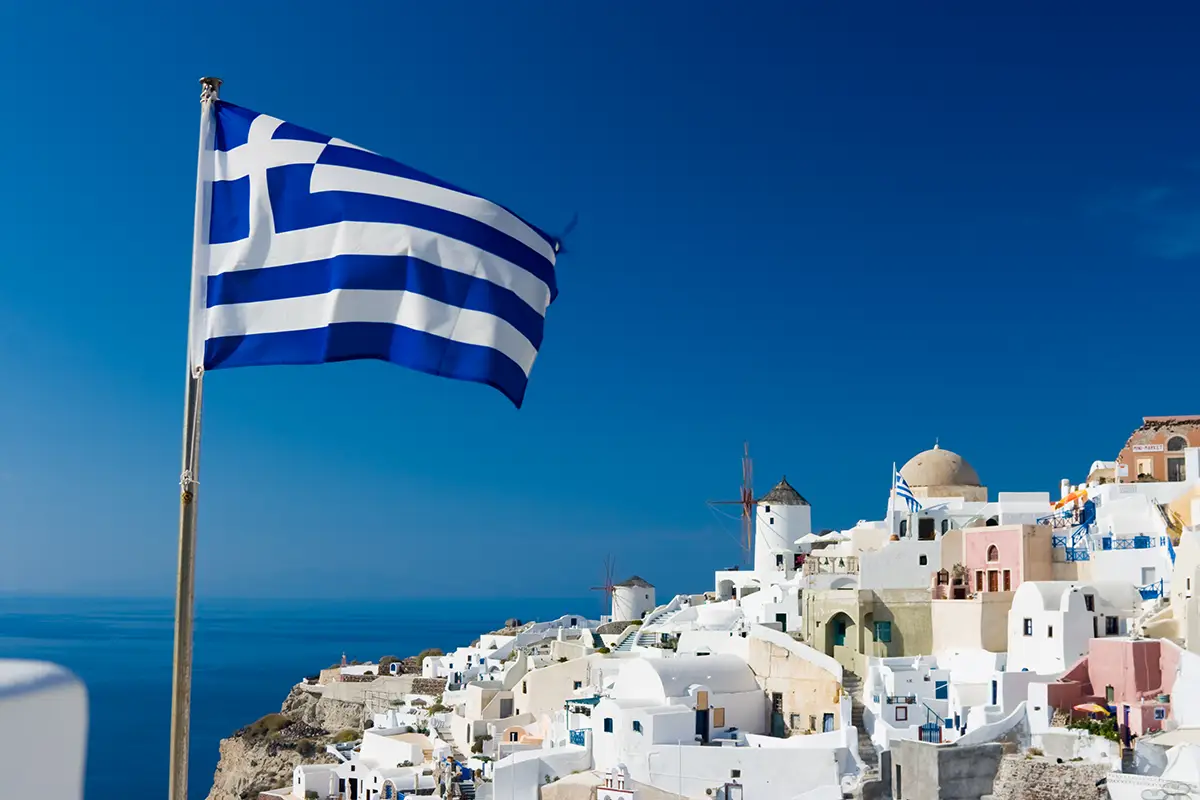
Greece: Mediterranean Living with an Investment Residence Route
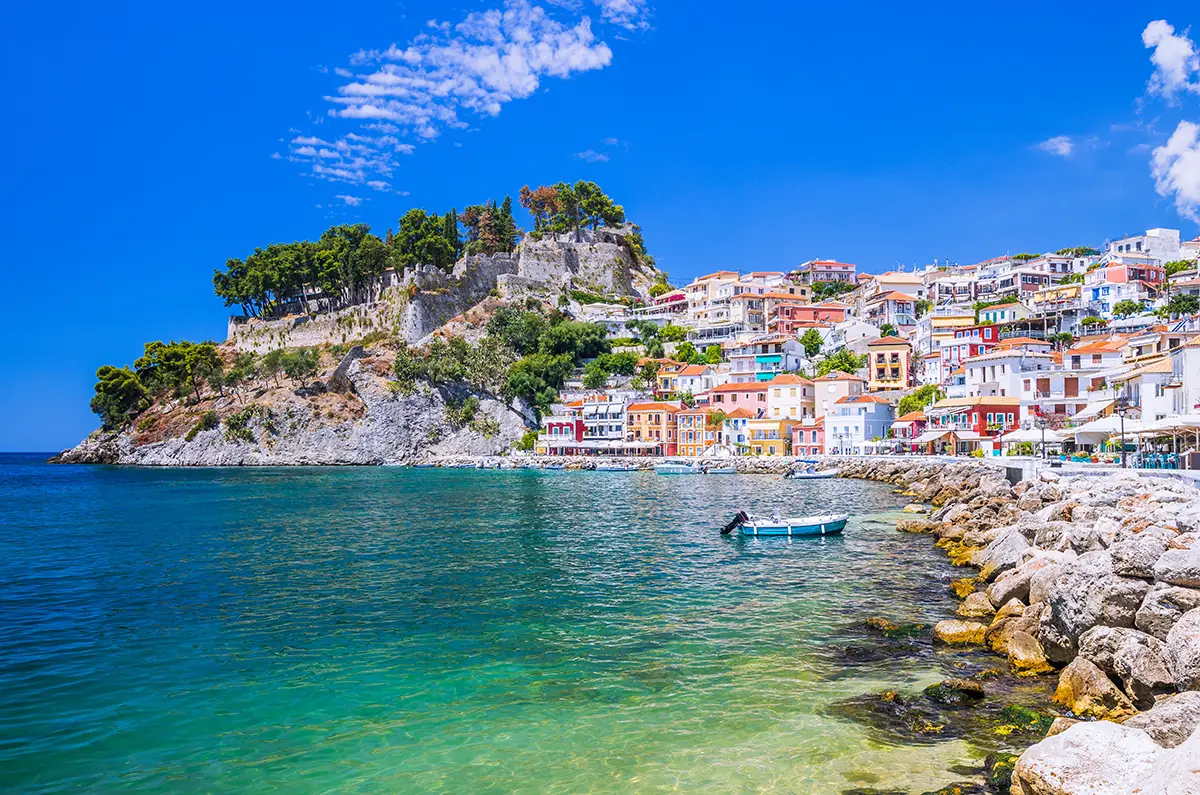
Best for: Retirees, lifestyle buyers and property investors seeking European residence
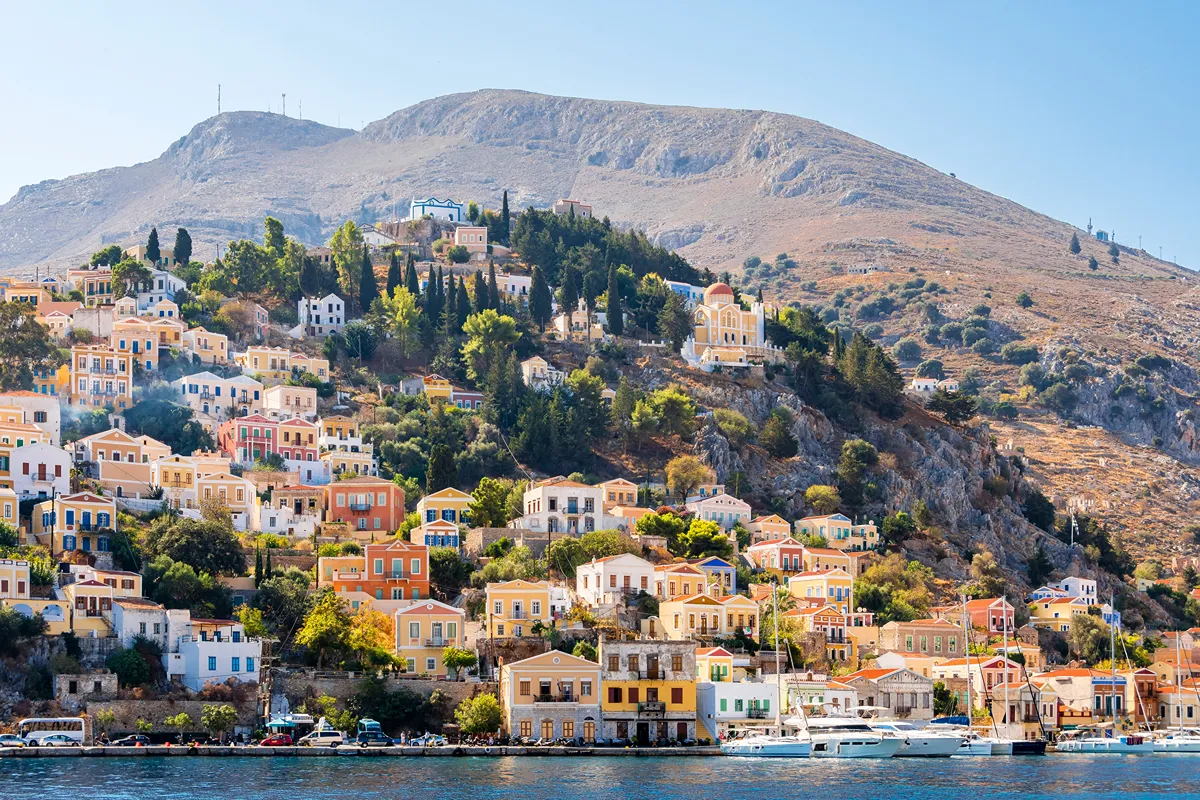
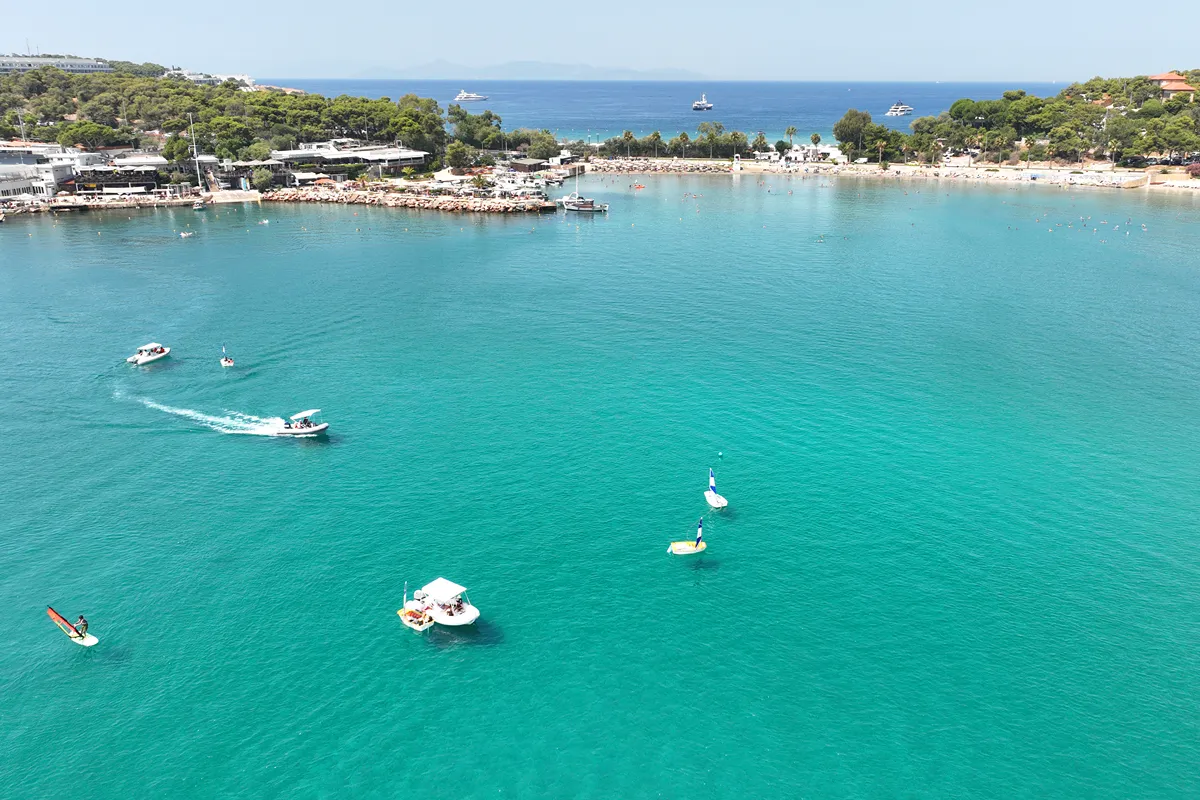
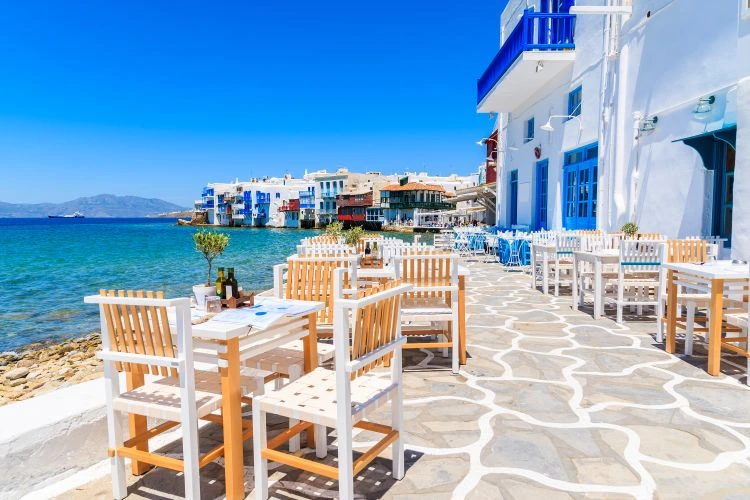
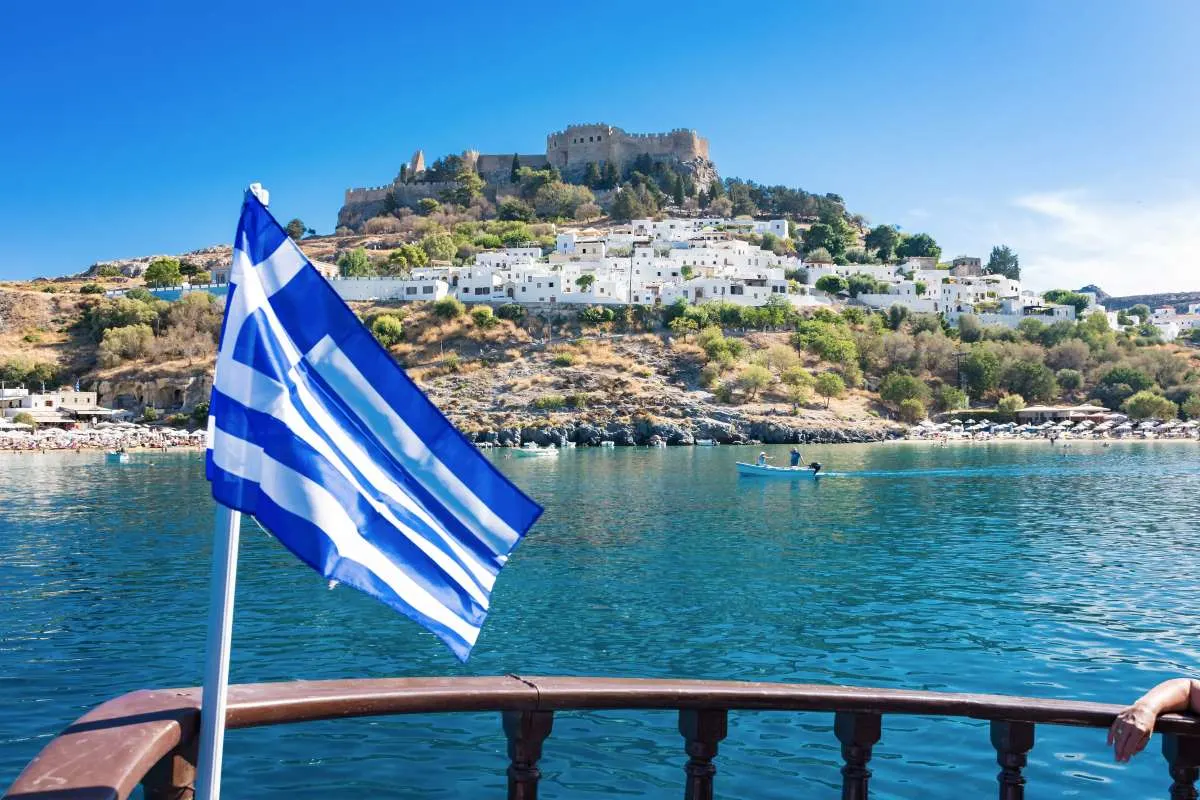
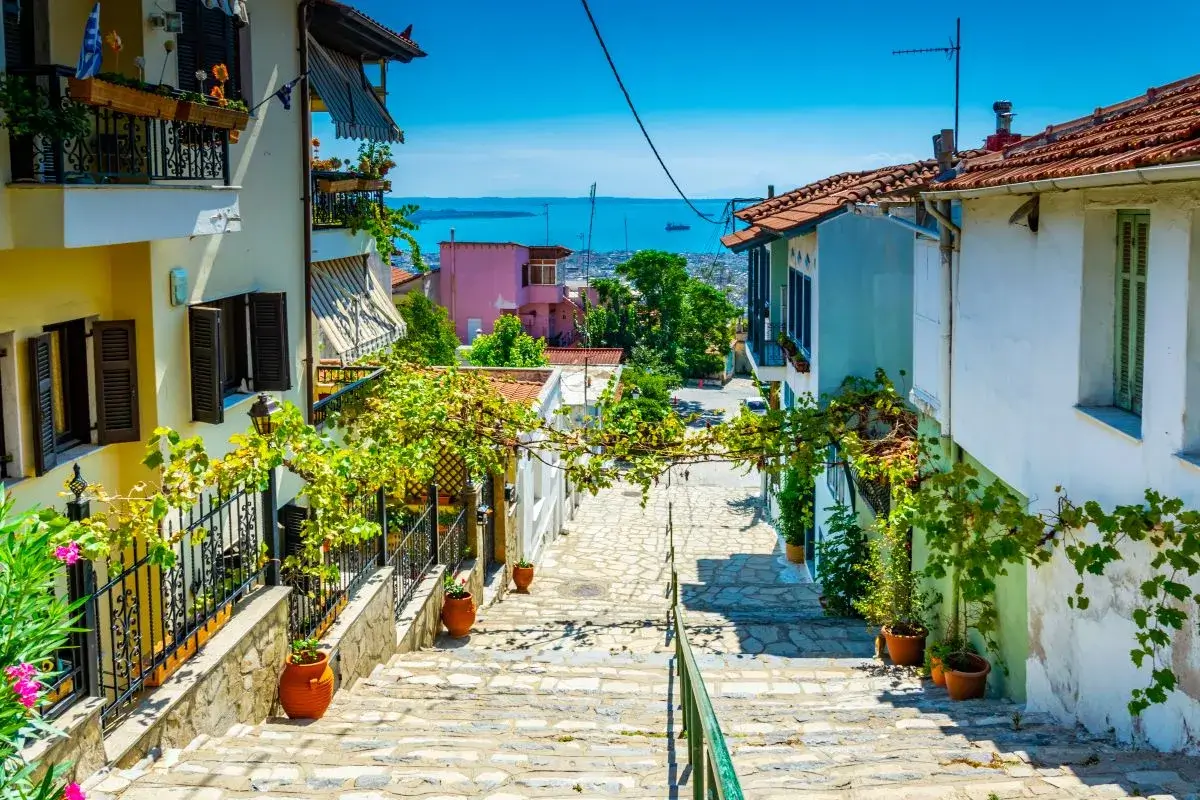
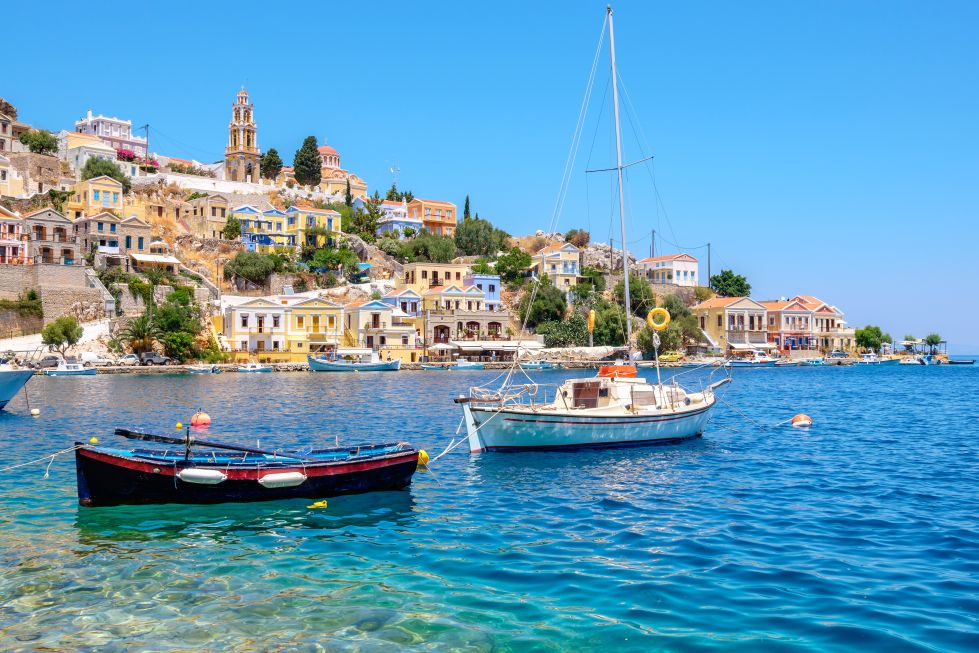
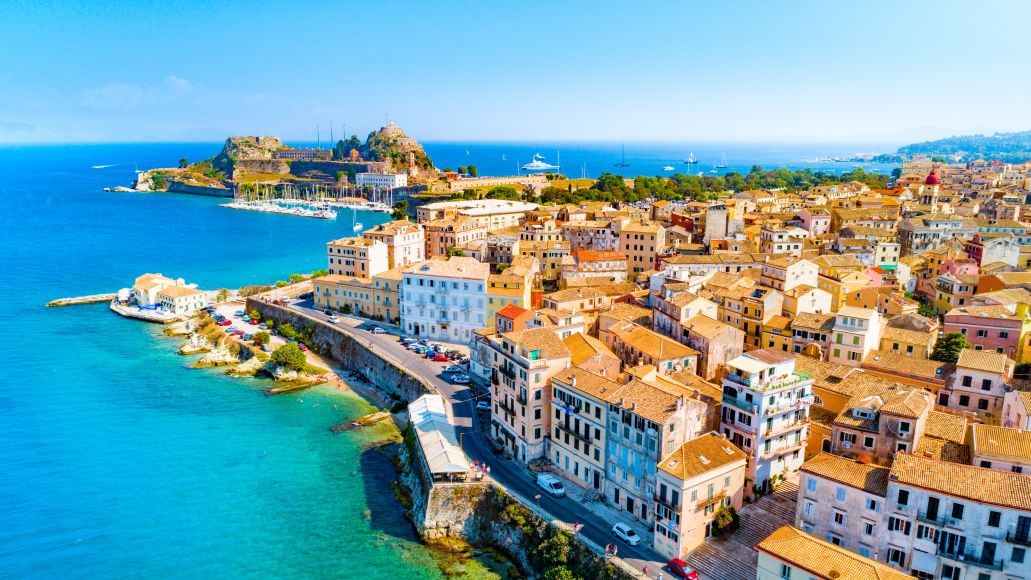
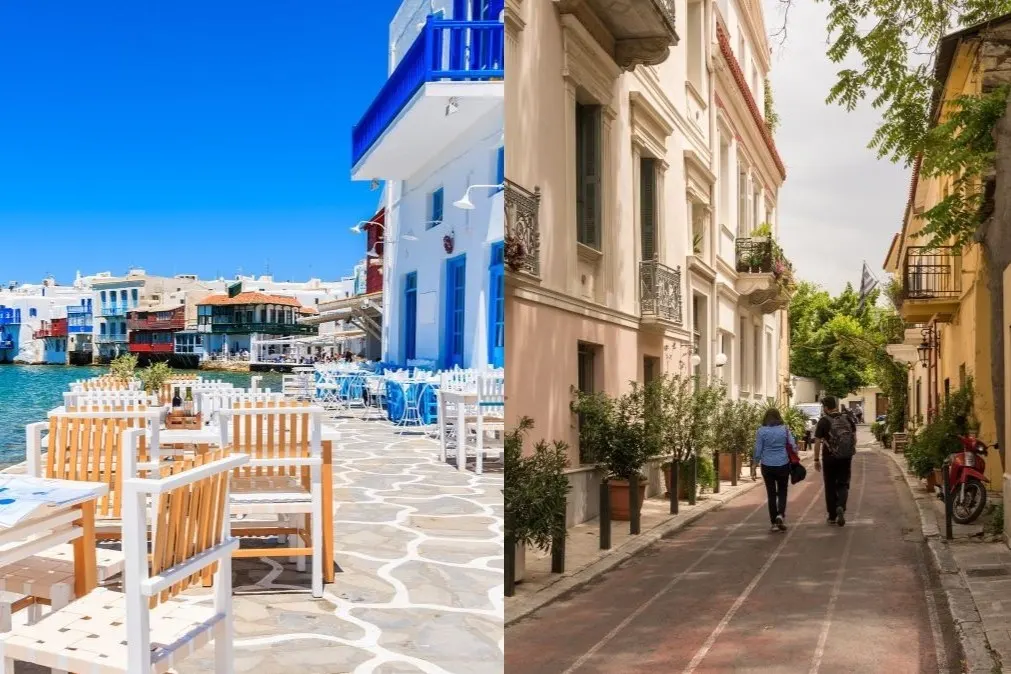
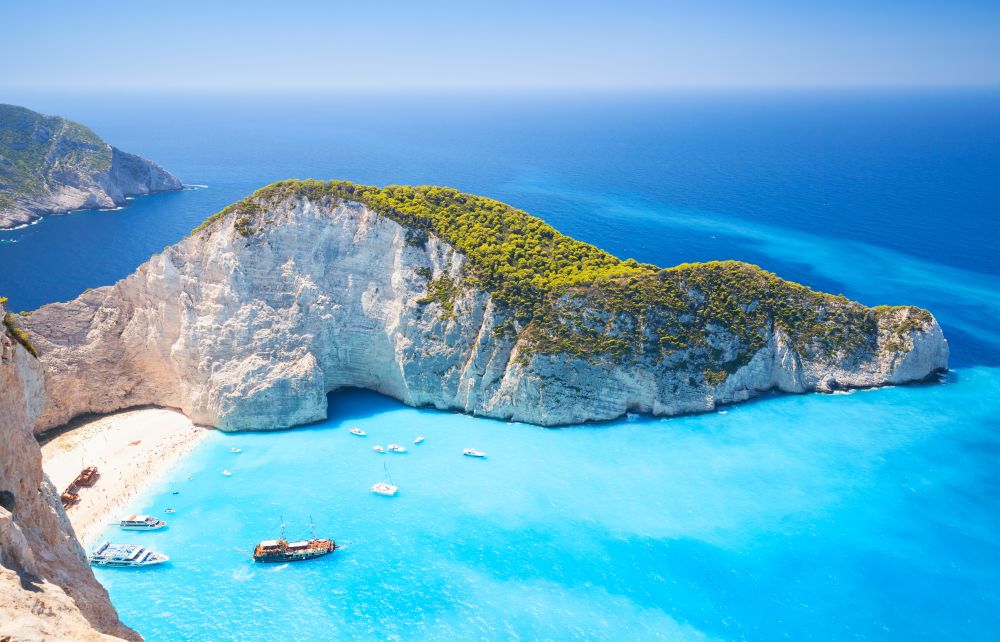
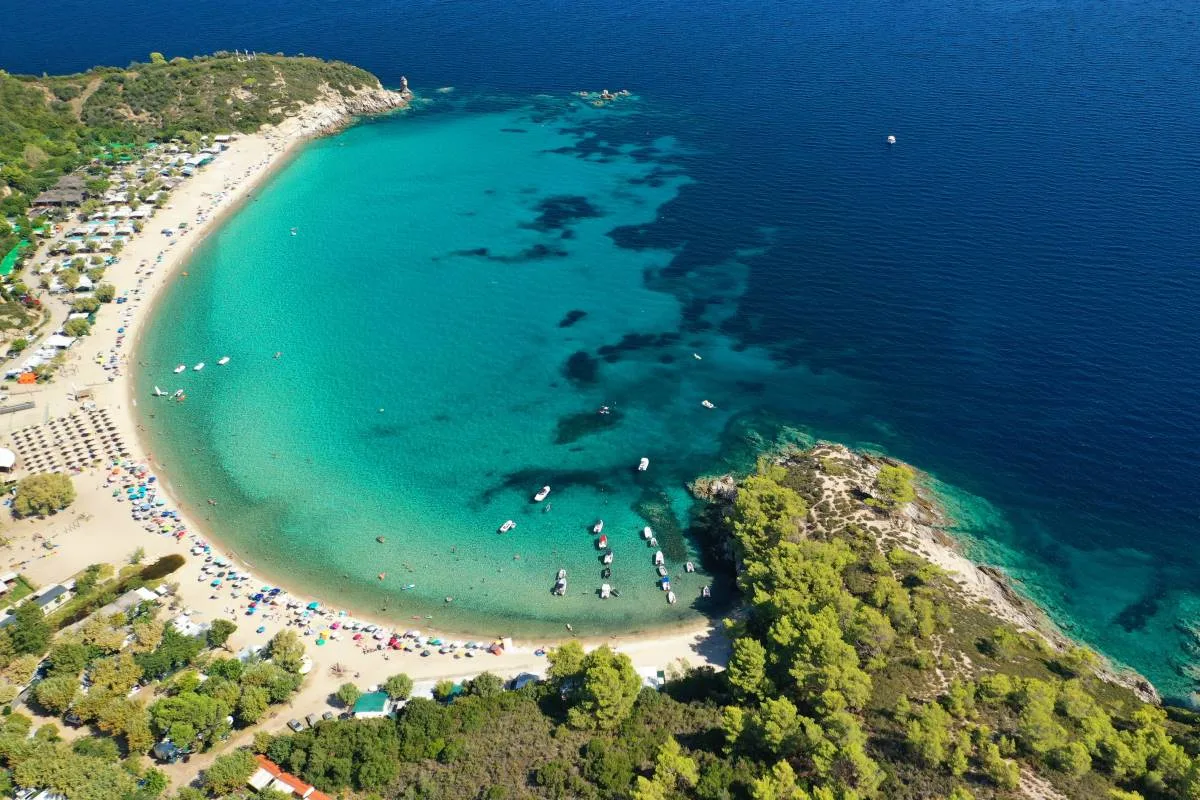
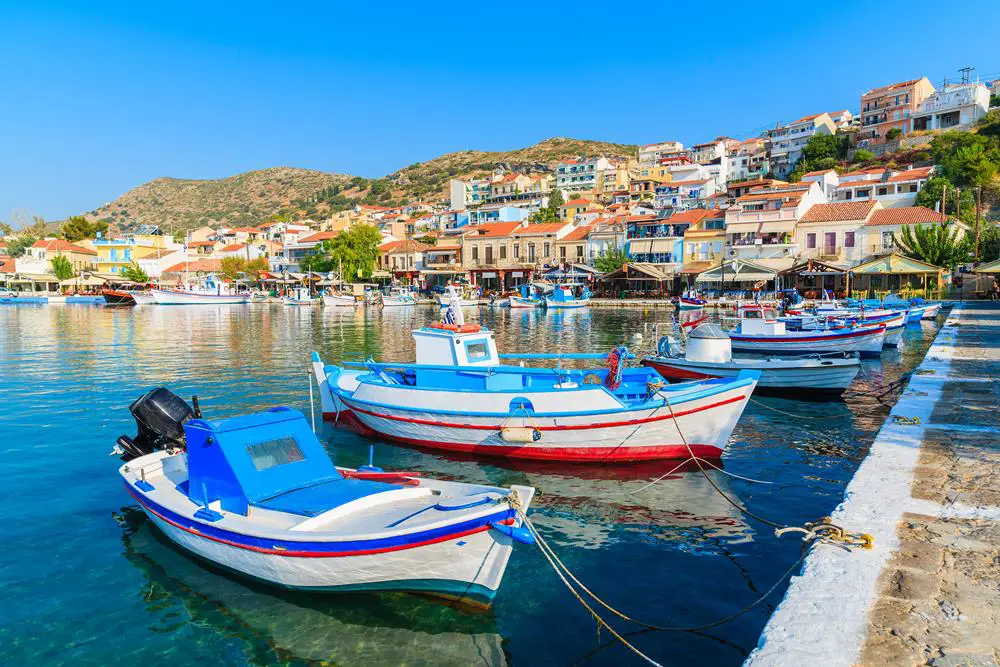
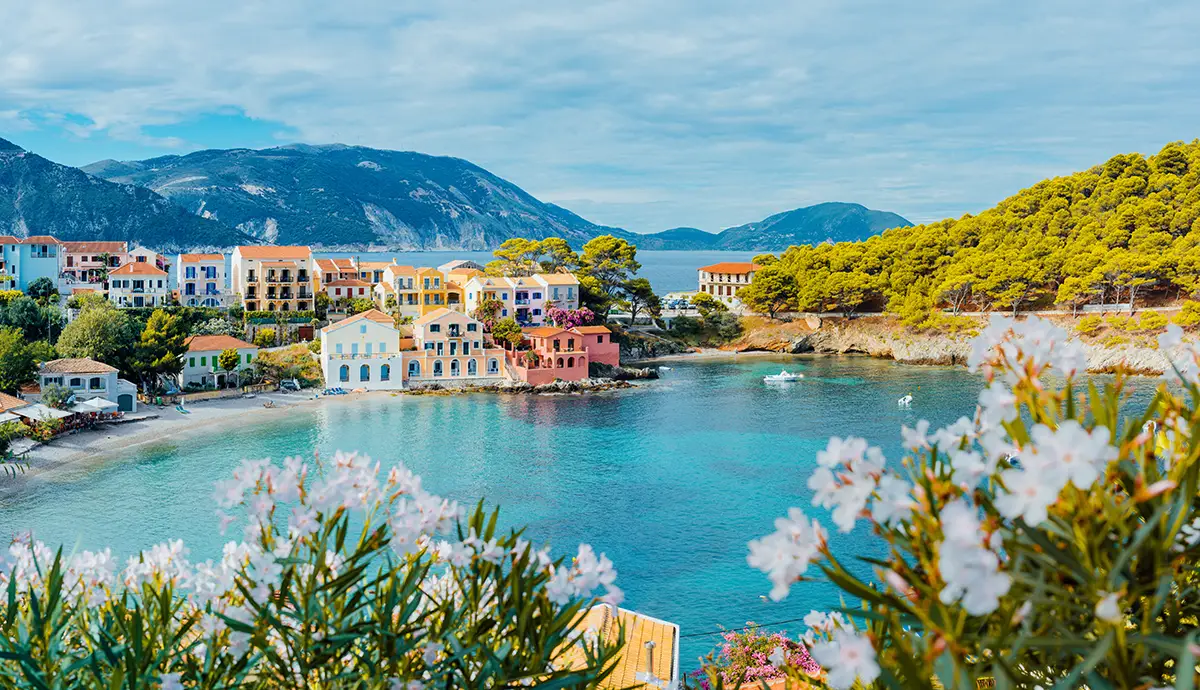
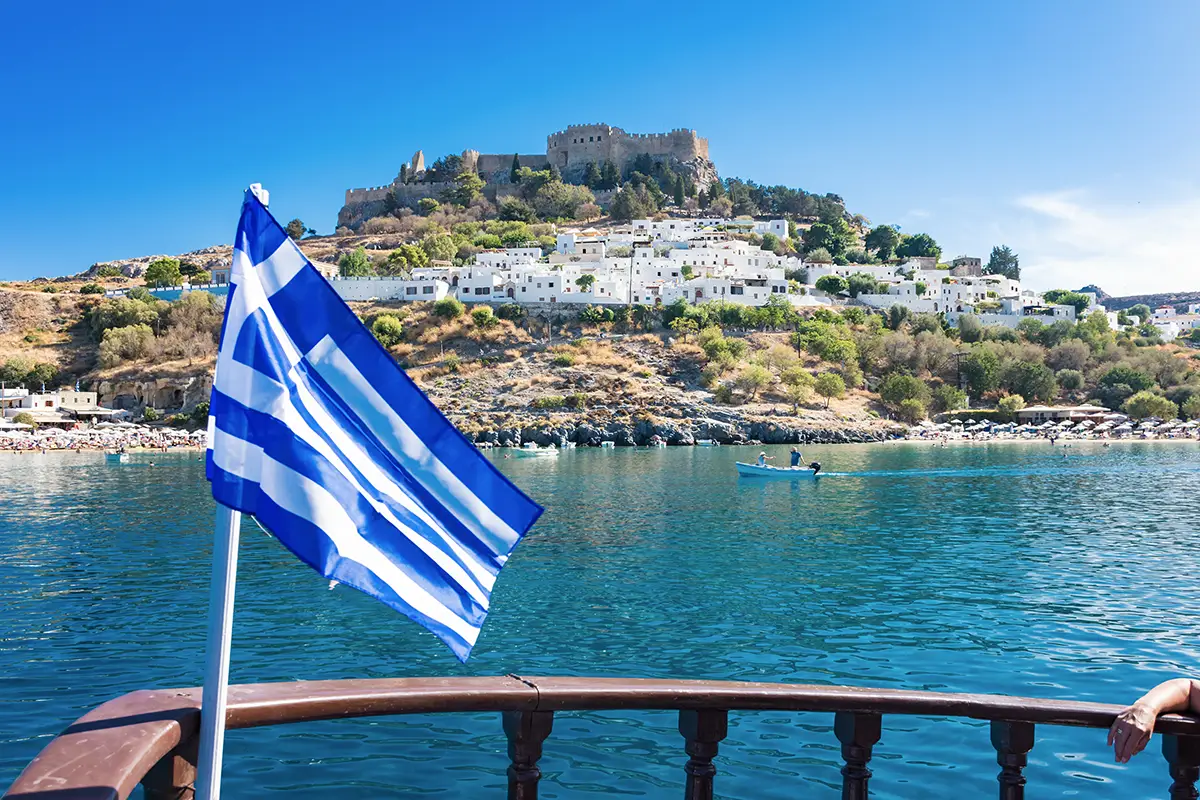
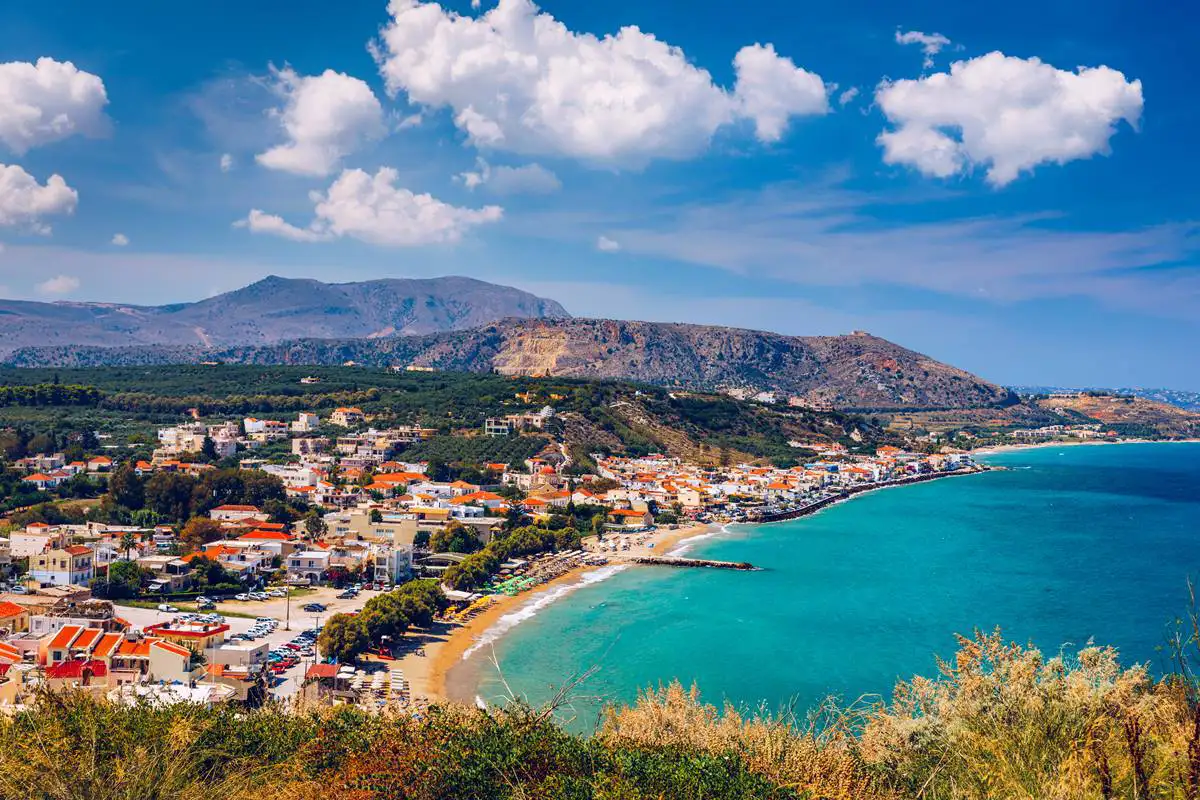
Greece offers far more variety than its island image suggests. Athens is the main commercial centre, while Thessaloniki, Crete and the Peloponnese provide different balances of cost, coastal access and year-round services.
Greece is particularly popular with retirees and second-home buyers who value the climate, food culture and choice of property markets.
Advantages: Living costs remain comparatively accessible in many parts of the country. Buyers can choose between city apartments, mainland homes and properties in established island markets.
Things to consider: Public administration can be slow. Transport, healthcare and year-round services also vary considerably between Athens, the mainland and smaller islands.
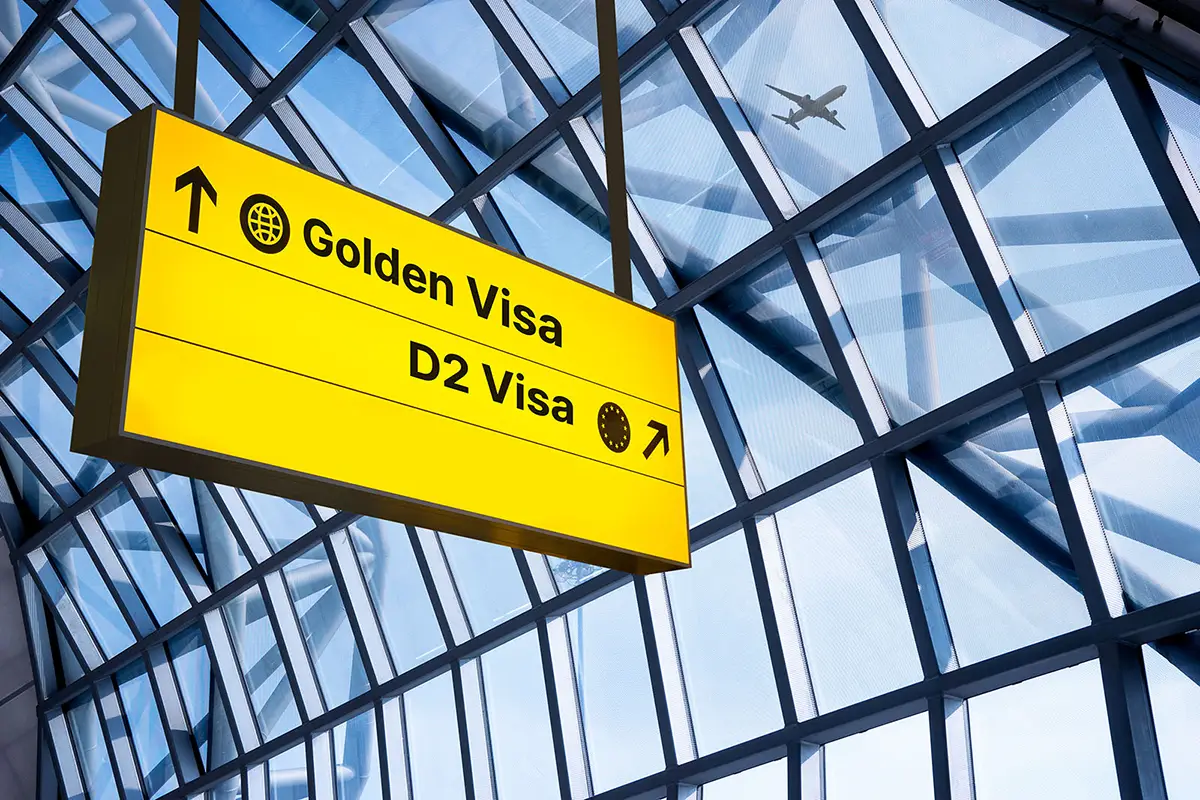
Residency options: The Greece Golden Visa grants residence through qualifying investment. Property thresholds differ according to the location and type of purchase.
Cyprus: Permanent Residence in an English-Speaking Business Market

Best for: Investors, internationally mobile families and people seeking a warm European base
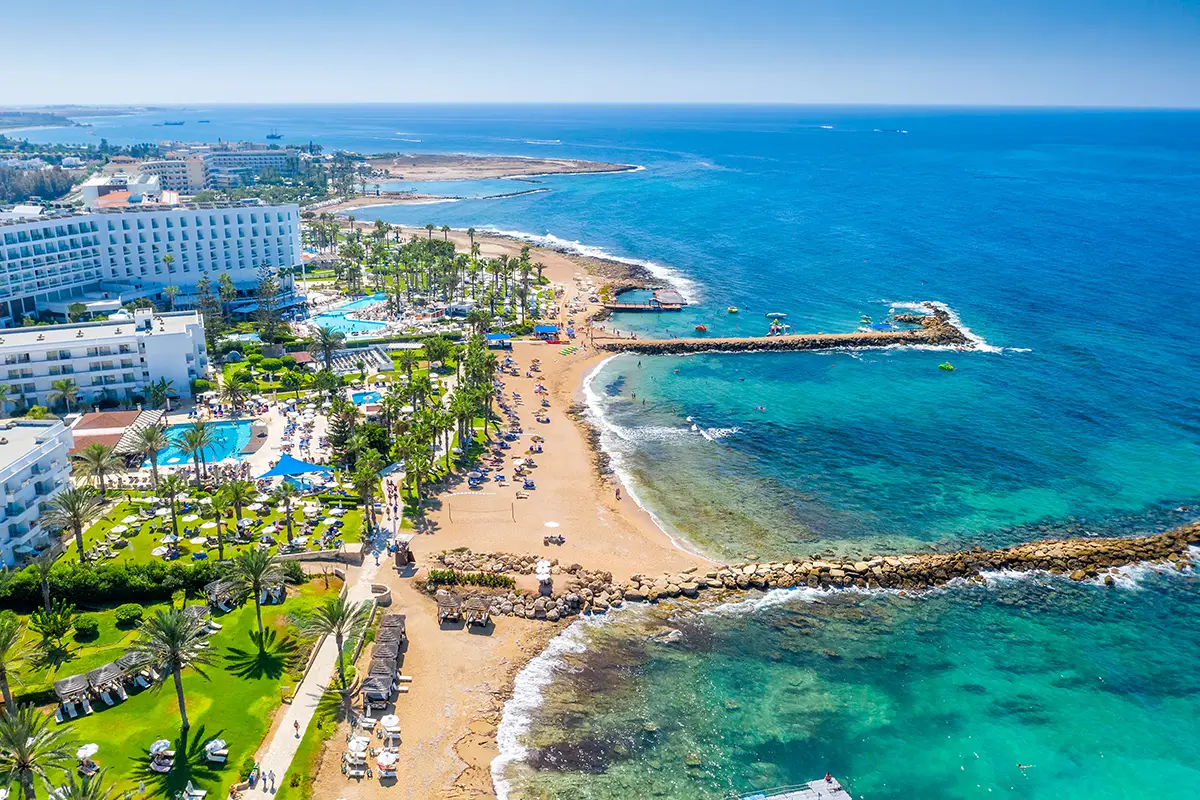
Cyprus has a Mediterranean climate, an English-speaking business community and regular connections with Europe and the eastern Mediterranean.
Limassol has the largest international business community. Paphos and Larnaca have stronger coastal and second-home markets, while Nicosia is the administrative and commercial capital.
Advantages: Cyprus offers a warm climate, a relatively safe living environment and favourable tax treatment for some residents. English is common in business and professional services.
Things to consider: The domestic market is small. Applicants should also understand the political and legal differences between the internationally recognised Republic of Cyprus and the northern part of the island.
Residency options: Non-EU investors may qualify for permanent residence through eligible investment, subject to income, property and supporting-document requirements.
Best Places to Live in the Caribbean as an Expat
The Caribbean appeals to people looking for warm weather, a smaller community and, in several countries, an English-speaking environment.
Some Caribbean nations also run citizenship-by-investment programmes. Qualifying applicants and their families can obtain citizenship without first completing a conventional long-term residence process.
Citizenship does not automatically mean that a country is suitable for full-time living. Applicants should look separately at healthcare, employment, transport and tax residence before deciding to relocate.
Saint Lucia: English-Speaking Island Life

Best for: Families and investors seeking citizenship in an English-speaking country
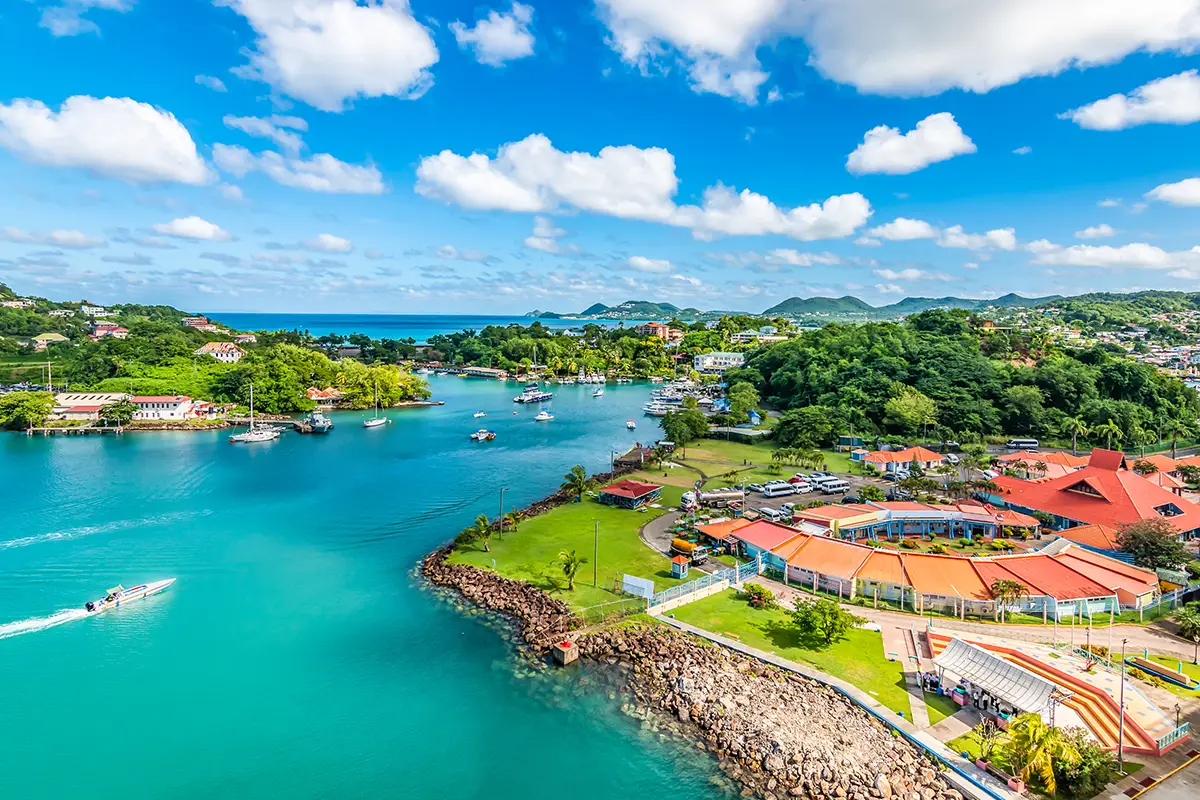
Saint Lucia has an established tourism industry, an English-speaking population and regular flight connections with major regional markets.
Its small scale and mountainous geography may suit people looking for a slower pace. It is less suitable for those who need a large employment market or frequent access to specialist services.
Advantages: English is the official language, the climate is tropical and the country has an established international community.
Things to consider: Some imported goods are expensive. Specialist healthcare, professional services and local employment options are more limited than in larger countries.
Relocation options: Saint Lucia operates a citizenship-by-investment programme with several qualifying routes. Citizenship applicants should assess tax residence and full-time relocation separately.
Antigua and Barbuda: Second Citizenship for Families
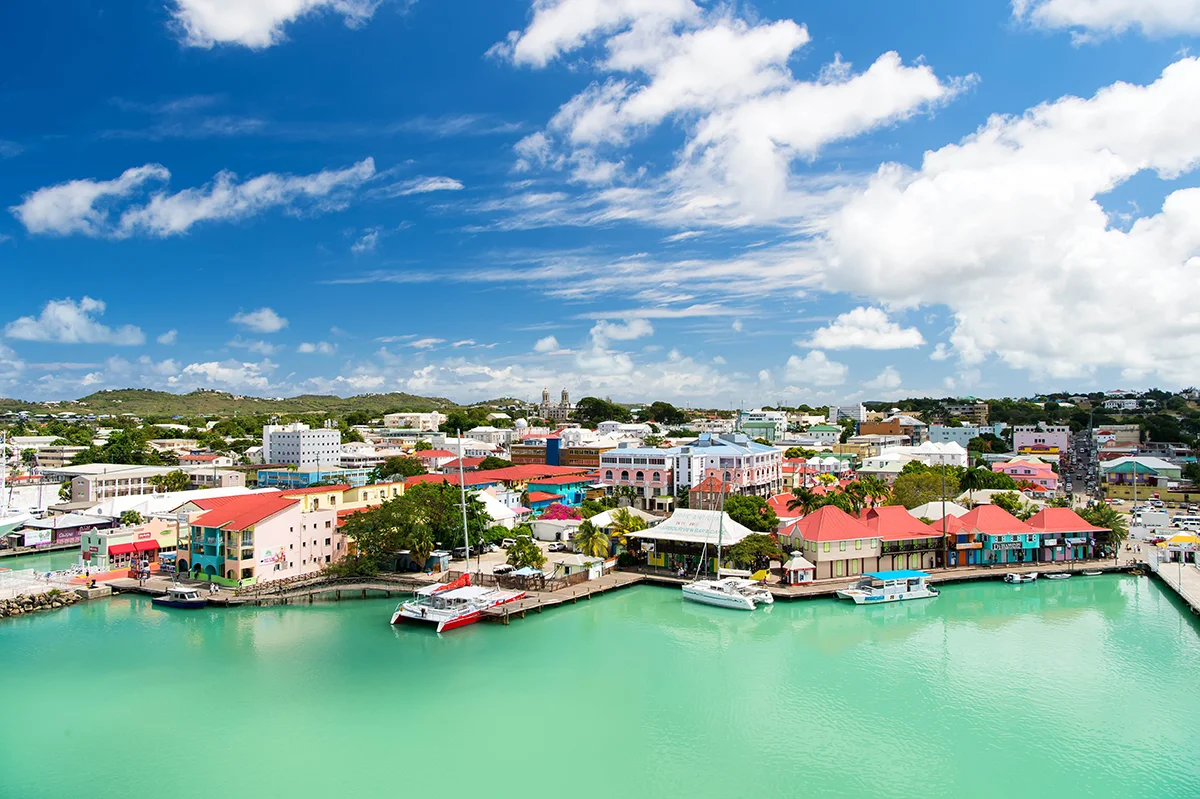
Best for: Families seeking a Caribbean second citizenship
Antigua and Barbuda has an English-speaking population, a well-developed tourism industry and direct connections with North America and Europe.
The country is best known for its beaches and resort market, but it also has an established international community and a long-running citizenship programme.
Advantages: English is the official language, international travel connections are good for a country of its size and there is no personal income tax under the current system.
Things to consider: Imported goods can be expensive. The local economy may not offer suitable work or business opportunities in every sector.
Relocation options: Antigua and Barbuda grants citizenship through approved contributions, real estate and other qualifying investments. Applicants should check the programme’s physical-presence requirements before applying.
Grenada: Caribbean Citizenship with Potential E-2 Visa Access

Best for: Investors and families seeking second citizenship and possible US business access
Grenada is a small English-speaking country with a growing tourism market and less large-scale resort development than several neighbouring islands.
Its citizenship programme has one clear point of difference. Eligible Grenadian citizens may apply for the United States E-2 Treaty Investor Visa, provided they meet the separate US requirements.
Advantages: Tropical climate, English language, an established citizenship programme and possible access to the E-2 visa route.
Things to consider: Healthcare, local employment and specialist professional services are limited compared with larger countries.
Relocation options: Grenada’s citizenship-by-investment programme includes approved real estate and contribution routes.
Dominica: An Established and Comparatively Accessible Citizenship Programme

Best for: Applicants prioritising cost and a long-running citizenship route
Dominica is a mountainous island known for rainforests, waterfalls and outdoor activities. It has less mass tourism and large-scale development than several other Caribbean countries.
Its citizenship-by-investment programme has operated for several decades and remains one of the best-known options in the region.
Advantages: Dominica offers a strong natural environment and comparatively accessible qualifying routes.
Things to consider: International flight access is limited. Infrastructure and specialist services are also less extensive than in larger or more developed Caribbean markets.
Relocation options: Applicants may qualify through an approved contribution or eligible real estate investment, subject to due diligence and current programme rules.
Best Places to Live in the Middle East as an Expat
The Middle East attracts professionals, business owners and investors working in finance, property, technology and international trade.
Gulf Cooperation Council countries, including Bahrain, Kuwait, Oman, Qatar, Saudi Arabia and the United Arab Emirates, have large foreign workforces and strong links with Europe, Asia and Africa.
Several also offer favourable personal tax environments. Housing costs, local laws and cultural expectations differ sharply between them.
Qatar: High Salaries and Modern Infrastructure
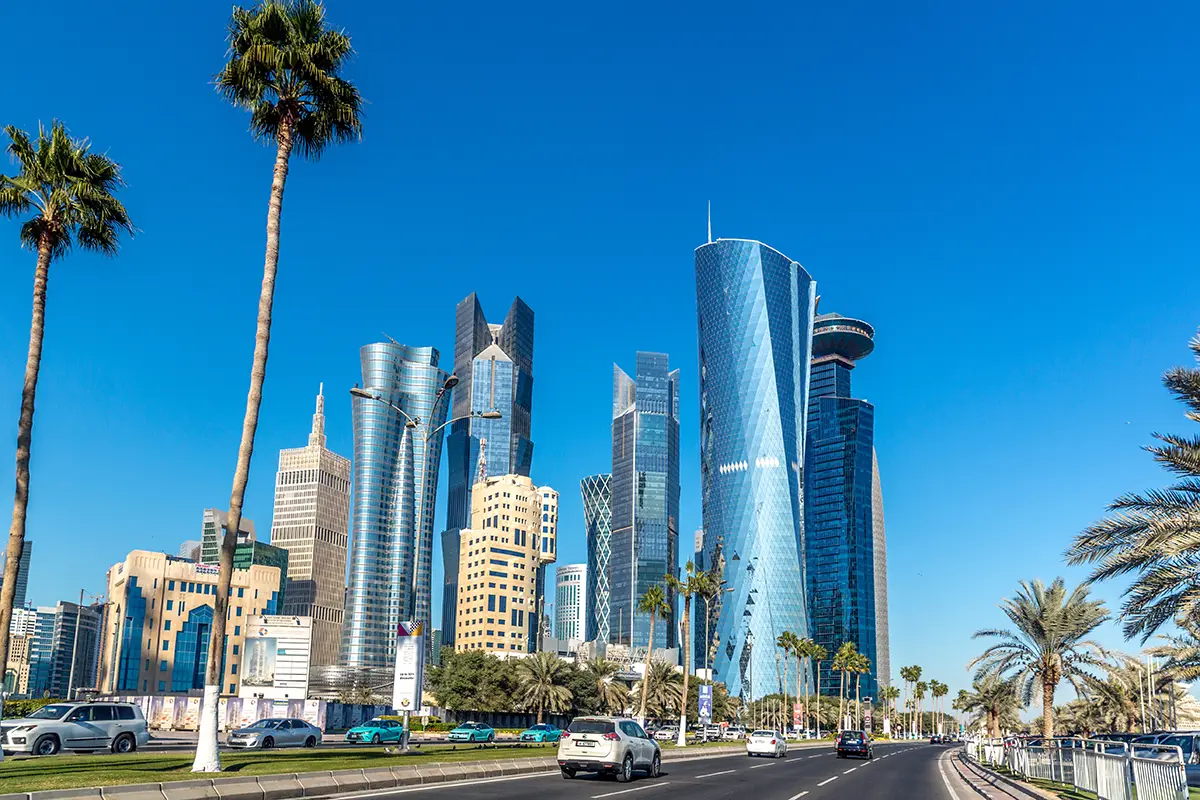
Best for: Skilled professionals, executives and qualifying property investors
Qatar has a large international workforce and a high-income economy centred on Doha. The capital has extensive transport, private healthcare, education and leisure facilities.
Many residents move to Qatar for employment rather than permanent settlement. The country’s modern services sit alongside conservative laws and social expectations.
Advantages: Qatar is safe, well connected and has no personal income tax on employment income under the current system. Salaries can be attractive in sectors where international expertise is in demand.
Things to consider: Housing and private education can be expensive. Summers are extremely hot, and residents must comply with local legal and cultural rules.
Residency options: Foreign nationals may obtain residence through employment, family sponsorship or qualifying property ownership in designated areas. The rights attached to each category differ.
United Arab Emirates: A Business Base with Long-Term Residence Options
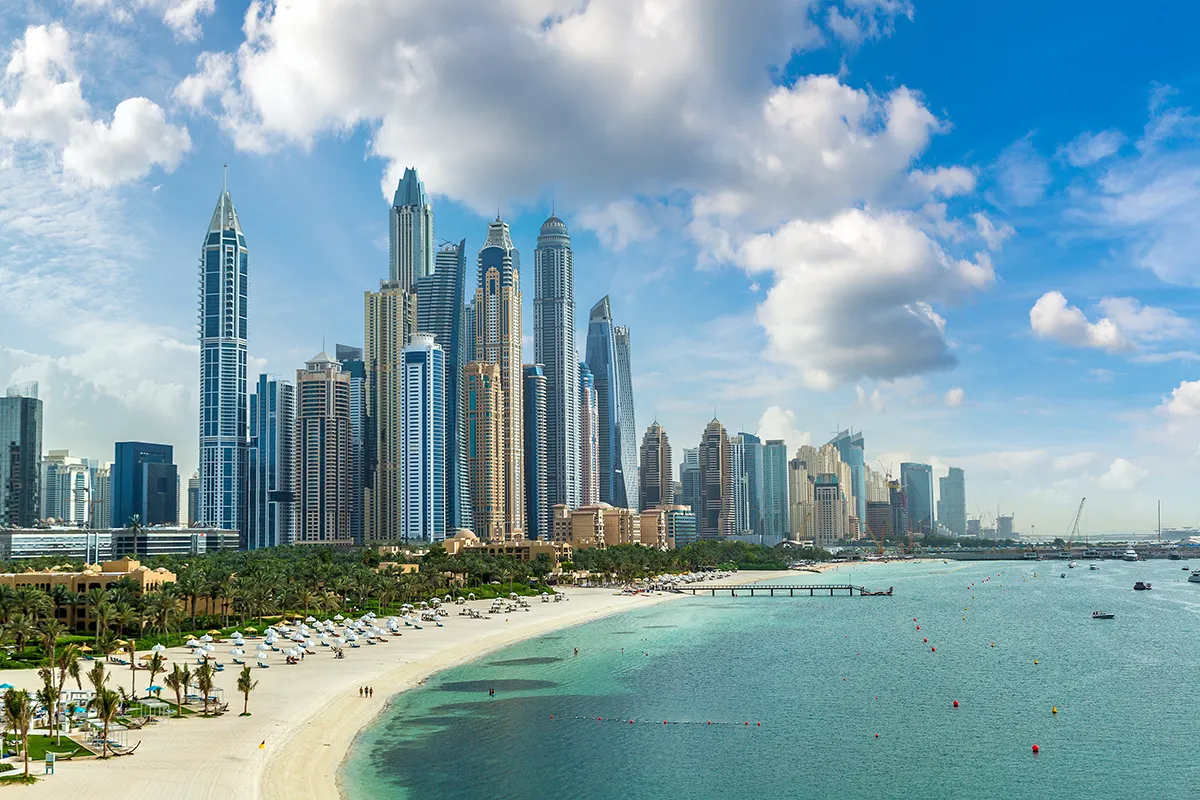
Best for: Entrepreneurs, investors, executives and internationally mobile professionals
The United Arab Emirates consists of seven emirates, including Dubai and Abu Dhabi. It is a major centre for aviation, property, tourism and professional services.
Its large expat population supports a wide range of international schools, private healthcare providers, English-language services and business networks.
Advantages: The UAE has no federal personal income tax, strong international flight connections and modern infrastructure. Business formation and property investment routes are available across several emirates.
Things to consider: Housing, education and leisure can be expensive, particularly in central Dubai and Abu Dhabi. Long-term residence does not usually offer a direct route to citizenship.
Residency options: The UAE offers residence through employment, business ownership, property investment and Golden Visa routes. Qualifying applicants may receive renewable multi-year residence and sponsor eligible family members.
Choosing Where to Live as an Expat
Begin with the practical questions. Decide how much time you intend to spend in the country, whether you need the right to work and which family members must be included.
Residence and citizenship should also be treated as separate goals. A programme may offer useful travel rights without making the country suitable for full-time living. Another may provide a good place to settle but require more time on the ground.
Investment Visa offers an advisory service for clients considering residence or citizenship through investment. Our advisers compare the available programmes against each applicant’s nationality, family circumstances and investment plans.
Contact our team to discuss the available options.
FAQs
Start by defining your priorities, including climate, budget, language, healthcare, education, tax position, business opportunities and long-term immigration goals.
Once these are clear, compare the available residence or citizenship routes.
To get your expat life started with all the support you need, reach out to Investment Visa's team of expert advisors and book a one-to-one consultation.Processing times vary according to the programme, applicant profile, due-diligence requirements and government workload.
Caribbean direct investment citizenship programmes can often be completed more quickly than residence routes that require property registration or local immigration appointments, with some even able to offer passports in days, rather than months or years.
Among real estate options, Greece is often one of the fastest, with residence permits issued in as little as three months
Thresholds change regularly and cannot always be compared on headline investment amounts alone.
Applicants should also consider government fees, legal expenses, property taxes, dependants and whether the capital is recoverable.
However, the cheapest currently available real estate option is found in Greece's Golden Visa program, available with an investment of €250,000.
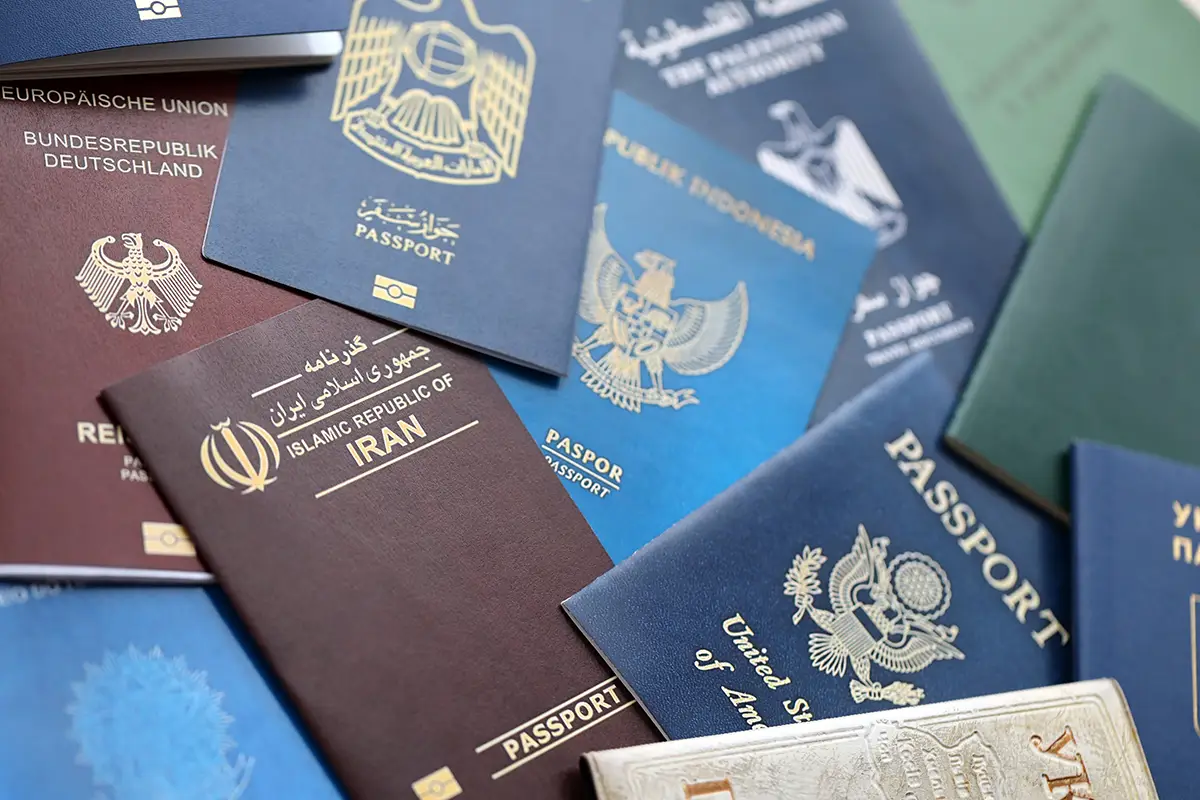
No. Residency gives the applicant permission to live in a country under specified conditions.
Citizenship provides nationality and a passport.
Some residence programmes may eventually lead to citizenship, but usually only after meeting physical-presence, language and other naturalisation requirements.
Important factors include quality of life, safety, cost, climate, healthcare, language, professional opportunities, taxation and the practicality of obtaining and maintaining legal residence.
-

Family Homes in Athens
Explore family properties in Athens, from spacious city apartments to larger homes close to the coast, with options across a...