

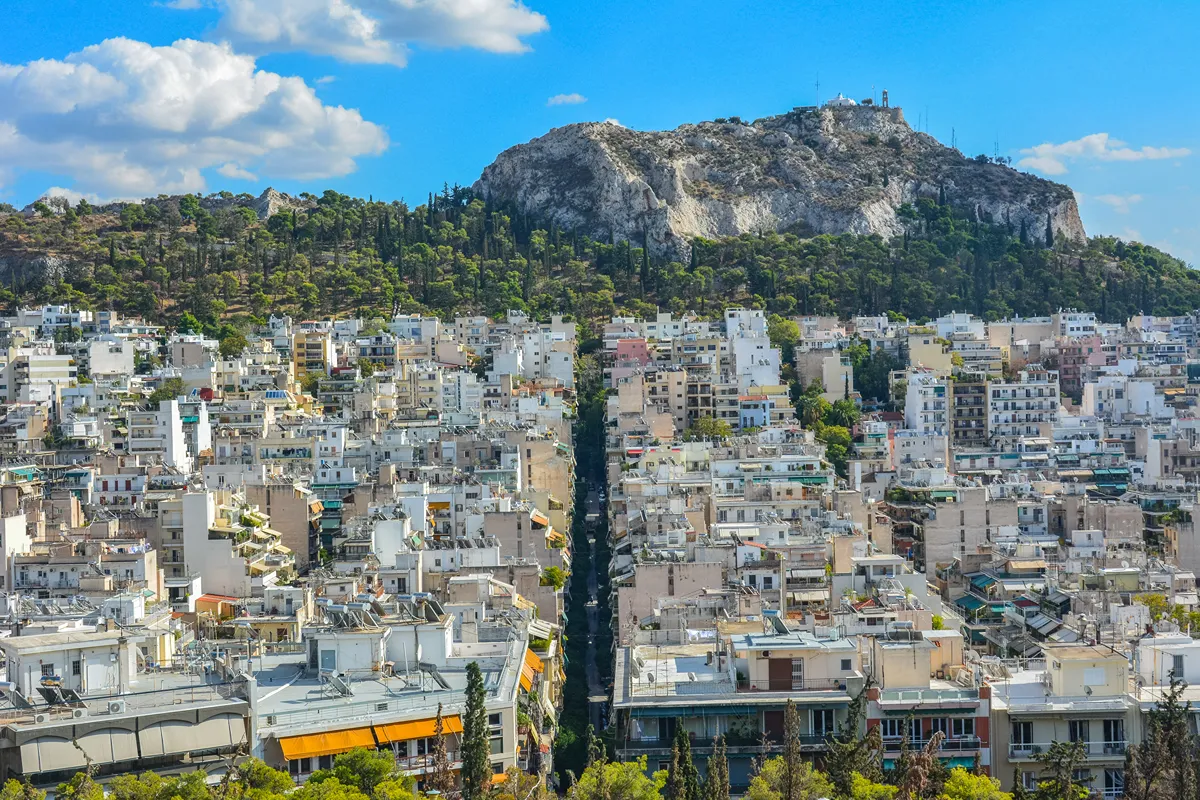
Greece's rental market entered 2026 with rents still rising, although the pace of growth varies sharply between regions.
Eurostat data shows that Greek rents increased by 5.0% in the first quarter of 2026 compared with the 2025 annual average, placing Greece among the fastest-rising rental markets in the EU on this measure.
More recent asking-price data points to a less uniform picture. According to local real estate data, residential asking rents across Greece increased by 1.3% year-on-year in the second quarter of 2026. In Attica, the increase was 4.5%, while Thessaloniki recorded growth of 6.6%.
The two datasets measure different parts of the market. Eurostat's index tracks rents paid across a representative sample of rented homes, while local market data measures advertised asking prices. Taken together, they show continued pressure on rents, but also clear differences between existing tenancies, newly advertised properties, and individual regions.
For property investors, those regional differences are becoming increasingly important, especially for those looking for rental investment opportunities aligned with the Greek Golden Visa.
Greece's rental market in 2026
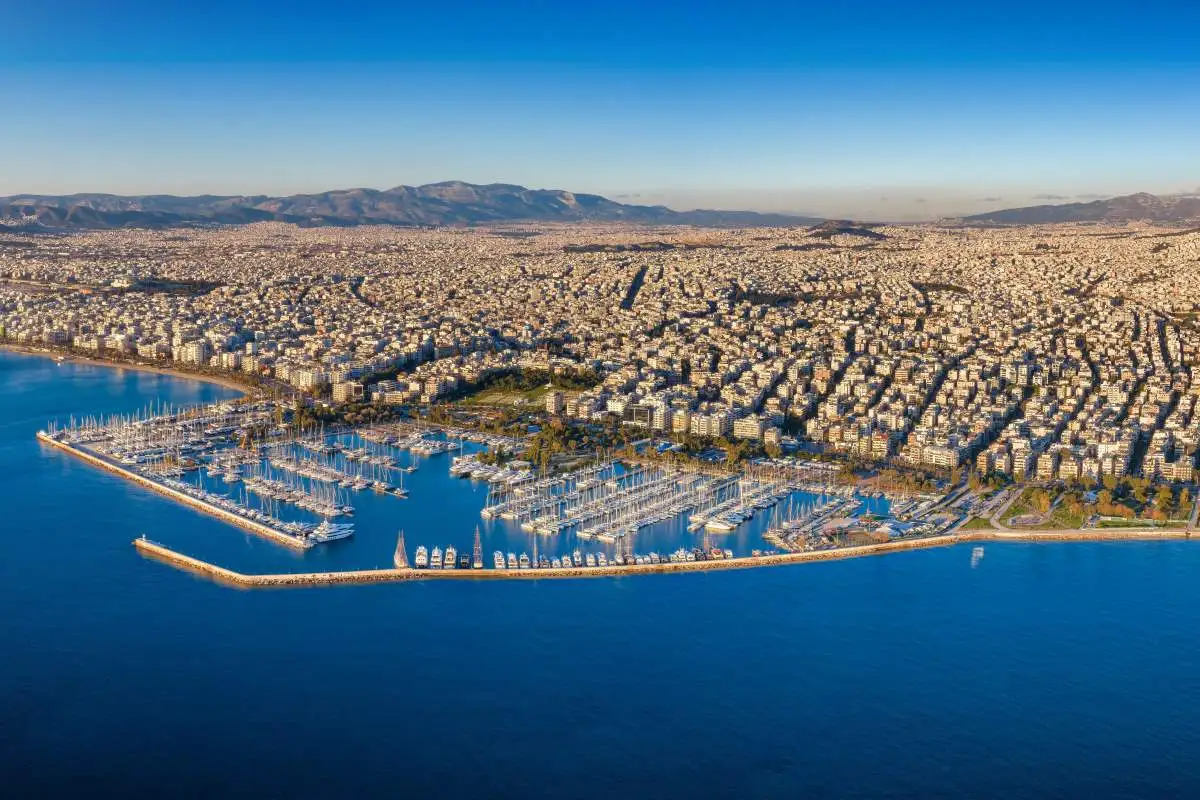
Rental demand in Greece is concentrated heavily around Athens, Thessaloniki, major employment centres, university areas, and established tourism markets.
At the same time, the number of homes that are genuinely available for long-term rental has failed to keep pace with demand in many areas.
This shortage does not mean Greece lacks housing.
Data examined by Greece's Parliamentary Budget Office shows that the country had more than 6.5 million dwellings at the time of the 2021 census, with around 34.5% recorded as vacant.
A large proportion of those homes, however, are not actively available to tenants.
Between 2011 and 2021, the stock of vacant homes available for long-term rental fell by 10.4%. Over the same period, the number of vacant homes that were neither offered for sale nor rent increased from approximately 1.71 million to 1.81 million.
The pressure on the rental market therefore comes partly from the difference between Greece's total housing stock and the much smaller number of homes that are actively available to long-term tenants.
Where are rents highest in Greece?
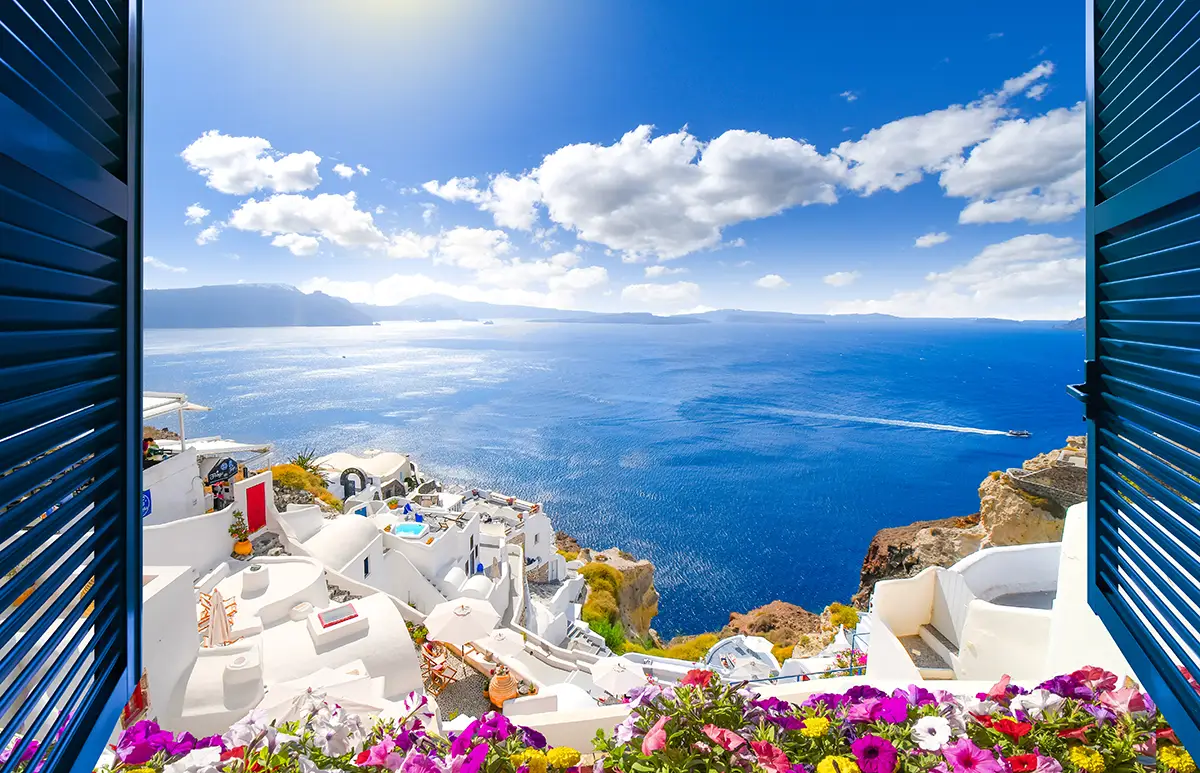
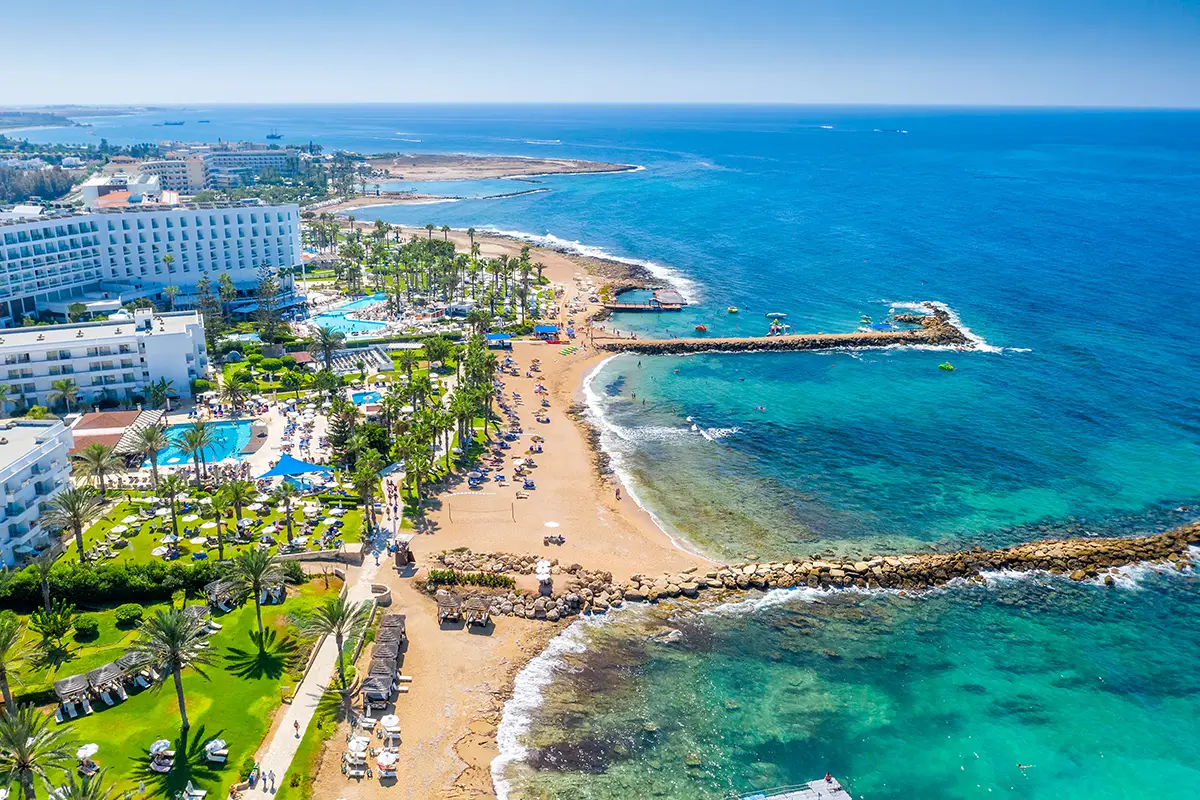
The most expensive rental markets are concentrated in the Cyclades and Attica, particularly along the Athens Riviera and in prime central neighbourhoods.
Local data recorded the following average asking rents in the second quarter of 2026:
| Area | Average asking rent |
|---|---|
| Cyclades | €14.4/m² |
| Southern Athens | €13.3/m² |
| Central Athens | €12.0/m² |
| Northern Athens | €11.8/m² |
| Lefkada | €11.8/m² |
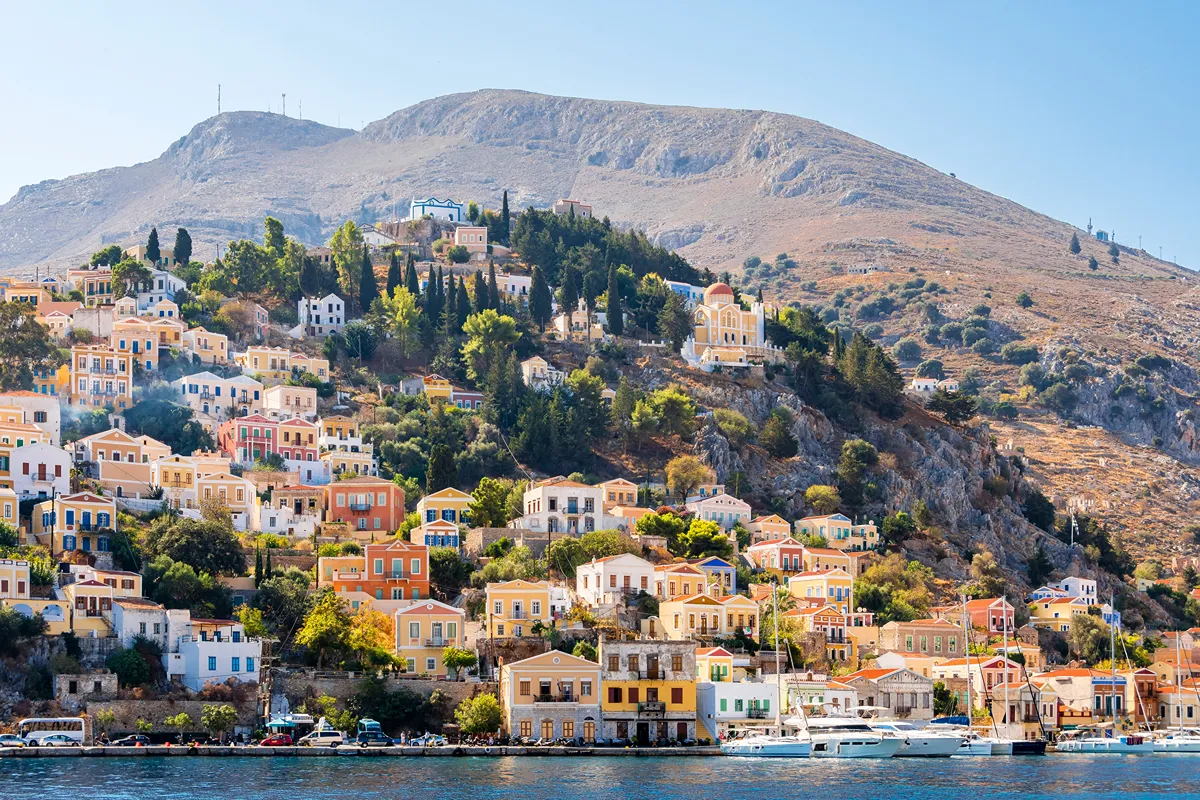
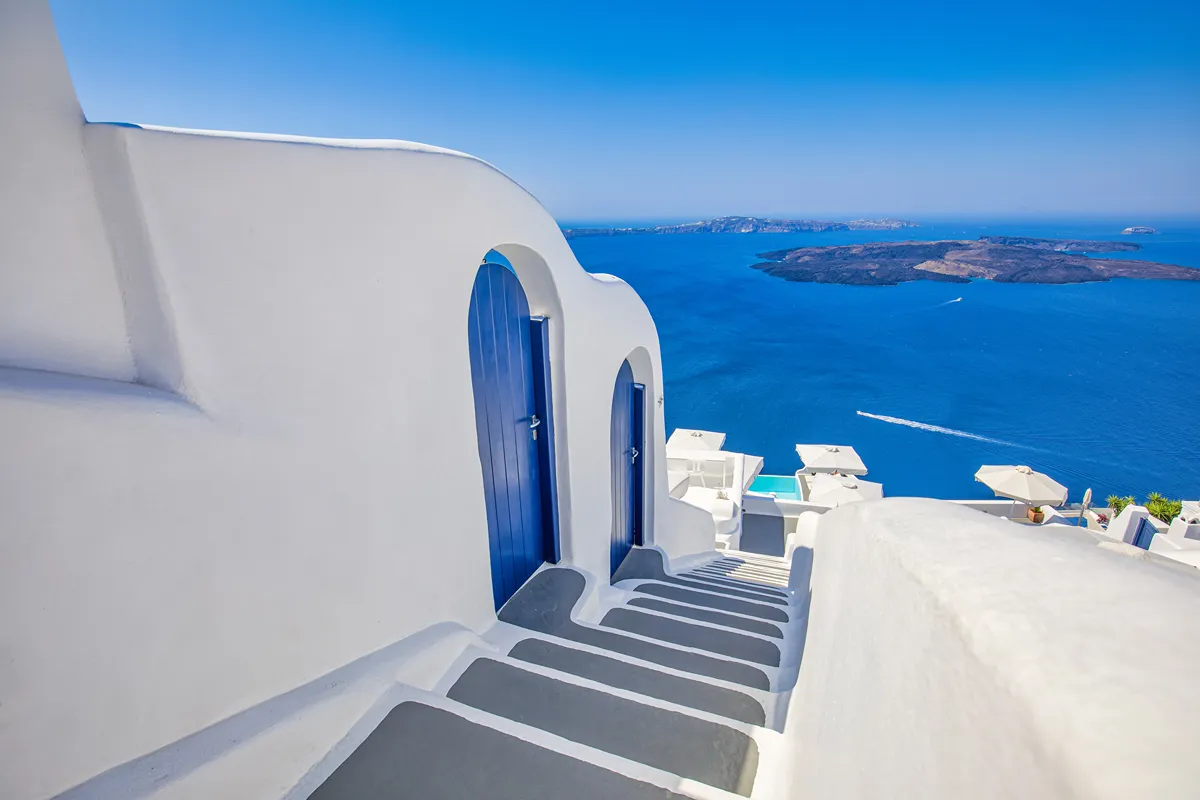
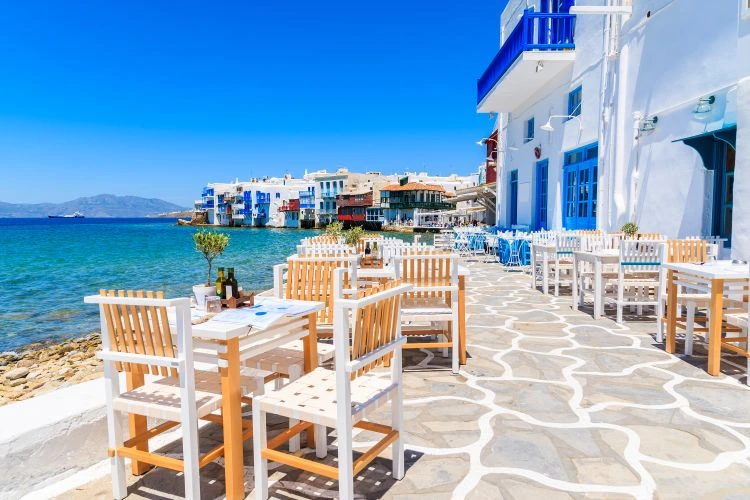
The Cyclades sit at the top of the national ranking, although rental figures on popular islands need to be read with some care. Seasonal demand, tourism, and the availability of short-term accommodation can make island rental markets behave very differently from year-round urban markets.
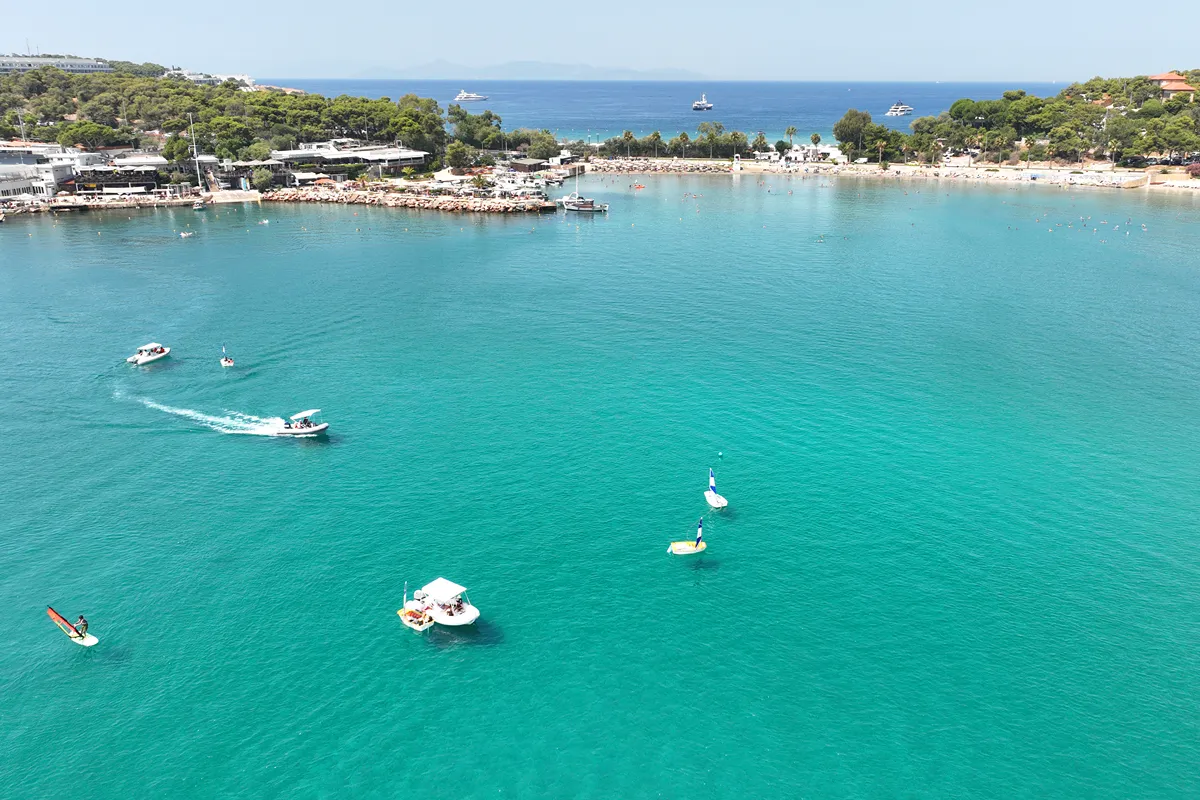
Southern Athens offers a more direct picture of sustained metropolitan demand. Areas along the Athens Riviera combine access to central Athens with coastal living, limited available land, and some of the country's highest residential property values.
At the other end of the market, asking rents remain much lower in parts of mainland Greece. Local data recorded average rents of approximately €4.6/m² in Pella, €4.7/m² in Kilkis, and €5.0/m² in Grevena.
The gap between these areas shows why national rental averages have limited value for investors choosing a location.
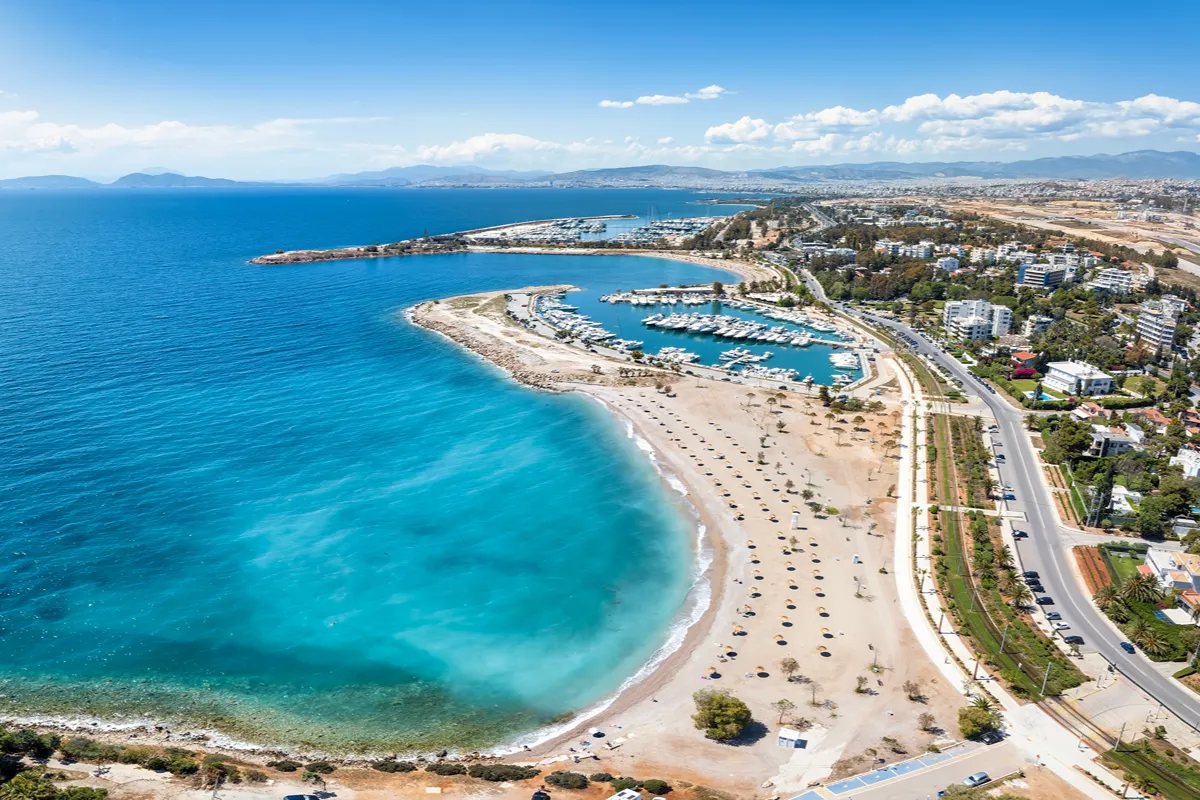
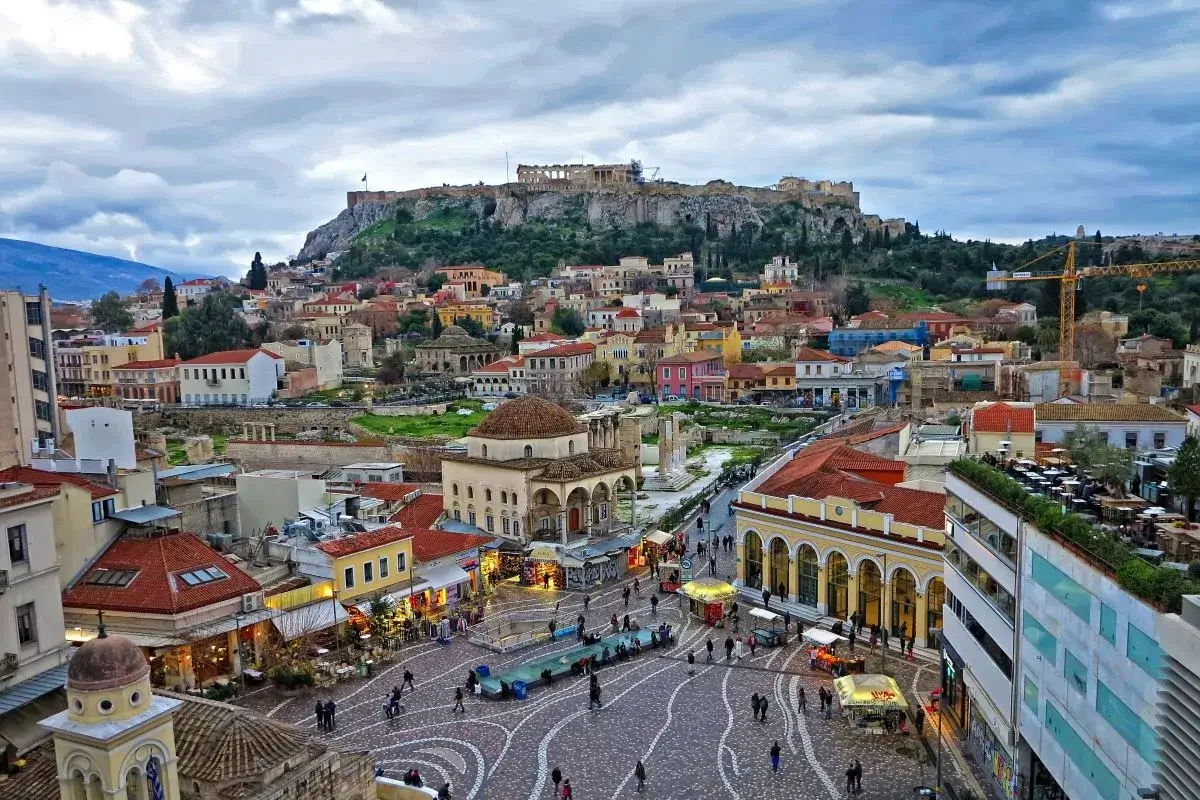
Athens rental market
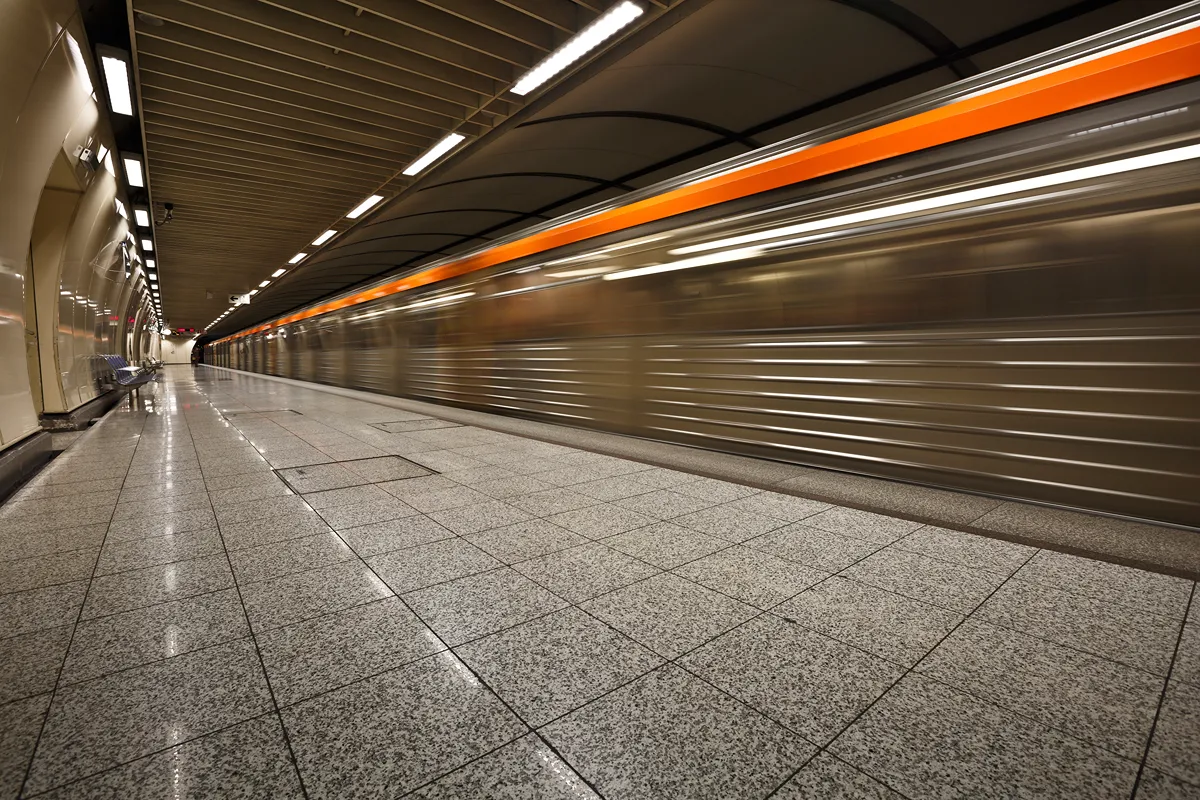
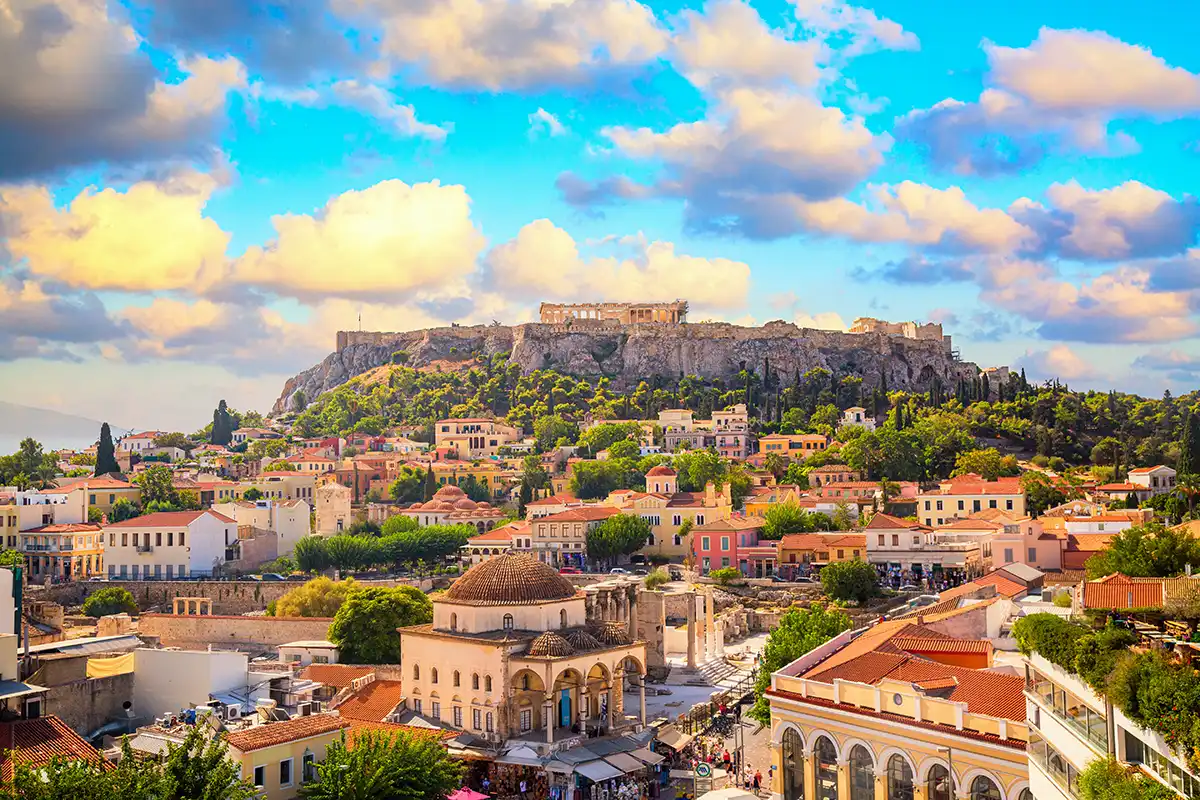
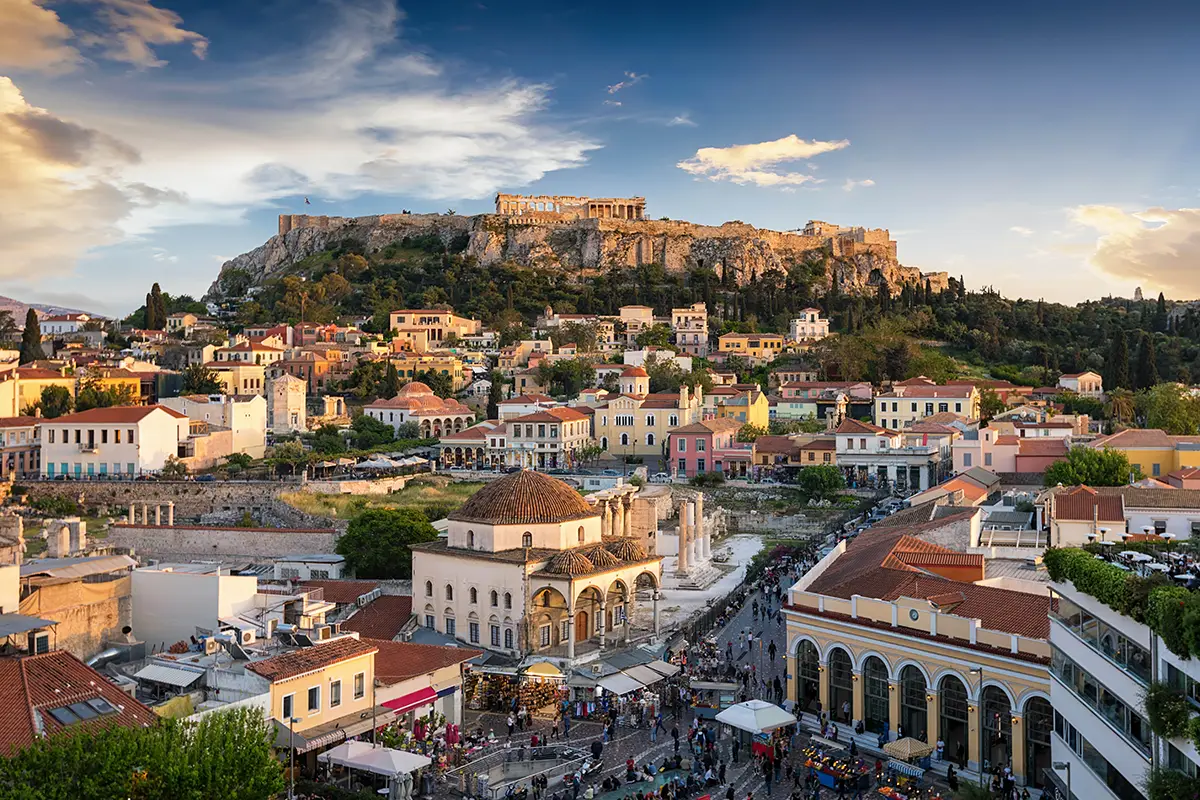
Athens contains some of Greece's highest rents, but the city is far from uniform.
In the second quarter of 2026, Vouliagmeni had an average asking rent of around €22/m², according to local market data. Other high-priced areas included:
- Kolonaki and Lycabettus at approximately €17.9/m²
- Paleo Psychiko at approximately €17.4/m²
- Voula at approximately €17.4/m²
- Glyfada at approximately €16.5/m²
These areas serve a different rental market from more affordable central neighbourhoods.
Vouliagmeni, Voula, and Glyfada attract tenants looking for access to the Athens Riviera, larger homes, newer developments, and higher-end residential areas. Kolonaki and Lycabettus command high rents because of their central location and established premium market.
High rents alone do not necessarily make these the most attractive areas for rental income. Purchase prices are also among the highest in Greece, which can reduce the gross yield available to a landlord.
Other parts of Athens may offer a different balance between acquisition cost and rental demand, particularly in well-connected central neighbourhoods where smaller apartments make up a large share of the rental stock.
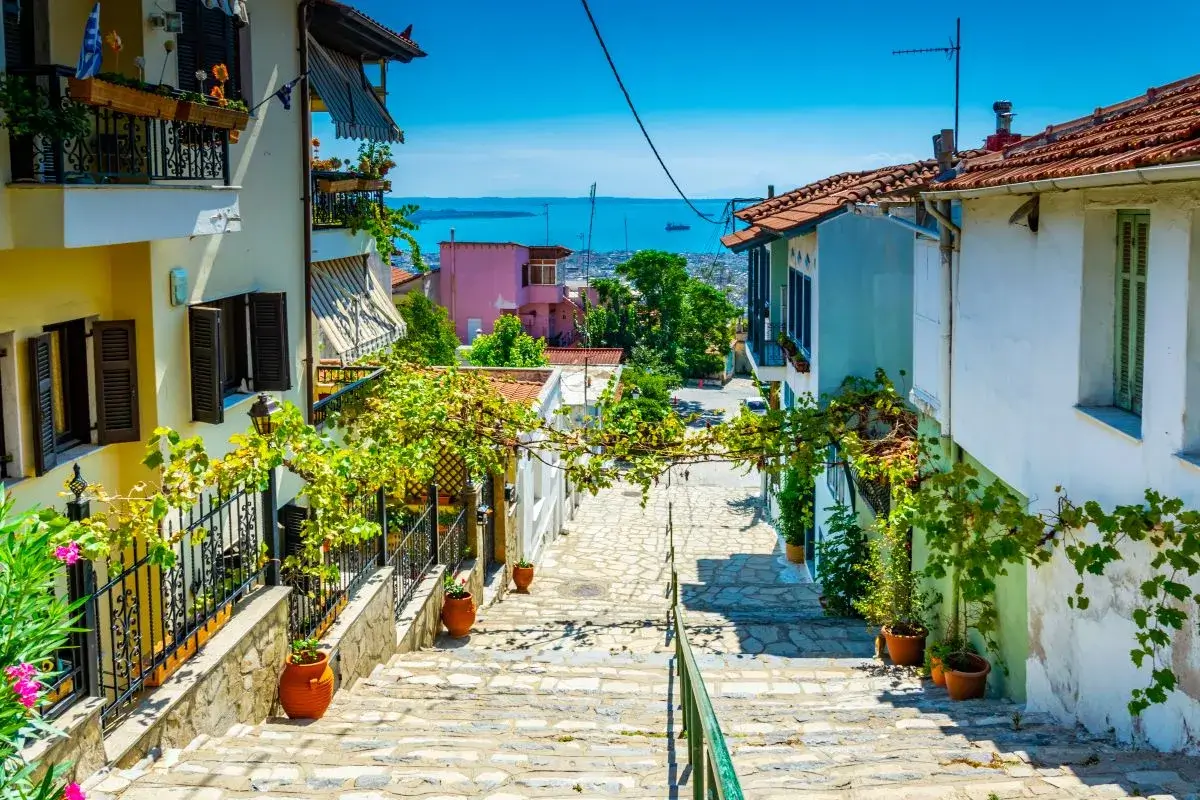
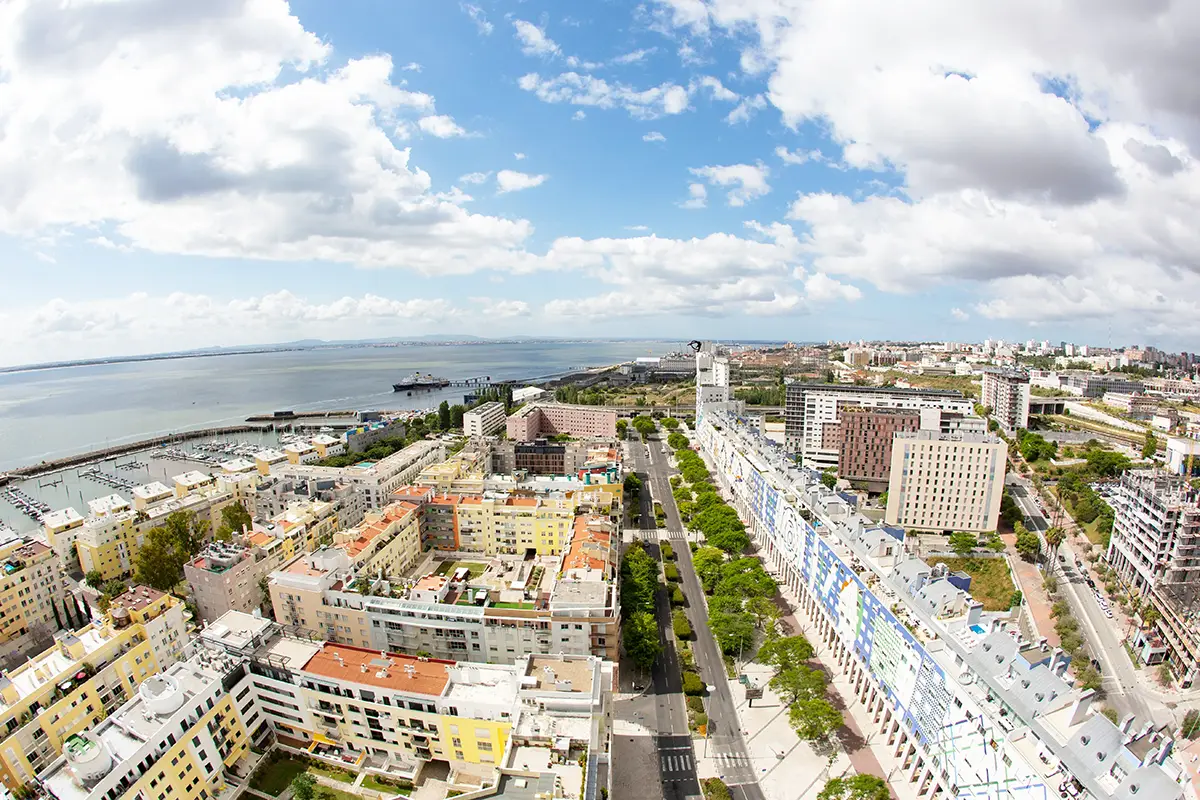
Thessaloniki rental market
Thessaloniki recorded faster asking-rent growth than Attica in the second quarter of 2026.
Local sale data reported a 6.6% year-on-year increase in advertised residential rents, compared with 4.5% in Attica and 1.3% nationally.
The city benefits from several sources of long-term rental demand, including students, local workers, young professionals, and households that rent rather than buy.
Smaller properties appear to play a particularly large role.
Greek estate agents reported that 63.1% of the homes rented in Thessaloniki network in 2025 were no larger than 50m².
For investors focused on long-term tenants rather than luxury property, that gives Thessaloniki a different profile from the most expensive areas of the Athens Riviera.

What are tenants renting?
Greece's 2025 property rental data provides some useful detail on the type of property changing hands.
Across the country, 44.7% of rented properties measured 50m² or less. A further 21.9% measured between 51m² and 75m².
The age of the rental stock is equally striking. Around 74.1% of properties rented throughout the country were more than 20 years old.
That percentage reached 84.9% in Attica and 83.7% in Thessaloniki.
Greece therefore has a rental market in which older apartments make up a large part of the available stock, particularly in its two largest cities.
For buyers, condition can matter almost as much as location. An older property may carry a lower acquisition cost, but renovation requirements, energy performance, building condition, and ongoing maintenance all affect the eventual cost of putting it onto the rental market.
Smaller renovated apartments in areas with reliable transport links and year-round demand may appeal to a broader tenant base than larger properties with higher monthly rents.
Why rental supply remains tight
Greece's rental shortage has several causes.
Housing construction fell heavily during the financial crisis and remained subdued for years afterwards. Although residential investment has recovered, much of the country's housing stock is still relatively old.
A substantial number of homes also remain unused.
The Parliamentary Budget Office's analysis of the housing stock found that the number of vacant homes available for long-term rent fell between 2011 and 2021 even as the total number of dwellings increased.
Short-term rentals have also reduced the amount of housing available for conventional leasing in some heavily visited areas, particularly central Athens and tourism-dependent locations. They are one part of the supply issue rather than a complete explanation for it.
The Greek government has responded with measures designed to return unused properties to the long-term rental market.
One current measure provides a rental-income tax exemption for qualifying owners who convert previously vacant homes or properties used for short-term accommodation into long-term rentals, subject to the programme's conditions and deadlines.
These policies show the extent to which the availability of long-term rental housing has become an economic and political issue in Greece.
Rental affordability
Rising rents also place a limit on how far rental prices can continue increasing.
Eurostat reported that Greek households spent an average of 36% of their disposable income on housing in 2024, the highest proportion in the European Union.
In Greek cities, 29% of people lived in households where housing costs exceeded 40% of disposable income.
These figures matter when assessing rental demand.
A shortage of available housing can support rents, but landlords are still operating within the budgets of local tenants. Areas dependent largely on domestic salaries may have less room for sustained rent increases than markets supported by higher-income professionals, international tenants, or other sources of demand.
That makes tenant profile an important part of any rental-property assessment.
Rental yields in Greece
Reliable, official rental-yield data is limited.
Commercial estimates generally place gross residential yields in Greece in the mid-single digits, with substantial differences between neighbourhoods and property types.
Those figures should be treated as indicative rather than as expected returns. Gross yields exclude taxes, management costs, maintenance, renovation work, periods without a tenant, and other ownership expenses.
Purchase prices also continue to rise. Bank of Greece data showed apartment prices increasing by 5.7% year-on-year nationally in the first quarter of 2026, including growth of 5.2% in Athens and 6.4% in Thessaloniki.
In some areas, property prices are therefore increasing faster than rents.
For investors, rental income should be assessed at the individual property level rather than inferred from national averages or headline rental growth.
Property investment and Greece's rental market
Greece's rental market gives property buyers several distinct options.
Prime areas of the Athens Riviera offer high rental values and access to one of the country's most expensive residential markets. Central Athens provides a much wider range of property prices and tenant profiles. Thessaloniki combines a large urban population with comparatively strong recent rental growth and significant demand for smaller homes.
Island markets can produce high advertised rents, but investors need to account for seasonality and the differences between short-term tourism demand and stable year-round rental demand.
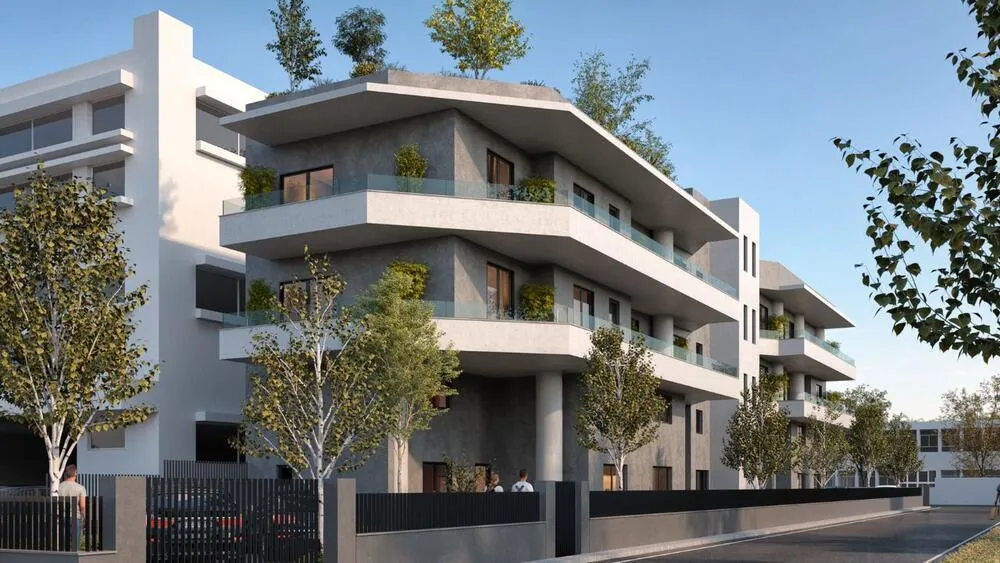
The underlying supply figures also favour buyers who can bring usable housing onto the market. Greece has a large stock of homes, but many are old, vacant, or unavailable for long-term leasing. A well-located property in good condition can therefore compete in a rental market where the amount of suitable housing remains restricted.
This is particularly relevant for international buyers considering Greek real estate as part of a wider investment or residency strategy.
Property value, rental demand, eligibility for residence, permitted use, and expected holding period need to be considered together. The most expensive neighbourhood is not automatically the strongest rental investment, and the area with the highest advertised rent may produce a weaker return once the purchase price and ownership costs are taken into account.
For buyers focused on long-term rental income, the strongest opportunities are likely to be properties with a clear tenant market, sensible acquisition costs, and year-round demand.
Greece's continuing shortage of active rental housing gives those properties a market that extends well beyond short-term tourism demand.
Invest in property in Greece
If you are considering Greek property as part of a long-term investment or residency strategy, Investment Visa can help you assess suitable locations, eligible properties, and the requirements of the Greece Golden Visa.
Explore our range of Greek properties for sale or get in touch with our team to discuss your investment options.
-

Family Homes in Athens
Explore family properties in Athens, from spacious city apartments to larger homes close to the coast, with options across a...