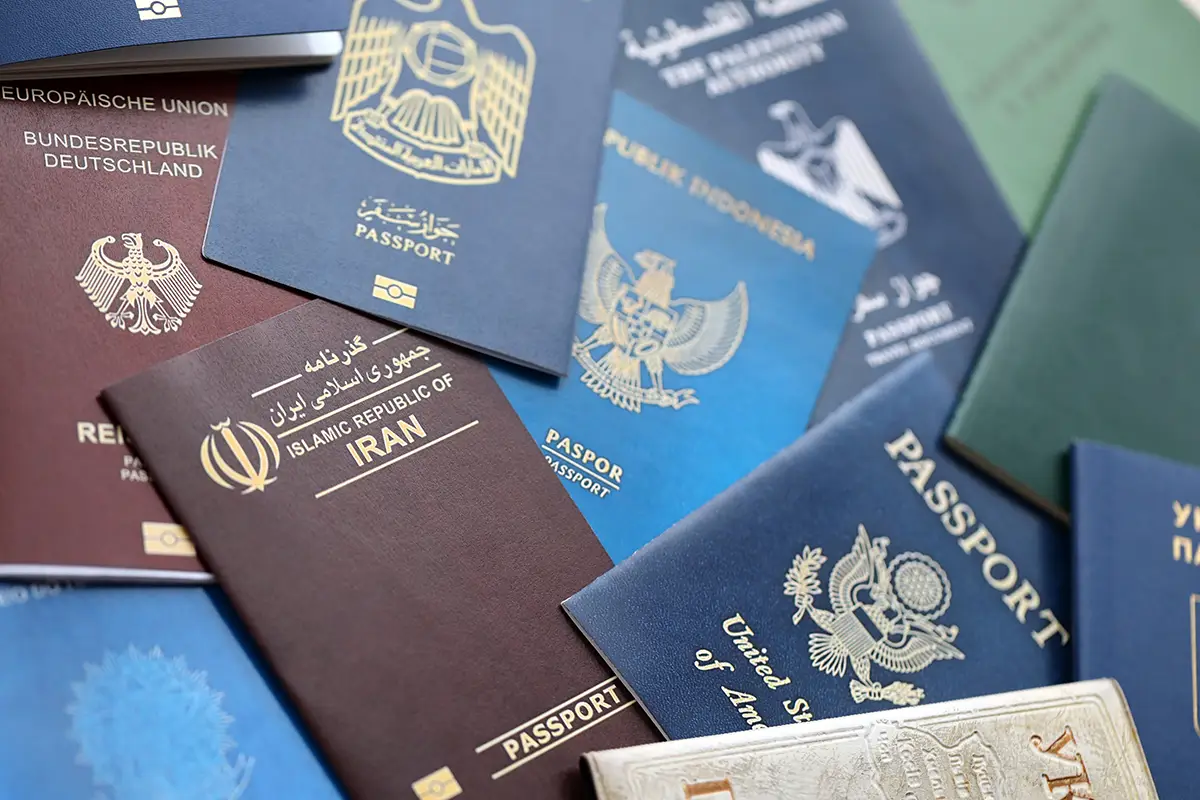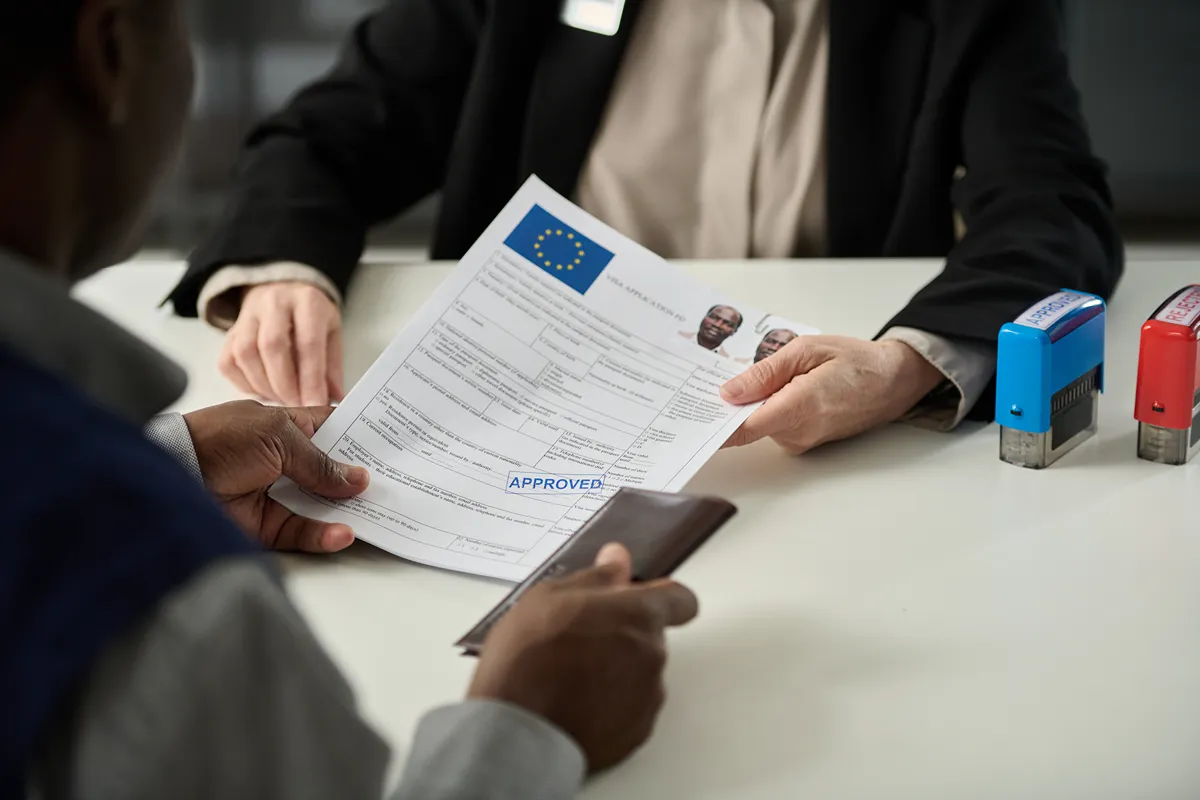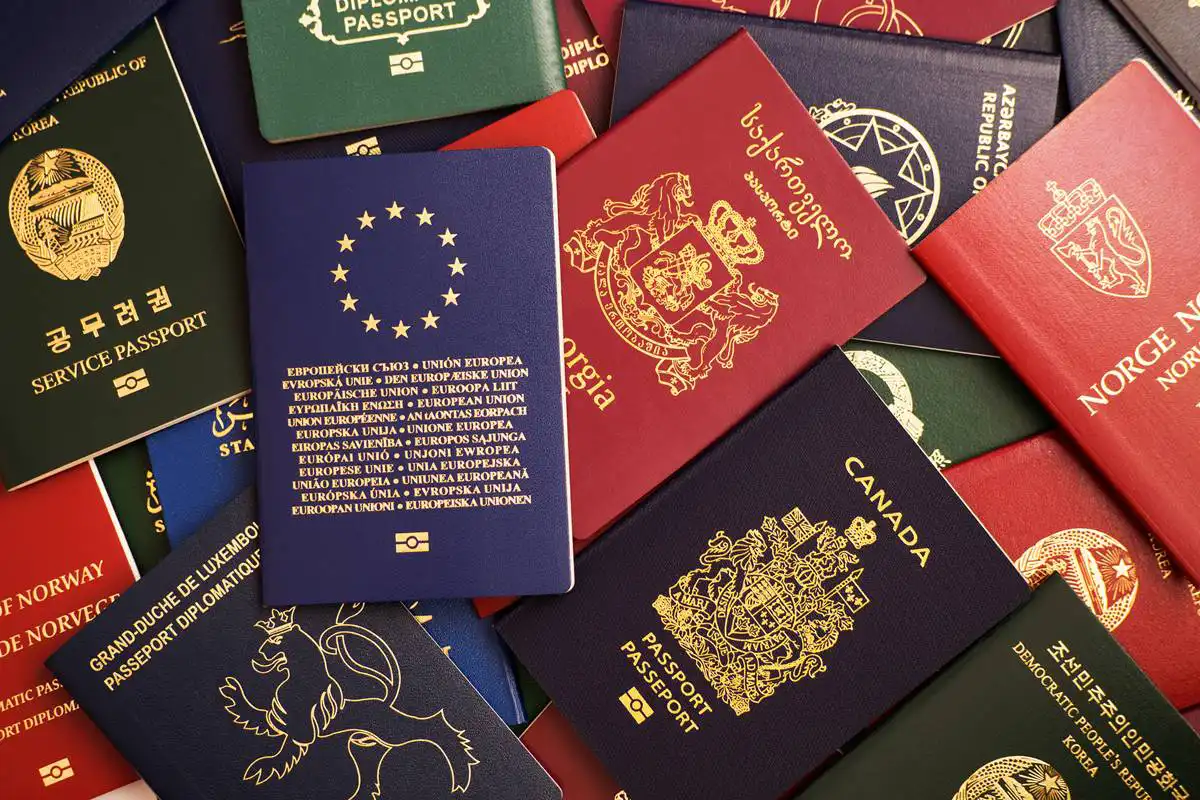



Second citizenship is not just about getting another passport. For high-net-worth families, it can be a deciding factor in where they can live, how they can travel, what they can do with their money, and how quickly they can move if circumstances change.
But the process can of acquiring a second citizenship go wrong when each part is handled separately. Individual experts and advisors may all give useful advice, but without one clear strategy, delays and mistakes become more likely.
This guide explains how to approach second citizenship in a more practical way, from choosing the right program and preparing your documents to planning for tax, family needs, and long-term security.
1. Consolidate Your Strategy with a Specialized Consultancy
Fragmented advice from disconnected lawyers, brokers, and tax advisors often leads to processing delays and rejections.
This lack of coordination creates compliance gaps that jeopardize second citizenship for HNWIs.
By consolidating workflows under a single consultancy, you eliminate the hidden risk of choosing the right program but executing it incorrectly.
To mitigate execution risk, partner with a specialist who acts as a central coordinator for your application.
This professional maps your family goals against EU and Caribbean routes, running feasibility checks before capital is committed.
Insist on a clear scope of work that includes:
- Defined decision checkpoints and milestones.
- Realistic processing timelines and all-in budgets.
- Early-stage due diligence and program matching.
Recognized as leading immigration consultants in Portugal, Investment Visa provides vertical integration by combining legal program selection with curated real estate.
This is essential for portfolio diversifiers who require post-purchase support and tax representation abroad.
Before engaging any firm, perform quick diligence by asking these key questions:
- Are you an authorized government agent for this specific program?
- How do you manage sudden legislative changes or banking restrictions?
- Can you provide a direct network of vetted tax and legal partners?
Book a program-fit call or request our latest country brochures to secure your family’s global future today.

2. Define Your Objectives Through Risk Modeling
Treating a second passport as a commodity leads to a mismatch between the investment and your family’s long-term needs.
Shift from product-shopping to risk-modeling by treating each program as a specific insurance policy.
This ensures your selection addresses actual geopolitical or financial vulnerabilities rather than just the lowest price tag.
Categorize your objectives into these four strategic buckets to identify your ideal path:
- Mobility Insurance: Expanding visa-free access and consular flexibility for global business operations.
- Wealth Preservation: Securing banking access and asset-holding flexibility for long-term succession planning.
- Personal Security: Establishing rapid relocation options for family safety during periods of domestic instability.
- Lifestyle and Settlement: Creating a pathway for elite European education or moving to the best places in the world to retire.
Rank these buckets to establish hard selection criteria including timeline tolerance, budget, and physical stay requirements. A critical mistake is confusing global mobility with tax planning.
While related, a new residency or passport does not automatically resolve existing tax obligations or reporting requirements.
Before committing capital, draft a one-page Decision Brief detailing your goals, constraints, and red lines for your advisory team.
This document ensures you receive a bespoke strategy tailored to your family legacy rather than a generic program.
This structured approach is essential when securing second citizenship for HNWIs who prioritize long-term stability and security.
3. Build a "Sovereignty Stack" Through Layered Solutions
Sophisticated investors rarely rely on a single second passport. Treating global mobility as a one-dimensional quest for speed or tax efficiency creates critical vulnerabilities.
Instead of hunting for a "silver bullet" jurisdiction, high-net-worth individuals build a sovereignty stack to de-risk their lives and protect family legacies.
This framework is a modern essential for securing second citizenship for HNWIs by layering different programs to ensure no single policy shift can dismantle global access.
The stack integrates three core components:
- CBI (Citizenship by Investment): The fastest mobility layer, providing an immediate "Plan B" and instant visa-free travel.
- RBI (Residency by Investment): A settlement layer offering long-term residency in strategic regions like the EU or Schengen Area.
- The Sovereignty Stack: A combination of CBI, residency, a strategic tax base, and international banking to create a multi-jurisdictional buffer.
Your profile determines the ideal combination:
- Founders: Prioritize speed and optionality to hedge against domestic volatility and regulatory shifts.
- Legacy-focused families: Focus on long-term stability, settlement rights, and access to elite European education.
- Portfolio diversifiers: Target high-yield real estate entry points or projects offering fixed returns where capital appreciation outpaces the initial cost.
A resilient stack often starts with a fast Caribbean CBI for immediate mobility, followed by an EU residency path like the Greece Golden Visa or Portugal D2.
This is then solidified with professional tax residency planning and offshore banking. Avoid the trap of waiting for the perfect program.
As Portugal's immigration agency tightens rules for permit applications, increased volatility means a good solution secured today is superior to a perfect one tomorrow.
4. Evaluate Programs Through Operational Realities
Investors often secure EU residency at vastly different speeds based on operational realities rather than marketing headlines.
Choosing a path for second citizenship for HNWIs requires evaluating timelines, stay rules, and family logistics beyond the initial investment.
Focus on how these variables affect long-term lifestyle and risk.
HNWIs select routes by searching for the cheapest Golden Visa, only to encounter renewal hurdles later. Use this checklist to evaluate the practical impact of each jurisdiction:
- Investment Category: Align goals with property-backed stability like the Greece Golden Visa or business-centric paths like the Portugal D2 Visa.
- Processing Bottlenecks: Review current timelines for document validation, biometrics, and government appointments.
- Stay Requirements: Distinguish between minimal presence rules, such as Spain’s seven-day annual requirement, and stricter residency expectations elsewhere.
- Family Inclusion: Verify dependency definitions for spouses, children, and parents to ensure comprehensive coverage.
Greece and Spain remain the premier anchors for real estate investment, though one must weigh the lifestyle living in Greece offers.
However, the For those seeking a faster EU gateway, the D2 vs D7 comparison reveals which Portuguese path aligns better with active business goals.
For a tailored roadmap, request a side-by-side processing and stay requirement sheet from Investment Visa to compare programs by nationality and family profile.
5. Align Global Mobility with Tax Compliance Realities
Second citizenship for HNWIs does not automatically reduce tax liabilities or reporting obligations.
While a new passport grants mobility, tax status is generally determined by physical presence and economic ties.
The United States remains the primary exception, enforcing citizenship-based taxation through FATCA regardless of where the citizen resides globally.
Under the Common Reporting Standard (CRS) and Automatic Exchange of Information (AEOI), financial institutions report data based on your verified tax residency.
Any mismatch between your declared tax home and your actual physical location triggers immediate regulatory scrutiny.
Banks now require high-transparency documentation, including:
- Tax Identification Numbers (TINs) for all relevant jurisdictions.
- Certified proof of address such as recent utility bills or lease agreements.
- Detailed source-of-wealth and source-of-funds documentation to satisfy Anti-Money Laundering (AML) protocols.
Coordinate your investment migration plan with a cross-border tax advisor before relocating capital or shifting residence.
Maintain a residency evidence file to substantiate your position if challenged by authorities. This file should include travel logs, school enrollment records, and local property agreements.
Aligning physical residency with legal citizenship is the only way to ensure global wealth remains secure and private.
This operational warning helps prevent expensive compliance errors and does not constitute formal legal or tax advice.
6. Factor in the Total Cost of Jurisdictional De-coupling
Investors often obsess over a program’s €250,000 sticker price while ignoring the seven-figure "exit bill" from their home country.
Shifting your tax nexus is a structural decoupling that triggers significant fiscal friction if timed poorly.
True global mobility requires accounting for the real cost of leaving a jurisdiction, not just the cost of entering a new one.
Exit costs represent hidden expenses triggered when moving your primary tax residency. These often include:
- Exit tax regimes and deemed disposition rules that tax unrealized capital gains.
- Wealth and estate planning restructuring to align with new international treaties.
- Capital controls and mandatory reporting obligations for significant offshore transfers.
- Logistical family expenses, including elite school transitions and dual-property carrying costs.

To avoid mid-process stalls, build a two-column budget.
Column A covers direct program costs, legal fees, and investment capital. Column B accounts for relocation, tax restructuring, and transition costs.
This visibility ensures your capital remains protected throughout the migration.
Align your relocation with a major liquidity event, like a business sale or property liquidation.
This reduces friction and optimizes tax positioning before you change residency.
Executing this strategy during a crisis is the most expensive and least predictable path. Early planning turns a chaotic exit into a controlled, strategic relocation.
7. Transforming Due Diligence into a Controllable Process
Application delays usually stem from inconsistent paper trails rather than investment size.
While often viewed as an invasive "black box," due diligence follows predictable logic.
Vetting firms and governments prioritize three areas: identity verification, criminal or sanctions risk, and a legitimate source of wealth.
To streamline approvals and minimize rejections, prepare a standardized documentation package:
- Certified IDs, civil status documents, and police clearances for all family members.
- Source-of-wealth narrative: A comprehensive timeline explaining how your net worth was built over your career.
- Source-of-funds proof: Granular evidence for the specific capital being deployed into the program.
Consistency is vital. Ensure names, addresses, and employment history match exactly across every document provided.
If you utilize complex corporate structures, provide a clear organigram to pre-empt technical questions from adjudicators.
Investment Visa acts as a primary filter, performing a rigorous pre-audit of your file before formal submission.
This internal review identifies potential escalations early and transforms a high-friction hurdle into a predictable administrative step.
By turning due diligence into a structured process, you protect your time and ensure a secure path to second citizenship for HNWIs.
8. Architect an Operational Readiness System for Rapid Relocation
Holding a passport is not the same as being mobile. For HNWIs, second citizenship must function as operational readiness rather than a passive insurance policy. True security requires a pre-vetted system that enables family and asset relocation within 48 hours without improvisation or decision risk.
A functional 48-hour readiness system consists of four pillars:
- Documentation: Maintain encrypted digital copies and high-security physical storage. Ensure your spouse, trusted heirs, and legal team have verified access codes for immediate file retrieval.
- Liquidity: Establish pre-authorized wire pathways between domestic and international accounts. Hold multi-currency buffers in stable jurisdictions and international travel cards to fund a 30-day emergency spending plan.
- Permissions: Execute Power of Attorney documents and guardianship letters for minors. Update corporate signing authorities to ensure business continuity while you are in transit.
- Tactical Logistics: Prepare go-bags with essential hardware, medicine, and satellite communication tools. Identify secure pickup points and maintain a "first-night" accommodation playbook for your destination.
Consider utilizing tax-residency tracking apps to automate physical presence monitoring and compliance. This structured approach transforms a legal document into a functional safety net.
You gain the ability to relocate fast, protecting your family and legacy from volatility without the chaos of a last-minute exit.
How to Secure Your Global Future: A 90-Day Execution Roadmap for Investment Migration

High-net-worth individuals require a predictable, execution-focused workflow rather than a collection of conflicting opinions.
This roadmap provides a tactical schedule to secure second citizenship for HNWIs by synchronizing legal, financial, and logistical workstreams into one coherent path.
Use this timeline to move your family from initial risk identification to full operational readiness.
Week 1–2: Strategy Alignment and Feasibility
Produce a one-page decision brief that explicitly defines your family goals, liquidity constraints, and red lines.
Instruct your advisory team to use this document to shortlist two or three programs that balance global mobility needs with your specific investment risk appetite.
Perform a preliminary eligibility audit during this phase to confirm there are no immediate disqualifiers based on your nationality or professional background.
You will conclude this stage with a signed mandate and a specific program selection that fits your long-term legacy strategy.
Week 3–6: Dossier Assembly and Pre-Audit
Collect all primary civil documents, including passports, birth certificates, and police clearances for every family member.
Initiate requests for translations and apostilles immediately to avoid administrative bottlenecks later in the process.
Draft a comprehensive source of wealth narrative and secure supporting records that explain your net worth timeline, including records of business dividends or property sales.
Resolve any name or address inconsistencies across your global portfolio to prevent delays during government vetting.
Finalize your investment route and learn exactly how to apply for a Golden Visa by selecting a specific property or business project, that meets all current legislative requirements for your chosen jurisdiction.
Week 7–10: Submission and Parallel Infrastructure
Submit the formal application through your authorized consultancy. Maintain a high-response posture and answer any government clarifications within 48 hours to keep the file moving through the system.
While the application is in review, build the international infrastructure required to support your new status. Contact international banks in your target jurisdiction to start the onboarding process.
Schedule a tax residency planning consultation to mitigate exit costs and understand future global tax obligations.
Set up digital travel-tracking tools to monitor your physical presence for future residency or citizenship renewal compliance automatically.
Week 11–13: Post-Approval Execution
Complete the investment transfer once you receive the official letter of approval in principle.
Coordinate with your consultant to finalize residency card or passport issuance, including all necessary biometrics appointments and oath-taking ceremonies.
Once your documents are in hand, activate the 48-hour Plan B system to ensure you are prepared for immediate travel.
Secure your digital document vault, establish international liquidity buffers, and formalize legal permissions for minors.
This ensures your family can relocate or access capital instantly if your primary jurisdiction experiences volatility.

Final Execution Checklist
Confirm your transition is complete by verifying these three performance pillars:
- Approved Status: You possess physical residency cards or passports for all included family members.
- Operational Readiness: You have active international bank accounts and a verified tax representative in the new jurisdiction.
- Governance Calendar: You have a documented schedule for renewal dates, physical stay requirements, and annual compliance filings.
Frequently Asked Questions
Does a second passport reduce my taxes automatically?
No, a second passport does not automatically reduce your tax burden. Tax liability is almost always determined by your physical tax residency rather than your citizenship.
United States persons face an additional layer of complexity because the US taxes are based on citizenship regardless of where you live.
To achieve tax optimization, you must coordinate your immigration path with a professional tax strategy that addresses your specific physical presence and economic ties.
Will CRS/AEOI stop applying if I change citizenship?
Reporting under the Common Reporting Standard (CRS) and Automatic Exchange of Information (AEOI) does not stop simply because you hold a new passport.
These frameworks are residency based rather than citizenship based. Banks and financial institutions verify your self-certification against your physical address and tax identification numbers.
It is vital to keep your documentation consistent across all jurisdictions to avoid triggering compliance flags or being misclassified during annual reporting cycles.
How long does it really take to get a second passport or residency?
The timeline for obtaining residency or citizenship varies significantly by program and current government capacity.
Caribbean Citizenship by Investment (CBI) routes can often be completed in four to eight months.
In contrast, European residency programs like the Greece Golden Visa or Portugal D2 Visa may take longer depending on processing queues.
Delays are typically caused by document apostille bottlenecks, intensive due diligence reviews, or the complexity of applications involving large extended families.
Are Caribbean CBI passports risky because program rules can change?
Global mobility programs are subject to legislative volatility and evolving international governance standards.
While Caribbean passports remain a robust tool for second citizenship for HNWIs, programs often tighten requirements in response to pressure from the EU or US.
You can mitigate this risk by selecting reputable programs with strong due diligence and acting before price increases or stricter regulations are implemented.
Securing your status now protects you from the uncertainty of future policy shifts.
Will banks treat me differently if I have CBI citizenship?
Holding a second citizenship through an investment program often results in additional scrutiny from international banks.
Financial institutions prioritize transparency regarding your source of wealth and source of funds to satisfy strict Anti-Money Laundering (AML) protocols.
To ensure a smooth experience, you should prepare a bank-ready compliance pack that clearly details your financial history.
Clear communication and thorough documentation are essential for maintaining access to global banking infrastructure.
-

Family Homes in Athens
Explore family properties in Athens, from spacious city apartments to larger homes close to the coast, with options across a...