


Amid global policy shifts and geopolitical uncertainties, Gulf nationals are increasingly seeking geographic diversification, EU residency, and long-term mobility planning.
Portugal and Greece are two of Europe’s most attractive destinations for international investors seeking residency through investment and offer two of the most appealing programs currently available: Portugal’s D2 Visa and Greece’s Golden Visa.
Here’s everything you need to know about these residency by investment programs: what makes them attractive, who can apply, and how to do so.
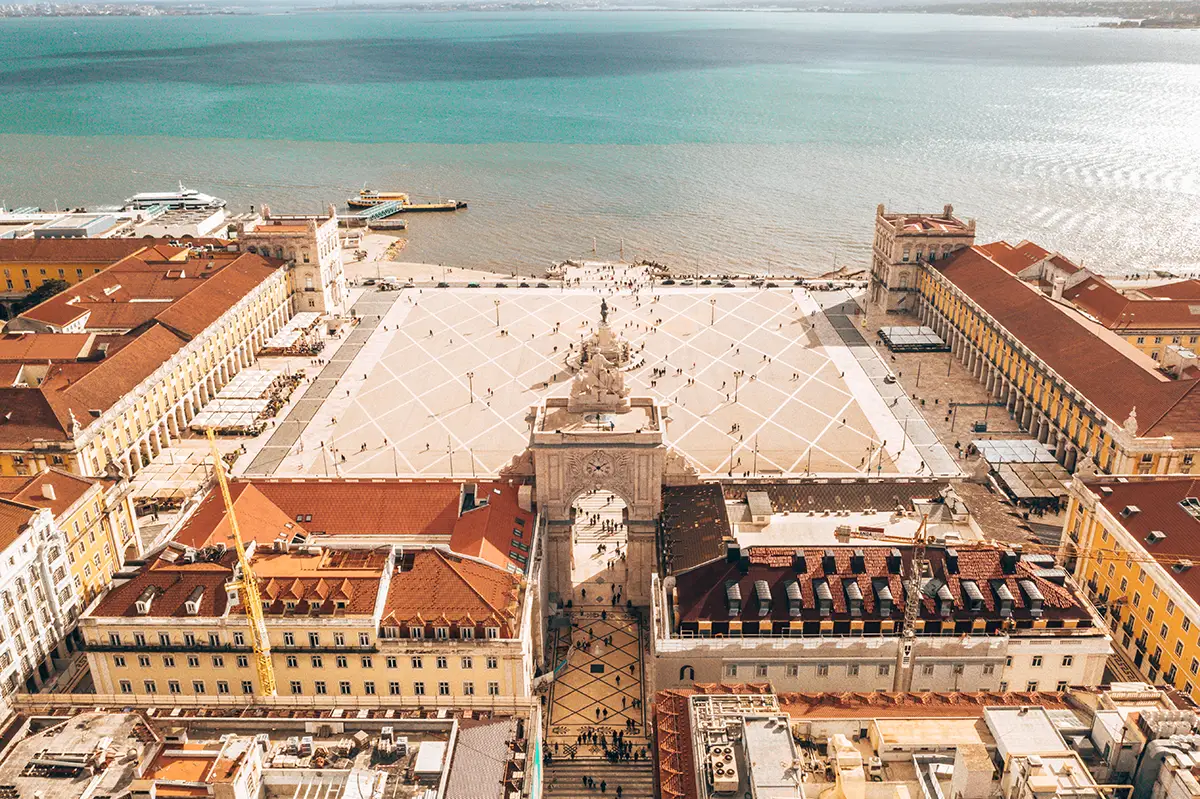
EU Residency for Gulf Nationals: The Portugal D2 Visa
Unlike the passive investment routes currently available through the Portugal Golden Visa, the D2 Visa is designed for active entrepreneurs, business owners, and independent professionals who want to establish or expand operations in Portugal.
This is not a donation program or a murky, intangible financial investment.
It is a business-based residency pathway grounded in economic activity.
As a means to obtain EU residency for Gulf nationals, it represents an active and involved pathway with significant potential for profit and development.
What is the D2 Visa?
The D2 Visa is a Portuguese residence visa created for entrepreneurs and self-employed professionals who intend to:
- Open a company in Portugal;
- Expand an existing international business into Portugal;
- Relocate an active business operation;
- Work independently in a professional capacity.
It falls under Portugal’s national residency framework and is regulated by Portuguese immigration authorities.
Why is it Attractive for Gulf Nationals Seeking EU Residency?
For residents and citizens of the UAE, Saudi Arabia, Kuwait, and Qatar, the D2 Visa offers several strategic advantages:
- EU Residency Access
Portugal residency grants free movement within the Schengen Area for short stays, enabling seamless travel across Europe. After five years of legal residency, applicants may apply for permanent residence and after ten years, they may apply for Portuguese citizenship, subject to legal requirements.
- No Mandatory Minimum Investment Threshold
Unlike the former Golden Visa model, the D2 does not impose a fixed minimum investment amount. The investment must simply be viable and proportionate to the proposed business activity.
- Business Opportunities
The D2 Visa offers an opportunity to engage with one of the best-performing economies in Europe, named Economy of the Year in 2025.
- Family Reunification
Spouses, dependent children, and in some cases dependent parents can be included through family reunification provisions.
- Tax Structuring Opportunities
Portugal offers structured tax planning possibilities, depending on the applicant’s residency status and business model.
(Tax planning must always be assessed individually.)
Who is an Ideal D2 Applicant?
The D2 Visa is particularly suitable for:
- Established business owners seeking an EU base.
- E-commerce operators expanding into European markets.
- Consultants and service providers relocating to Europe.
- Investors launching hospitality, technology, real estate management, or import/export ventures.
- Digital entrepreneurs looking for operational flexibility.
Portugal’s ecosystem in cities like Lisbon and Porto has developed strong infrastructure for startups and international businesses with a focus on innovation and technology.
What Do Authorities Assess?
Approval is based on business viability, not nationality.
Authorities evaluate:
- A detailed business plan;
- Proof of financial stability;
- Evidence of accommodation in Portugal;
- Clean criminal record;
- Proof the business contributes economically (job creation, innovation, or market relevance).
Process & Structure
The general process includes:
- Business setup or registration in Portugal;
- Visa application at the Portuguese consulate in the applicant's country of residence;
- Entry into Portugal;
- Residence permit appointment;
- Issuance of a renewable residence card.
Initial residence cards are granted for two years, after which they can be renewed for three years at a time.
Strategic Considerations for Gulf-Based Applicants Seeking EU Residency
Applicants residing in Gulf States often pursue the D2 for reasons including:
- Business opportunities outside the GCC;
- Access to European education systems for children;
- Immediate mobility planning;
- Establishing an EU operational base with the option to maintain primary residence in the Gulf.
Portugal's political stability, relatively moderate cost structure, and EU integration make it structurally attractive compared to larger EU economies.
EU Residency for Gulf Nationals: The Greece Golden Visa
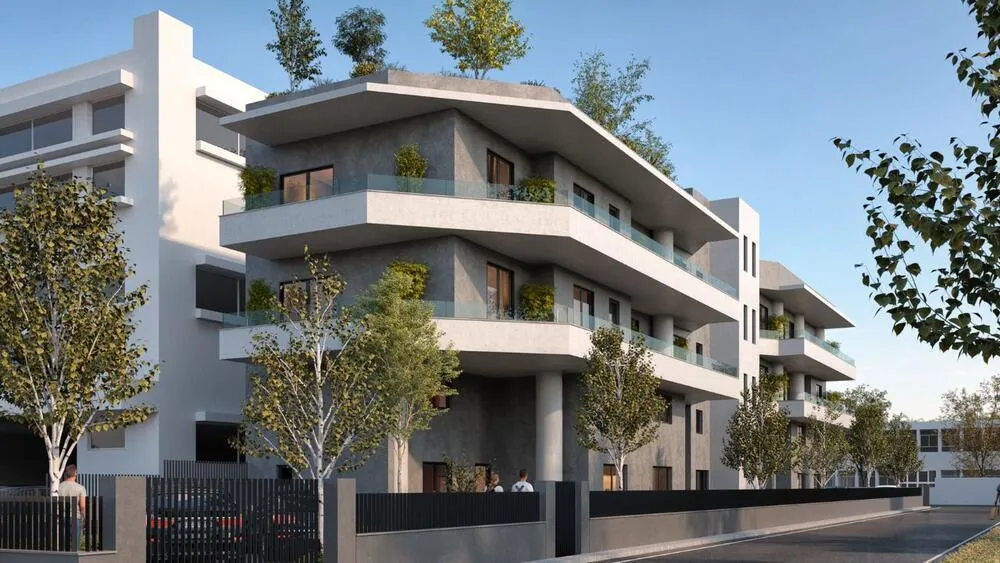
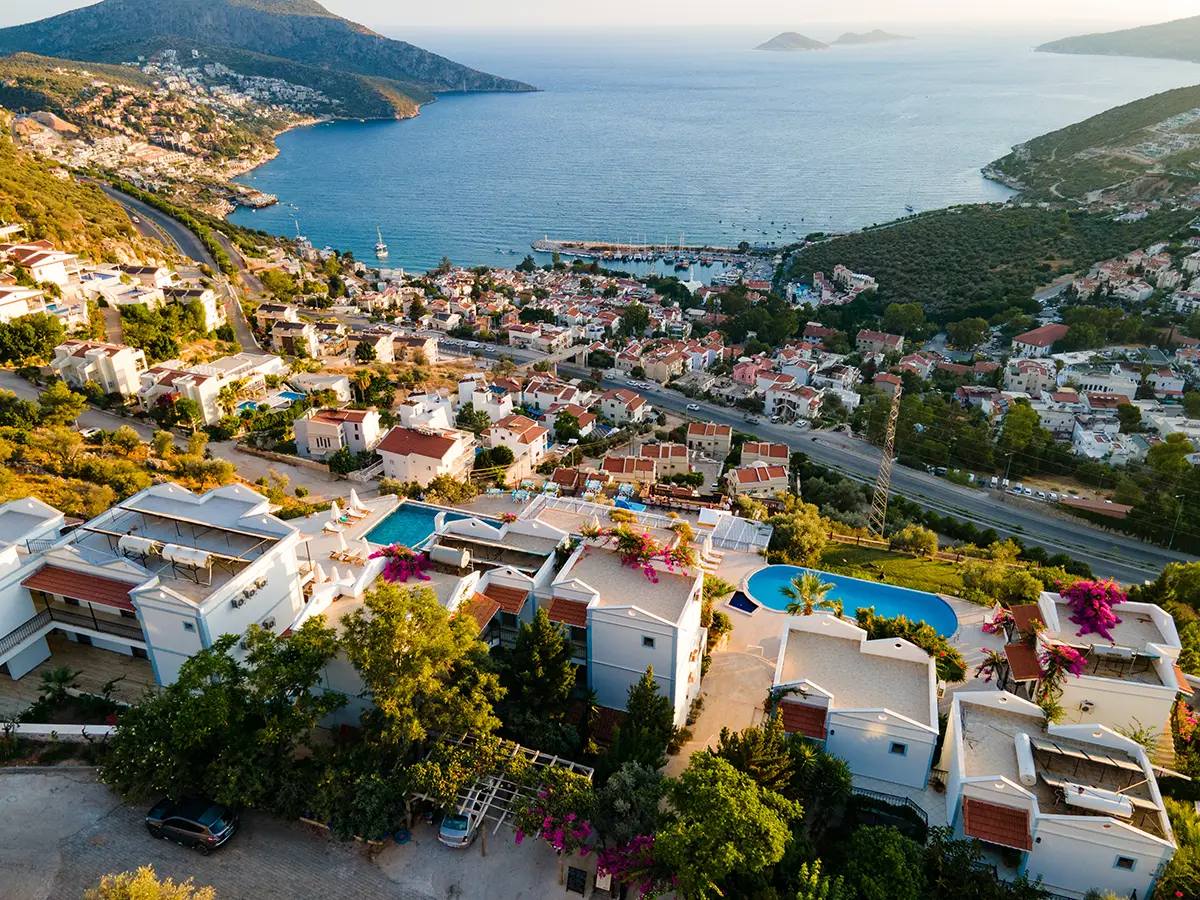
The Greece Golden Visa offers one of the most popular residency-by-investment programs in Europe, combining real estate investment eligibility with one of the lowest investment thresholds currently available.
Unlike the D2 Visa, this is a passive investment program that requires investors to purchase real estate assets to qualify for Greek residency.
As a pathway to EU residency for Gulf nationals, this is a more certain and secure option with significantly lower demands for time and presence, while still promising a good return on investment.
What is the Greece Golden Visa?
The Greece Golden Visa is a residence-by-investment program introduced under Greek immigration law that grants a renewable five-year residence permit to non-EU nationals who make a qualifying investment in Greece.
The most common qualifying route involves the acquisition of real estate meeting the applicable minimum investment threshold.
The program is regulated by the Greek Ministry of Migration and Asylum and administered through decentralized immigration authorities.
Why is it Attractive for Gulf Nationals Seeking EU Residency?
For residents and citizens of the UAE, Saudi Arabia, Kuwait, and Qatar, the Greece Golden Visa offers several strategic advantages:
- EU Residency Access
Greek residency permits allow visa-free travel within the Schengen Area for short stays, facilitating mobility across Europe.
- No Minimum Stay Requirement
Unlike many European residency programs, Greece does not require a minimum number of days spent in the country to maintain the residence permit. You can invest in Greek property and secure EU residency rights with only a single visit to Greece for biometric submission.
- Renewable 5-Year Residency
The residence permit is valid for five years and can be renewed indefinitely, provided the investment is maintained, with a pathway to citizenship after seven years of actual residence.
- Family Inclusion
The program allows inclusion of:
- Spouse;
- Dependent children;
- Parents of both the main applicant and their spouse.
This makes it structurally attractive for multi-generational family planning.
- Tax Opportunities
In addition to access to a Mediterranean real estate market with strong tourism fundamentals and growing international demand, Greece also offers an attractive non-domiciled tax status for Greek tax residents with a flat €100,000 annual tax on all foreign income.
Read More:
Greece Golden Visa Tax Incentives for Foreigners
Who is an Ideal Greece Golden Visa Applicant?
The Greece Golden Visa is particularly suitable for:
- Investors seeking a passive EU residency solution;
- Property investors targeting short-term rental or holiday markets;
- Gulf-based families planning education pathways in Europe;
- Individuals seeking mobility without full relocation;
- Investors diversifying assets into euro-denominated real estate;
- Clients seeking a lower administrative burden compared to active business visas.
What Do Authorities Assess?
Approval is based on completion of the qualifying investment and compliance with immigration standards.
Authorities evaluate:
- Proof of qualifying investment (title deed or contract);
- Transfer of required capital;
- Clean criminal record;
- Valid health insurance coverage;
- Biometric submission in Greece.
Process & Structure
The general process includes:
- Selection and acquisition of qualifying property or investment;
- Obtaining a Greek tax number and opening a local bank account;
- Completion of the investment transfer;
- Submission of the residence permit application;
- Biometric appointment in Greece;
- Issuance of a five-year renewable residence card.
Processing times vary depending on jurisdiction and administrative workload.
Strategic Considerations for Gulf-Based Applicants Seeking EU Residency
Applicants residing in GCC countries often pursue the Greece Golden Visa for reasons including:
- Portfolio diversification outside the GCC;
- Access to European lifestyle and second-home opportunities`;
- Schengen mobility without relocation obligations;
- Long-term succession and wealth planning;
- Education access within the EU
Greece offers a comparatively accessible entry point into EU residency, particularly when evaluated against higher capital threshold programs in other European jurisdictions.
Choosing the Right European Residency Strategy
Both Portugal’s D2 Visa and Greece’s Golden Visa offer compelling pathways to EU residency for Gulf nationals, but they serve fundamentally different strategic objectives.
The D2 Visa is suited to active entrepreneurs seeking to establish a genuine commercial presence within the EU.
It requires operational involvement, physical presence, and long-term engagement but in return offers a structured route toward permanent residency within five years as well as access to the European market and exposure to 2025's top economy.
By contrast, the Greece Golden Visa is designed for investors prioritising flexibility.
It provides Schengen access and renewable residency through qualifying real estate investment, without relocation requirements or business obligations.
Greek real estate is a highly rewarding investment due to increasing interest in the market, and the possibility of long-term rental offers an extra source of returns.
For Gulf-based applicants, the decision ultimately depends on intent: whether the objective is to build an EU business footprint with significant time spent in-country or to secure a passive, asset-backed residency solution from a distance.
In either case, both programs can form part of a broader strategy for EU residency for Gulf nationals, supporting mobility, wealth diversification, and long-term international planning when approached with careful structuring and professional guidance.
-

Investment Opportunities in Athens: Four Properties Worth Considering in 2026
Discover property investment opportunities in Athens, including apartments from €250,000, Golden Visa options and premium homes on the Athens Riviera....