

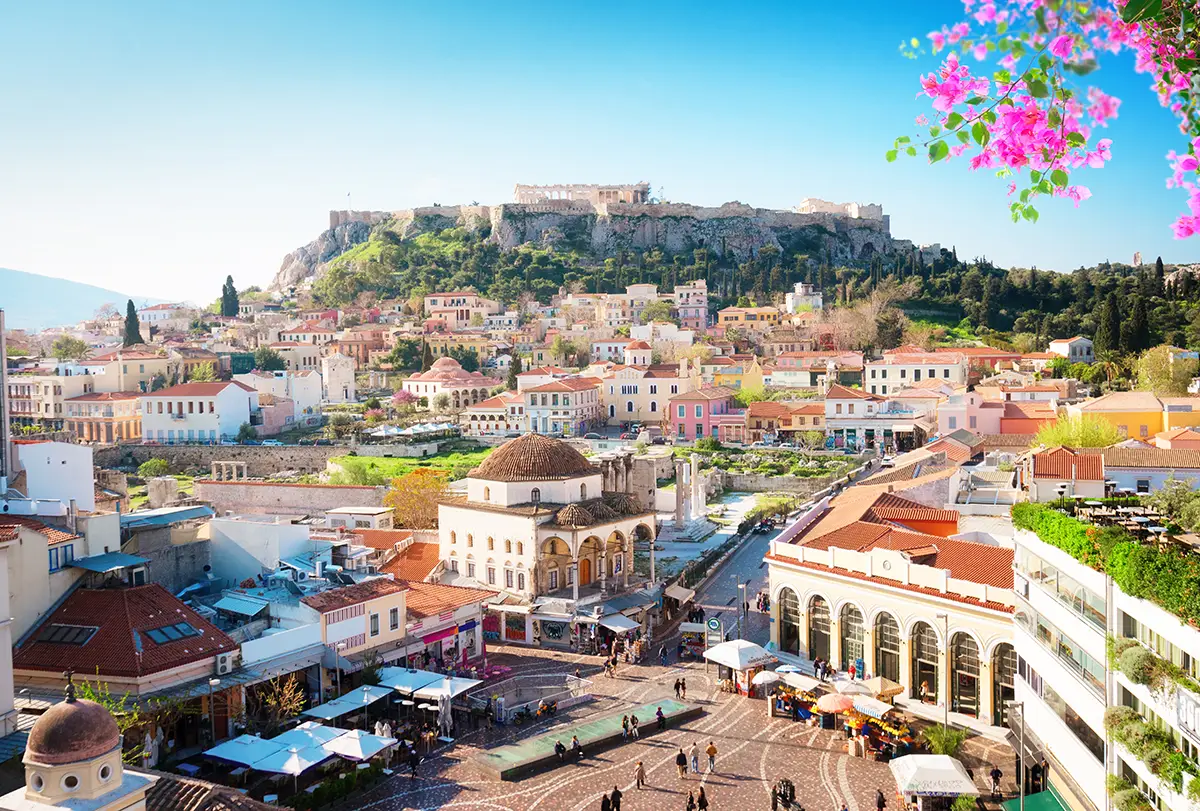
Greece vs. Other European Countries: A Cost Comparison
Greece has steadily gained international attention as a tourist destination, yet it remains an underrated option for those looking to moving to Europe.
While many people associate the European Union with countries like France, Germany, or Italy, those who choose Greece often discover a more affordable and equally rewarding alternative.
It's one of the most budget-friendly countries in Europe with not only a lower cost of living, but also high safety levels, clean air, welcoming culture and a more family-driven culture.
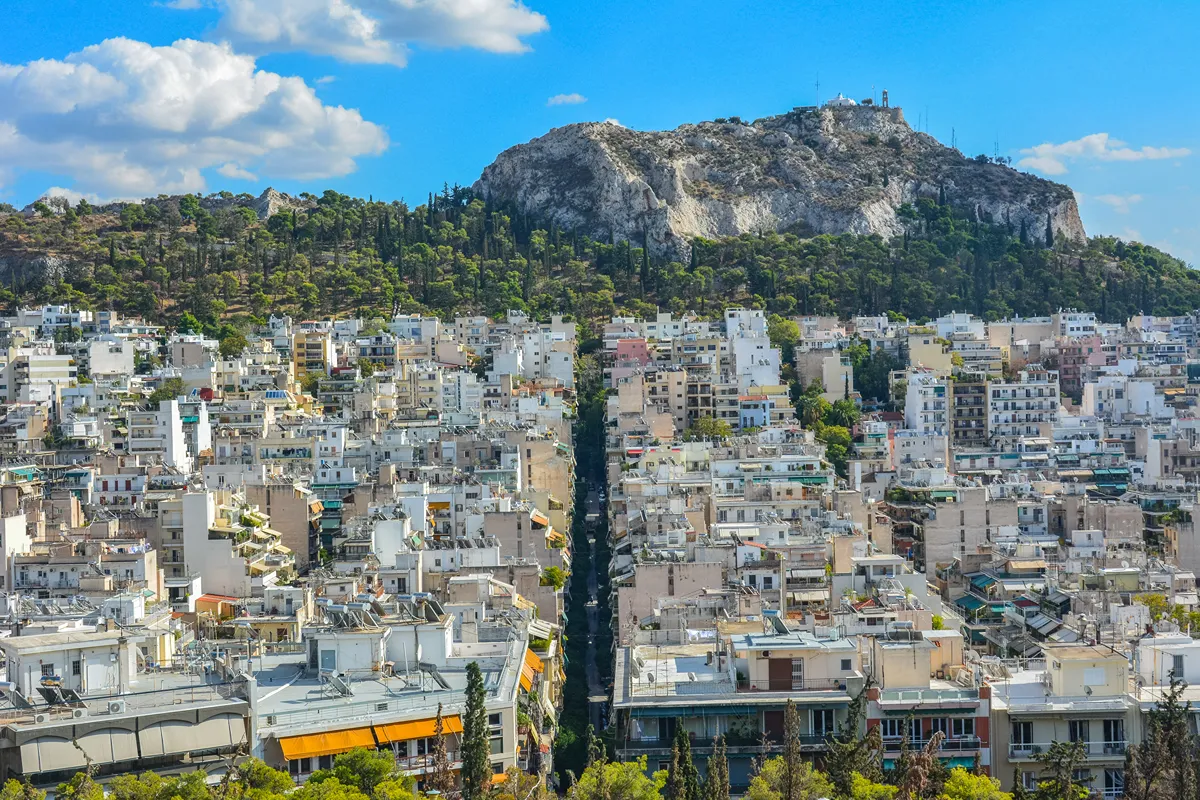
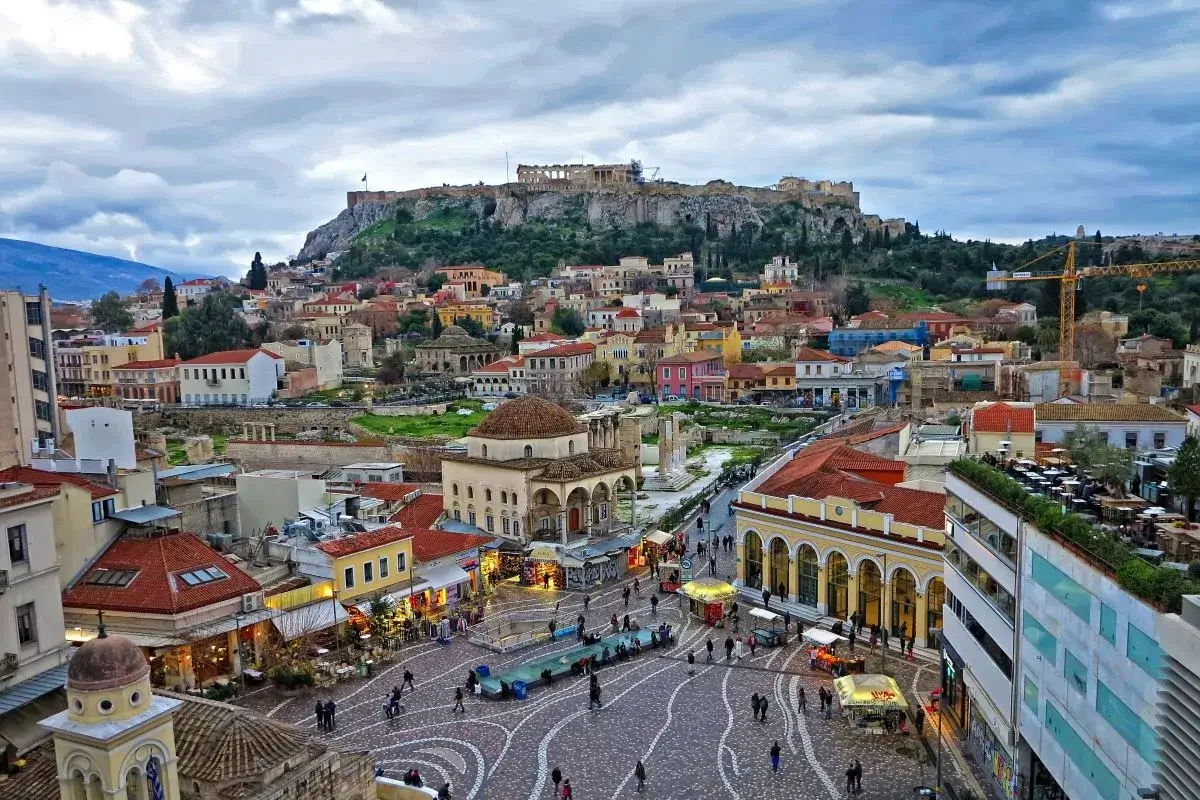
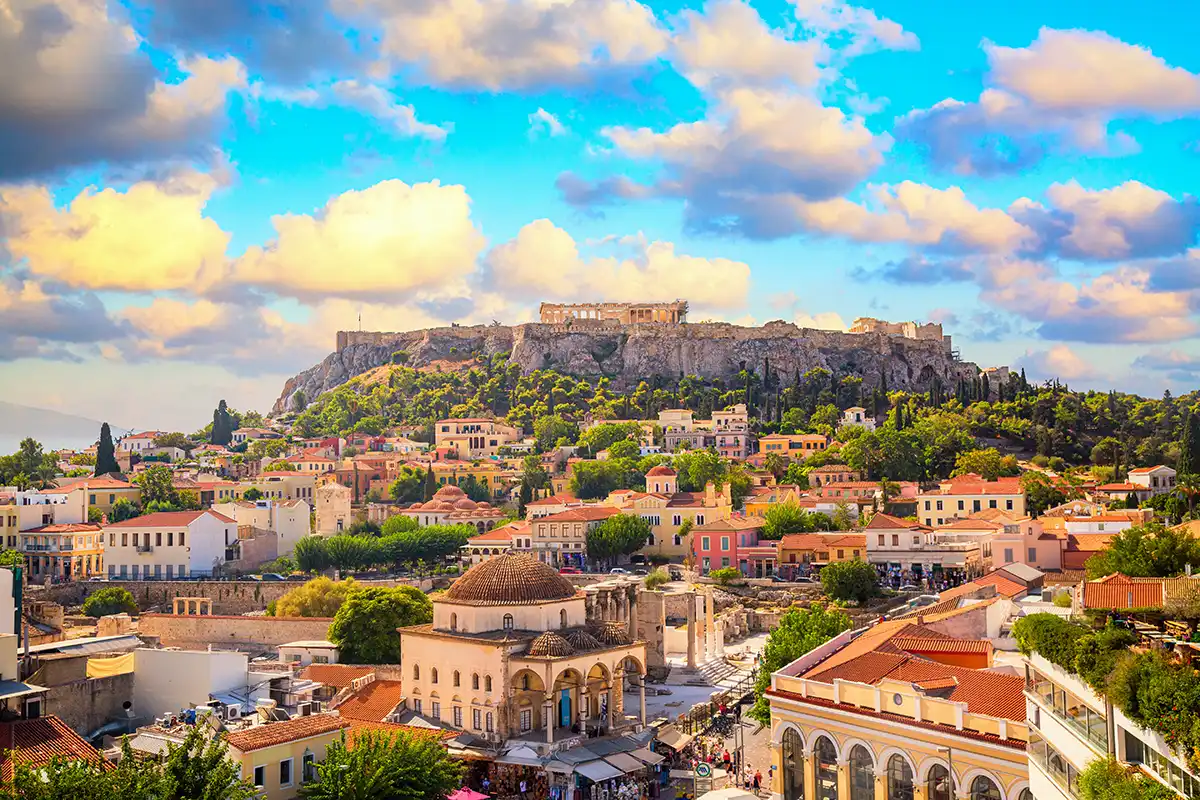
Even living in the capital city, Athens, one of Greece's most expensive areas, it's still noticably more affordable than living in comparable European capitals like Barcelona or Berlin.
According to crowdsourced data, monthly rent in Athens is less than half of that in cities like Barcelona or Berlin, while other living expenses such as utilities and dining remain similarly affordable.
With a far more affordable cost of living, even in the capital, Greece stands out as an attractive option for those who want to enjoy life without overspending.
Overall, its combination of affordability and quality of life makes Greece one of the best places to live without compromising on lifestyle.
Cost of Living in Greece vs Other Countries
Comparing Greece only to other European countries does not always give the full picture, as some may argue that its affordability is simply a reflection of its economic situation.
While there is some truth to this, it overlooks the country’s stronger quality of life offering in a global context.
Viewed more broadly, the cost of living in Greece still stands out as highly affordable, especially when compared to countries that offer a much lower quality of life at a similar or higher cost.

When comparing countries, it is important to balance cost of living in Greece with quality of life. Affordability means little if it comes at the expense of safety or basic comforts.
In this respect, Greece stands out, offering a high quality of life at a lower cost than many Western European countries and the United States.
In places like Switzerland, the United States, or Australia, everyday expenses such as housing, transportation, and food are significantly higher, whereas Greece provides a more affordable alternative without sacrificing quality.
At the same time, while countries like Brazil and South Africa may offer similar levels of affordability, Greece distinguishes itself through its combination of safety, modern infrastructure, natural beauty, and a relaxed Mediterranean lifestyle within a European setting.

In this comparison, Greece occupies a middle ground, offering a much lower cost of living than countries like Switzerland or the United States while maintaining a higher standard of living than countries such as Brazil and India.
This balance makes Greece an attractive option for expats, digital nomads, and investors seeking a comfortable and affordable lifestyle in Europe.
Food Costs in Greece: How Affordable Are Groceries?
When you think of Greece, what comes to mind first? You might well say history, democracy, or mythology, but what about its cuisine?
Greece is known for its fresh and healthy Mediterranean food, from seafood by the coast to classic dishes like chicken souvlaki found on the streets of Athens.
In fact, Greek cuisine is ranked as the second best in the world by TasteAtlas.
Food is a central part of daily life, and it's no coincidence that grocery and dining costs play a key role in the country’s overall affordability.

This is especially evident when shopping for staple groceries like vegetables, fruits, and dairy, which are significantly cheaper in Greece than in other Western European countries.
In fact, with as little as half of what a resident of Germany or France might spend, someone living in Greece can enjoy a rich, nutritious, and delicious diet.

On average, basic groceries are cheaper in Greece than in the rest of Europe. For example, the cost of a dozen eggs is less than four euros in Greece while it might be as much as seven in other parts of Europe.
These savings, combined with the fresh and healthy nature of Greece's Mediterranean diet, make food both affordable and enjoyable.
Housing Costs: Rent and Property Prices
Housing is undoubtedly one of the biggest expenses for any expat looking to relocate, especially when considering the cost of living in Greece.
Whether you are searching for a rental or planning to buy your own place, you might face some challenges when making this decision.
The good news for new residents in Greece is that both rental and property prices are significantly lower than in many other European countries, and even more affordable compared to places like China and Canada.
Property prices in Greece are especially reasonable, not only in low-density areas but also in cities like Athens, Piraeus and Thessaloniki.
Read more:
Greece Golden Visa Properties in Athens: Apartments in Kallithea for under €250k

Rental Costs in Major Greek Cities
The Greek real estate market has shown continued resilience in recent years, with property prices maintaining a steady upward trend, particularly in major urban centers.
According to the Bank of Greece, apartment prices increased by approximately 9.1% in 2024 and continued to rise by around 7.7% year-on-year in the third quarter of 2025, indicating sustained growth at a moderating pace.
While the Bank of Greece does not publish average rental prices in euros per square meter, it does track rent indices, which, together with broader market data, indicate ongoing upward pressure on rents across the country.
This trend of rising rental prices is consistent across most of Greece, driven by growing demand in urban areas, foreign investment, and structural supply constraints, especially through Greece's Golden Visa program, contributing to increasing affordability challenges in the Greek housing market.
It's important to note that, despite the recent price increases, the average cost of housing remains relatively affordable for a European city.

Property Prices for Buyers
Greece also offers strong value for those interested in purchasing property, particularly in less tourist-heavy areas or emerging regions. The real estate market has experienced steady growth in recent years.
According to data from the Bank of Greece and broader market indicators, residential property prices in Greece have continued to rise, reflecting sustained demand and ongoing investment activity.
While official statistics from the Hellenic Statistical Authority (ELSTAT) primarily track price trends through indices rather than reporting average prices per square meter, available market data suggests that property values have increased significantly since 2023.
Athens leads in terms of cost, with property prices in the city center averaging around €2,500 per square meter, while prices in suburban areas and smaller cities remain lower.
In high-demand areas, particularly in the southern suburbs of Athens, prices can range from €4,000 to over €7,000 per square meter depending on the location and property type.
Similar upward trends are observed in regional markets such as Crete, where popular areas like Chania tend to command higher prices compared to other parts of the island.
Overall, this reflects a broader trend of rising real estate values across Greece, driven by both domestic demand and increasing interest from foreign investors.
While the market has shown strong growth in recent years, future price movements will depend on broader economic conditions and supply dynamics.


Healthcare: Affordable and High Quality
Greece’s healthcare system is known for providing both public and private options, with affordable and high-quality care available to all residents.
Public healthcare is accessible at no cost to residents and expats who qualify, but many opt for private insurance due to its relatively low cost.
Private healthcare is significantly more affordable than in many Western countries, with a typical doctor’s appointment at a private clinic costing between €50 and €100, while private health insurance premiums range from €500 to €1,500 annually, depending on the level of coverage.
In comparison to the United States, where healthcare costs are notoriously high, Greece offers a much more affordable solution without compromising on quality.
Transportation: Affordable and Well-Connected
Public transportation in Greece is convenient and cost-effective, especially in larger cities like Athens and Thessaloniki.
The cost of a monthly public transport pass in Athens is around €25–€30 depending on the plan, providing unlimited travel on buses, trolleys, trams, and metro lines within the city, excluding airport routes.
This makes commuting around the city both affordable and efficient.
For those who prefer to drive, owning a car in Greece is also more affordable compared to other parts of Europe.
Fuel prices are on par with EU averages, and car maintenance costs are generally lower. The availability of ferries and flights also makes island-hopping both easy and affordable.


Education: Diverse Options for Families
Greece offers a mix of public and private schooling options for families.
Public education is free for all residents, and there are numerous private international schools that provide quality education in English and other languages.
School fees, in this case, are relatively low compared to other European countries, making Greece an attractive option for expats with children.
The Greek public education system is free and compulsory for children between the ages of 6 and 15, and children normally start their education in primary school (Dimotiko) and continue to secondary education (Gymnasio).
After completing compulsory education, students may choose to continue to senior high school (Lyceum) or vocational schools, which last until they are 18. The public schools follow the Greek national curriculum, and instruction is primarily in Greek.
Average Private School Fees in Greece:

For foreign-born students, public schools may offer Greek as a second language and integration support, although the focus remains on the national curriculum.
In addition to the public system, Greece has private education options, including international schools that are often more adaptable to the needs of expat families. These schools provide education in English or other languages and offer curricula like the International Baccalaureate (IB), British, or American systems. They are popular among expat communities and foreign investors seeking a more internationally oriented education for their children.
There are approximately 30 international schools across Greece, with the majority located in Athens. Tuition fees in these schools typically range from €4,000 to €20,000 per year, depending on the institution and its offerings.
Some schools provide additional services such as boarding or specialized language support, which can influence the overall cost.
Utilities and Other Living Expenses
While utility costs can vary depending on the region and property type, they remain affordable overall.
On average, utility bills in Greece, including electricity, water, and heating, range from €120 to €180 per month. Internet and phone services are also inexpensive, with an average cost of €25 to €35 per month for high-speed internet.

Dining Out in Greece
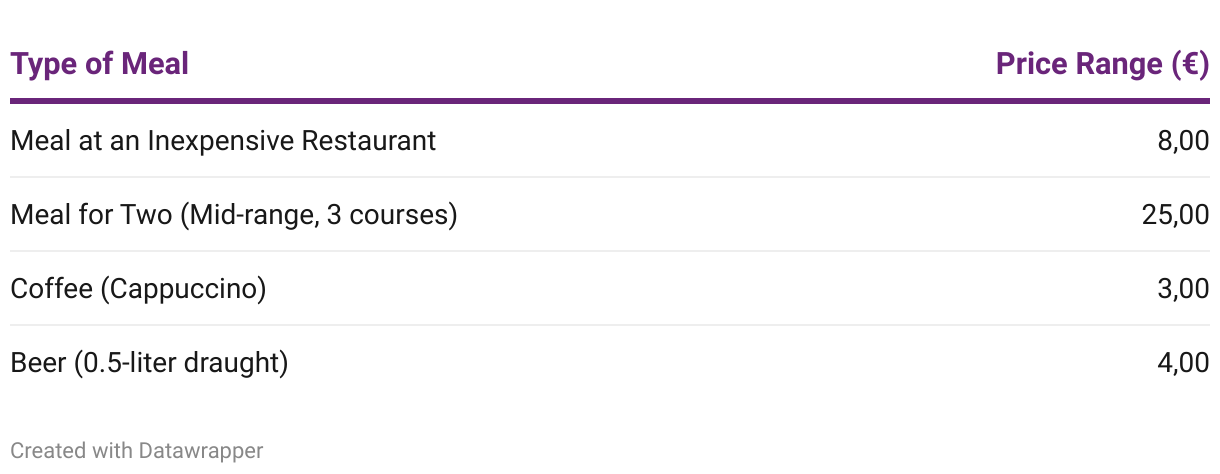
Dining out in Greece is an experience that can be as affordable or as luxurious as you desire, depending on where you are and what you are in the mood for.
While high-end restaurants in places like Athens or Santorini may come with a hefty price tag, you will find that dining at local tavernas or smaller restaurants elsewhere is incredibly budget-friendly.
In fact, after saving so much on your daily expenses, you can easily afford to splurge a bit and treat yourself to an unforgettable meal with a view of the Aegean Sea!

For instance, in less touristy areas, a hearty meal of local Greek specialties—like souvlaki, moussaka, or gyros—might cost you only a few euros, sit-down meals usually cost more.
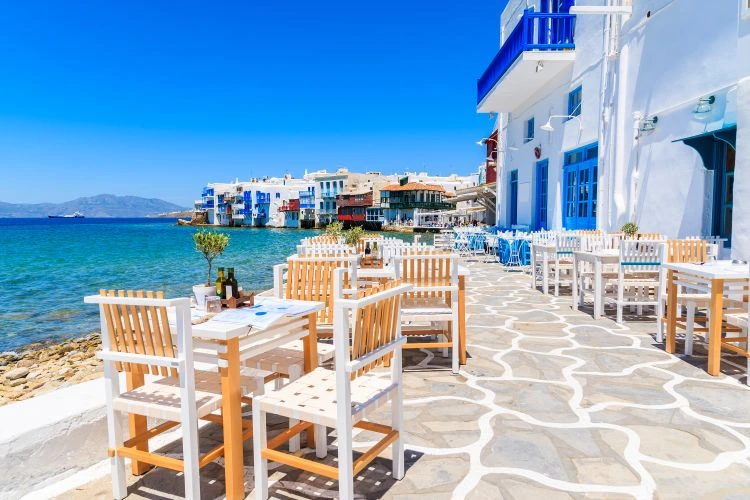
Meanwhile, in hotspots like Mykonos, you can still indulge in world-class dining at prices that, while higher, offer exceptional quality and atmosphere.
So, whether you are grabbing a quick gyro for a few euros or sitting down for a lavish seafood feast, Greece’s diverse dining scene ensures you will never have to worry too much about breaking the bank.
And since you saved so much by opting for more affordable meals earlier, why not go ahead and treat yourself to something special? Whether it is a fine-dining experience or a charming seaside taverna, you will find there is always room in your budget for a bit of indulgence.
Living in Greece: The Pros and Cons
Although Greece offers a lower cost of living compared to many Western European countries, the local job market remains challenging, with relatively low salaries.
As of 2026, Greece’s statutory minimum salary is €920 gross per month, following the latest increase effective from 1 April 2026. Although wages have risen, Greece remains a relatively low-wage economy compared with many EU countries.
Average gross monthly earnings vary significantly by sector, region and data source, and ELSTAT primarily publishes wage and labour-cost indices rather than a single official “standard salary†figure.

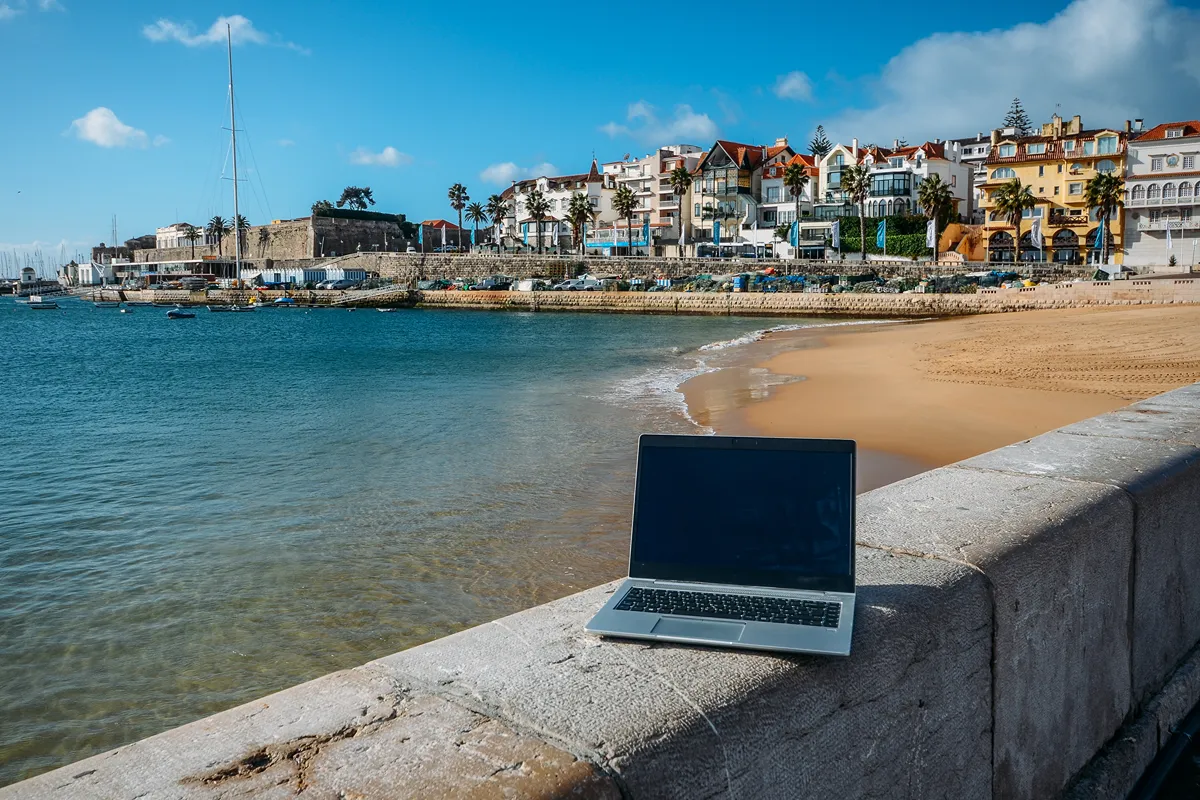
However, for those working remotely, Greece offers an attractive lifestyle.
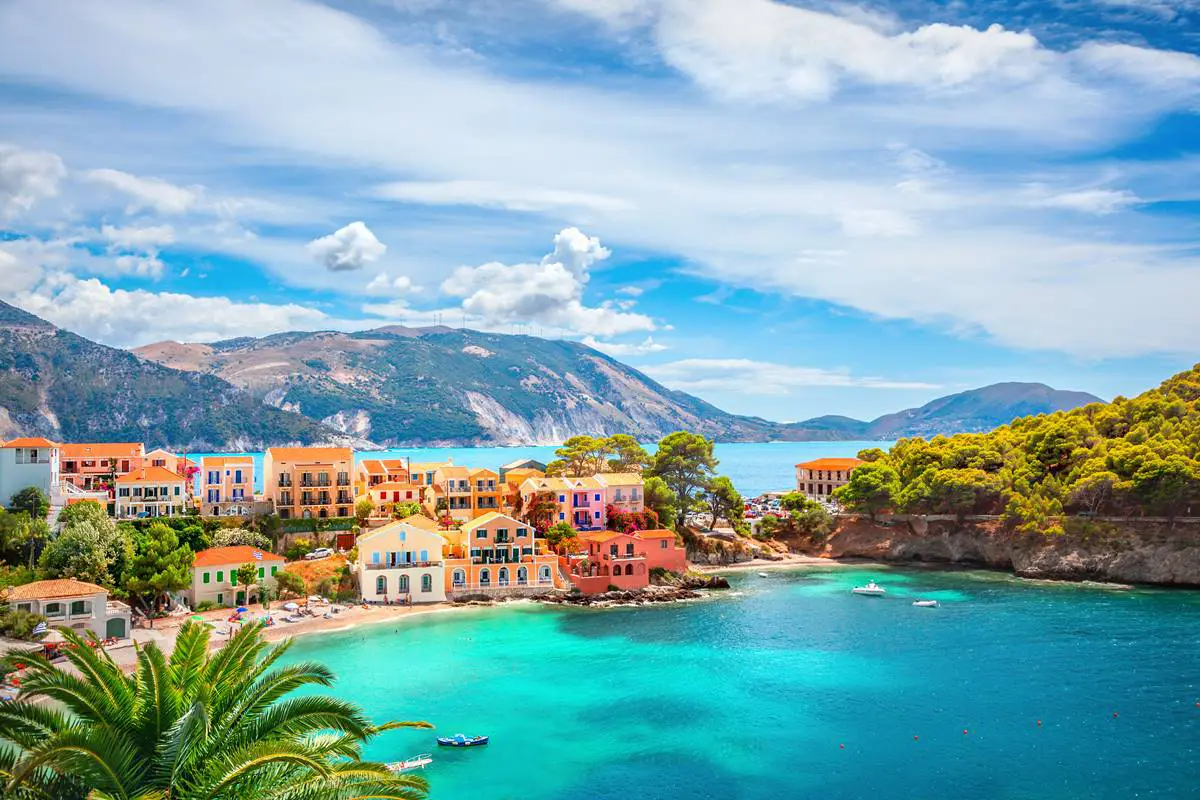
With the flexibility of a remote job, there are no significant obstacles to enjoying life on a Greek island, sipping coffee on the terrace of a house by the beach.
Expats with remote incomes from wealthier countries can capitalize on Greece’s lower living costs while enjoying its natural beauty and cultural richness.
This makes Greece an ideal destination for digital nomads or those seeking a peaceful, affordable lifestyle in a picturesque setting.
Another problem of living in Greece is the high level of bureaucracy, but with proper guidance and patience, navigating the system becomes manageable.
For those using our services, many of these bureaucratic hurdles are minimized, allowing for a smoother transition into Greek residency or property ownership.
Read more:
Living in Greece: Pros & Cons
Mediterranean Living: The Best Places for a Long and Healthy Life
Why Invest in Greece with Investment Visa
At Investment Visa, we specialize in guiding our clients through the process of securing Greek residency through investment, particularly via the Golden Visa Program.
For a minimum investment of €250,000 you can obtain Greek residency for yourself and your family, granting you access to the benefits of living in this vibrant, affordable country.
Our personalized services are designed to simplify the entire process, from selecting the right property to handling legal documentation and helping you settle into your new life in Greece.
For more information on the Golden Visa program or other residency options in Greece, contact us directly for a complimentary meeting with our investment advisors.
With its low cost of living, excellent healthcare, and vibrant culture, Greece is not just a fantastic place to visit, it is a wonderful place to live.
Whether you are seeking affordable luxury, a relaxed lifestyle, or a sound investment, Greece offers it all.
Explore the possibilities of living in Greece with Investment Visa today.
-

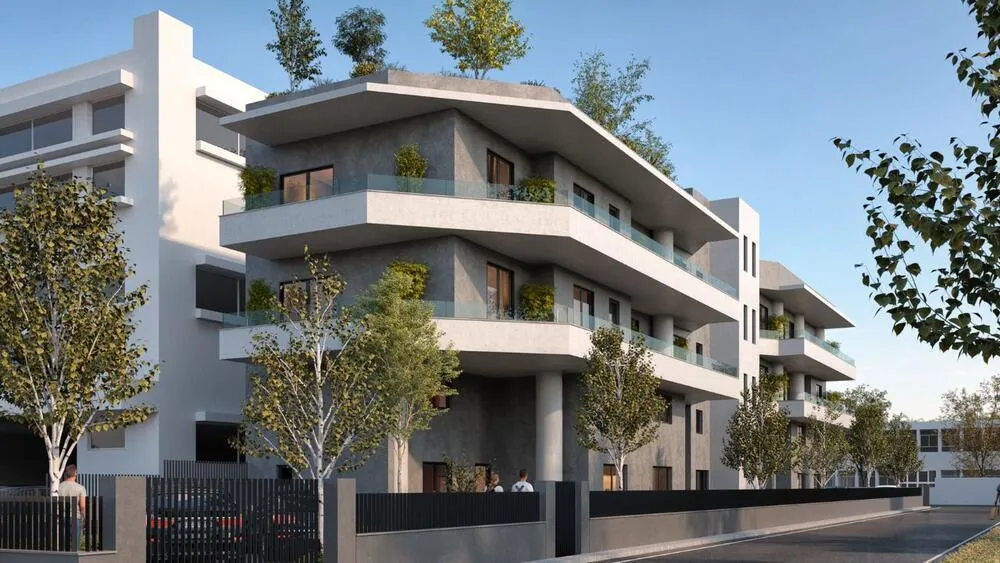
Family Homes in Athens
Explore family properties in Athens, from spacious city apartments to larger homes close to the coast, with options across a...