


Do You Need to Speak Greek: The Short Answer
Whether or not you need to speak Greek depends on how much time you plan to spend in Greece:
- Visiting: If you are visiting Greece, you do not need to speak Greek and can get by easily with just English, especially in major cities and tourist hubs.
- Living short-term: If you're planning to spend a longer time in Greece, you do not necessarily need to speak Greek but picking up a few important Greek phrases will make your life a lot easier.
- Living long-term: While you can get by speaking only English, if you're planning to live in Greece for the medium or long term, learning at least some basic Greek is strongly recommended as it will make your experience more straightforward and pleasant.
Understanding the Greek Language and Alphabet
The Greek language features its own alphabet, one of the oldest in continuous use in the world.
The ancient form of Greek played a fundamental role in the development of many European languages, and a large number of words in English can be traced back to Greek roots.
However, due to the fact that it uses a unique set of letters not shared by any other language, Greek can be intimidating for non-speakers.

Do People Speak English in Greece?
A large proportion of the Greek population speaks English, often estimated at about half or more.
But the level of English proficiency that you'll encounter in Greece varies significantly across the country's different regions, cities, and islands.
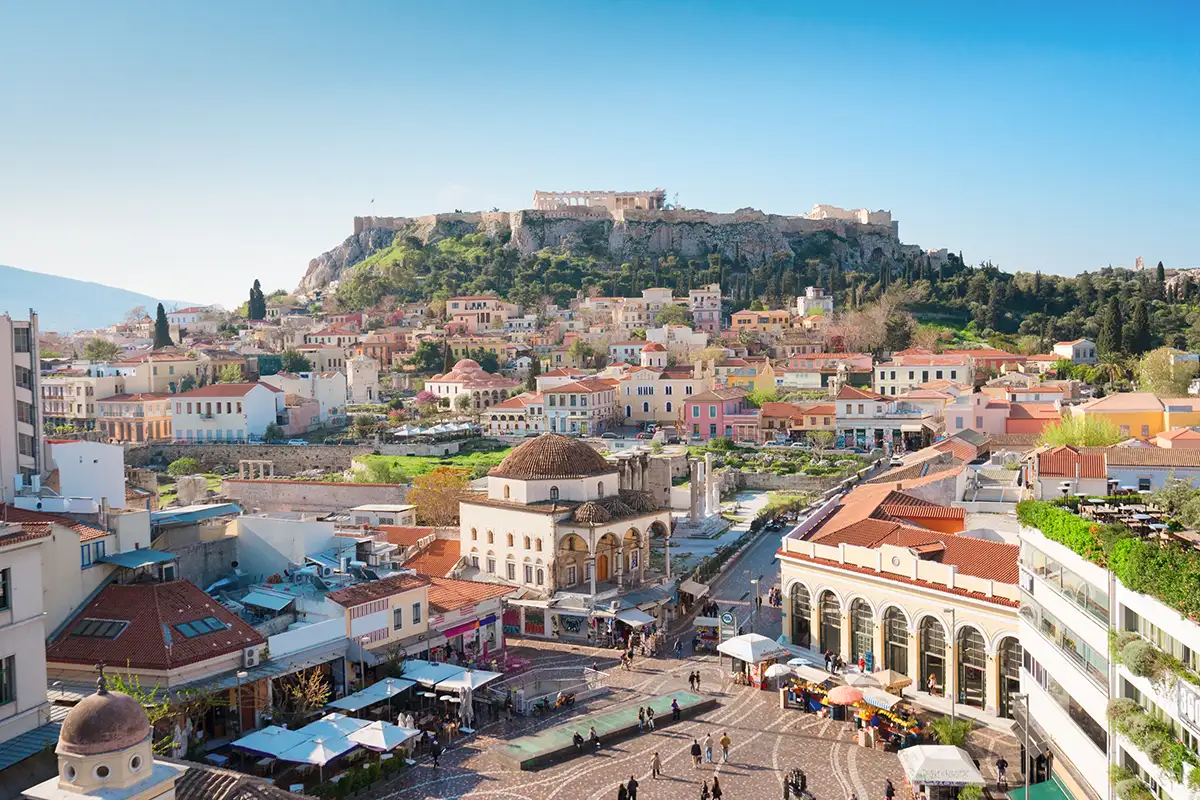
Most Greek people in major cities and tourist centers are likely to speak English.

However, it is much less common in rural areas and traditional communities.
Younger people are much more likely to speak English than older generations since they have grown up around global English-language media.
Read More:
Best English-Speaking Countries to Live in 2026
Where You’ll Need Greek (and Where You Won’t)
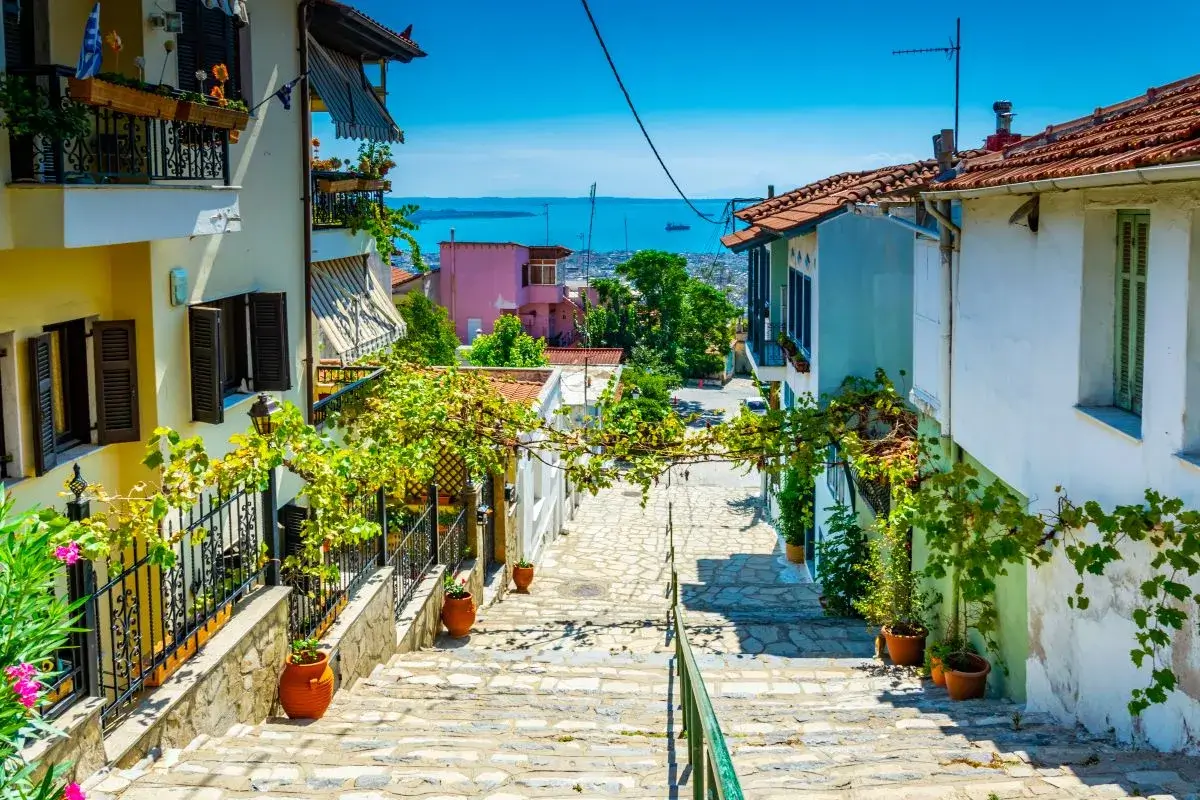
Athens and Thessaloniki:
- English is widely spoken in Greece’s large cities, with daily life manageable without needing to speak Greek.
- The only rare exceptions would be on the very outskirts or traditional areas far from tourist or expat concentrations.
Popular Islands:
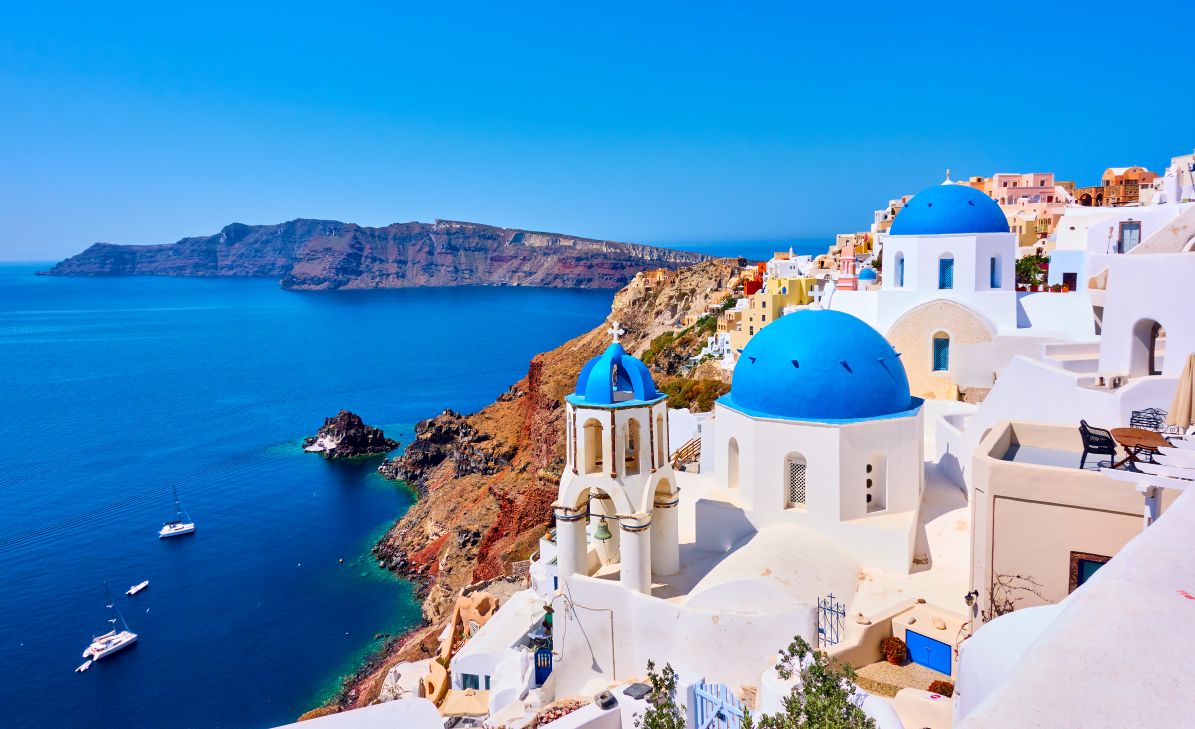
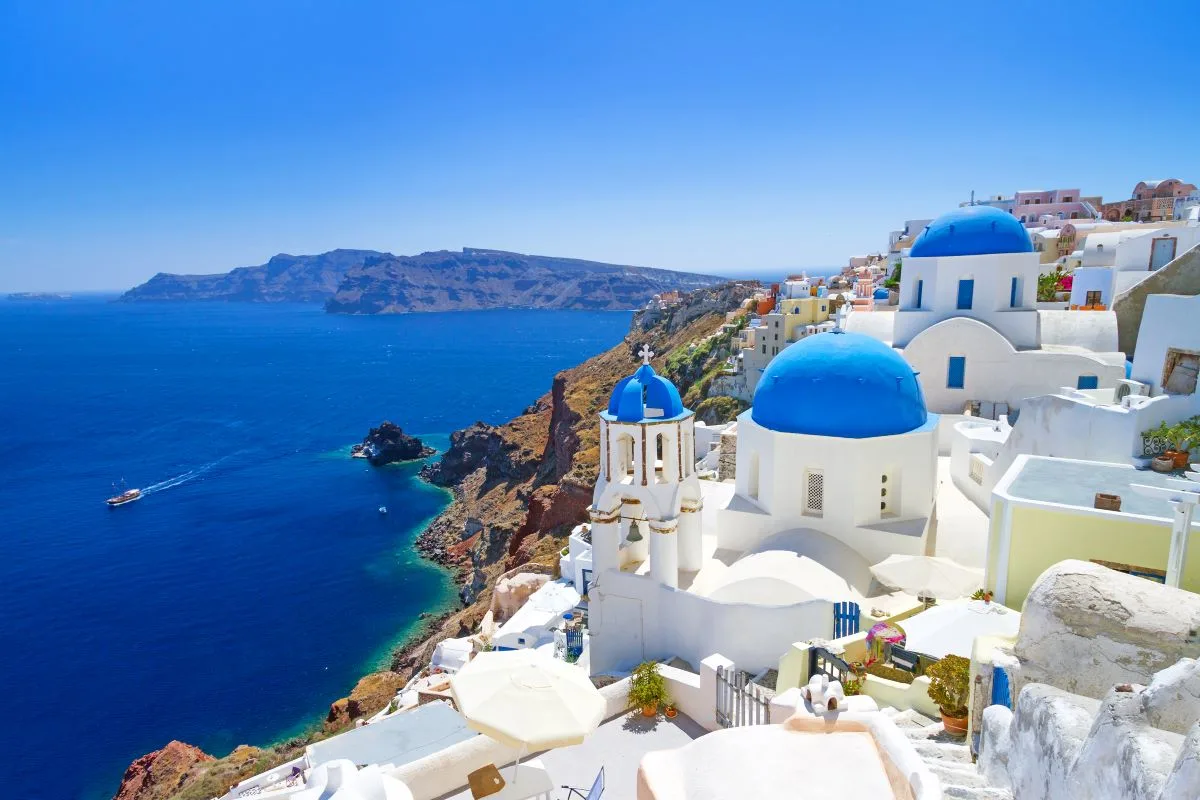
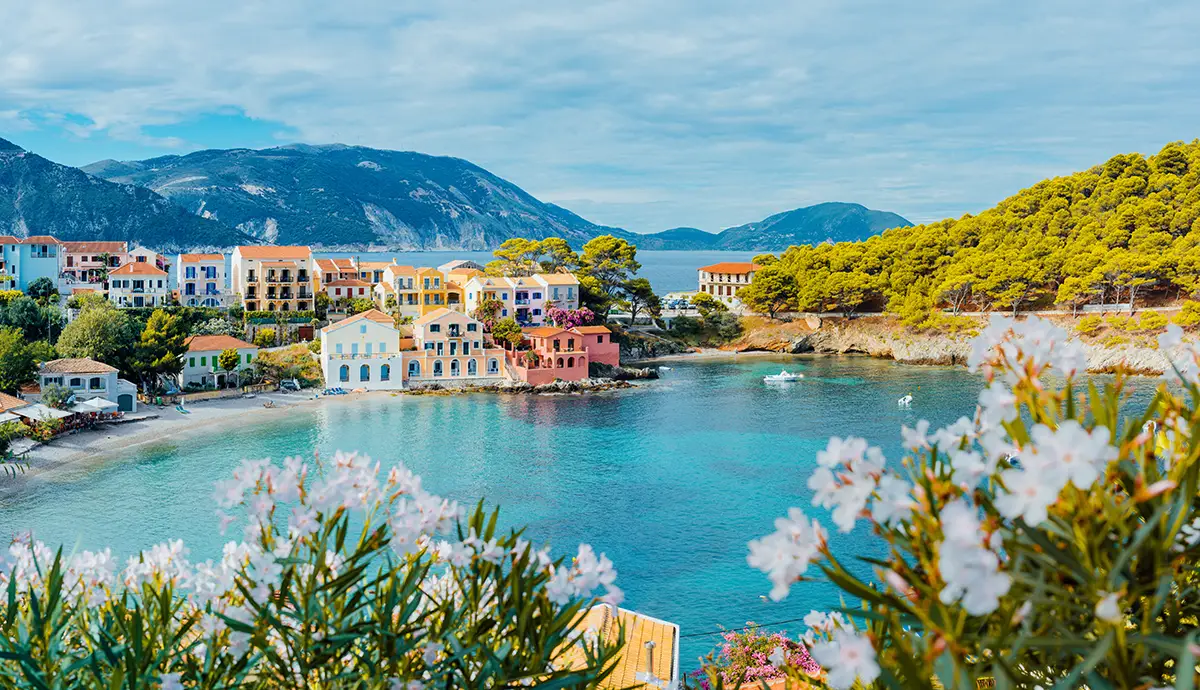
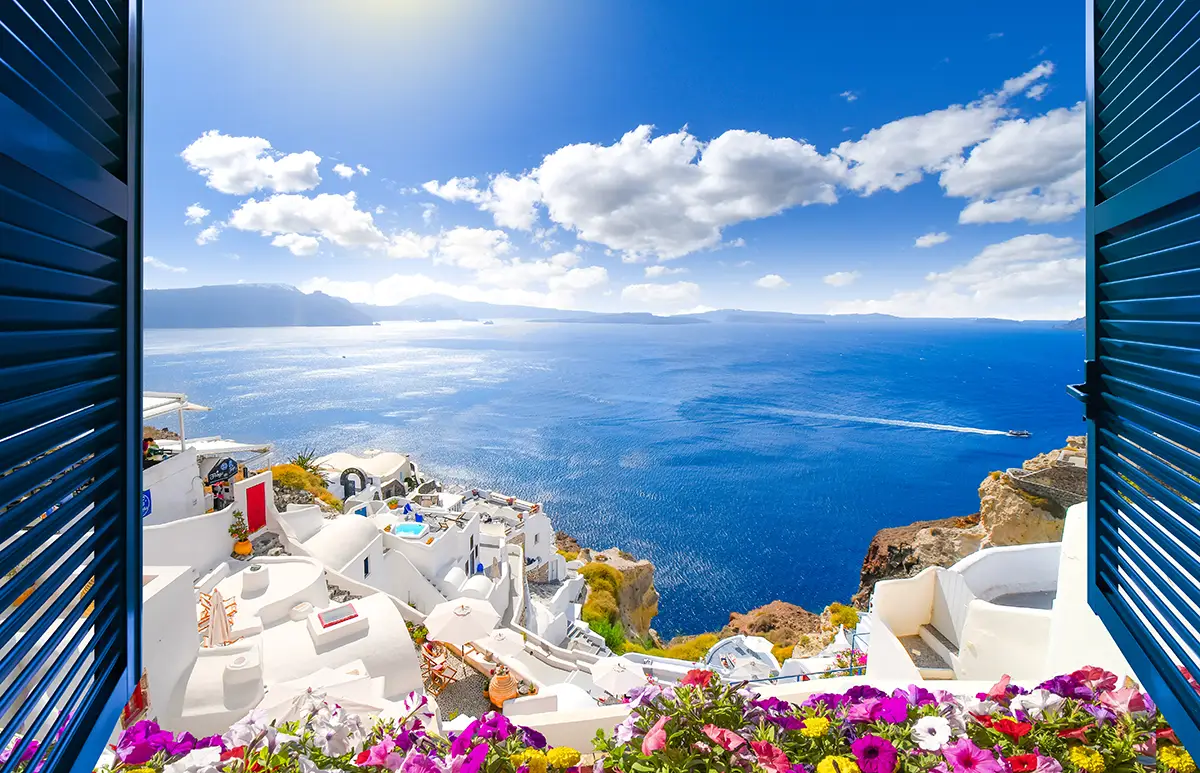
On popular tourist islands like Santorini, Corfu, and Mykonos, as well as in the major cities of Crete, English will be spoken almost everywhere.
On quieter islands or more remote areas, it’s less likely to find English speakers but still far from impossible, especially during the tourist season.

Countryside and Rural Areas:
This is where you’re most likely to struggle if you only speak English.
Proficiency in rural areas with little tourism or international presence is much lower and you may find it difficult to communicate or make yourself understood.
What Challenges Do Foreigners Face Without Greek?
While day-to-day life can be easily navigated without speaking Greek, if you're living in Greece for a longer time, you'll inevitably run into some challenges because of all the parts of life that function by default in Greek, such as:
- Bureaucracy and paperwork.
- Healthcare, banking, and education.
- Tradespeople and local services.
- Daily interactions in non-English-proficient areas.
- Building relationships and integrating socially.

Read More:
Cost of Living in Greece: Invest in More Affordable Living
The Ultimate Guide to Help You Retire in Greece in 2026
The Benefits of Learning Basic Greek
Learning even a small amount of basic Greek will go a long way, especially if you’re planning to spend a longer time in Greece.
Picking up some basic phrases can:
- Improve day-to-day interactions.
- Show respect to locals.
- Lead to warmer responses and better service.
- Help build relationships and community.
Apps and online courses are a good way to get some quick basics.
Local schools or tutors are the way to go if you’re after more in-depth learning.
10 Important Greek Phrases for Daily Life
Here are ten of the most important Greek phrases used in everyday life. Knowing just these ten words and phrases will go a long way to integrating you into Greek life.
- Ne (Yes)
- Óhi (No)
- Yassas (Hello / Goodbye)
- Efharistó (Thank you)
- Parakaló (Please / You’re welcome)
- Signómi (Sorry / Excuse me)
- Miláte Angliká? (Do you speak English?)
- Póso káni? (How much?)
- Kalimera (Good morning)
- Kalispera (Good evening)

How to Get By Without Speaking Greek
However, there are a few ways of managing daily life in Greece without speaking the language.
Translation tools (Google Translate, DeepL, etc.) make many day-to-day interactions easier and simpler by providing quick, on-the-spot translations when you need them.
If you're shopping or trying to talk to a tradesperson, this can be a lifesaver.
English-speaking expat support networks can help with bigger issues.
Whether online or in-person, these groups can help give advice, suggestions, and guidance on how to deal with some of the most common problems faced by those moving to Greece, including language barriers.

Professional support is the best way to handle major bureaucratic hurdles. Support of this kind can include:
- Lawyers.
- Property advisers.
- Relocation specialists.
In fact, many people moving to Greece, especially those planning on buying property or applying for residency, use structured services to handle these challenges from day one.
How Investment Visa Can Help
You don’t need to speak Greek to enjoy Greece. But if you’re planning to stay, invest, or build a life there, having the right support makes all the difference.
With the right guidance, buying property in Greece can be straightforward—even if you don’t speak the language.
At Investment Visa, we help international buyers navigate the entire process from finding the right property to securing residency, so language barriers never become a problem.
Our services include:
- Property sourcing
- Legal and administrative support
- Golden Visa application
- End-to-end guidance
Whether you’re exploring a lifestyle move, investment opportunity, or the Greek Golden Visa, our team can guide you step by step.
FAQs
Do people speak English in Greece?
- Yes, English is widely spoken in Greece, particularly in cities, tourist areas, and the hospitality sector.
- In places like Athens, Thessaloniki, and popular islands, most people working in hotels, restaurants, and services speak good English.
- However, in rural areas and smaller villages, English is less common—especially among older generations.
Do I need to speak Greek to visit Greece?
- No, you do not need to speak Greek to visit Greece.
- English is sufficient for most travelers, and you can easily navigate transport, restaurants, hotels, and attractions.
- That said, learning a few basic Greek phrases—such as “hello” and “thank you”—can enhance your experience and is appreciated by locals.
Can I live in Greece without speaking Greek?
- Yes, it is possible to live in Greece without speaking Greek, but it can be challenging depending on your location and lifestyle.
- In major cities and expat-friendly areas, day-to-day life is manageable in English.
- However, tasks such as dealing with bureaucracy, banking, healthcare, and local services can be more difficult.
- Many expats overcome this by learning basic Greek or working with English-speaking professionals.
Is English widely spoken in Athens and the Greek islands?
- Yes, English is widely spoken in both Athens and the Greek islands, especially in popular destinations such as Santorini, Mykonos, and Crete.
- In these areas, communication in English is usually straightforward.
- However, in quieter islands or less tourist-focused regions, English proficiency may be more limited.
Can I buy property in Greece without speaking Greek?
- Yes, you can buy property in Greece without speaking Greek.
- Many international buyers complete the process entirely in English by working with lawyers, property advisors, and other professionals who handle contracts, legal checks, and communication on their behalf.
- With the right support, the process can be smooth and straightforward.
Do I need to speak Greek for the Greece Golden Visa?
- No, you do not need to speak Greek to apply for or obtain the Greece Golden Visa.
- The program has no language requirements, making it accessible to international investors.
- Most applicants complete the process with the support of legal and advisory teams who manage documentation, property purchases, and residency applications.
-

Who Are Greece’s Golden Visa Investors in 2026?
The latest official data shows who is driving demand for the Greece Golden Visa in 2026, how the investor mix...