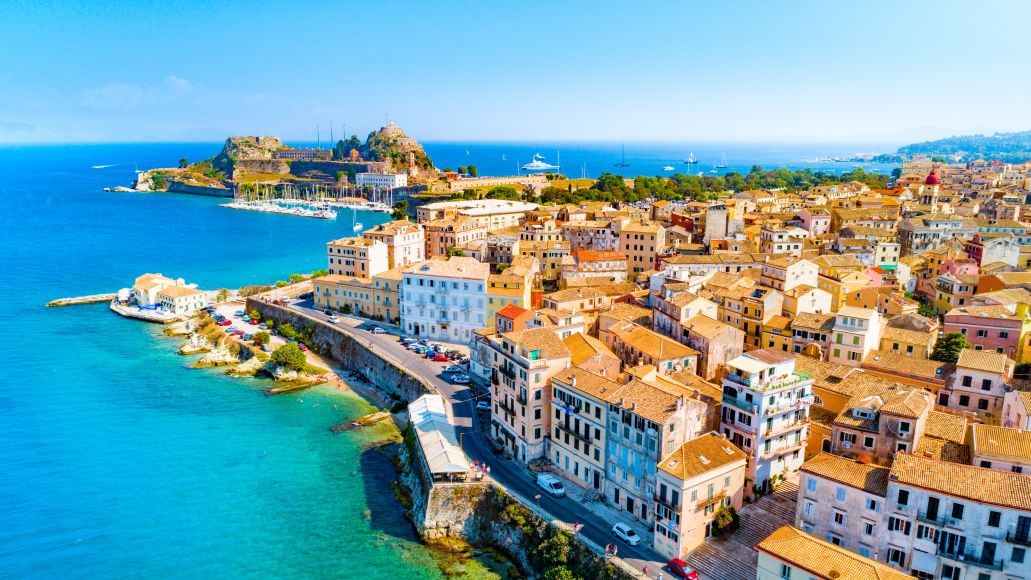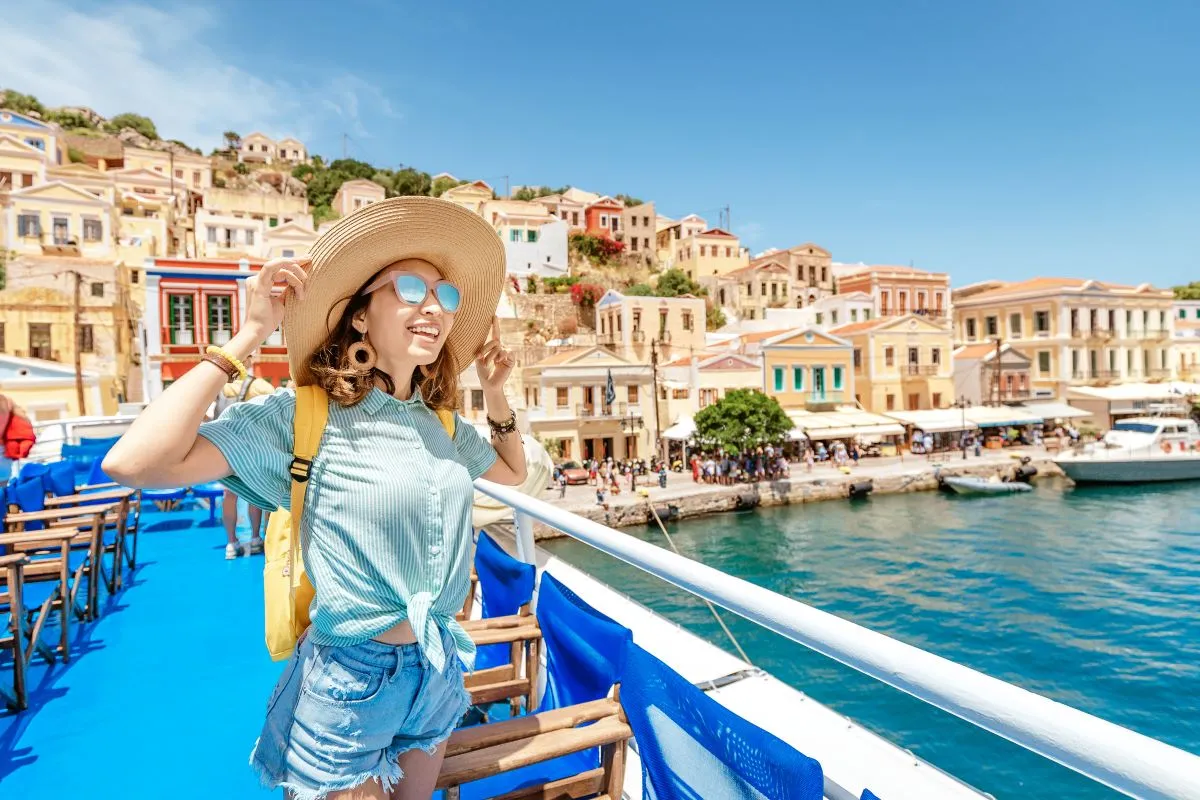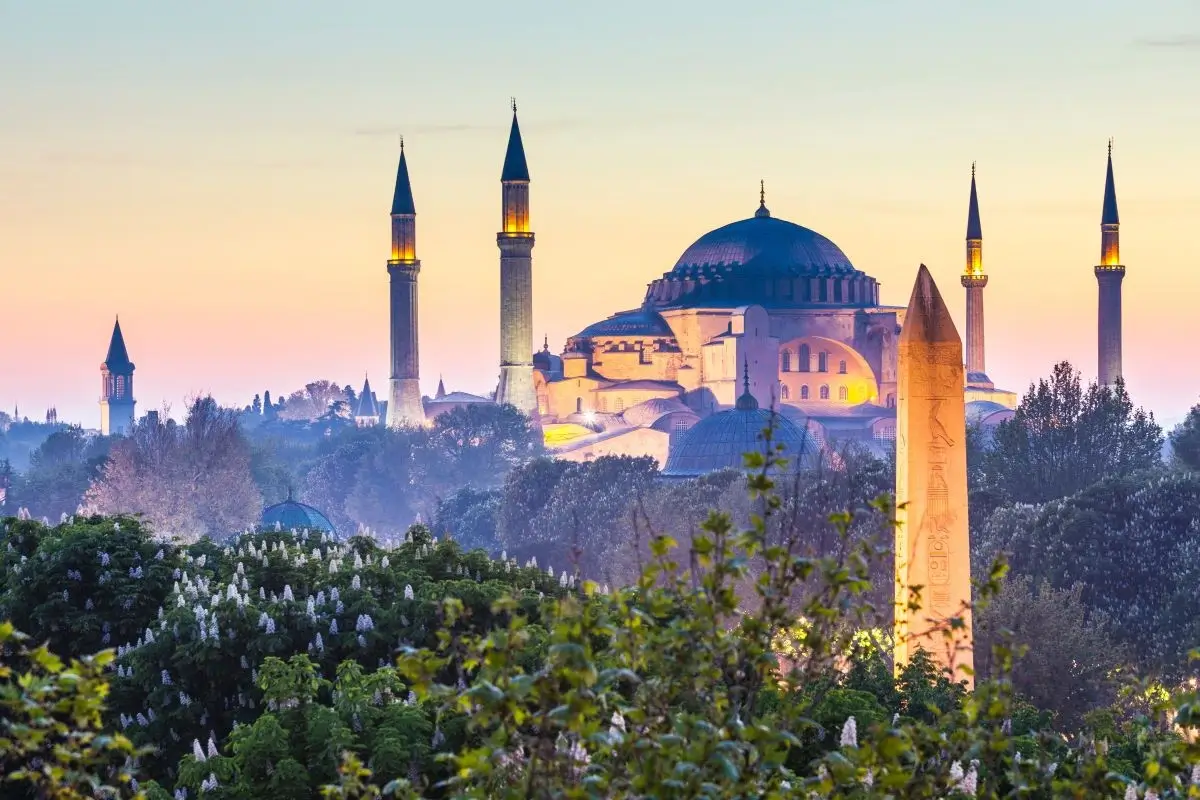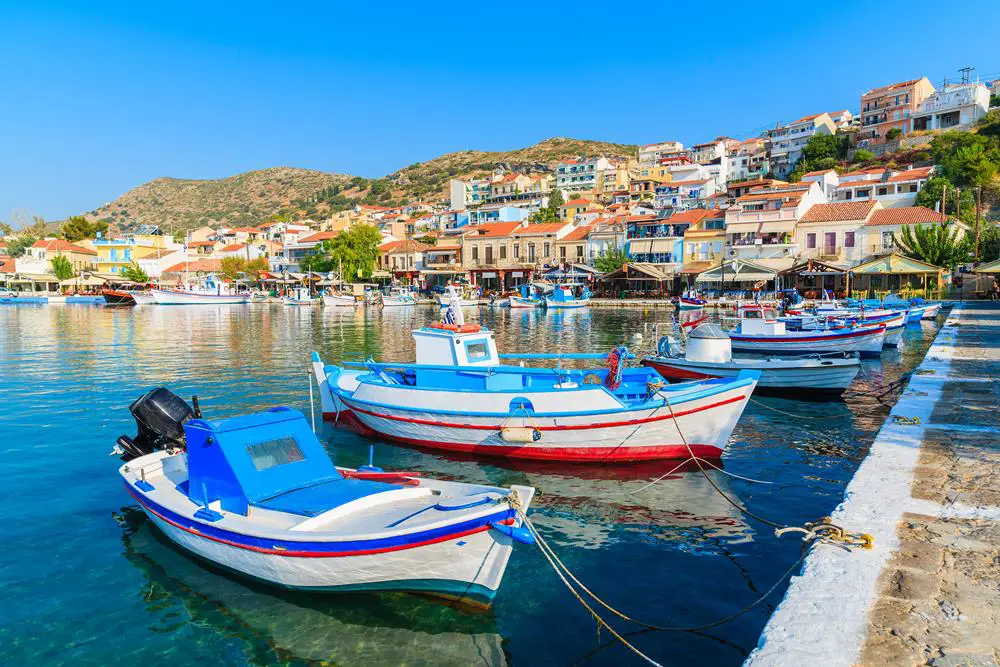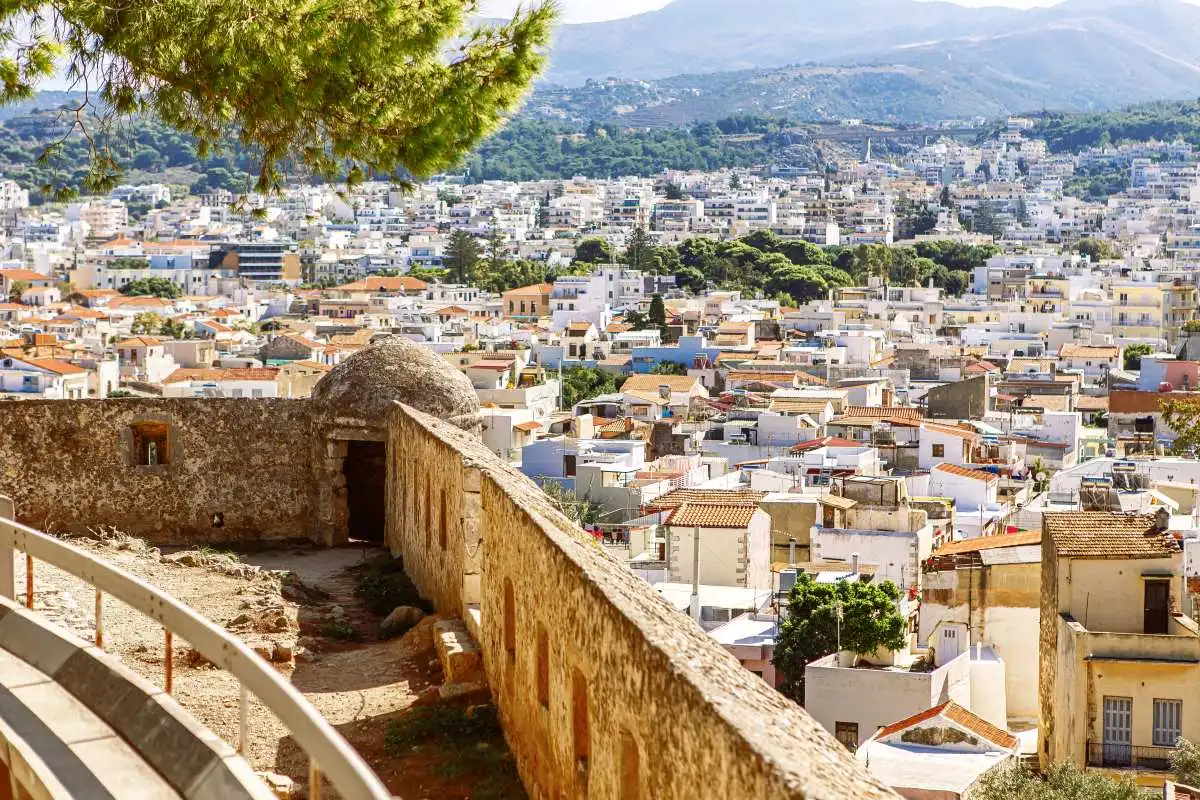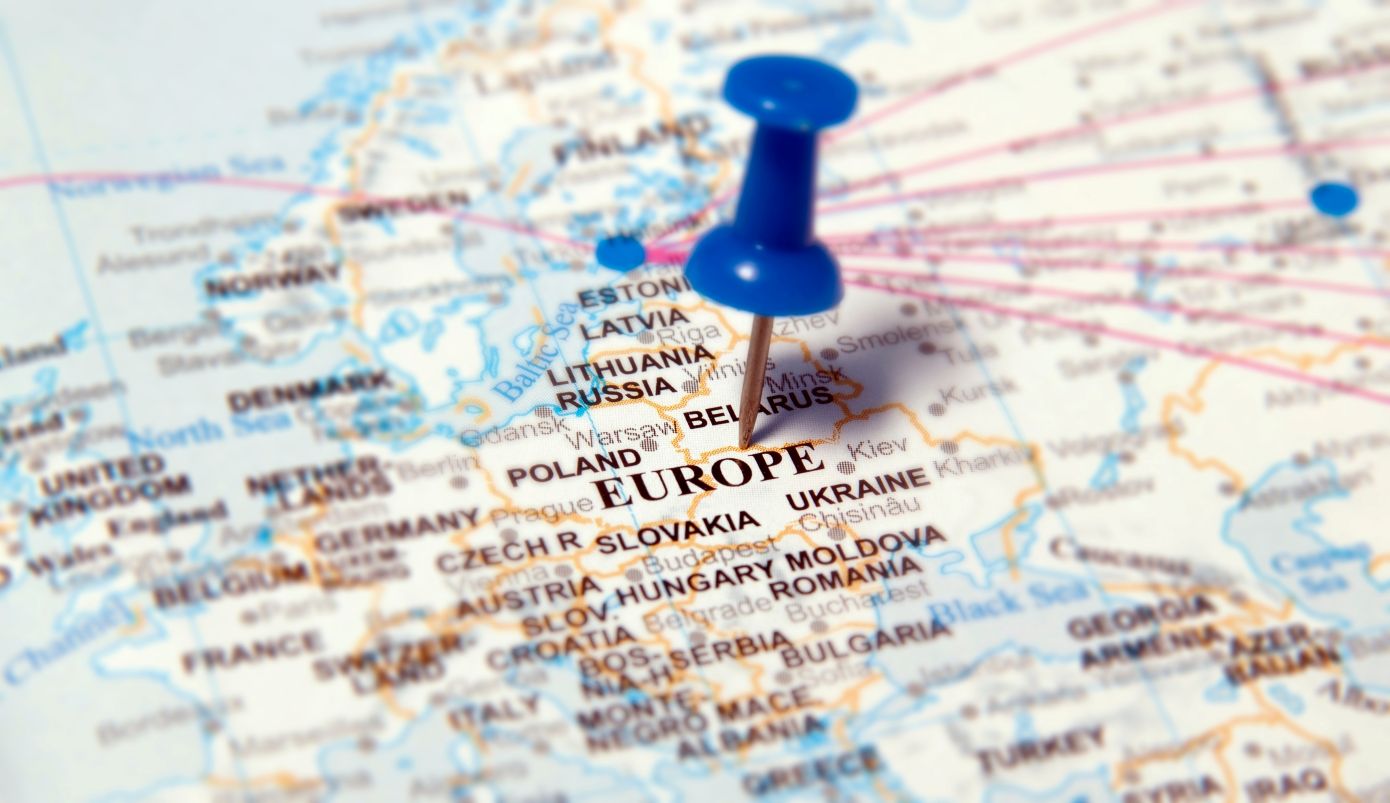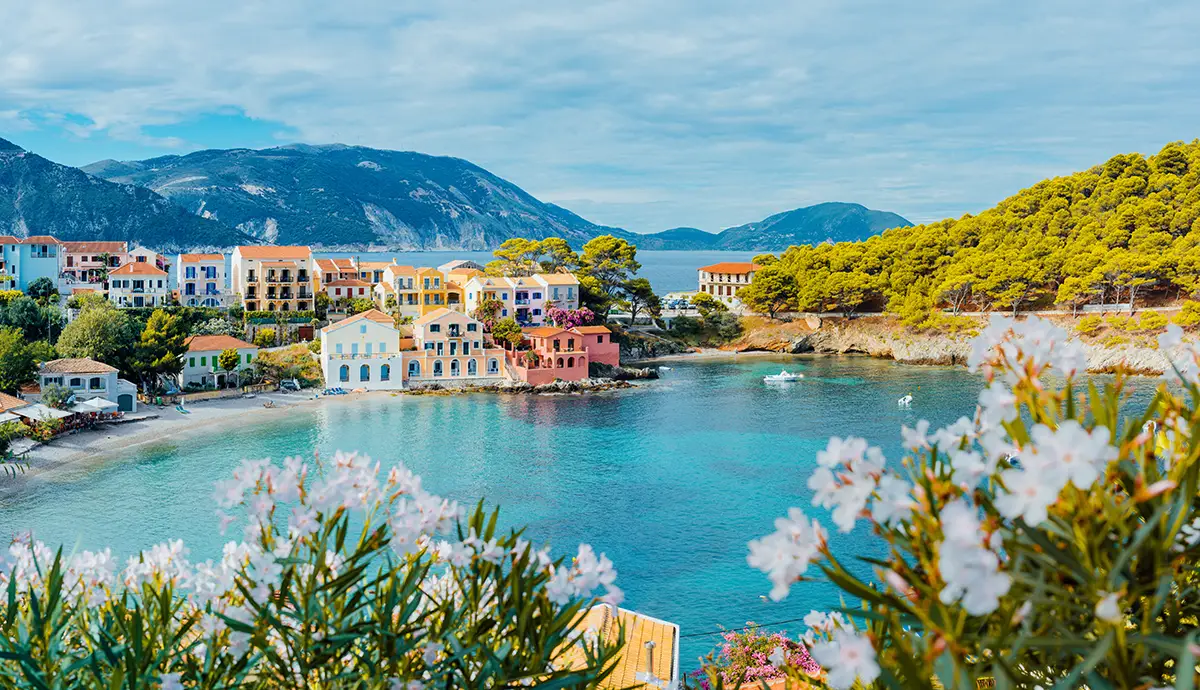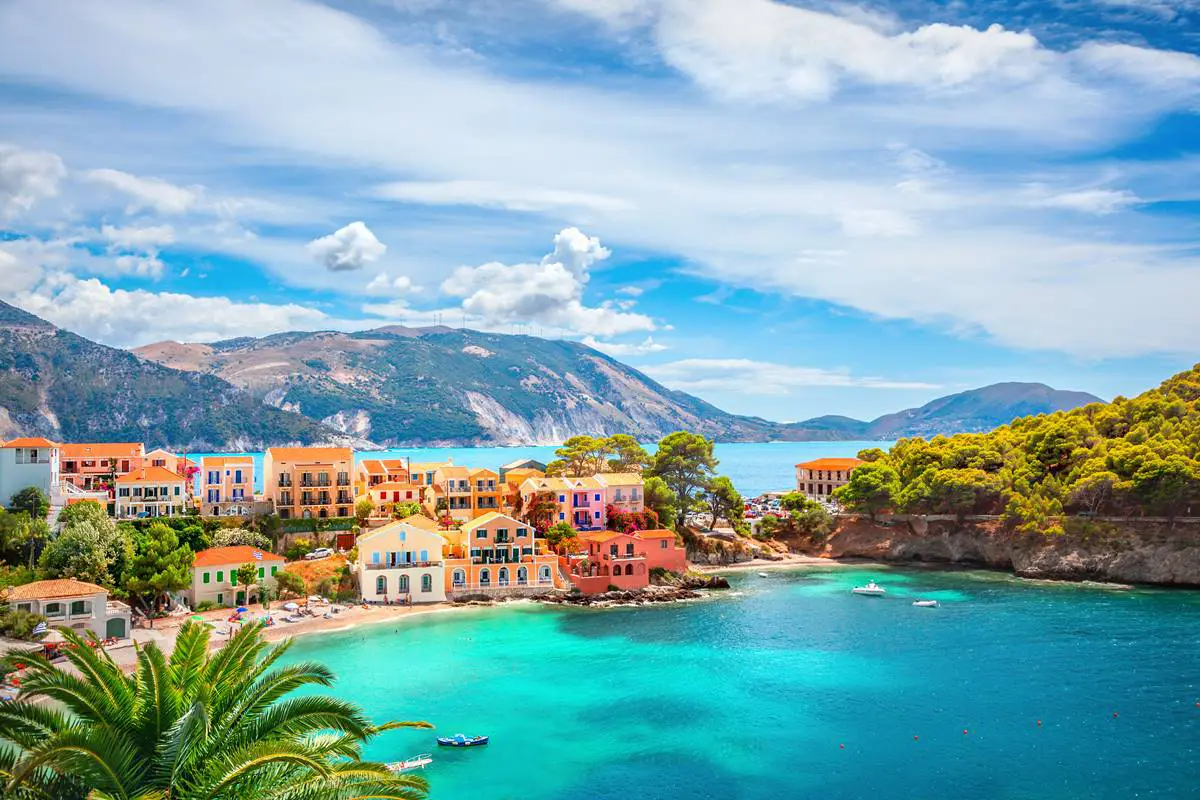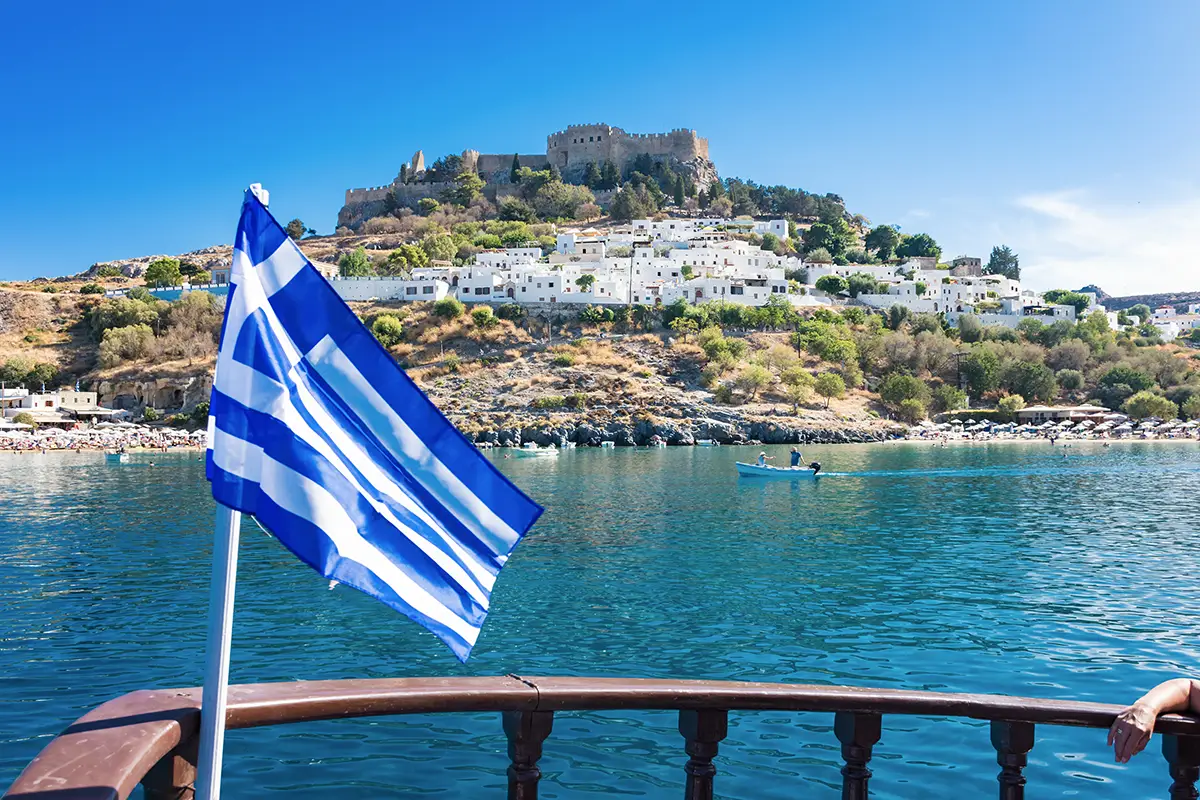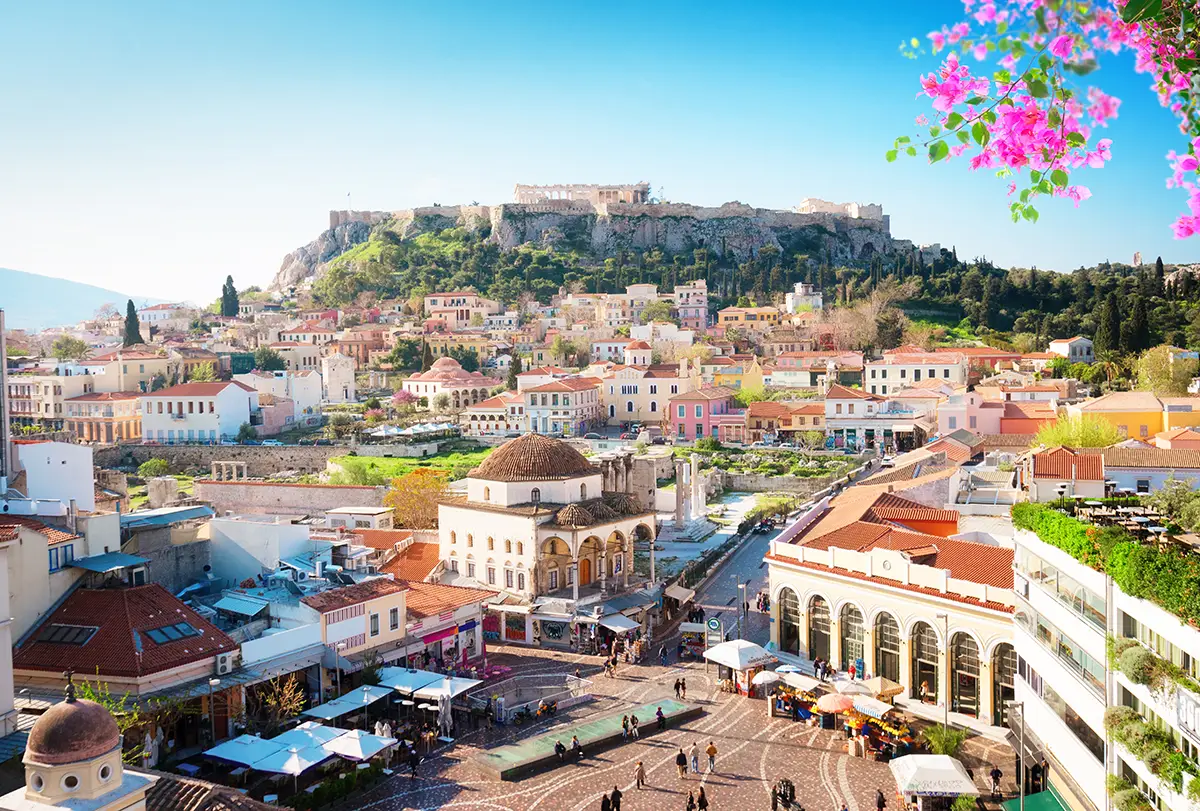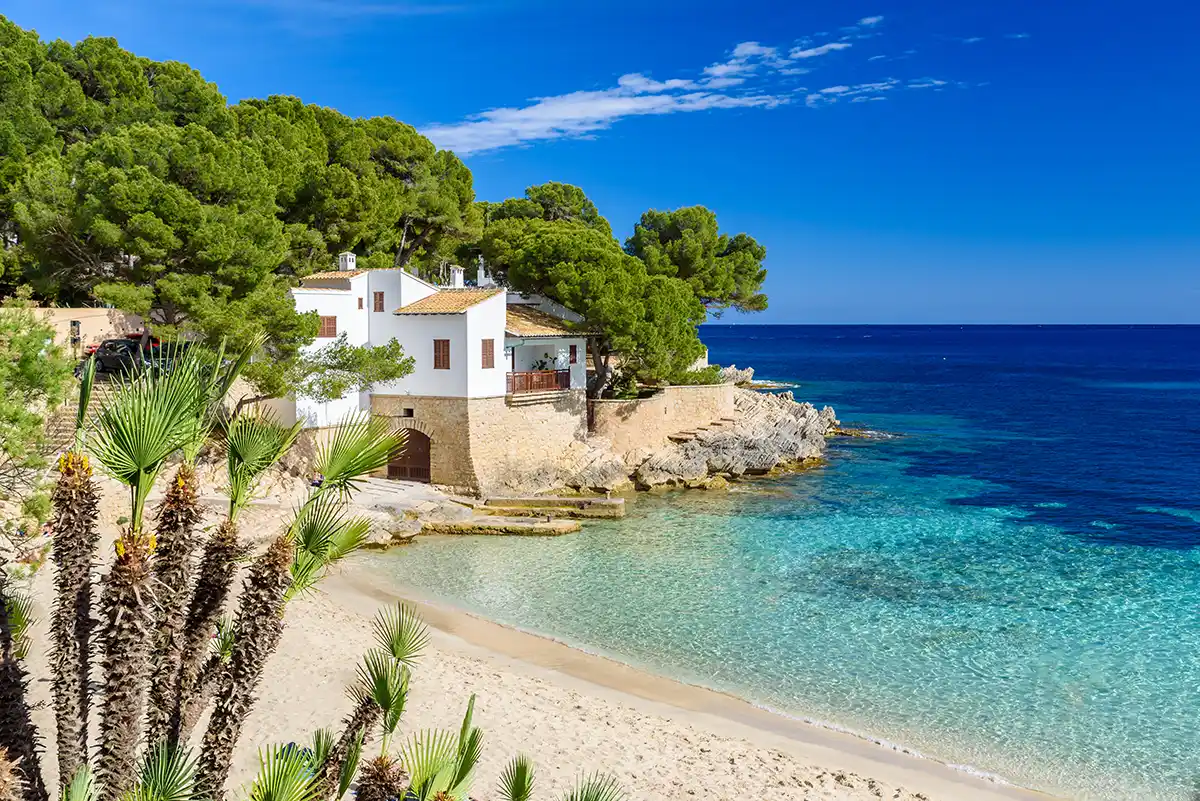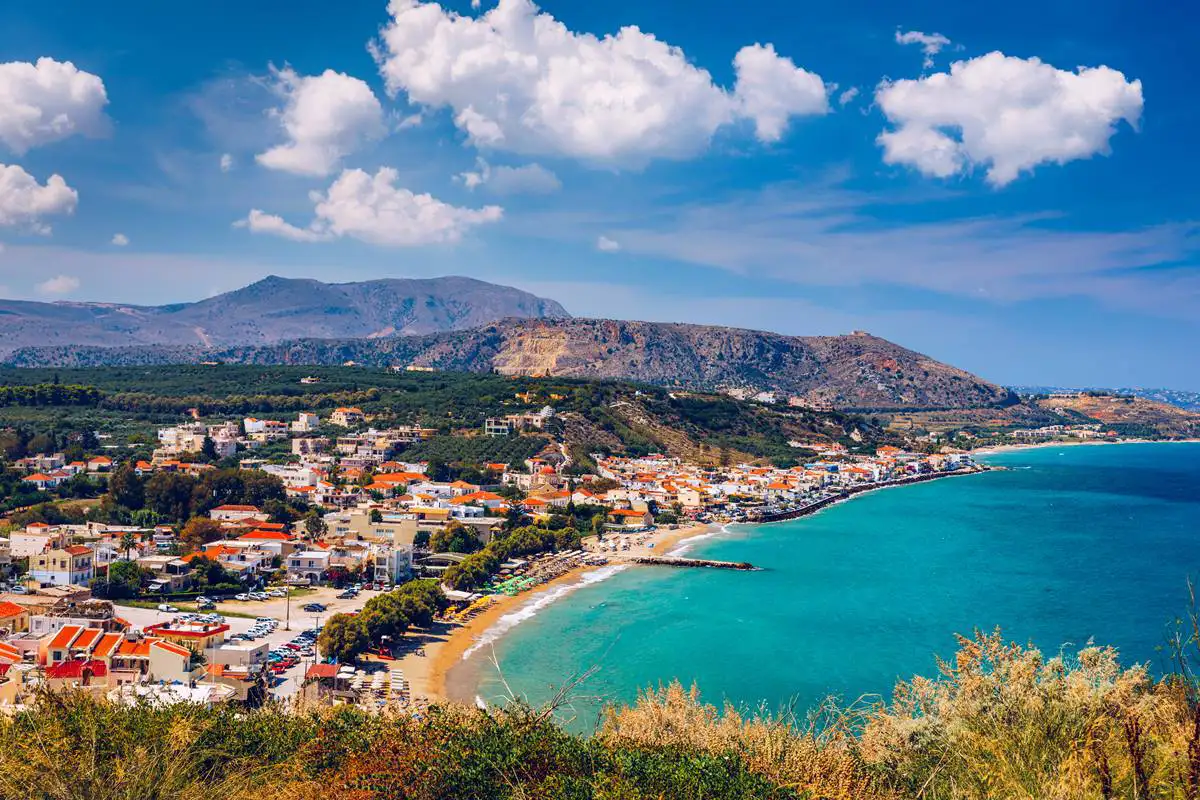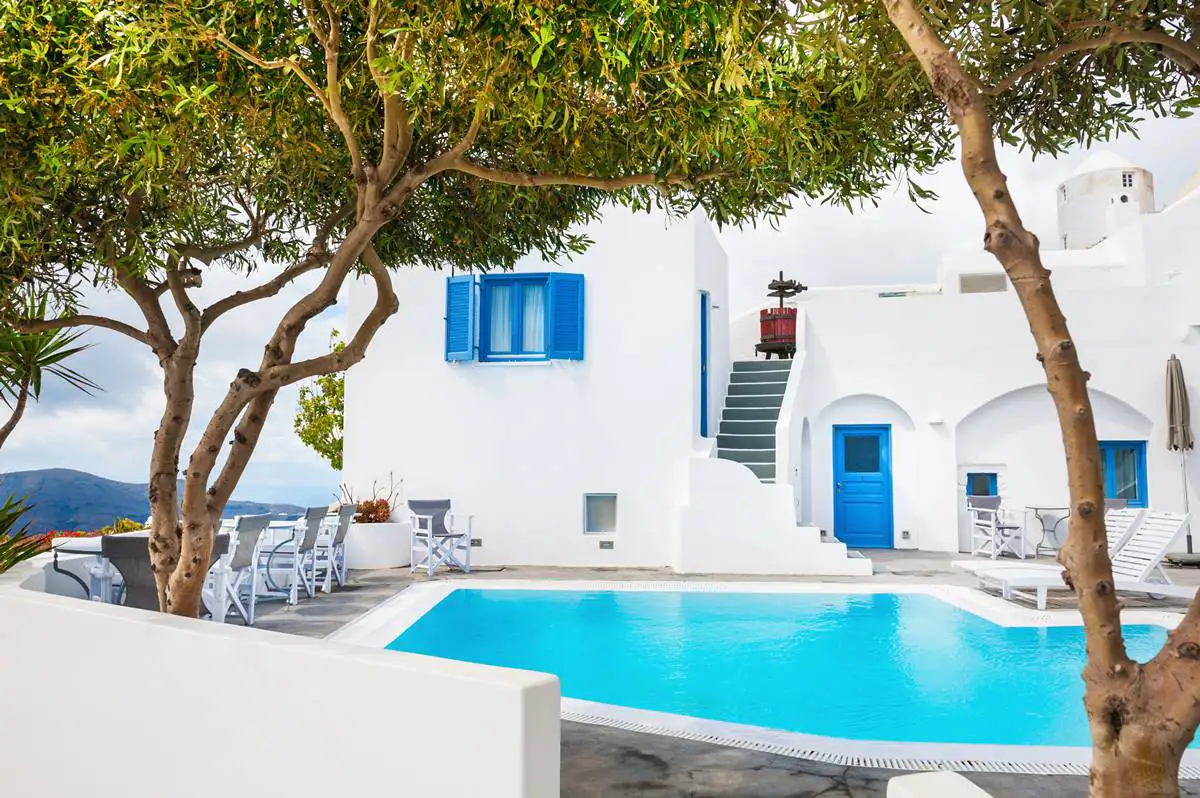


Greece is undoubtedly one of Europe’s finest holiday destinations, and with all that it has to offer, it’s easy to forget that it's also the birthplace of Western philosophy, democracy, and theatre.
This is a nation that shaped civilization, the historical heart of the classical world, and one of the birthplaces of modern culture.
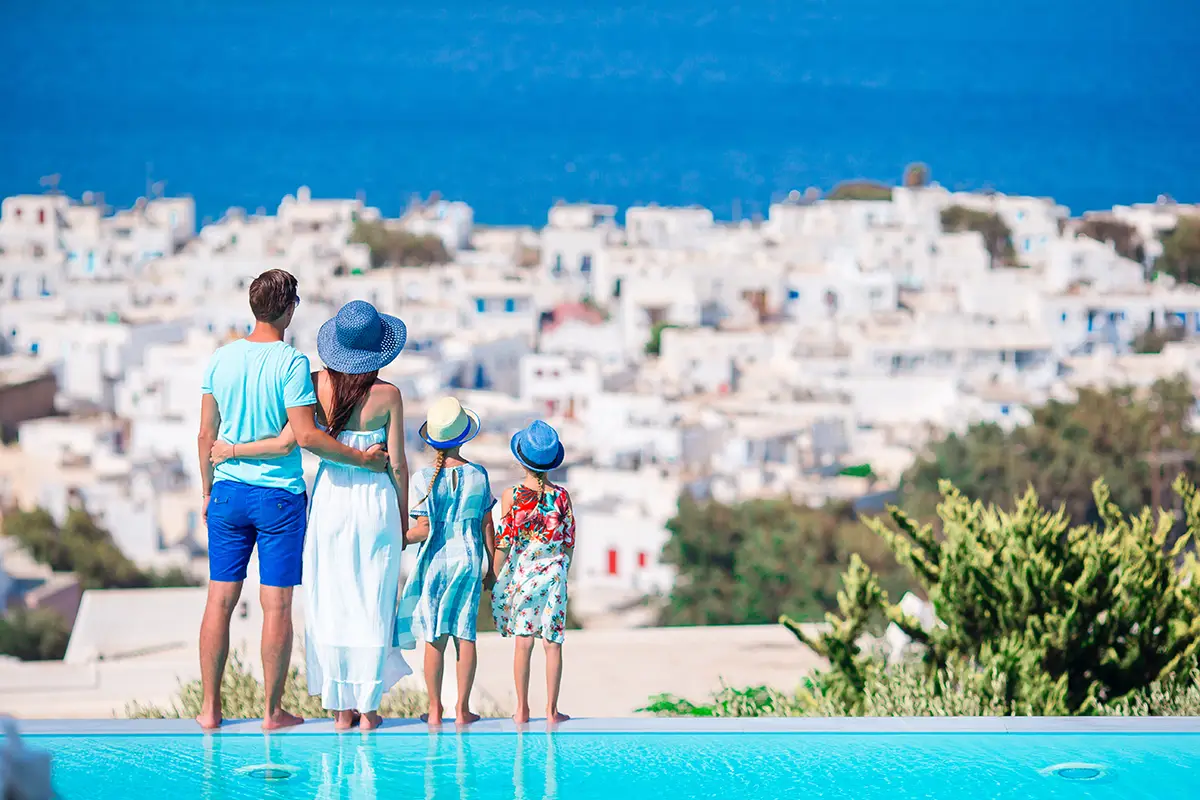
It offers a relaxed, healthy, and family-focused Mediterranean lifestyle while simultaneously providing a modern, high-standard European quality of life at costs significantly below the EU average.
Greek History: The Cradle of Civilization
Greece is not a young country. It is a nation whose identity has evolved continuously for over 3,000 years, blending ancient legacies of east and west into modern European stability.
From the foundational legacy of the ancient world through Greece's long journey to independence and the nation's trials and recovery in the 21st century, the nation's long history has informed every aspect of the character and culture of modern Greece.
Here's a primer to get you up to speed on the most important points in Greek history.
Ancient Foundations: The Birthplace of Western Civilization
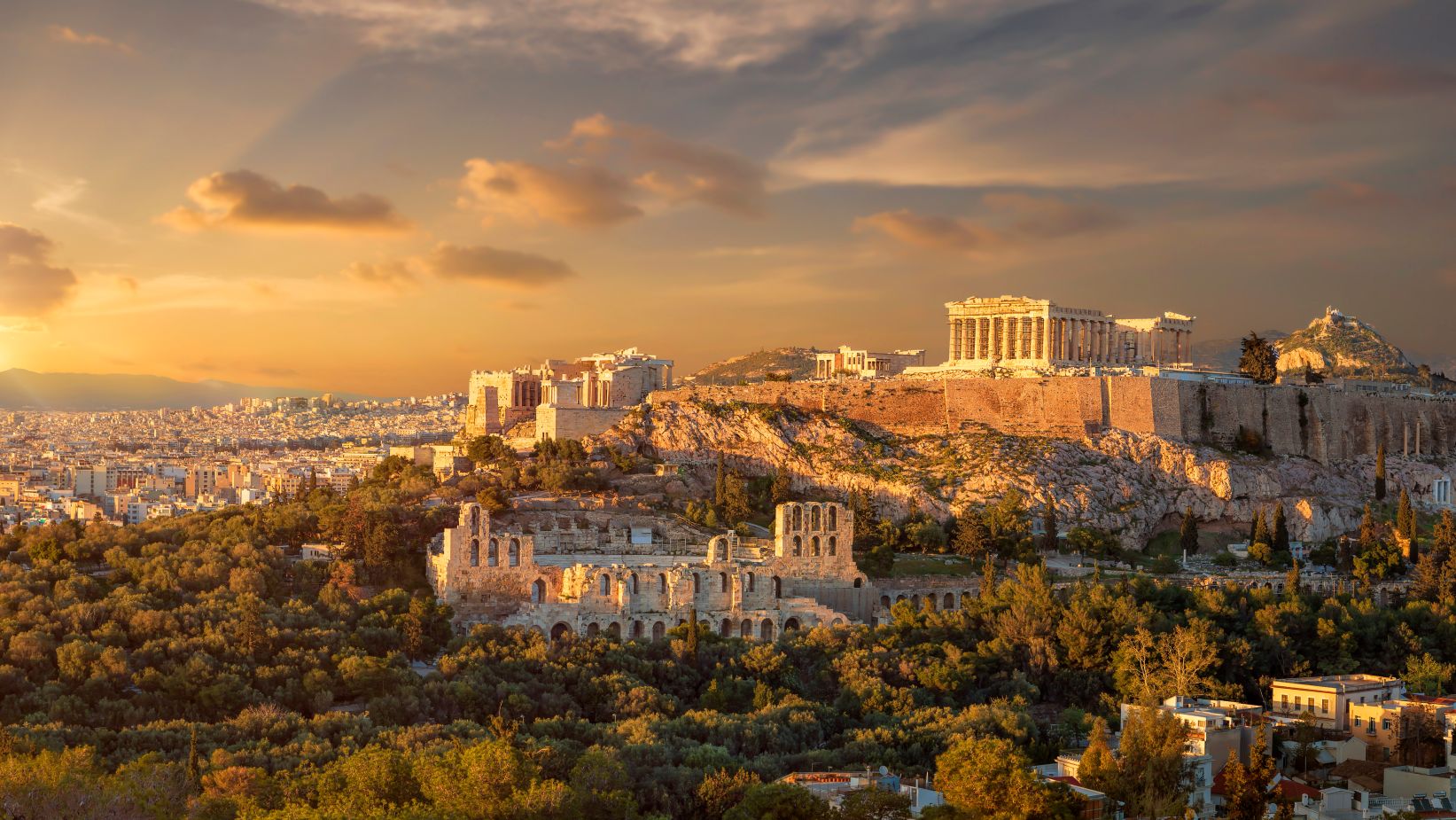
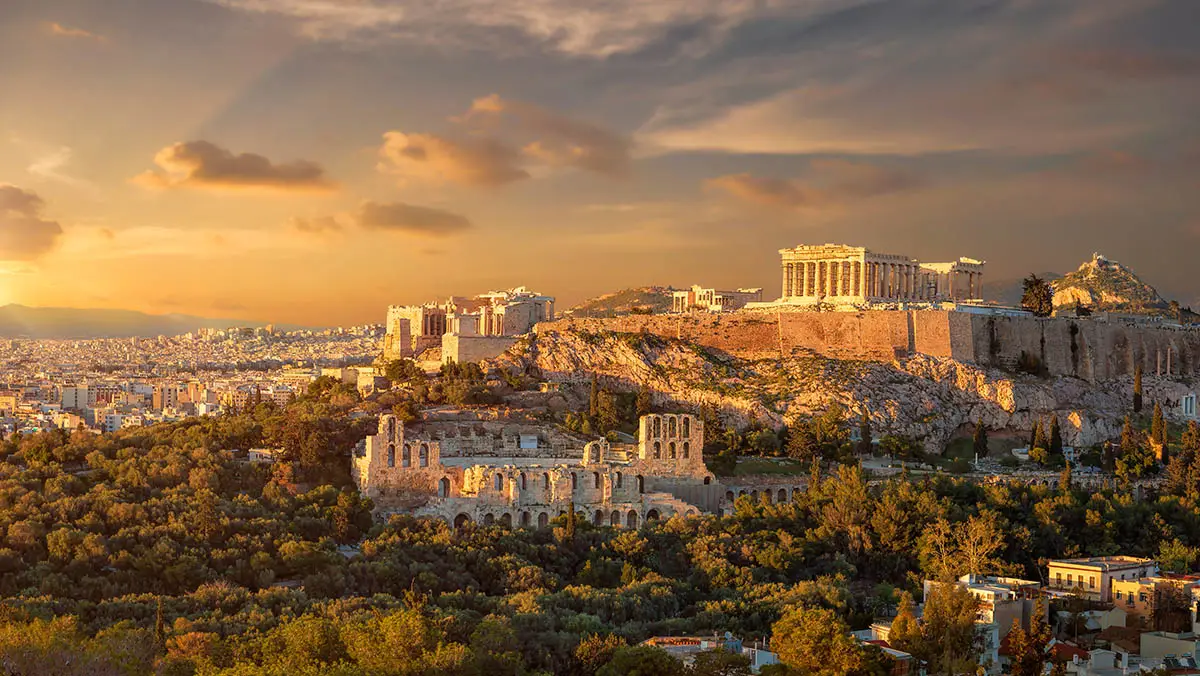
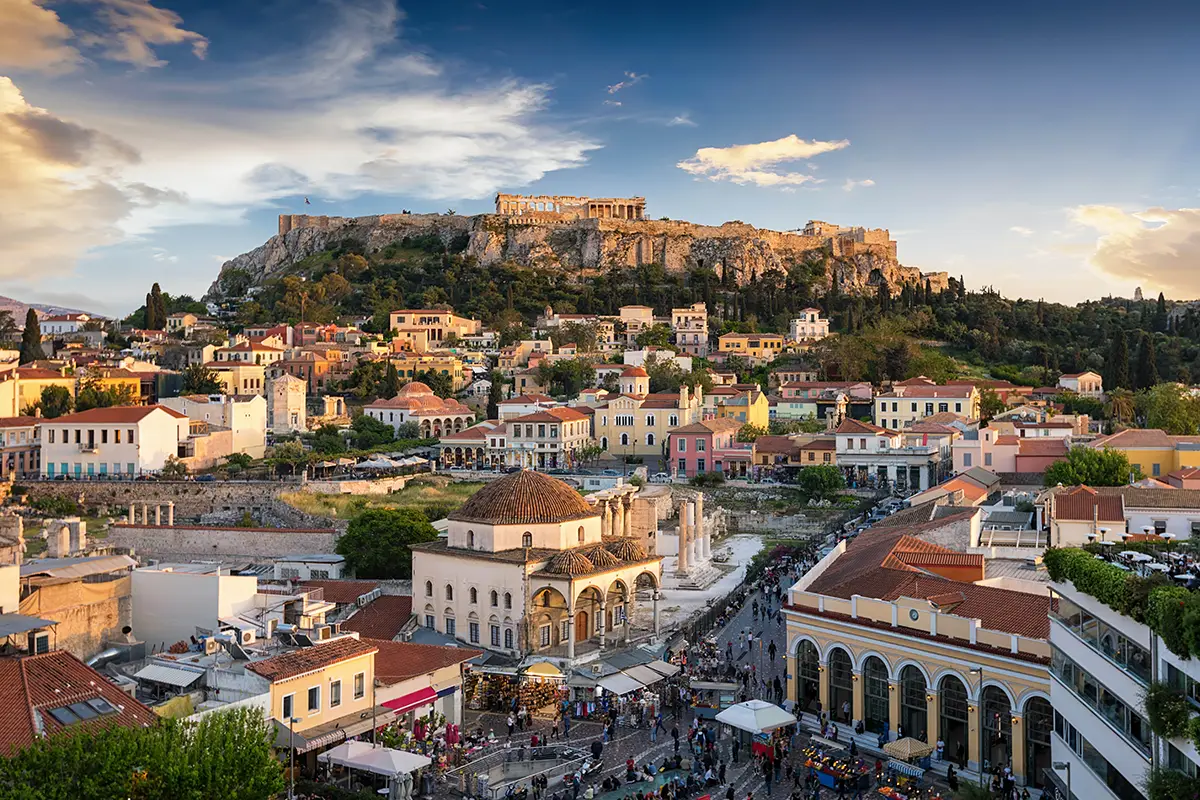
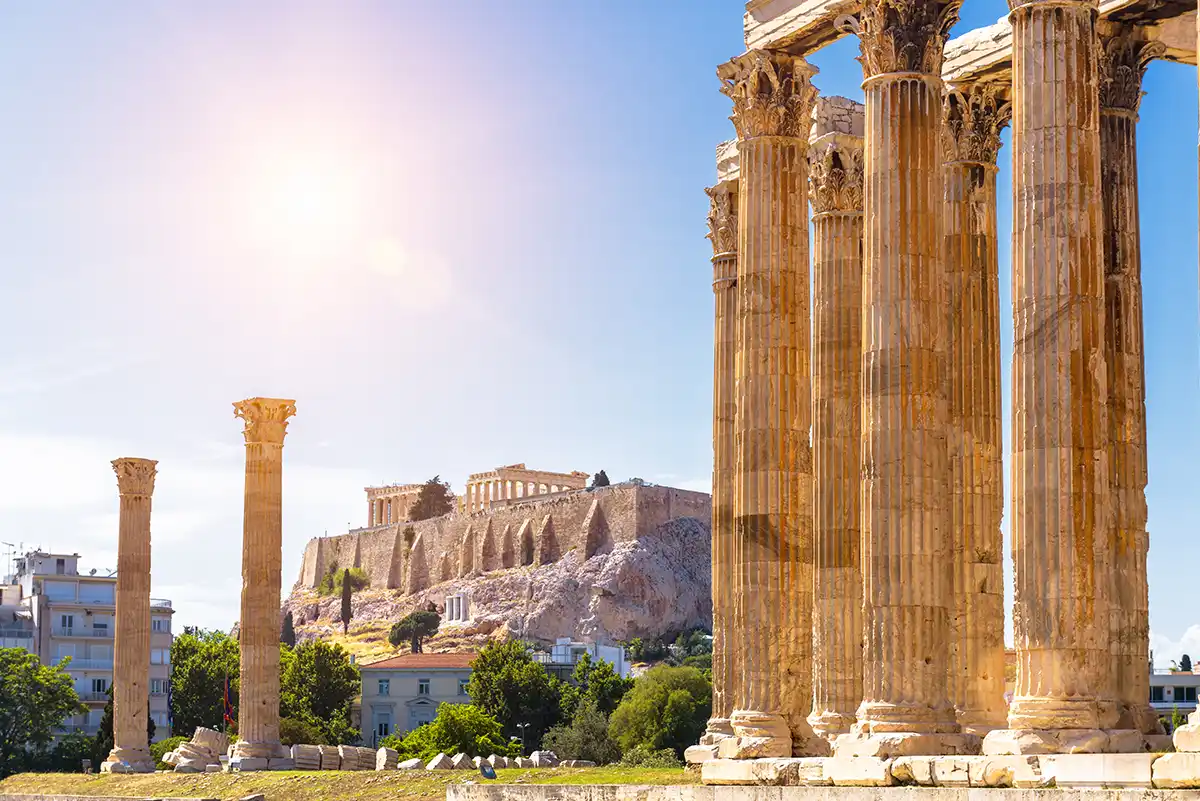
No overview of the history of Greek can begin anywhere other than in ancient Athens, the birthplace of democracy.
In the 5th century BCE, the city-state of Athens introduced the world’s first system of citizen-led governance.
The concept of democracy—rule by the people—became one of Greece’s most enduring exports, shaping political systems across Europe, the United States, and beyond, a legacy that reflects a deep-rooted tradition of civic structure and rule of law.
Early Greek thinkers like Socrates, Plato, and Aristotle laid the intellectual foundations of Western philosophy, science, and ethics.
Modern Europe’s educational and legal systems trace their lineage to these thinkers and their ideas. They cemented Greece’s place at the center of Western intellectual development.
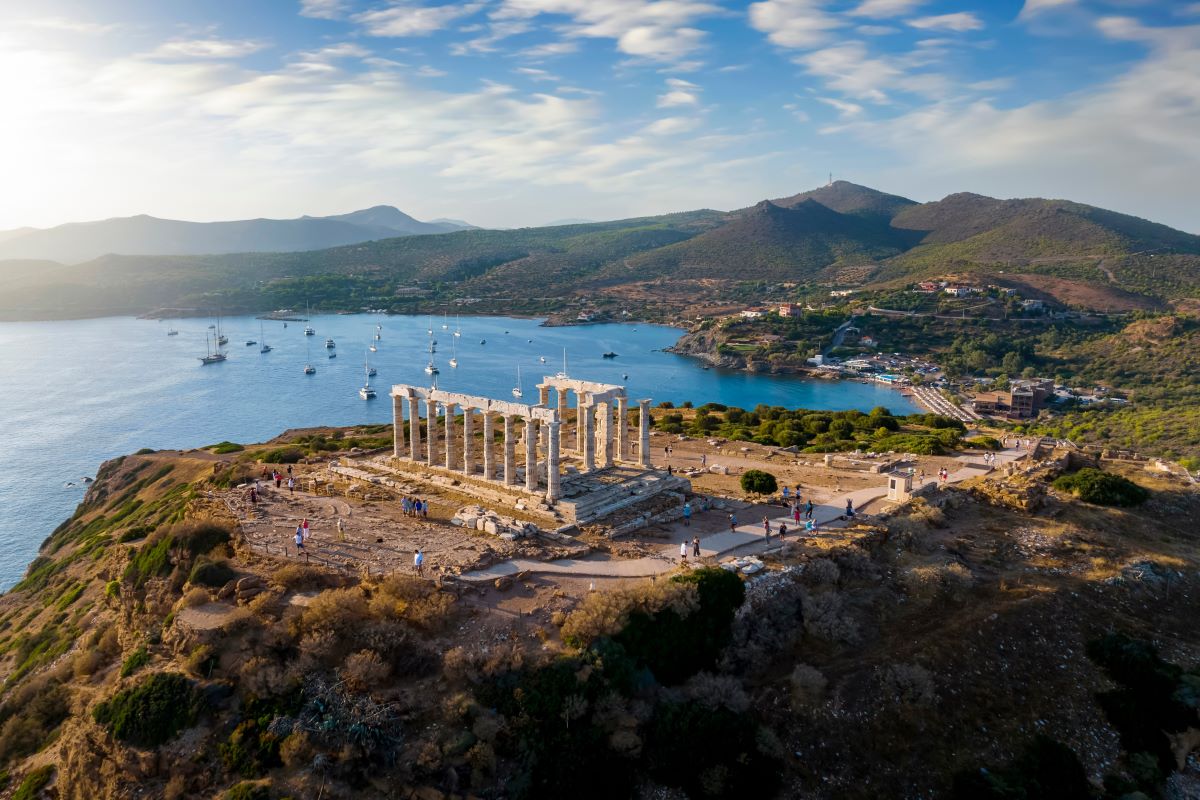
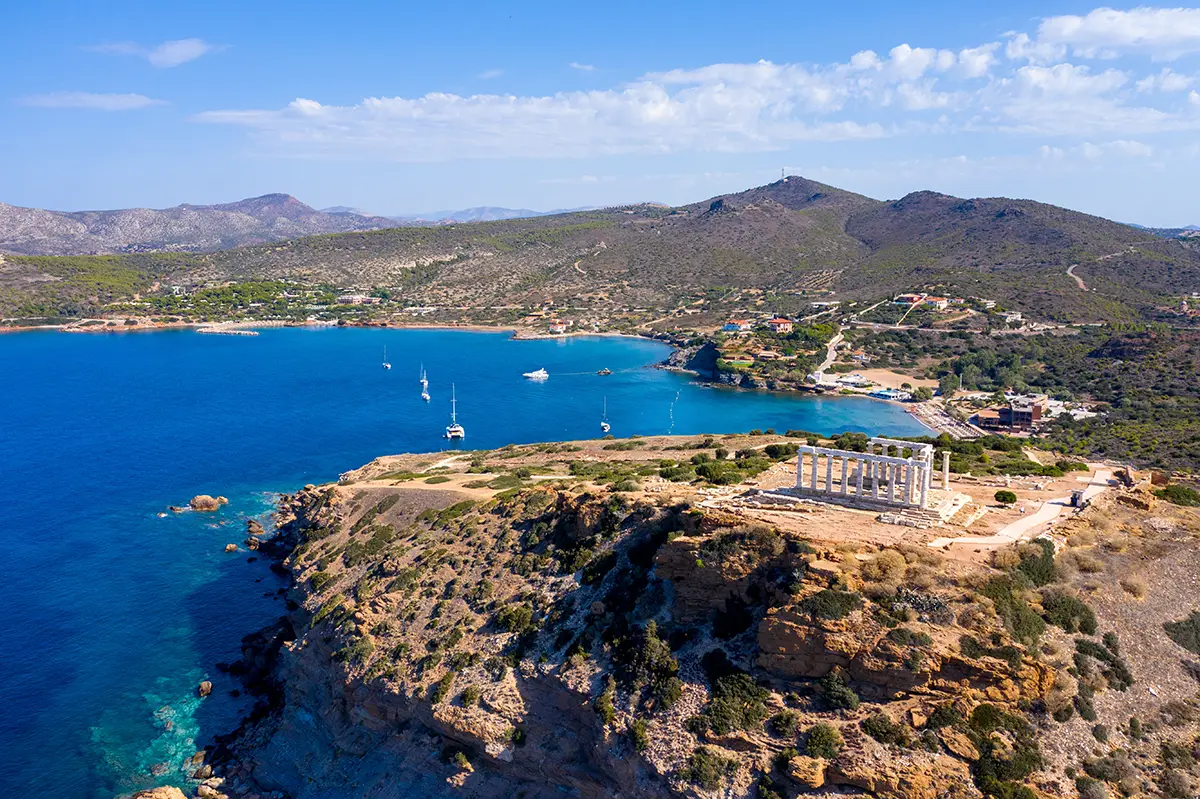
One of the aspects of the ancient Greek world most visible today, both in Greece and globally, is its architecture and design.
These days, classical Greek architecture’s influence can be seen everywhere from London to Washington D.C.
The ancient Greek world had a strong tradition of storytelling, song, and performance which laid the foundations for modern Western theatre and literature.
The Olympic Games, first held in Olympia in the Peloponnese in 776 BCE, established a sporting tradition of competition at the highest level that continues to this day.
Byzantine & Orthodox Heritage: Spiritual and Cultural Continuity
Following the classical era, Greece became the heart of the Byzantine Empire, a thousand-year civilization that bridged the age of antiquity and the beginning of the modern era, preserving classical knowledge while shaping Orthodox Christianity.
The Greek Orthodox Church flourished and took on its position of national significance during the Byzantine period, remaining central to Greek national identity to this day.
Its lasting significance can be seen in the monastic communities of Meteora and Mount Athos.
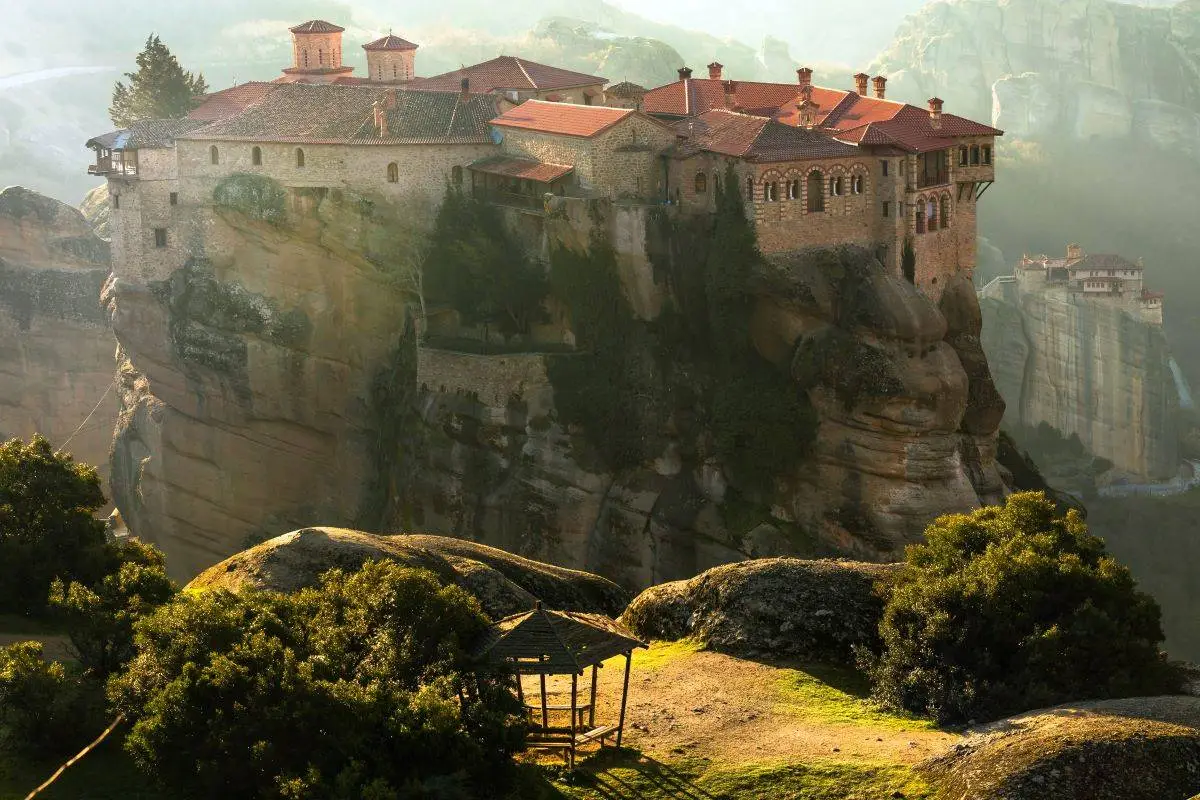
Dramatically perched hundreds of meters in the air atop towering rock formations, the Orthodox monasteries of Meteora symbolize endurance and faith, while Mount Athos, consisting of twenty monasteries on a peninsula near Thessaloniki, operates as a self-governing community separate from the Greek state.
From Ottoman Rule to Modern Nationhood
After the Byzantine Empire fell, Greece spent nearly 400 years under Ottoman rule.
Eventually, a political movement calling for a separate Greek state emerged, and the Greek War of Independence (1821–1830) marked the rebirth of the modern Greek state.
The struggle became a defining chapter and iconic example in Europe’s 19th-century nationalist movements.
The 20th century brought challenges to the new Greek state, including war with Turkey, German occupation during WW2, a brutal civil war, and a military coup and dictatorship that lasted until 1974.
But from the 1970s, Greece underwent a period of rapid development and social change that turned it into a modern nation.
Today, Greece is a complex and culturally rich nation influenced by its long and storied history.
A Story of Resilience
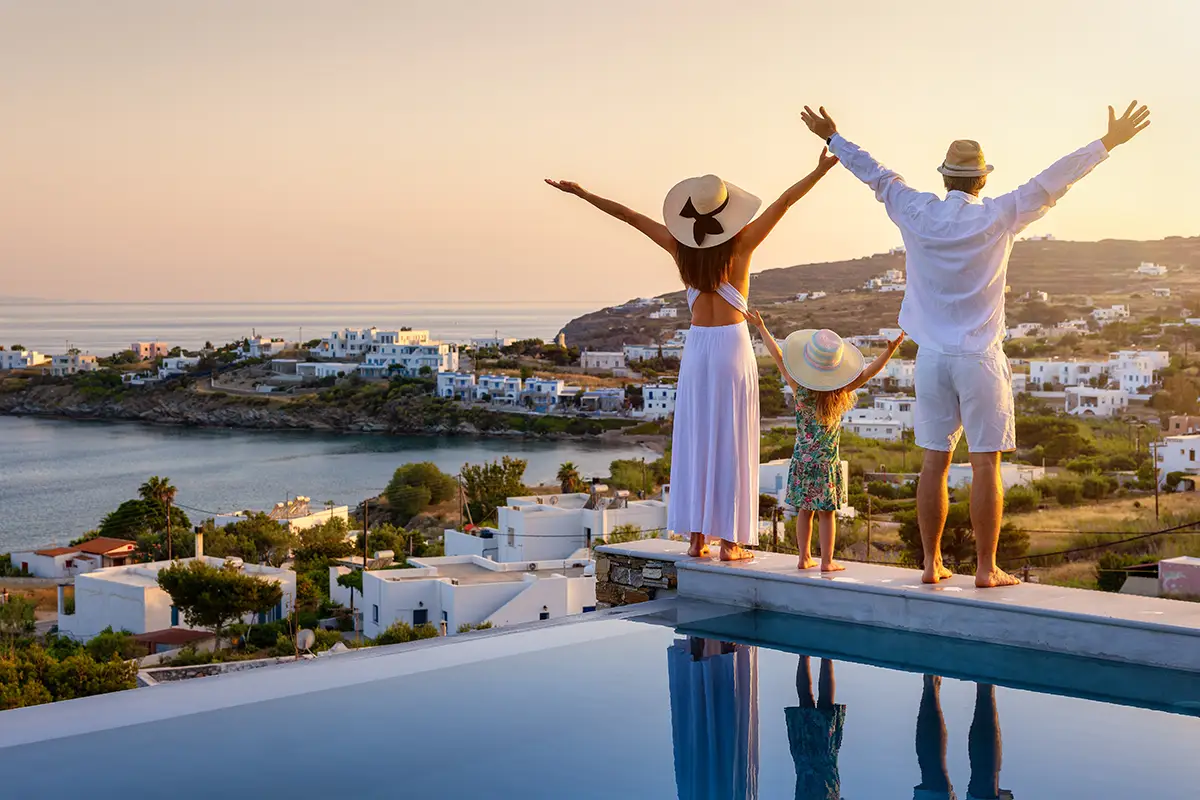
Modern Greece is known for its Mediterranean lifestyle prioritizing slow, relaxed living and time spent with family.
But it is also stable parliamentary republic and a full member of the European Union and the Eurozone with a booming economy, ranked 6th in the world in 2025 by the Economist.
Greece’s economic challenges and recovery following the Great Recession further reinforce its culture of resilience.
Rather than weakening the country, the reform and restructuring that followed this period have modernized sectors such as real estate, infrastructure, and digital services and pushed Greece to the forefront of European economic development.
A Culture of Living Well
Beyond its history, Greece offers something more immediate: a culture intentionally designed around living well.
The Greek Concept of Time
At the heart of daily life is the Greek idea of “siga sigaâ€, which means “slowly, slowly.â€
This useful phrase is applied in any situation where someone needs a little encouragement to stop hurrying around and take it a little easier but it can also be taken as a mantra for the Greek way of life, which is relaxed and entirely unhurried.
Life is in Greece is measured less by urgency and more by presence.
- Conversations are unhurried;
- Meals are social rituals, not transactions;
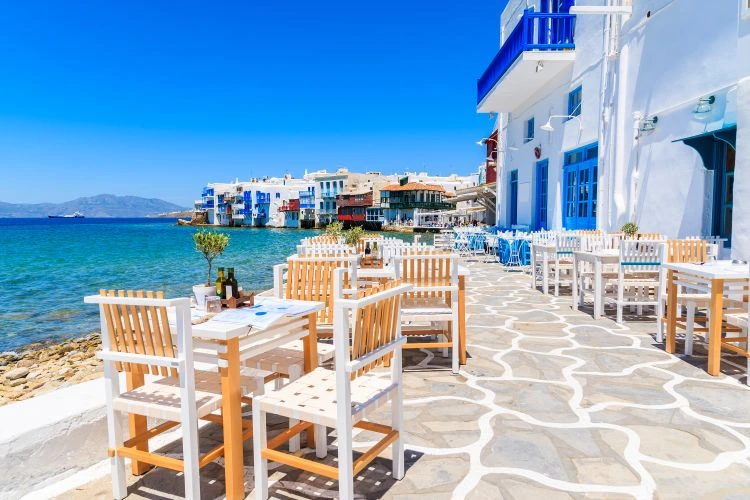
- Daily life unfolds outdoors, in cafés, squares, and along the sea.
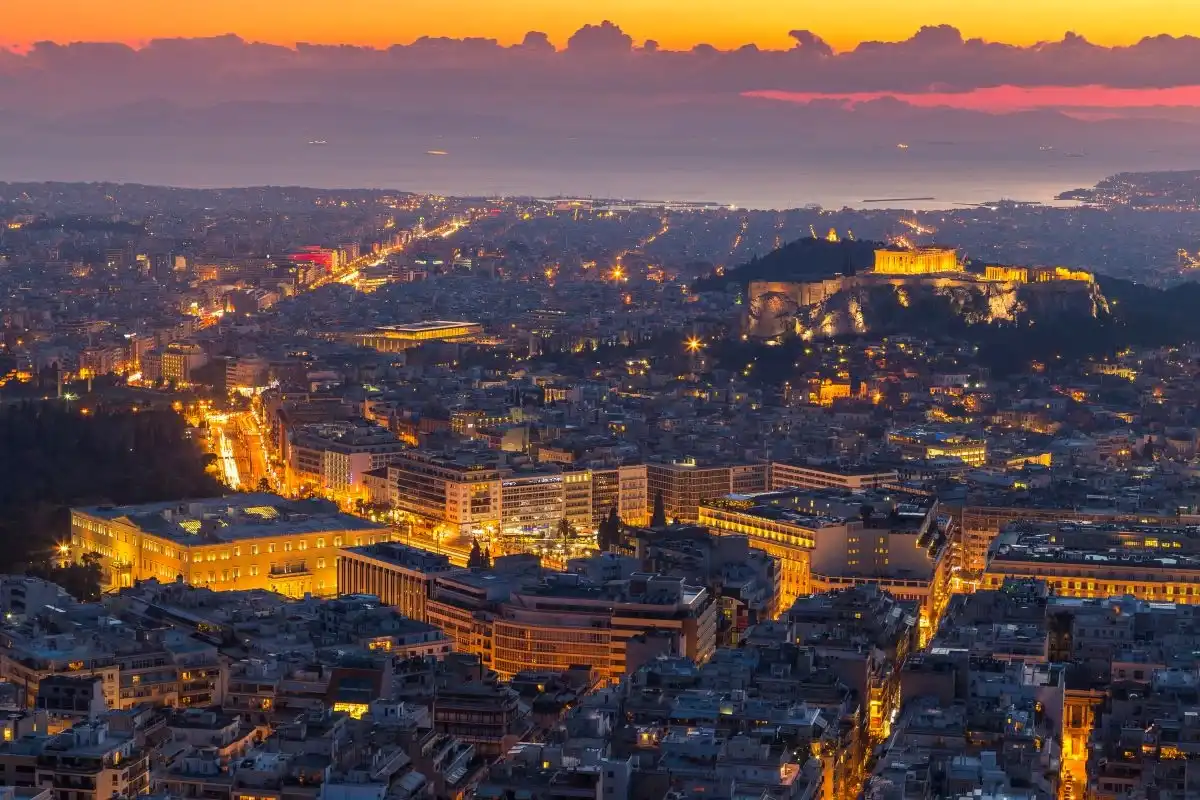
Even in major urban centers like Athens, this relaxed rhythm is an everyday fact of life.
Food as Identity
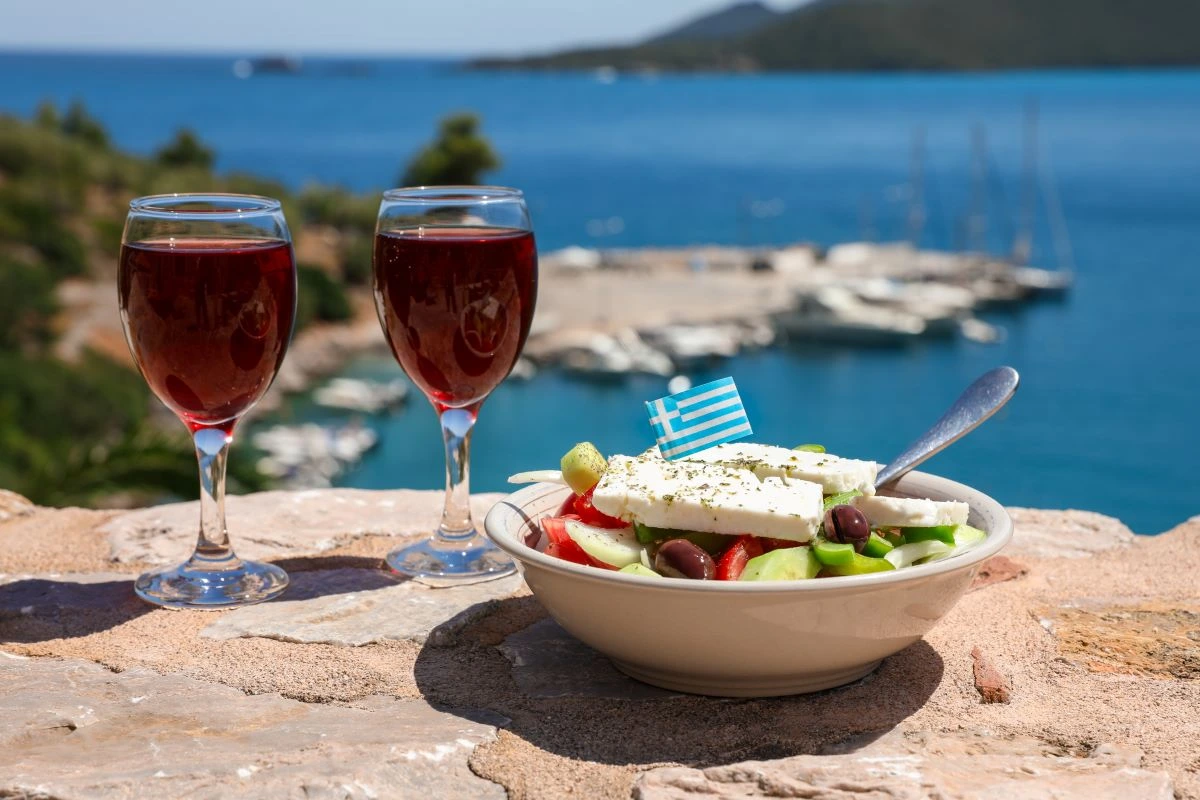
The Mediterranean diet is not a trend in Greece: it is tradition.
- Olive oil, fresh vegetables, seafood, grains, and local wine are indispensable staples that form the backbone of Greek cuisine;
- Cooking is focused around seasonal ingredients and simple preparation, with many dishes boasting a history that dates back for millennia;
- Meals are shared with family and friends and are usually slow and unhurried.
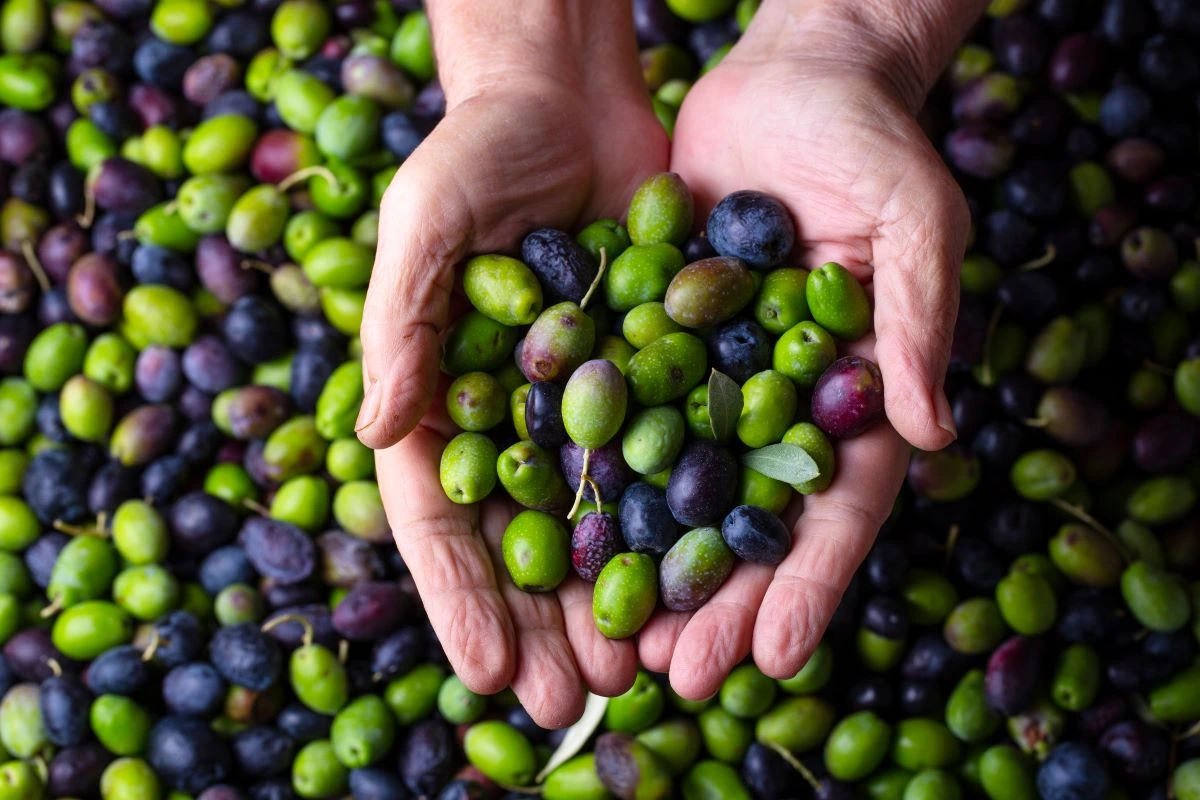
Consistently associated with longevity and cardiovascular health, this way of eating supports sustainable wellbeing.
But Greek food is not only healthy: it is also delicious, consistently ranked among the world’s top three cuisines by TasteAtlas.
In Greece, tavernas—small bar-restaurants—serve as informal community hubs where business, friendship, and family life naturally intersect.
Family & Social Fabric
Greek society remains deeply relational and family-oriented.
- Multigenerational bonds are strong, with different generations of a family often living in the same town or neighbourhood, if not the same house;
- Neighborhood life is familiar and friendly, with a strong sense of community and engagement;
- This helps to create a sense of safety that is real and pervasive
This social cohesion offers a feeling of stability and comfort that is increasingly rare in the world, something especially important for those with families.
Music
Greece's musical traditions reflect its long history and influences from both west and east.
In ancient Greece, music was an inseparable part of theatre, while some of the oldest musical instruments have been found in archaeological sites in Greece.
Ancient Greece also produced the first musical modes, which would provide a defining basis for Western classical music.
During the Byzantine and Ottoman eras, influences from Asia and the Middle East entered Greek music, including through instruments like the oud and the bouzouki which provide the characteristic sounds of Greek music to this day.
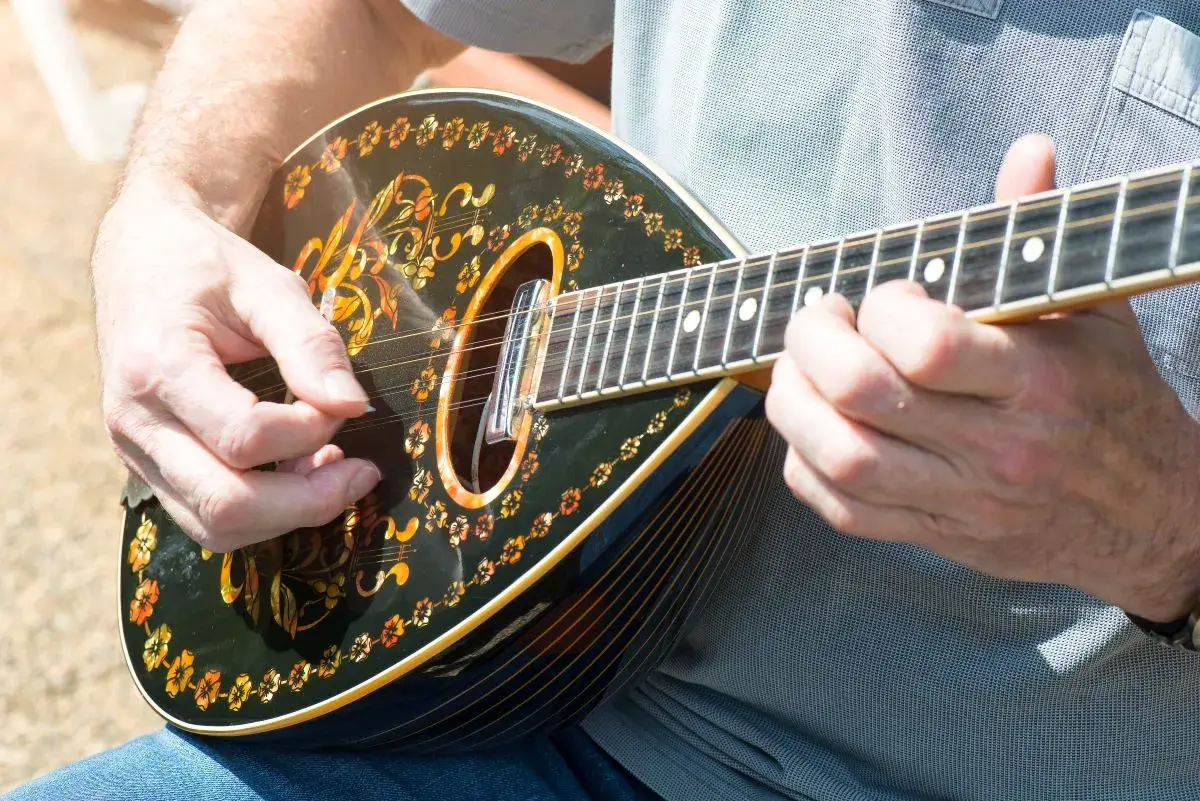
After independence, Greek national identity was promoted and traditional folk music became more widely known.
During Greece's turbulent 20th century, a particular kind of folk music called rebetiko emerged that was associated with the Greeks who had been forced to leave Turkey.
This style became very popular and was combined with Western rock and pop music in the 1960s during a rebetiko revival.
Traditions
Reflecting the importance of Greece's Orthodox faith, Easter and Carnival are two of the biggest celebrations of the year in Greece.
Easter celebrations start a full seven weeks before Easter Sunday, when visitors can expect parades, fireworks, church services, and very large meals.
Carnival is split into three themed weeks: a preannouncement week, a meat week, and a cheese week. Expect large outdoor festivities and feasting, with a lot of consumption of meat and cheese on their respective weeks.
Patras Carnival is the biggest in Greece and one of the biggest in the world. Other major Carnival events can be seen in Athens and Xanthi.
Many Greek people are named after saints, and as such, an important tradition in Greece is the celebration of your saint's day, known as your name day.
This is celebrated like a birthday and in fact is even more important in Greece than birthdays.
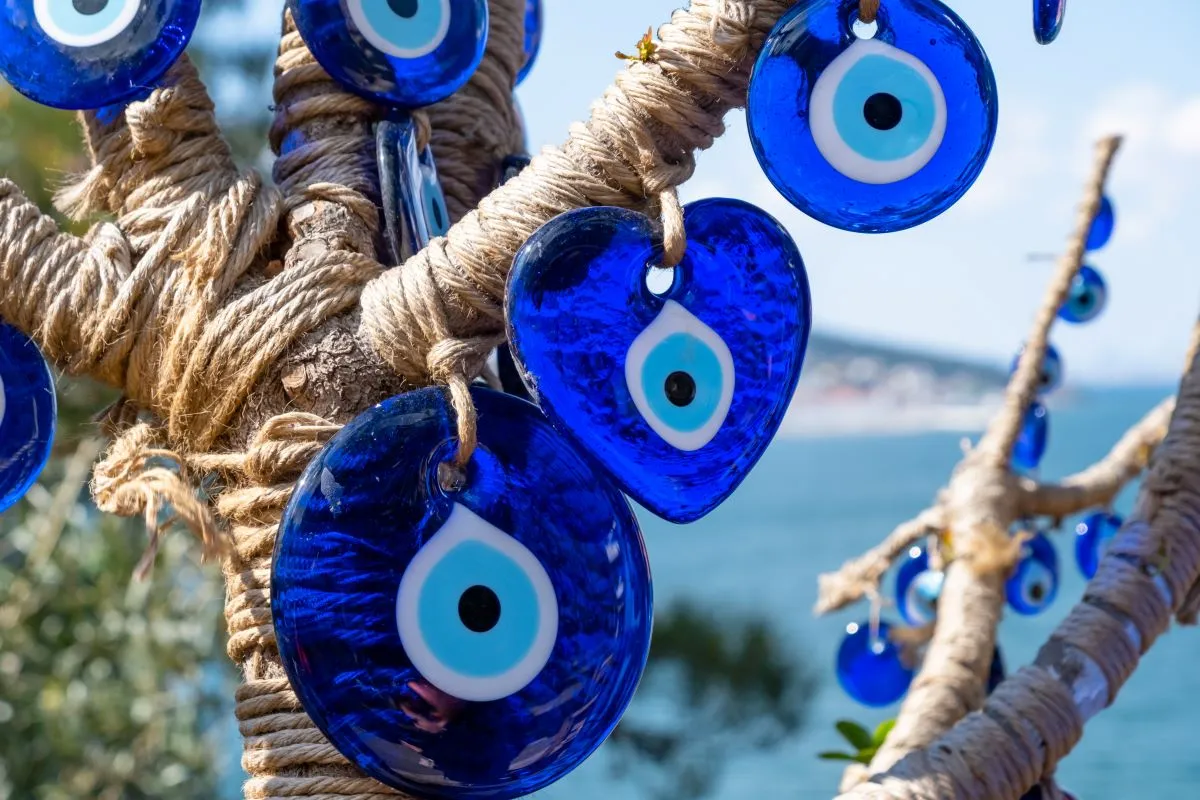
In more rural areas of Greece, you will still find many people with superstitions about the evil eye.
This is believed to be a form of curse that comes from jealousy or envy and brings bad luck.
It is warded off with blue and white glass eye charms, as with the colour blue is generally believed to keep bad luck away.
Language
The Greek language is one of the oldest and most historically important in the world.
The Greek alphabet developed from the first ever alphabet, which was used to write the Phoenecian language, and went on to form the basis for the Latin and Cyrillic alphabets used around the world today.
The word 'alphabet' actually derives from the first two letters in the Greek alphabet: alpha and beta.
The Greek language also had a significant influence on the development of literature and religion, being the original language of works like the Odyssey and the New Testament.
However, despite its significance, the Greek language has less reach today. It is only spoken as an official language in Greece and Cyprus, and due to the fact that it uses a unique script, is particularly difficult for non-Greek speakers to learn.
More than half of all Greeks speak English, and the country is ranked 20th in the world on the EF English Proficiency Index.
Greece's Geography: Extraordinary Diversity
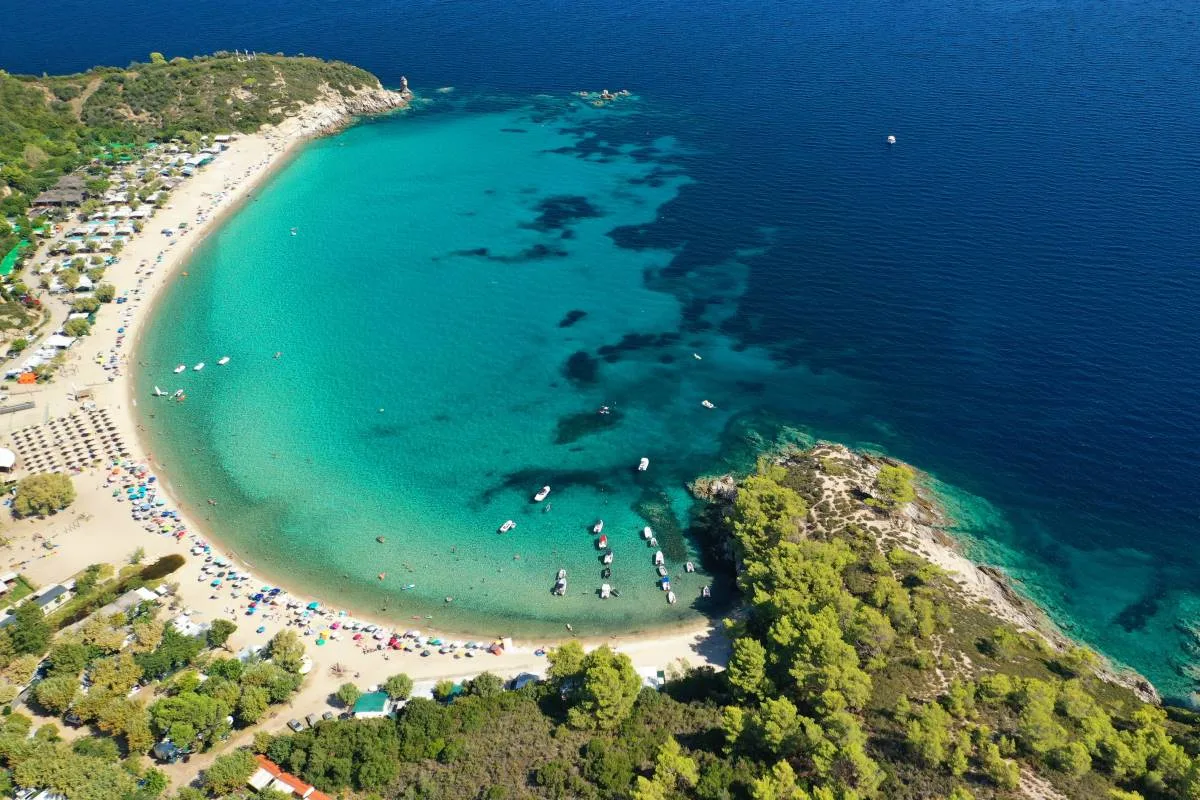
Few European countries offer such geographic range within such close reach. Dramatically different lifestyles exist in each region of Greece, often within a few hours’ drive.
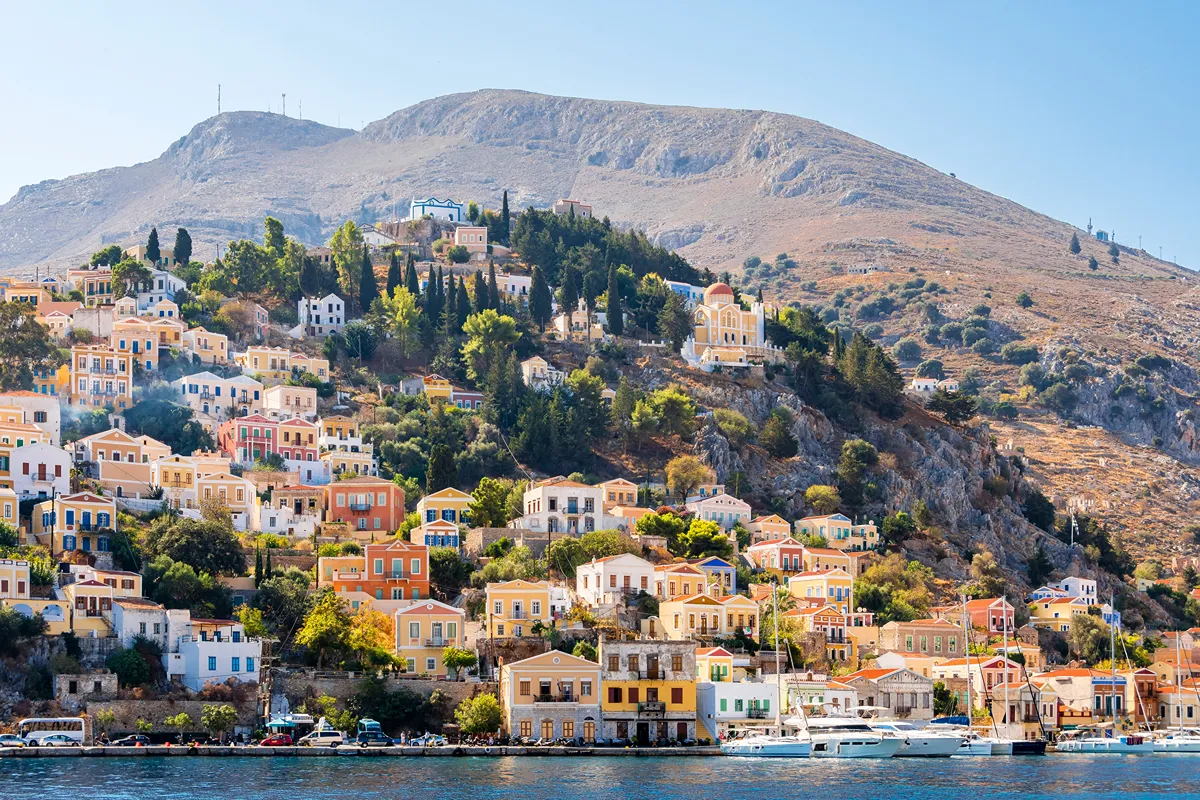
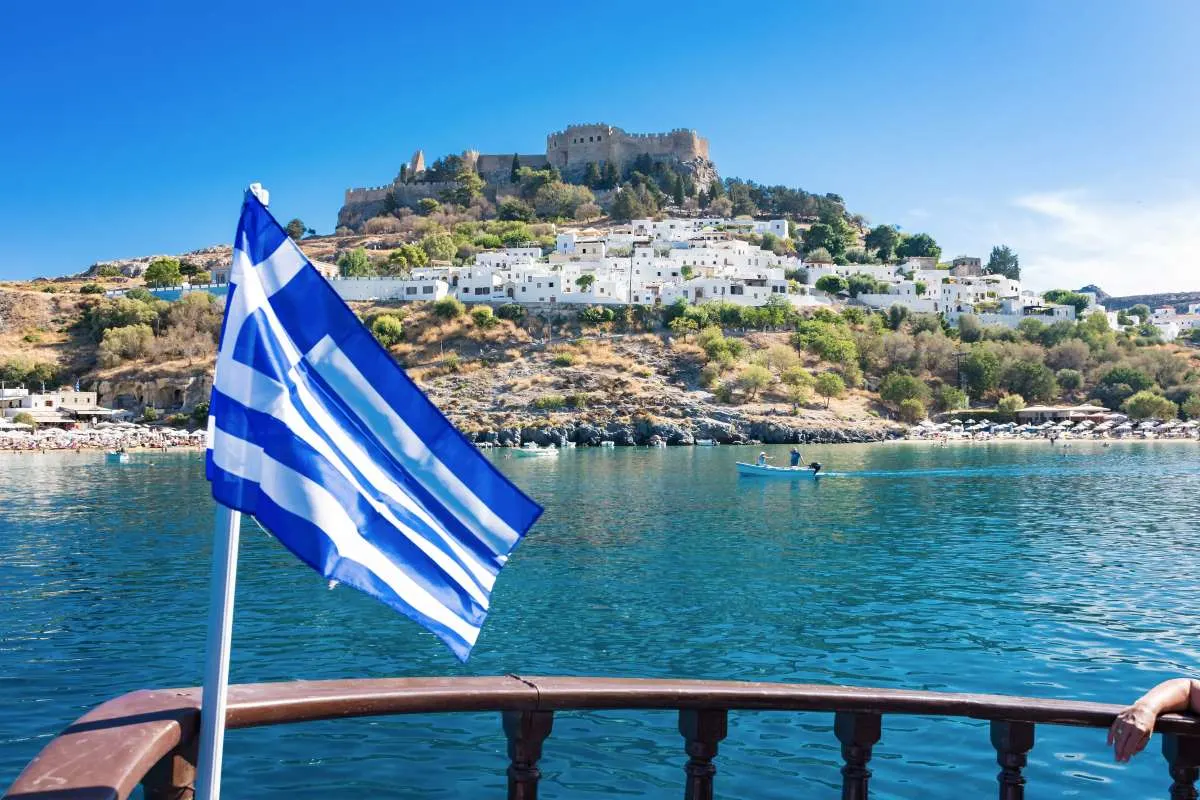
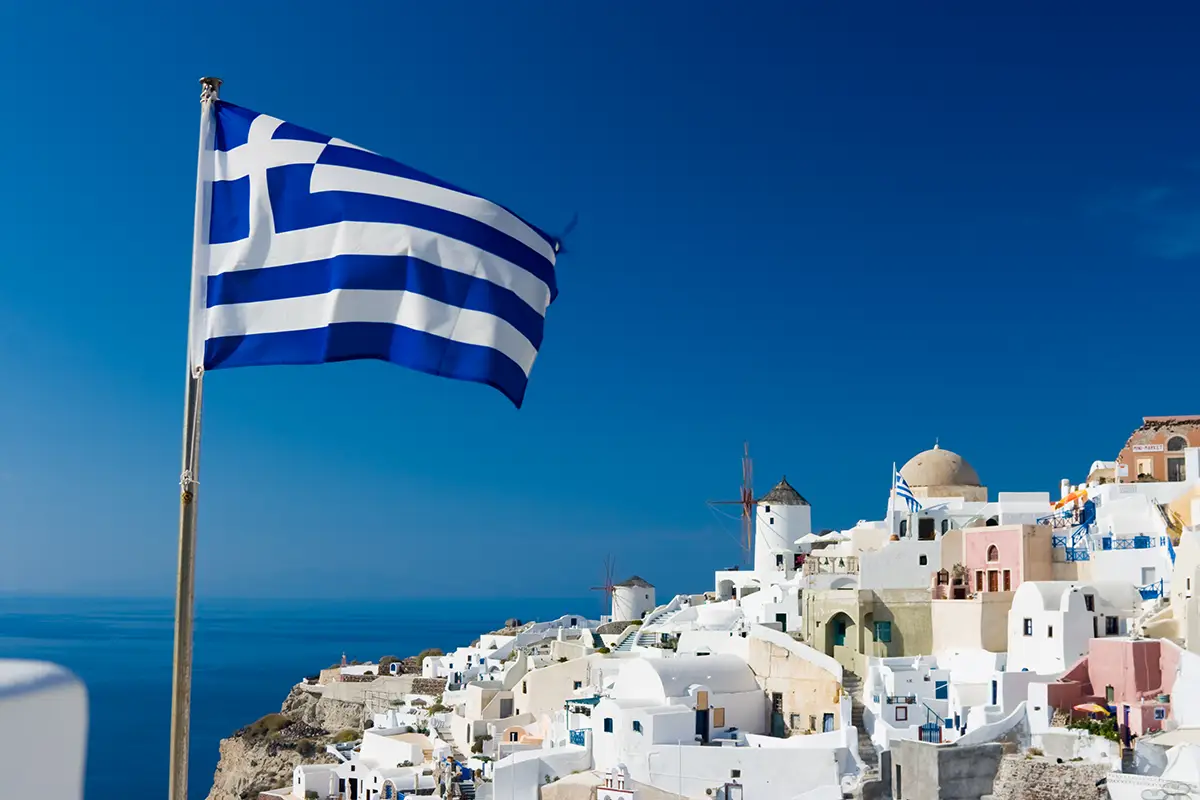
The Greek Islands
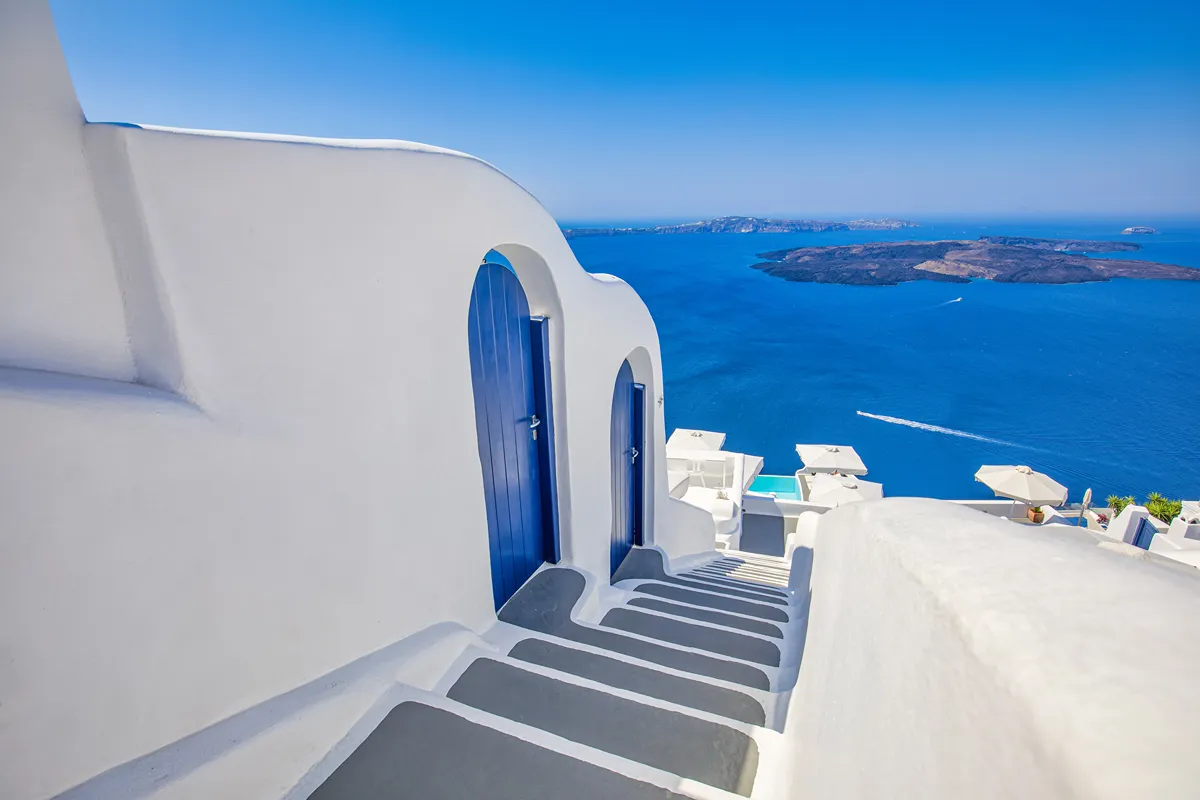
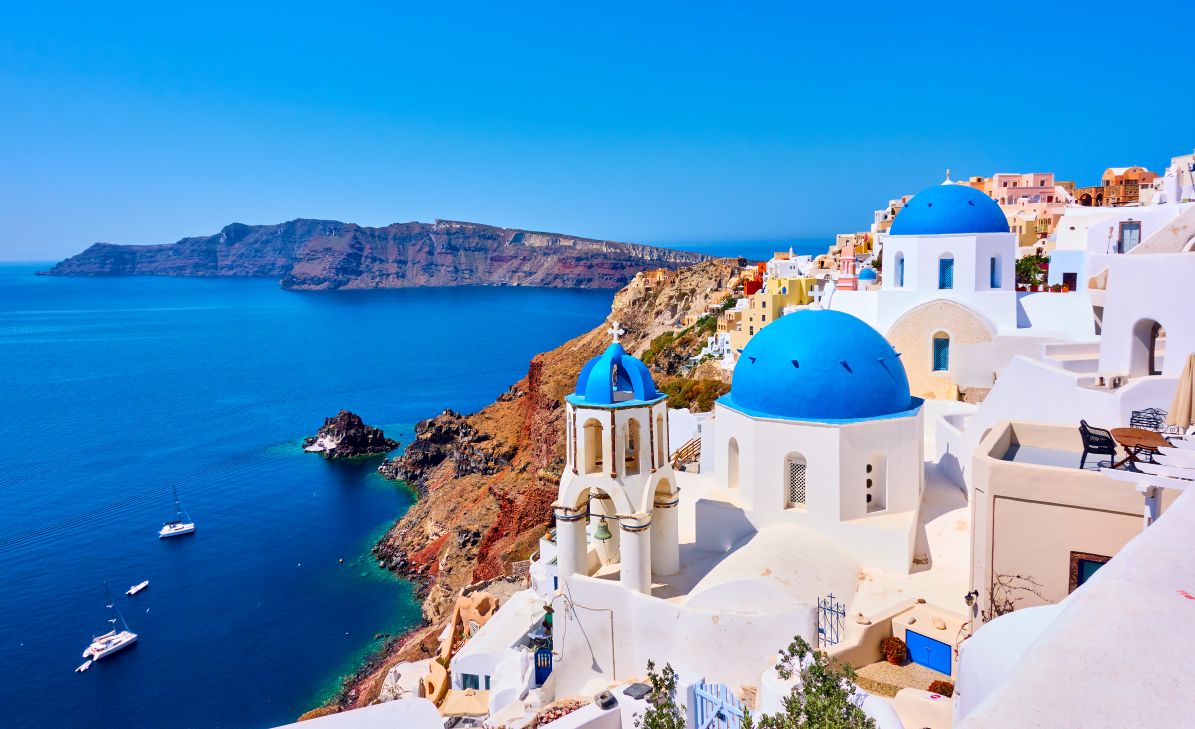
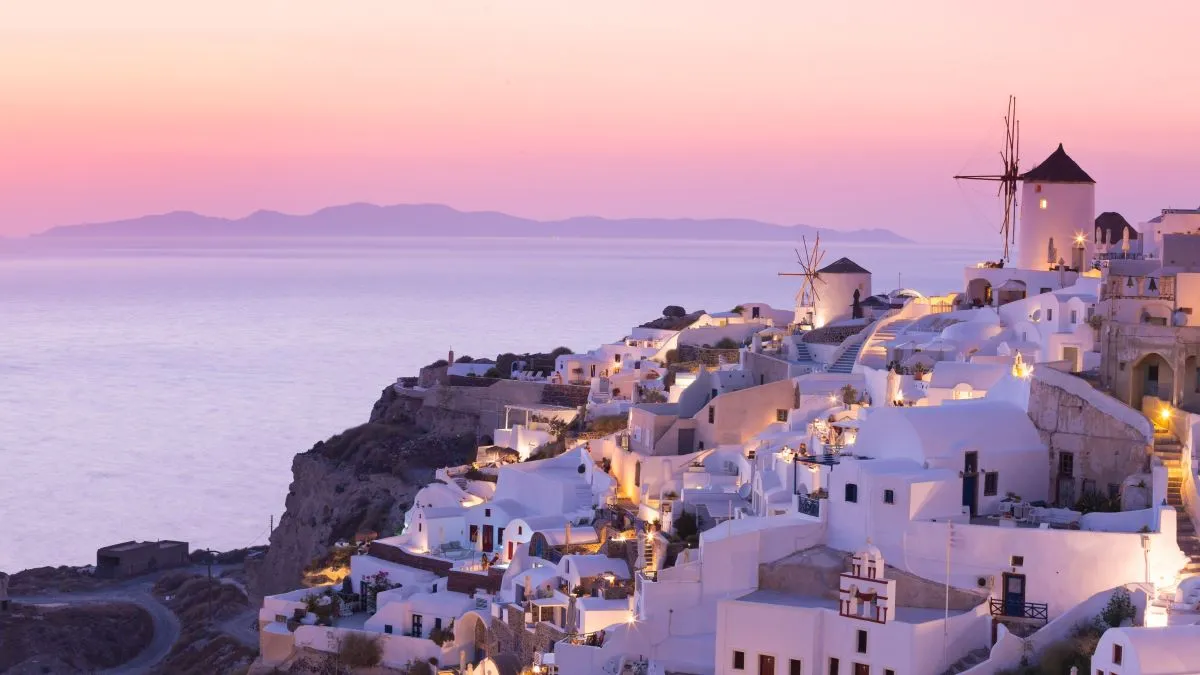
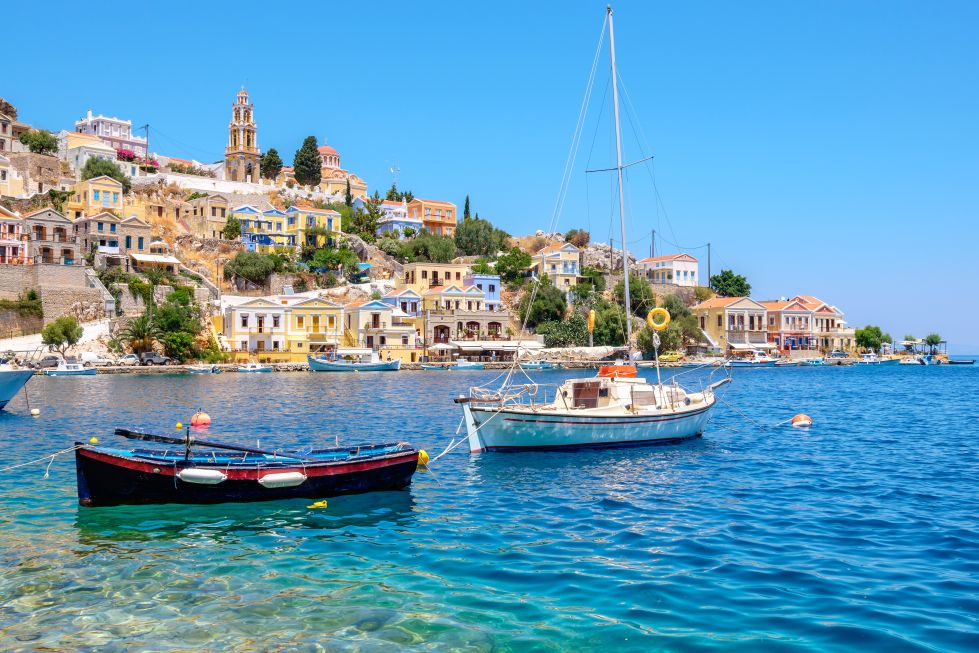
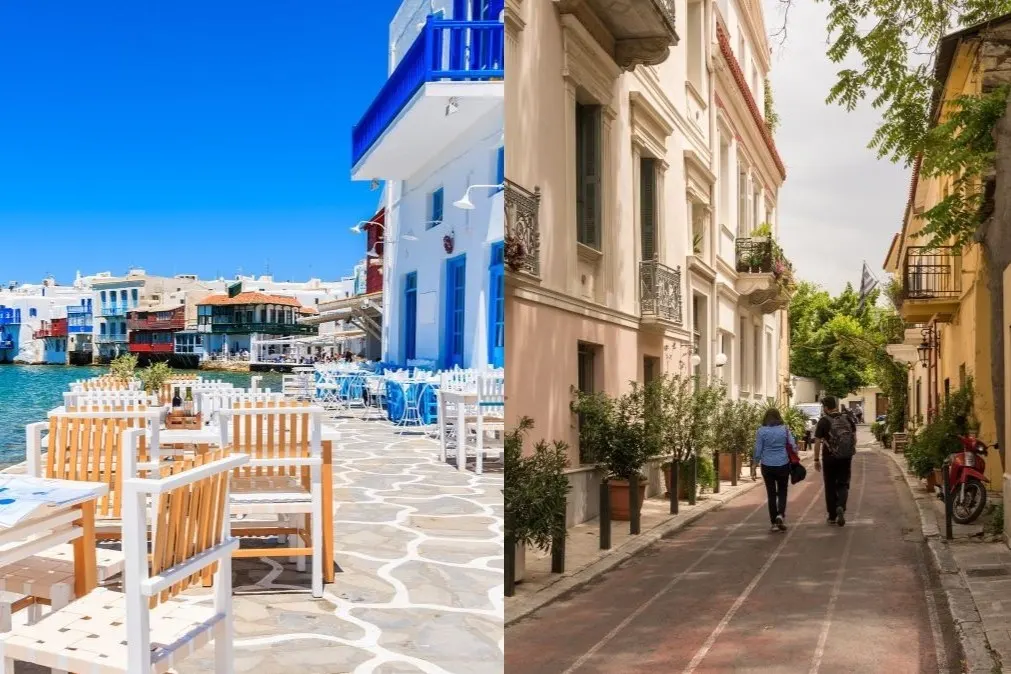
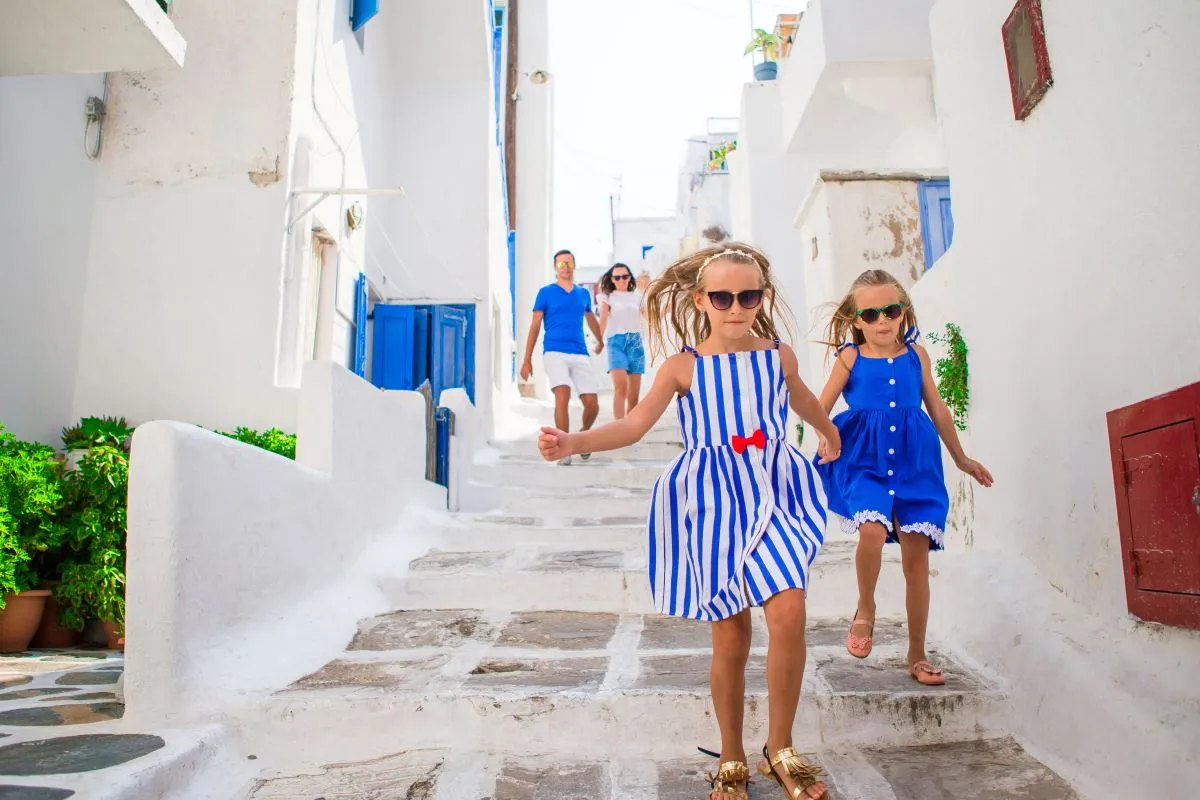
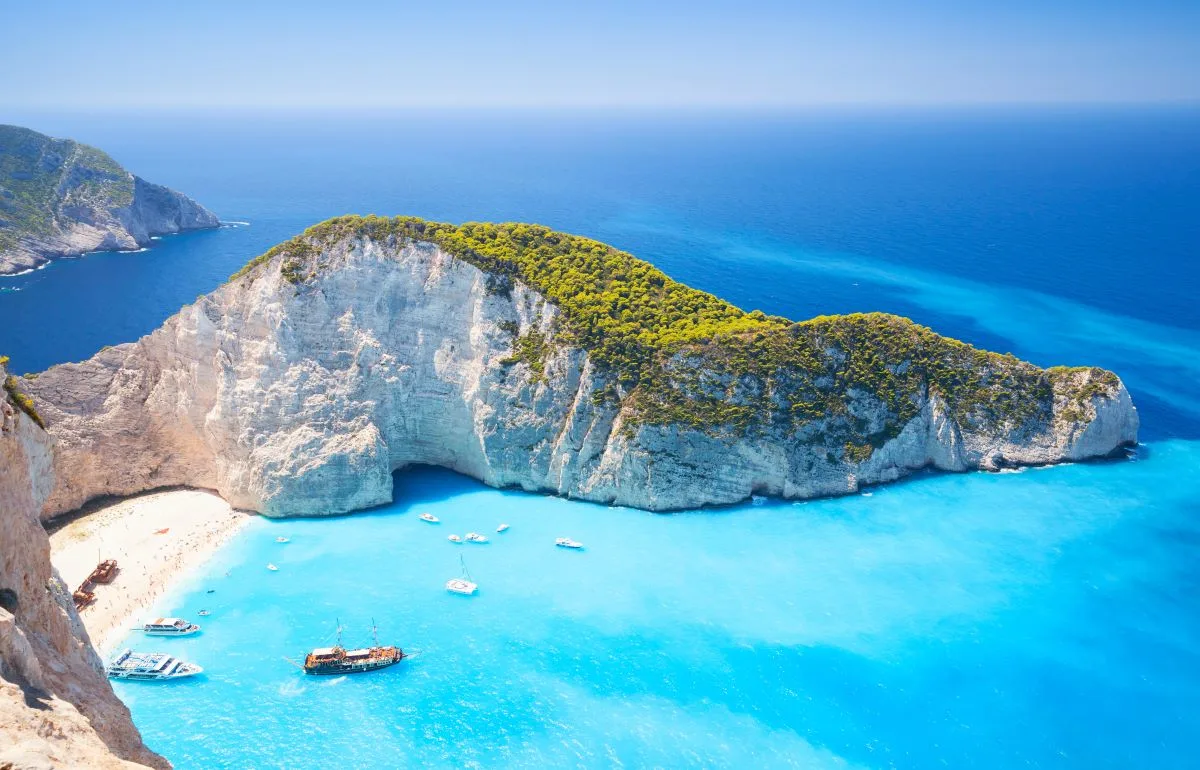
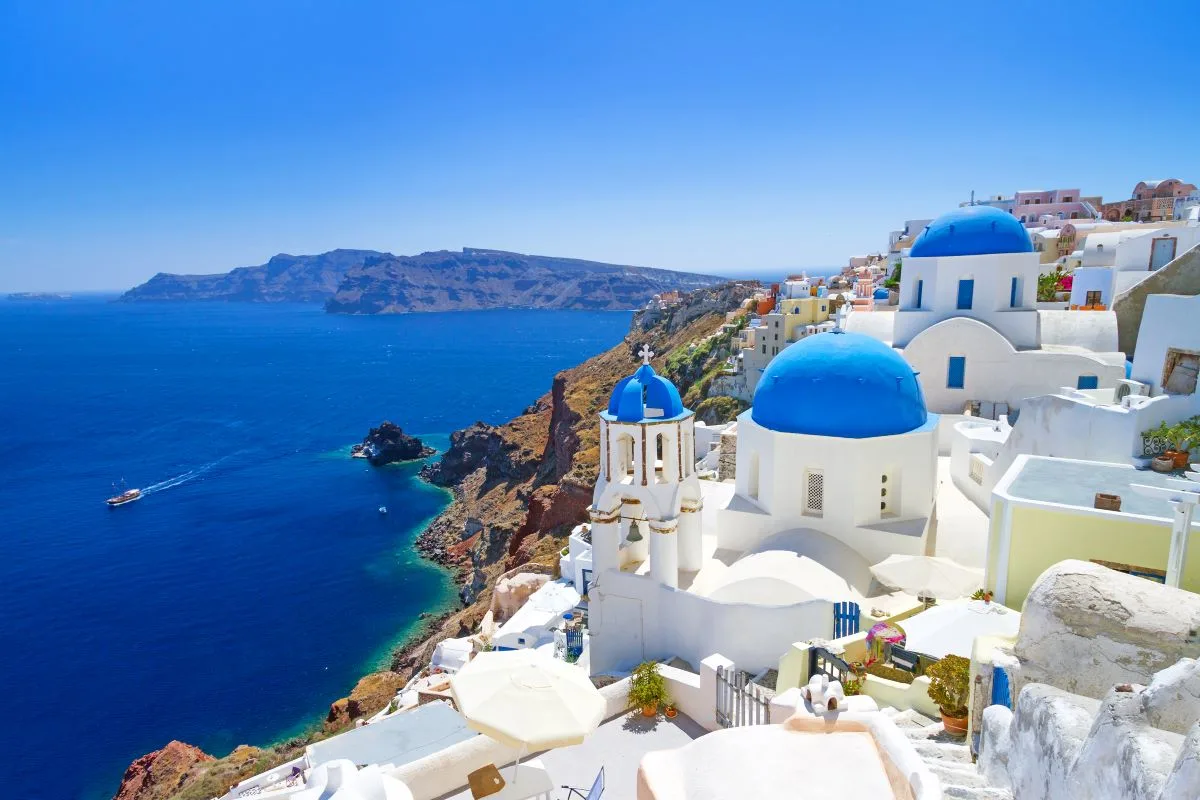
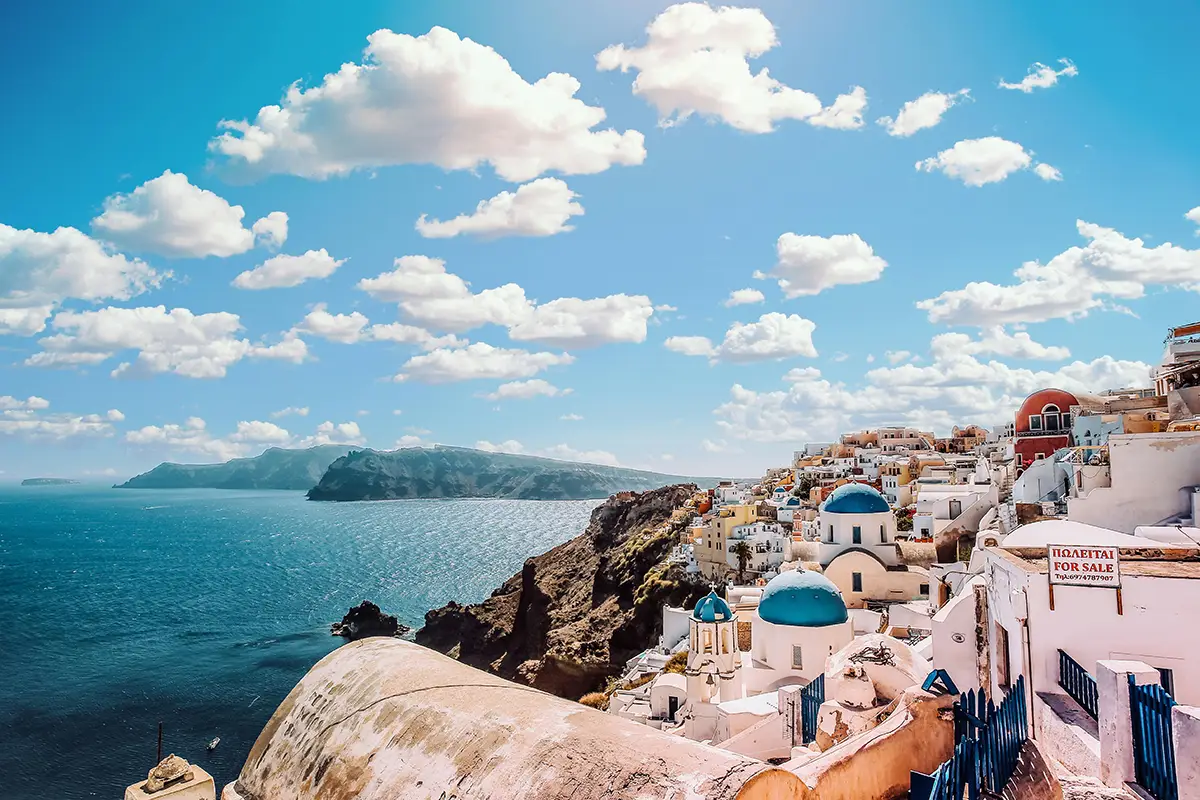
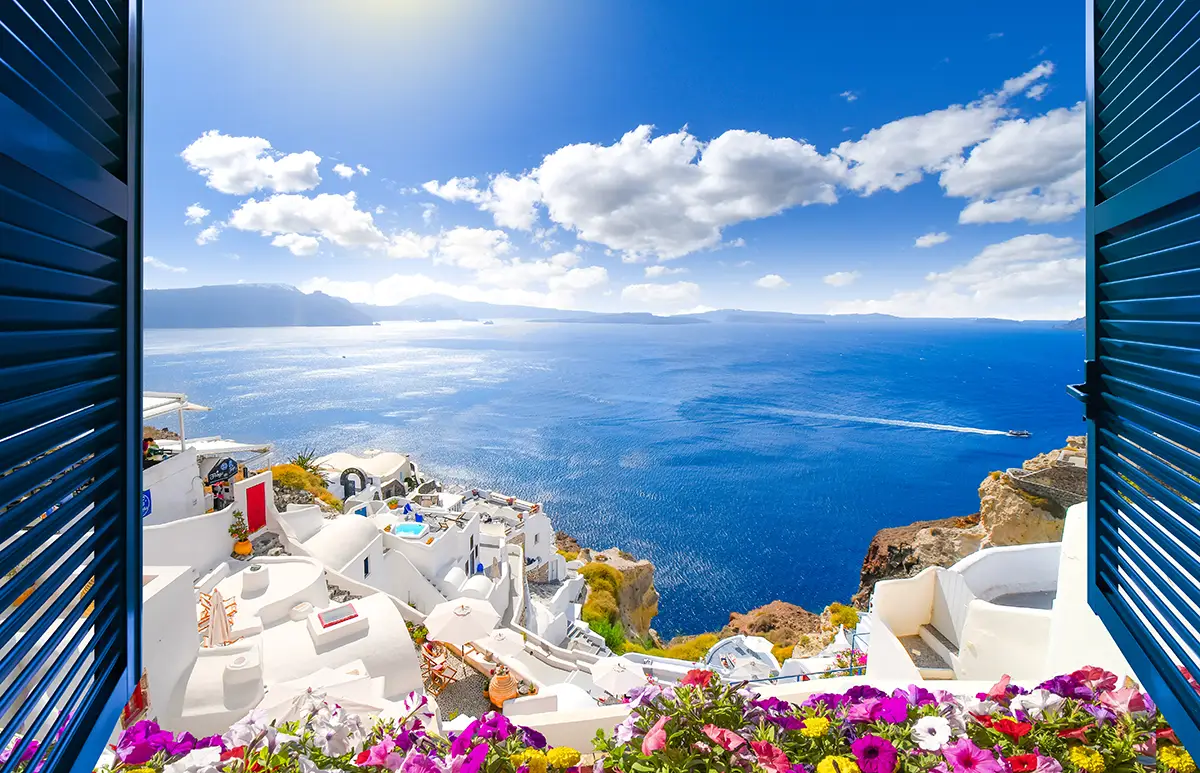
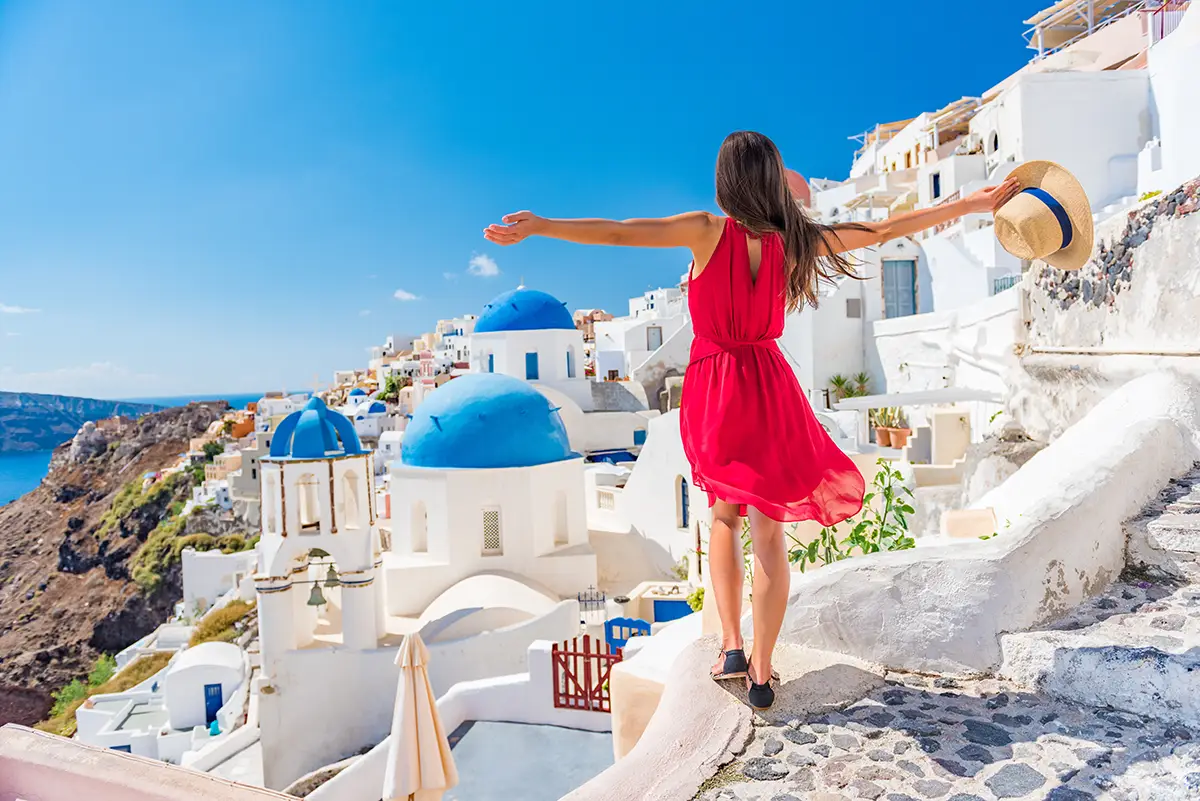
The Cyclades (Mykonos, Santorini, and surrounding islands)
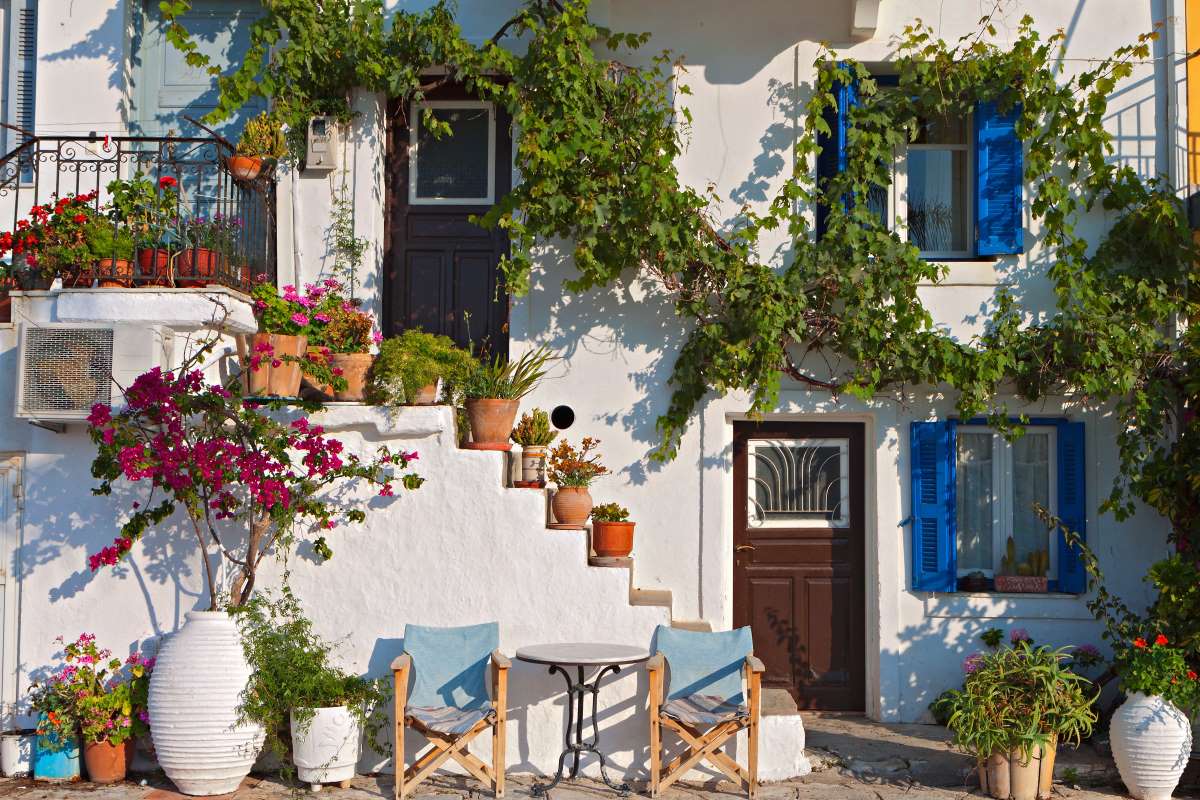
- Iconic architecture and global recognition;
- Strong luxury hospitality presence;
- Cosmopolitan summer energy.
Crete
- Large, self-contained island with year-round communities;
- Agricultural richness and culinary depth;
- Increasing appeal for long-term residence.
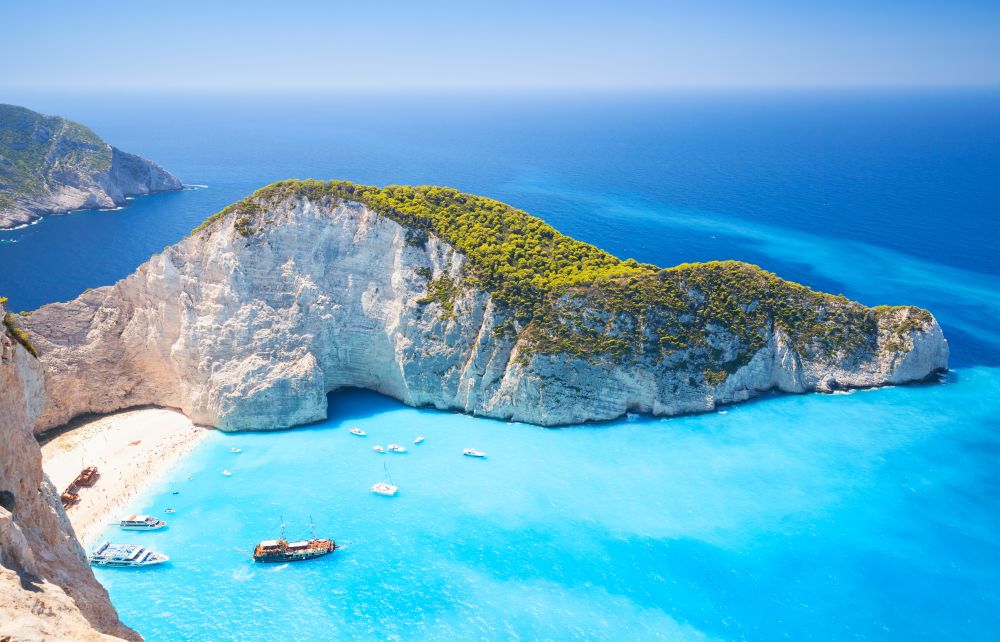
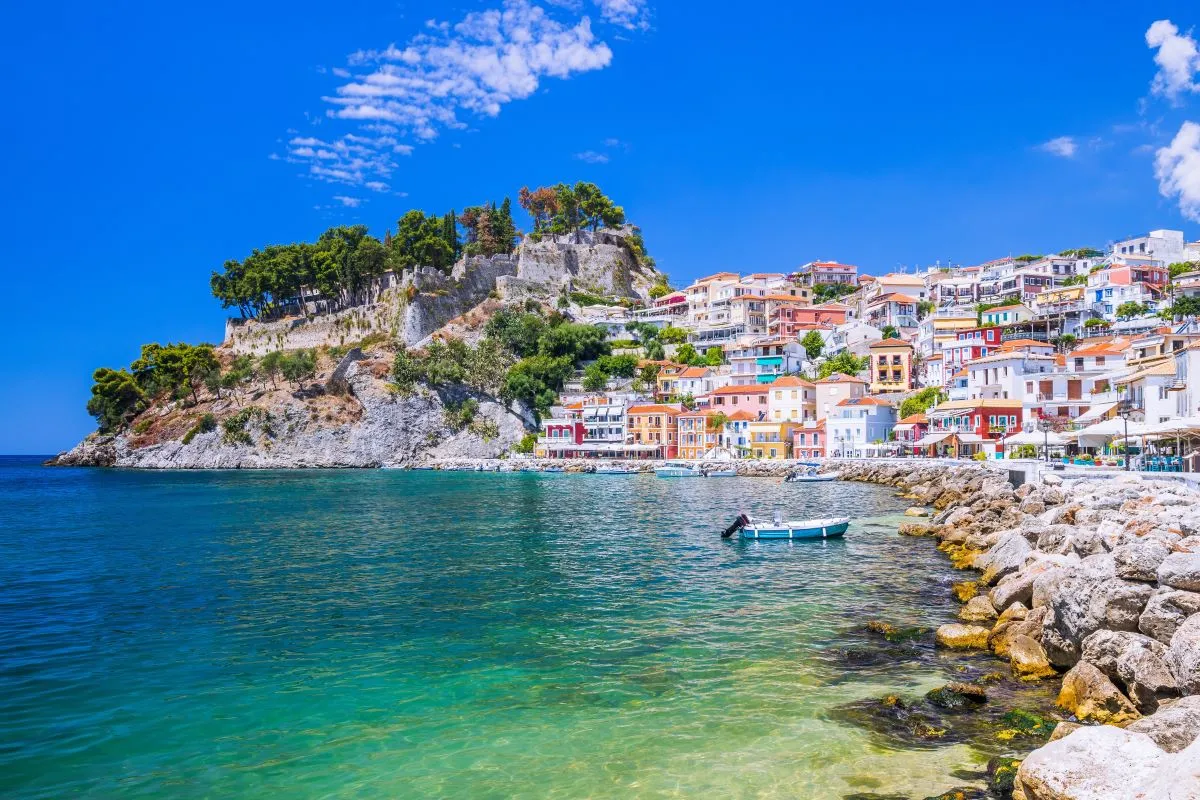
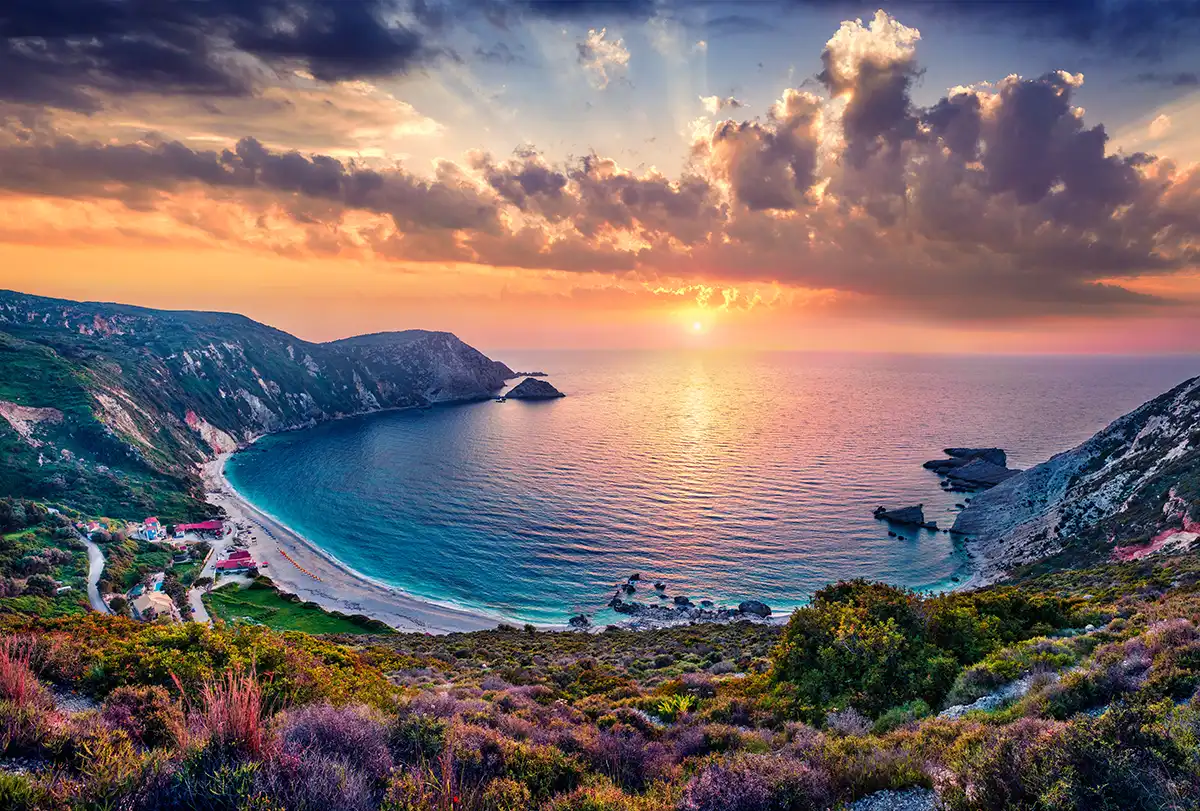
The Ionian Islands
- Lush landscapes and Venetian architectural influence;
- Calmer, understated luxury;
- Popular with buyers seeking privacy and greenery.
The Greek Mainland
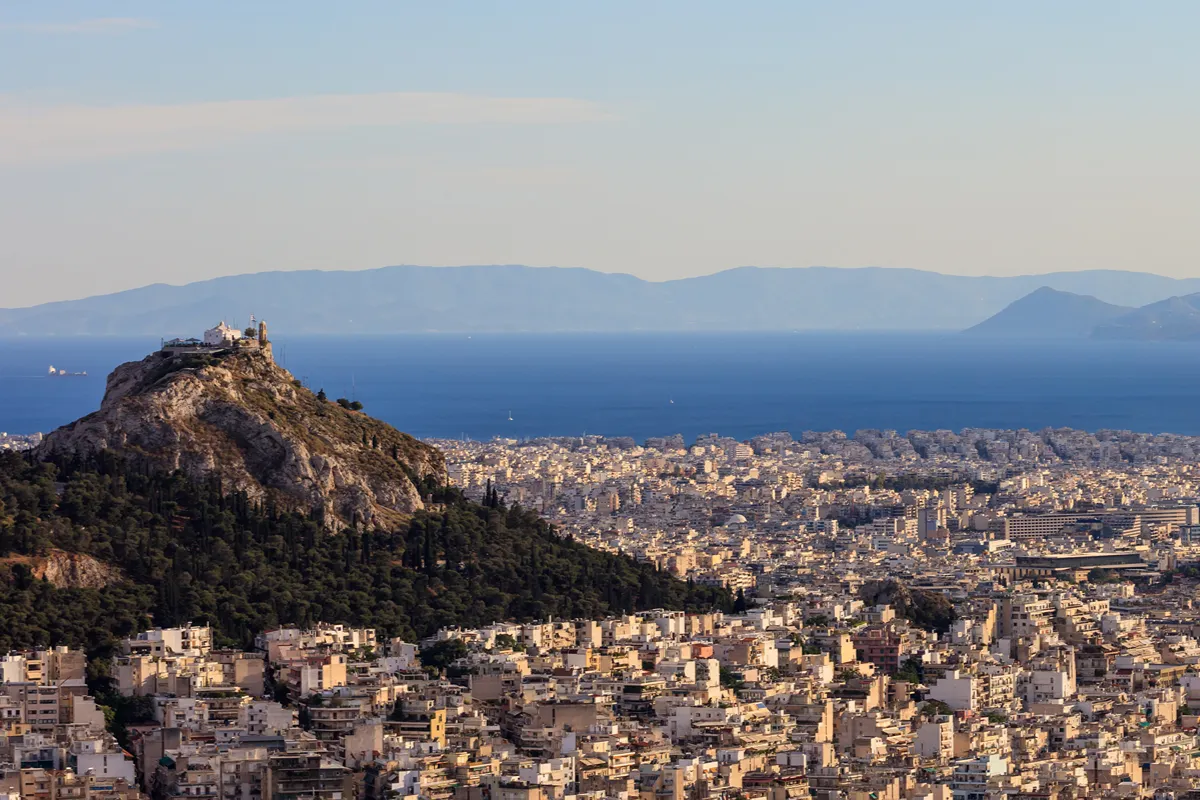
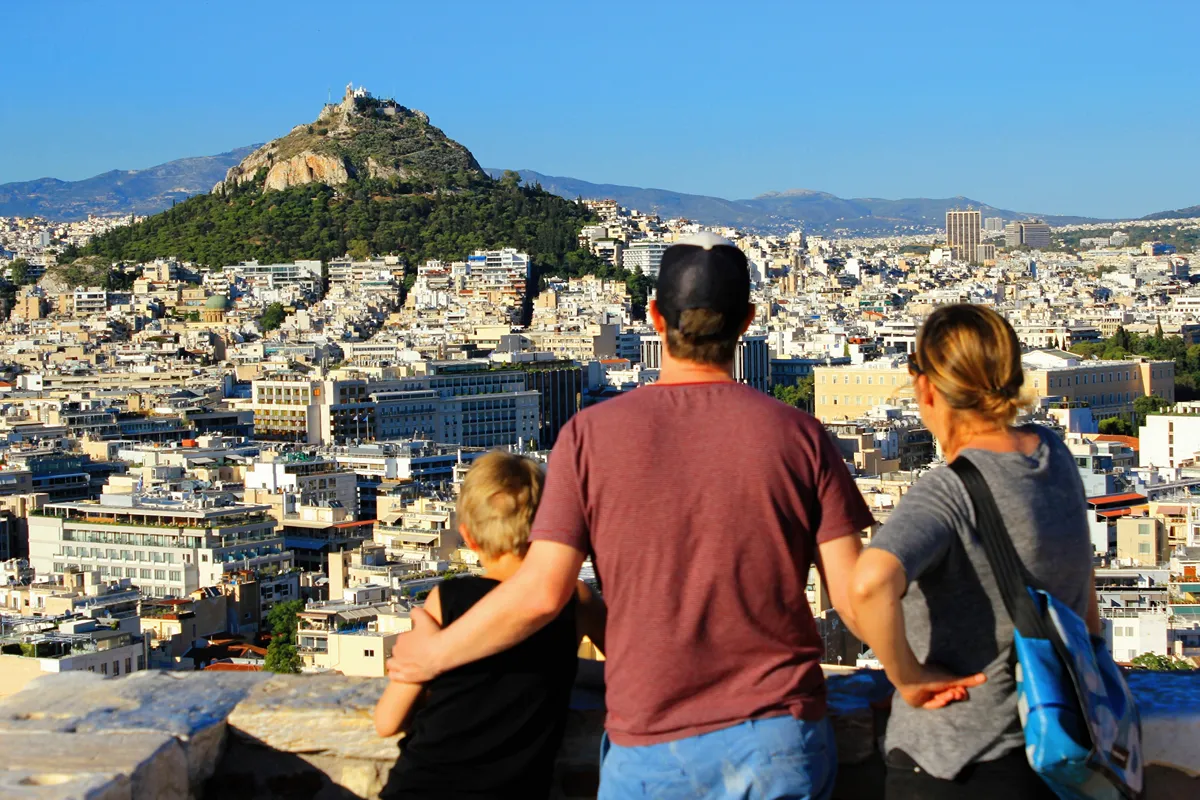
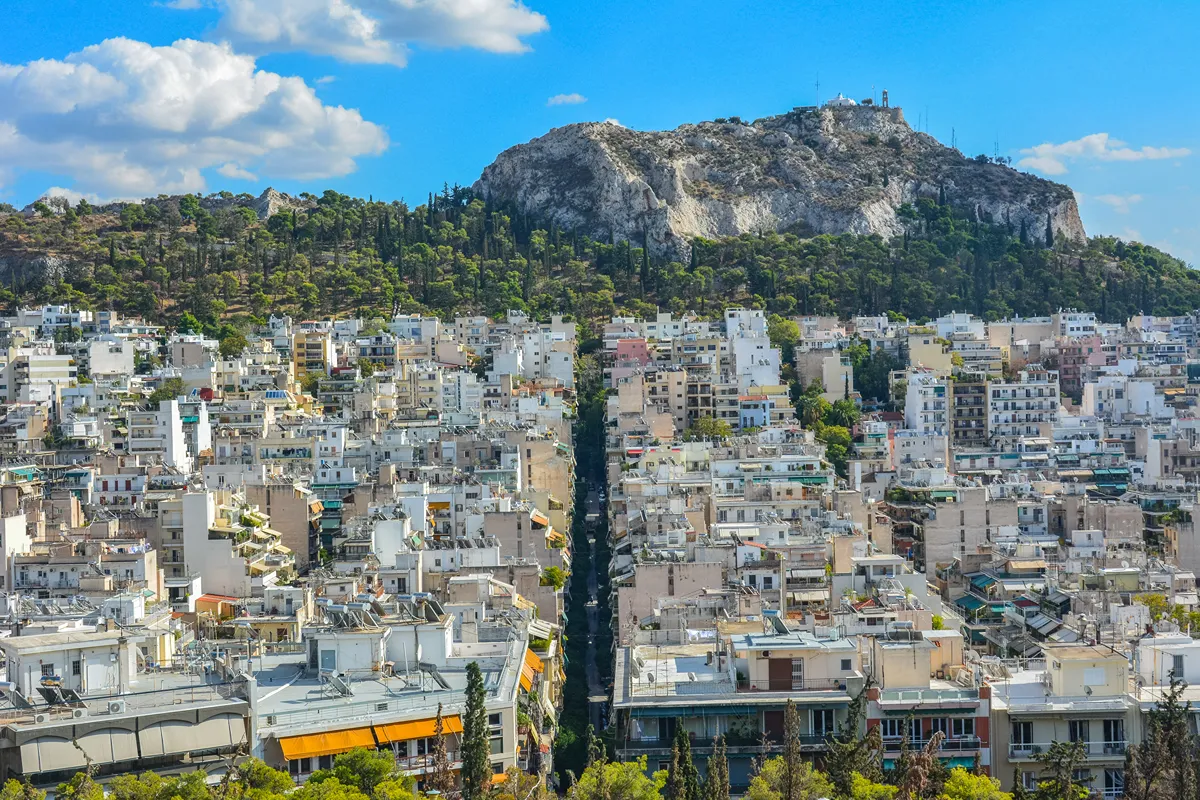
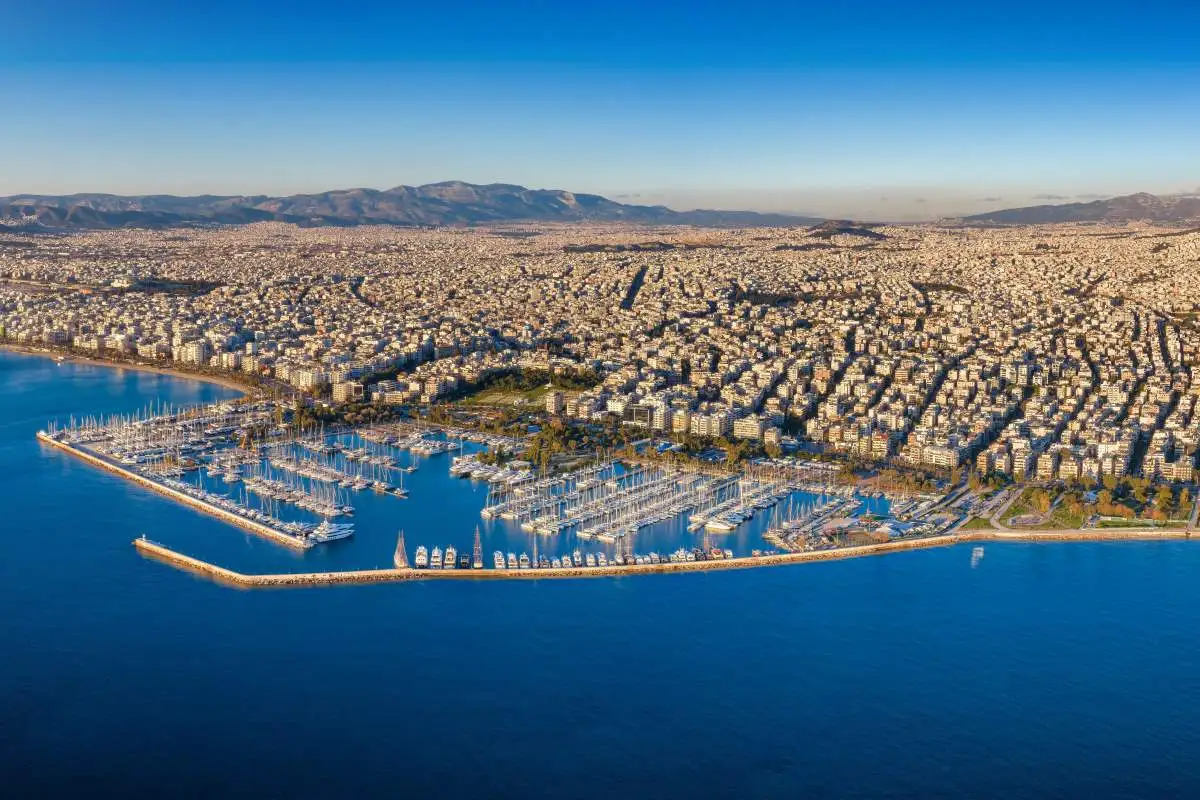
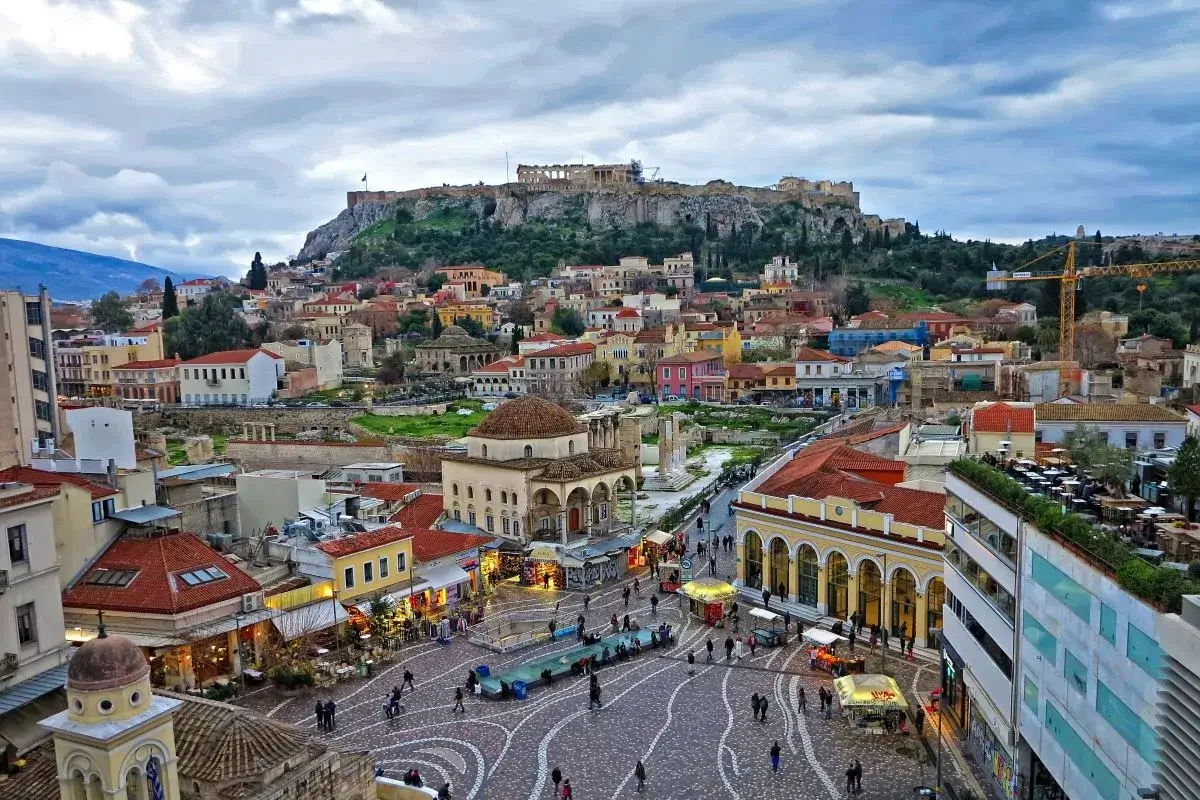
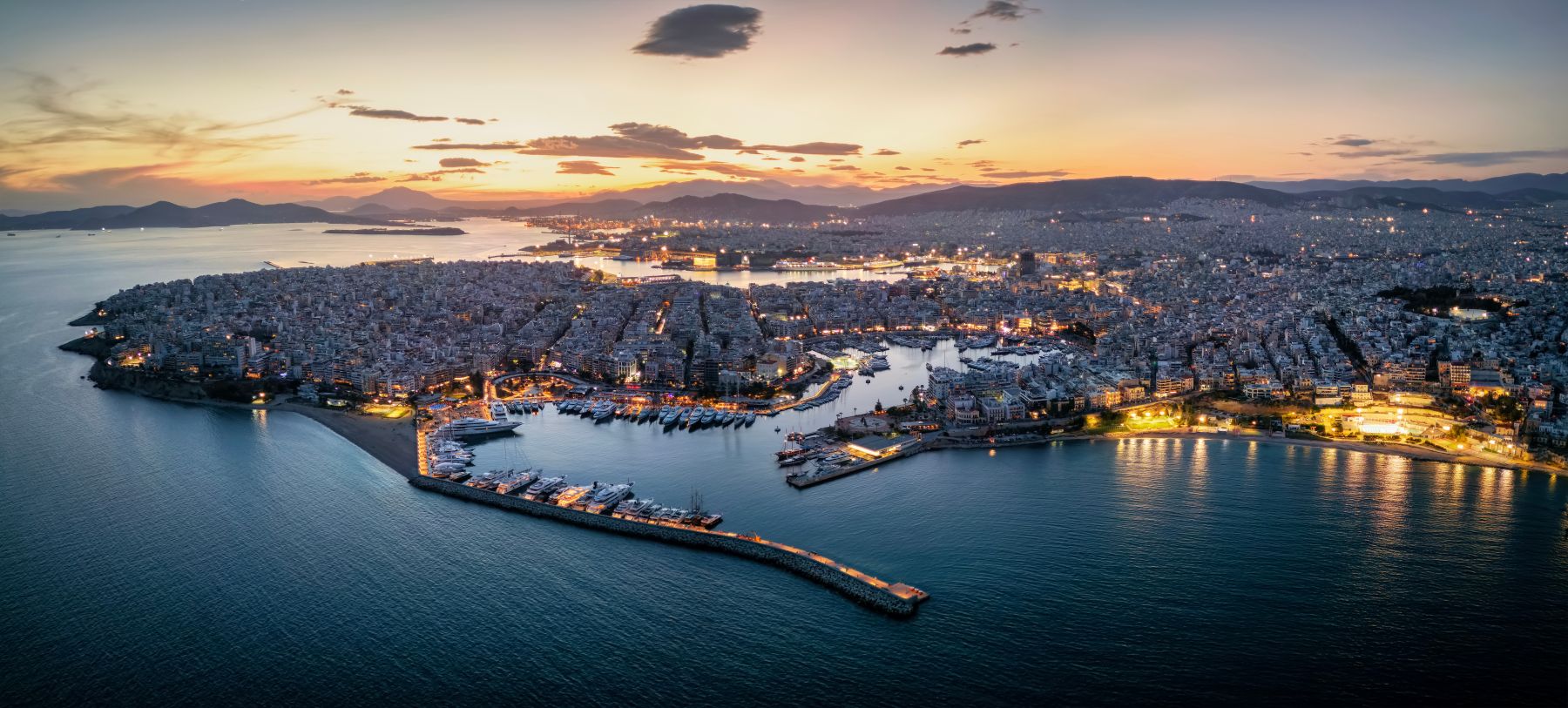
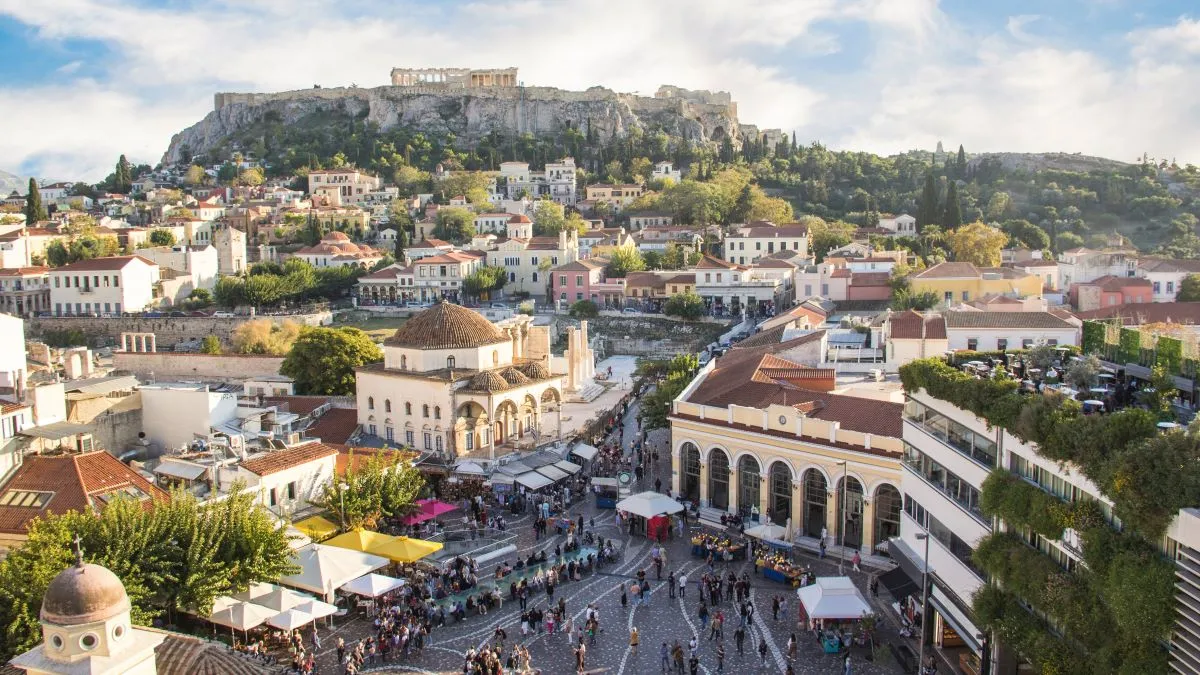
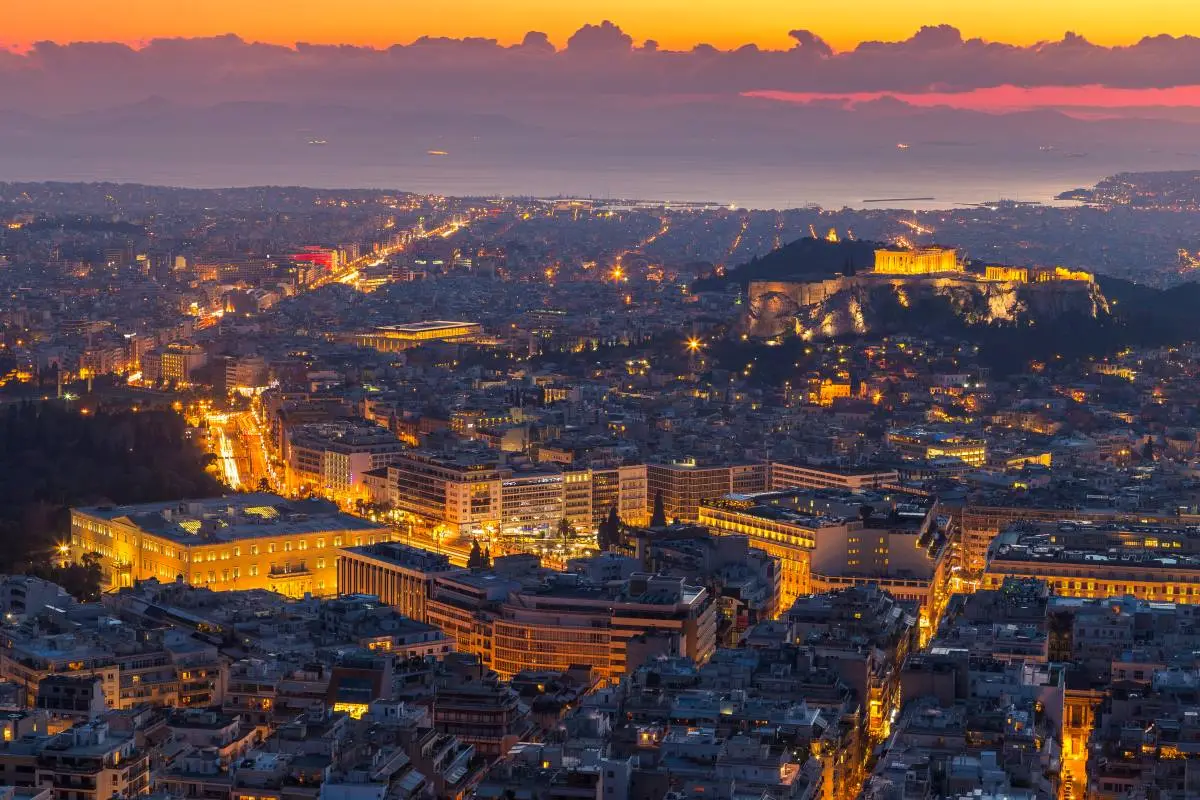
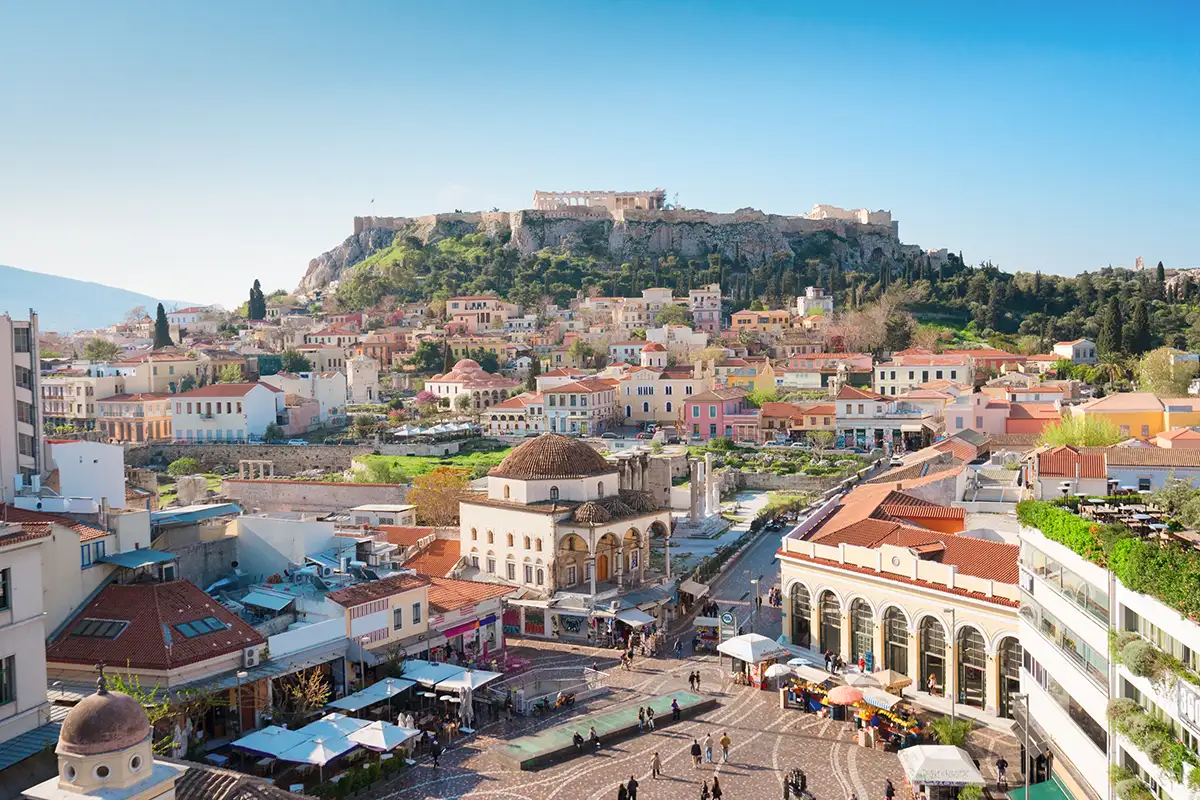
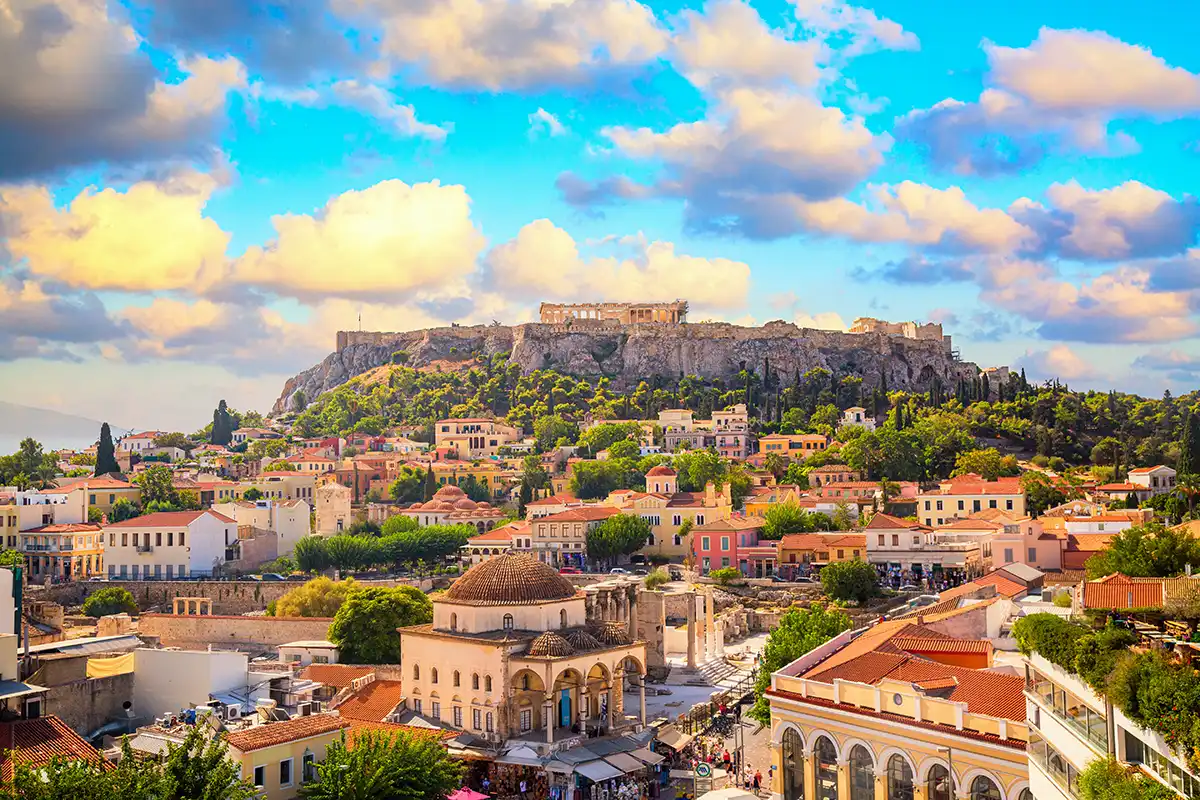
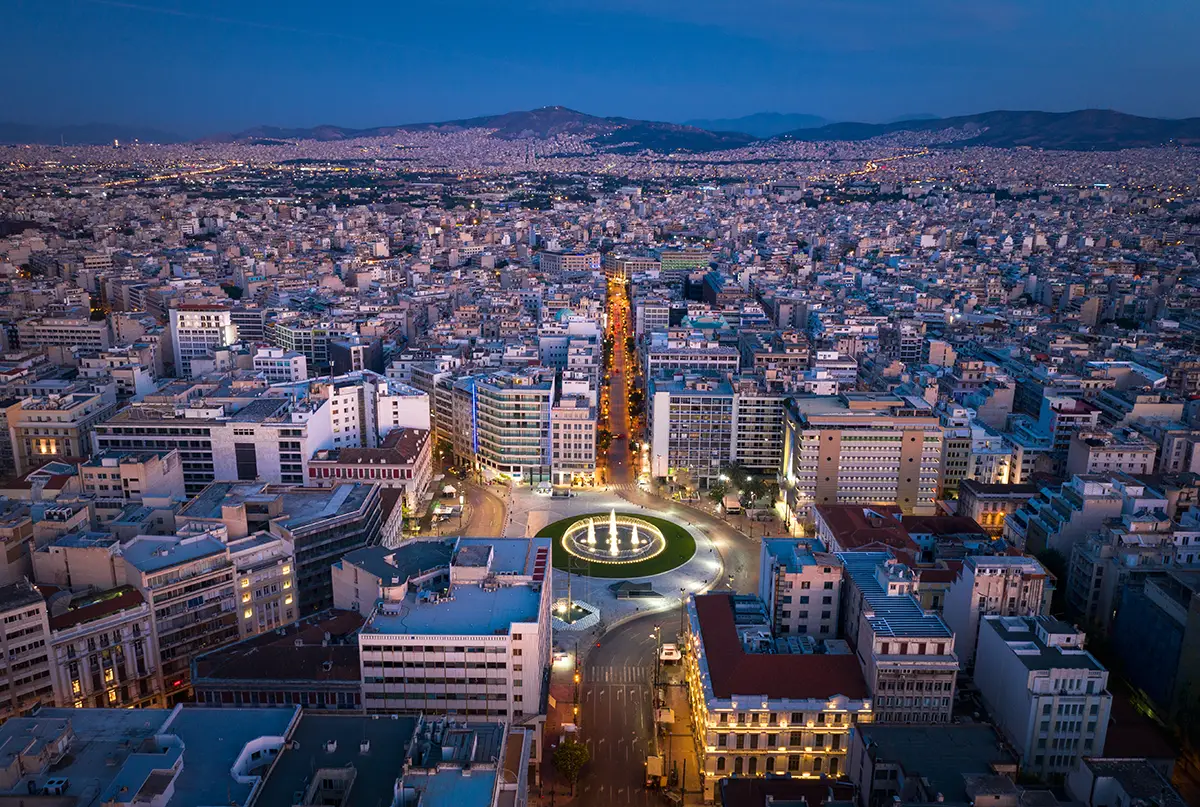
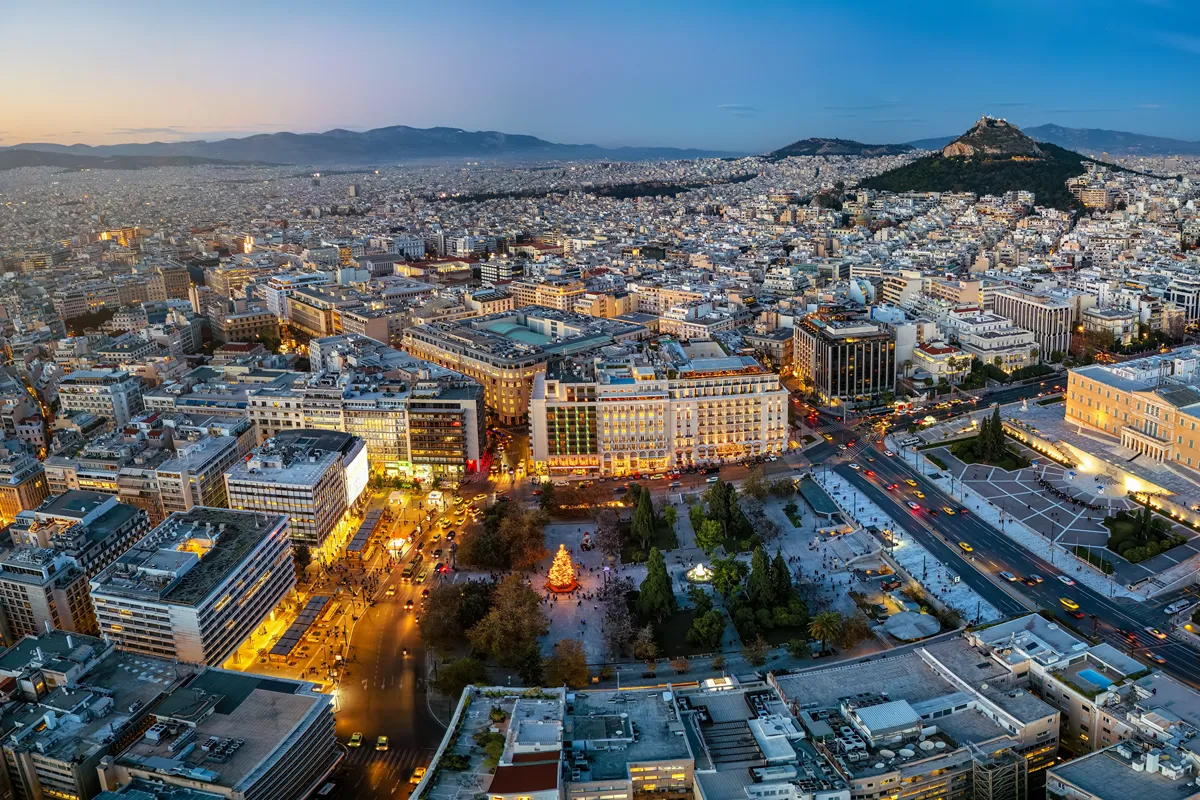
Athens
- Ancient capital undergoing rapid modernization;
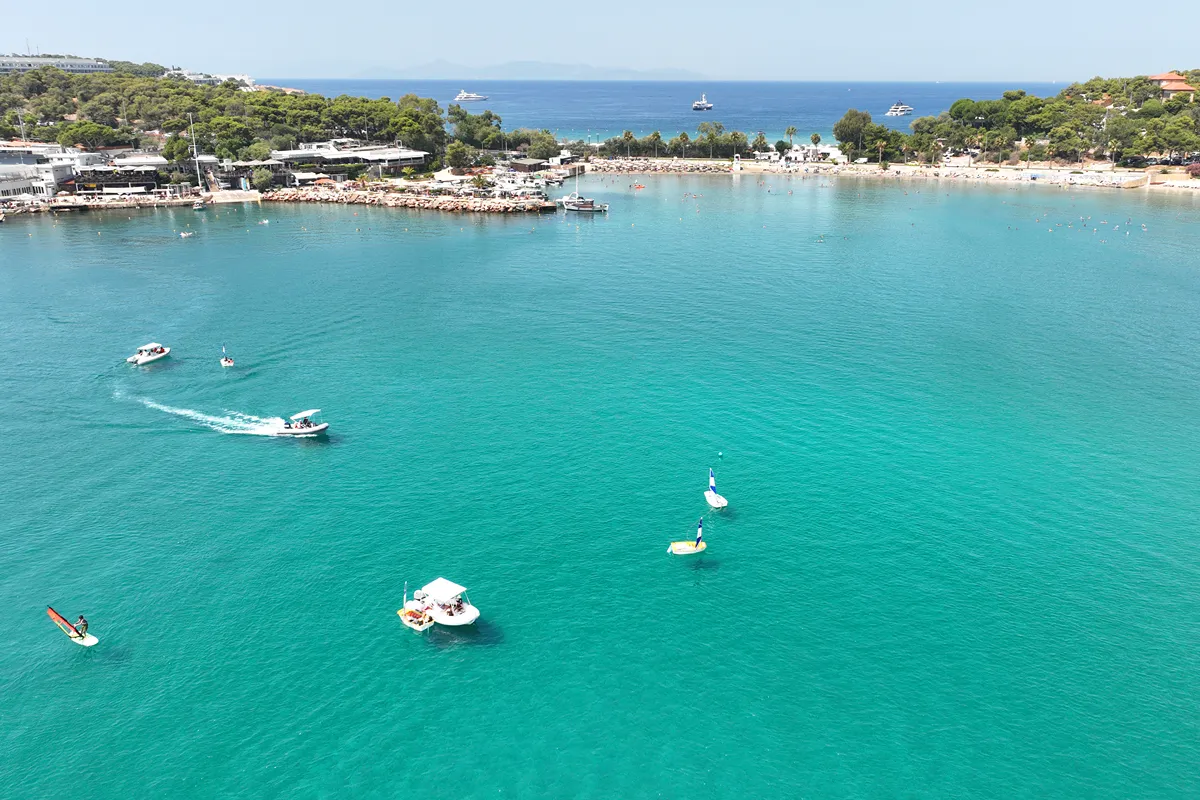
- Coastal regeneration along the Athens Riviera;
- International schools, business infrastructure, strong connectivity.
Athens, as Greece's hub for everything from culture to connectivity to capital, is the most popular area of the counrty for international investment, and the city's property market is witnessing enormous growth.
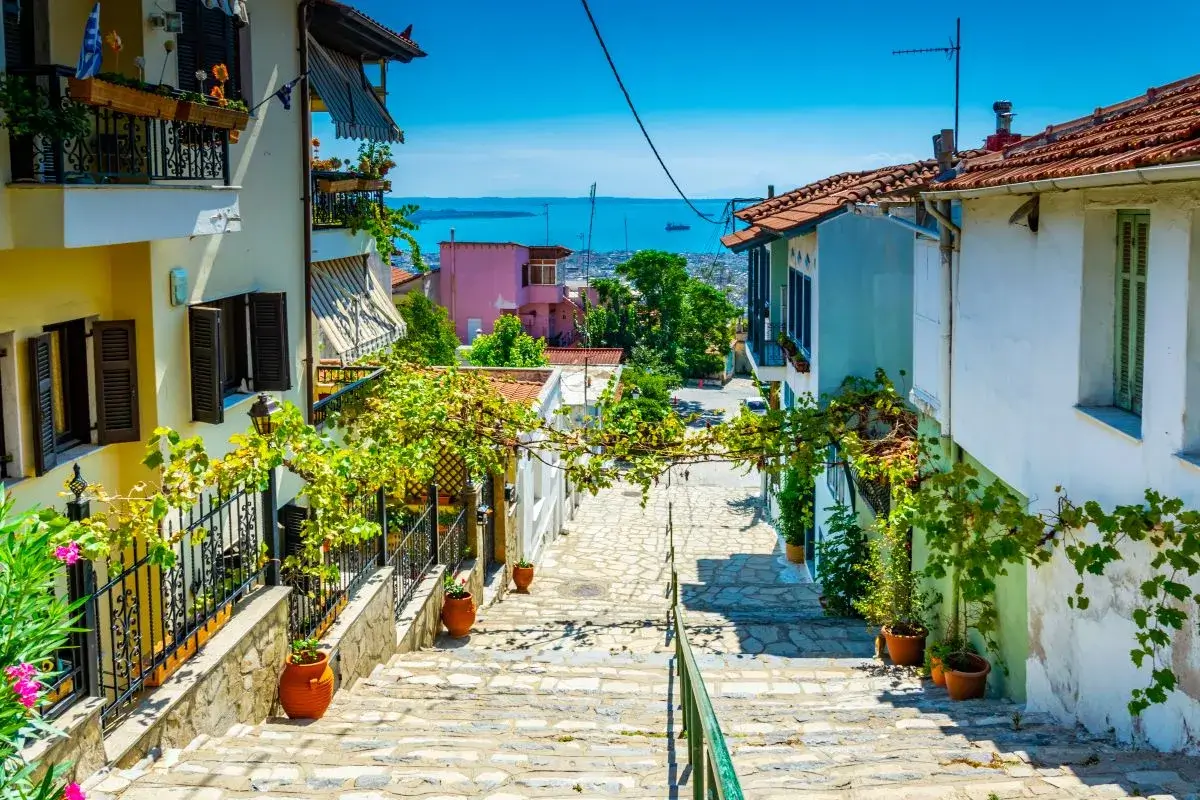
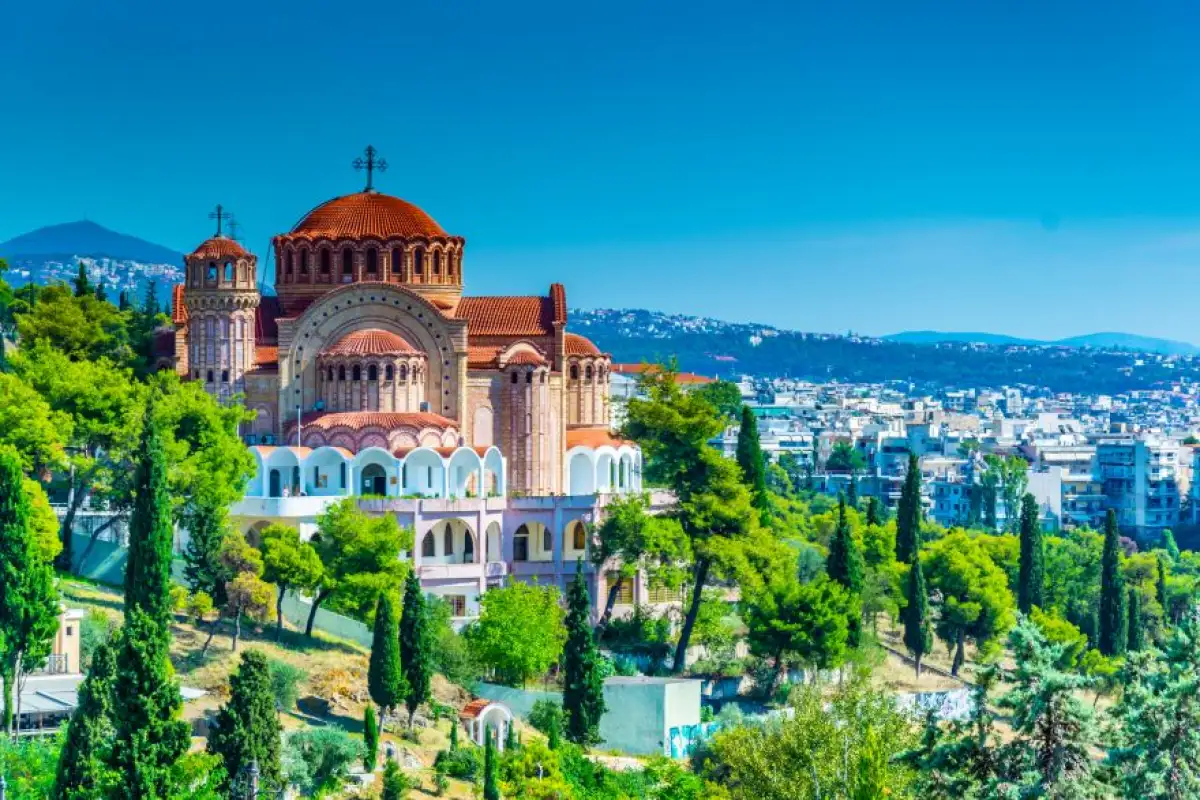
Thessaloniki
- Cultural and culinary hub;
- Vibrant student population;
- Strategic gateway to the Balkans.
As Greece's second city and a gateway to the country's northern regions, Thessaloniki's property market is attracting increasing attention from investors and property buyers globally.
The Peloponnese
- Rural charm and estate-style properties;
- Lower density development;
- Strong second-home and retreat potential.
Climate Advantage
- More than 250 days of sunshine annually;
- Mild winters in many coastal regions;
- Genuine year-round livability in key areas.
A Place to Belong, Not Just Visit
Greece is something of a paradox: a forward-looking nation with strong roots in the past. This is a culture that has endured for millennia, not in a museum piece as a living civilization whose history is woven into daily life.
For investors, Greece represents more than just a strategic European base. It offers engagement with two thousand years of historical continuity and a sense of belonging that extends beyond residency status.
It is a foothold in Europe, one offering not only returns but experiences, wellbeing, and legacy.
In Greece, history is not preserved behind glass: it is lived daily in the streets, felt in the sea air, and heard in the long conversations that stretch into sunset.
-
Who Are Greece’s Golden Visa Investors in 2026?
The latest official data shows who is driving demand for the Greece Golden Visa in 2026, how the investor mix...