


Argentina's Citizenship by Investment Program
Argentina is moving toward the launch of a formal Citizenship by Investment (CBI) program, a development that has generated unusual levels of excitement across the global investment migration industry.
Unlike the speculative rumors that periodically surface in emerging markets, this proposal appears to have meaningful political backing and administrative movement behind it. Recent reporting suggests:
- The legal groundwork has been laid through executive action.
- A centralized structure under the Economy Ministry is being discussed to oversee the Argentina CBI program.
- Multiple international firms are competing for the master agent role.
- The program is expected to prioritize productive investment rather than passive donations.
While full regulations, pricing, and processing timelines remain pending, the signal from Buenos Aires is clear: Argentina intends to enter the global citizenship by investment market.
For investors monitoring second passport options in 2026 and beyond, this represents one of the most significant potential new entrants in years.
The key question is not whether headlines are justified but whether Argentina’s citizenship by investment proposal can translate ambition into execution.
March 2026 Update: New Tax Law Addresses Major Obstacle
A recent development has addressed one of the biggest potential obstacles to this program.
Argentine law generally treats all nationals, including naturalized citizens, as tax residents, meaning they may be subject to income tax in Argentina on their global earnings.
A recent amendment to Article 116 of the Income Tax Law approved by the Argentine Congress has created a new category that allows investment naturalized citizens to be treated them as non-residents, meaning they would only owe tax on Argentine-sourced income.
Tax residency would instead depend primarily on physical presence in the country.
This will make a significant difference to the program's appeal and chances of success.
The CBI Context: Why This Matters Globally
To understand why Argentina’s potential CBI program matters, it is important to consider the broader context of the global investment migration market.
For the past two decades, the investment migration landscape has been dominated by:
- Caribbean countries, offering fast processing and donation-based options, but usually providing limited mobility and occasionally attracting reputational scrutiny.
- European programs, many of which have now been closed or heavily restricted. At present, no EU country offers a straightforward direct CBI program; only Golden Visa programs like in Portugal and Greece.
- A few niche or emerging players, such as Turkey and Egypt, which have been among the more disruptive forces in recent years.
Argentina represents something fundamentally different.
This is not a small island economy dependent on passport revenue.
It'sa G20 economy with a diversified industrial base, agricultural strength, energy resources, and geopolitical relevance.
Argentine citizenship is attached to a large-scale, complex state with diplomatic reach and regional influence.
Historically, and especially in recent years, citizenship by investment programs have operated at the periphery of global politics.
Argentina’s entry would move the model closer to the mainstream. A major Latin American economy offering citizenship through structured investment could recalibrate how policymakers and investors alike view the CBI concept.
In that sense, Argentina’s potential program is not just another addition to the list of second passport options. It could signal a structural evolution in the investment migration industry itself.

Why This Stands Out
Several structural factors make Argentina’s citizenship-by-investment proposal distinct from typical CBI offerings.
1. Scale and Credibility
Argentina is not a microstate experimenting with alternative revenue streams. It is a large, politically visible country with global trade relationships and established diplomatic networks.
A passport from a G20 country carries a different perception profile than one from a small jurisdiction known primarily for its CBI program.
For investors concerned about long-term credibility and reputational optics, that distinction is significant.
If properly structured, an Argentina citizenship-by-investment program could offer both mobility and macroeconomic substance.
2. Mercosur Access
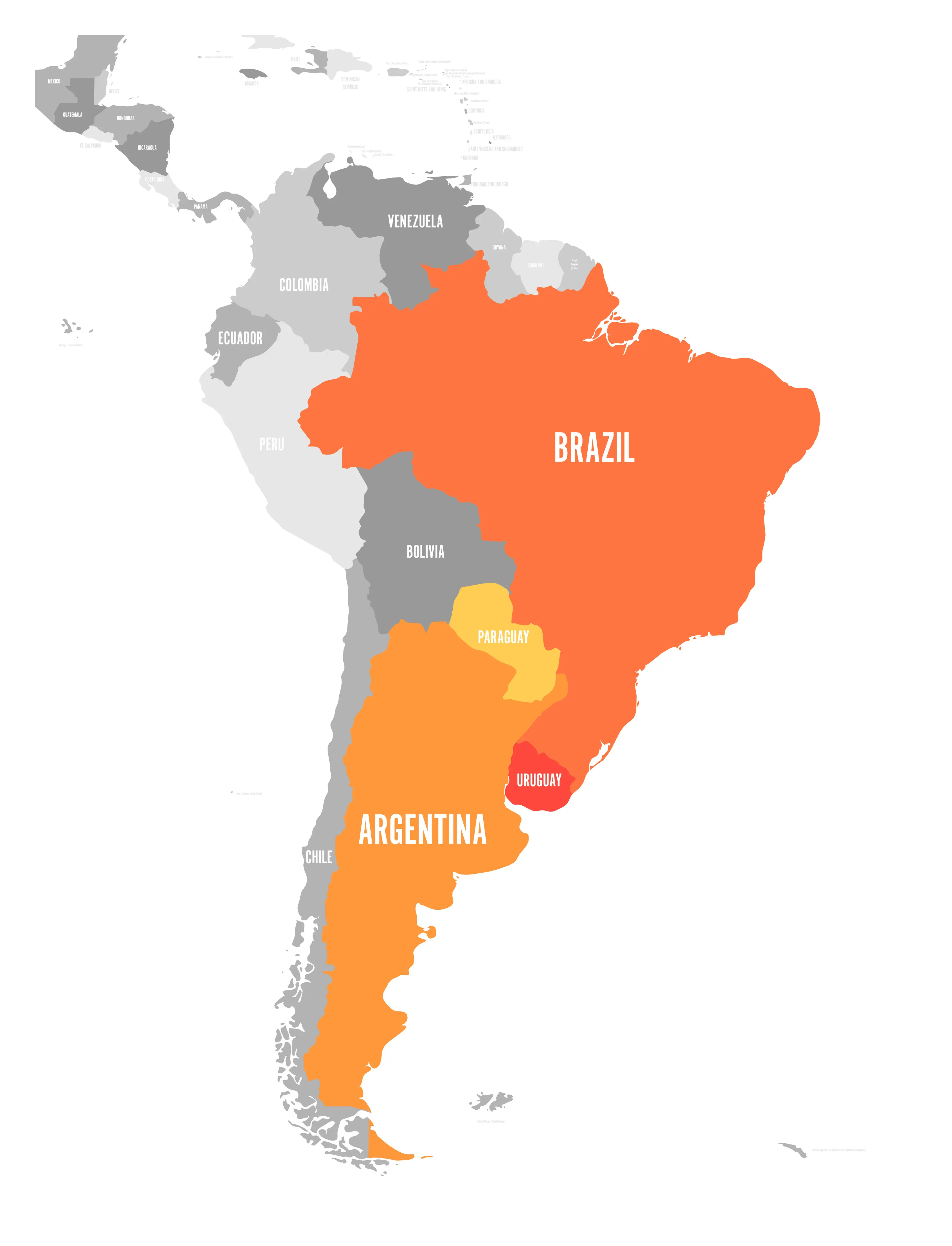
One of the most underappreciated aspects of Argentine citizenship is its connection to Mercosur, the South American trade bloc.
Citizens of Mercosur countries enjoy facilitated residency rights across member states.
In practical terms, an Argentine passport may provide pathways to live and work across parts of South America with relative ease.
For investors seeking geographic diversification beyond Europe and North America, this is strategically compelling.
Mercosur citizenship benefits are rarely highlighted in CBI marketing materials, but in Argentina’s case, they could become a defining feature.
3. Legal Culture of Citizenship
Argentina historically treats nationality as a strong legal status with limited grounds for revocation.
In an era where some CBI jurisdictions have introduced retroactive scrutiny and expanded revocation mechanisms, legal certainty is increasingly important.
Investors considering a second passport Argentina option will want reassurance that citizenship rights are durable and not subject to political reinterpretation.
While full legislative details are still pending, Argentina’s broader constitutional culture may provide relative comfort compared to purely transactional models.
4. Productive Investment Orientation
Early indications suggest that the Argentina citizenship by investment program may focus on productive investment—business formation, industry, infrastructure, or development—rather than simple donation models.
This distinction is critical.
Donation-based citizenship programs have drawn criticism for creating minimal economic integration. A productive-investment approach, by contrast, aligns investor capital with national growth objectives.
For entrepreneurs and family offices, this model could be more attractive. Instead of writing a cheque, investors may have the opportunity to deploy capital strategically in sectors such as energy, agriculture, technology, or manufacturing.
If structured properly, Argentina could position itself not merely as a passport provider but as an economic partner.
5. Timing
The timing of Argentina’s proposal is notable.
- International pressure has constrained Caribbean and Pacific models.
- European citizenship-by-investment programs have largely been shuttered.
- Global mobility demand continues to rise amid geopolitical uncertainty.
- Wealth diversification outside traditional Western hubs is accelerating.
Market conditions are unusually receptive to a credible new entrant. If Argentina launches during this transitional period in the investment migration market, it may capture disproportionate attention and demand.
Key Strengths
If structured correctly, Argentina’s citizenship-by-investment program could offer several meaningful advantages.
- Global Passport PowerPassport Power: The Argentine passport provides broad visa-free or visa-on-arrival access to more than 160 countries across the world. While not at the very top tier globally, it is a very strong travel document in the top 15 with practical mobility benefits.
- Regional Leverage via Mercosur: For investors focused on Latin America, Argentine citizenship offers more than symbolic diversification; it offers practical residency flexibility.
- Lifestyle : Buenos Aires and other Argentine cities provide cultural sophistication, strong education institutions, and relatively affordable high-quality living compared to many Western capitals.
- Lower Risk: compared to small-state programs that are sometimes scrutinized for overreliance on passport sales.
For certain investor profiles, particularly from Latin America, the Middle East, and Asia, this combination could be uniquely compelling.
Argentina sits at the intersection of Western cultural alignment and emerging-market growth potential.

Points of Caution
With all that said, serious investors should temper their enthusiasm with realism.
1. Regulatory Uncertainty
At present, the Argentina CBI program remains incomplete. Investment thresholds, qualifying sectors, due diligence procedures, and processing timelines have not been finalized.
Until official regulations are published, any projections remain speculative.
2. Political Risk
Argentina has a well-documented history of economic volatility and policy shifts. While current reforms may support investor-friendly measures, policy continuity cannot be assumed over the long term.
Citizenship is permanent; political cycles are not.
3. Processing Infrastructure
Launching a new citizenship-by-investment program is operationally complex. New programs often experience bottlenecks in their first year as compliance systems, staffing, and inter-agency coordination are tested.
Early applicants may face longer-than-expected timelines.
4. International Reaction
A G20 CBI program will attract scrutiny from global partners. The reaction of major visa-waiver counterparts remains unknown. Any negative geopolitical response could affect mobility benefits.
5. Pricing Strategy
The success of Argentina’s citizenship-by-investment offering will depend heavily on pricing.
If the investment threshold is set too high, demand may be limited. If too low, reputational concerns could emerge. Striking the right balance will be critical.
Ultimately, execution will determine whether this becomes transformational or transitional.
Reality Check: What Has Actually Happened?
Despite the headlines, Argentina’s citizenship-by-investment program is still at the proposal stage.
While tenders and administrative discussions have been reported, nothing has been formally confirmed in final legislative form.
This means:
- No final regulations.
- No confirmed investment amounts.
- No processing track record.
- No published approval statistics.
The investment migration industry has seen numerous “announced†programs that either never fully materialized or launched in drastically different form than originally presented.
Investors should treat current developments as pre-market positioning, not a ready-to-apply product.
Strong Disruptive Potential, But We Advise Caution
Argentina’s potential entry into the citizenship-by-investment market is arguably one of the most significant developments in investment migration in recent years.
If implemented effectively, it could:
- Redefine what a citizenship-by-investment program looks like.
- Shift market power away from small states.
- Introduce a model centered on economic integration rather than donations.
- Establish Latin America as a more prominent player in the global second passport industry.
However, until regulations are finalized and the program proves operational stability, enthusiasm should be balanced with disciplined analysis.
For now, Argentina represents credible disruptive potential, if and when it launches. Until then, it remains an exciting concept and a space to watch, not the guaranteed game changer it has sometimes been portrayed as.
Investors should also weigh the opportunity cost of waiting. A program that may or may not materialize could delay strategic mobility planning. In some cases, exploring established and reputable citizenship by investment options currently available may be more prudent.
And in others, it may prompt a deeper question: is acquiring a second passport truly necessary for your objectives, or would alternative residency strategies achieve the same goal with less complexity?
Argentina’s proposal is compelling. But as always in investment migration, clarity should precede commitment.
-

Investment Opportunities in Athens: Four Properties Worth Considering in 2026
Discover property investment opportunities in Athens, including apartments from €250,000, Golden Visa options and premium homes on the Athens Riviera....