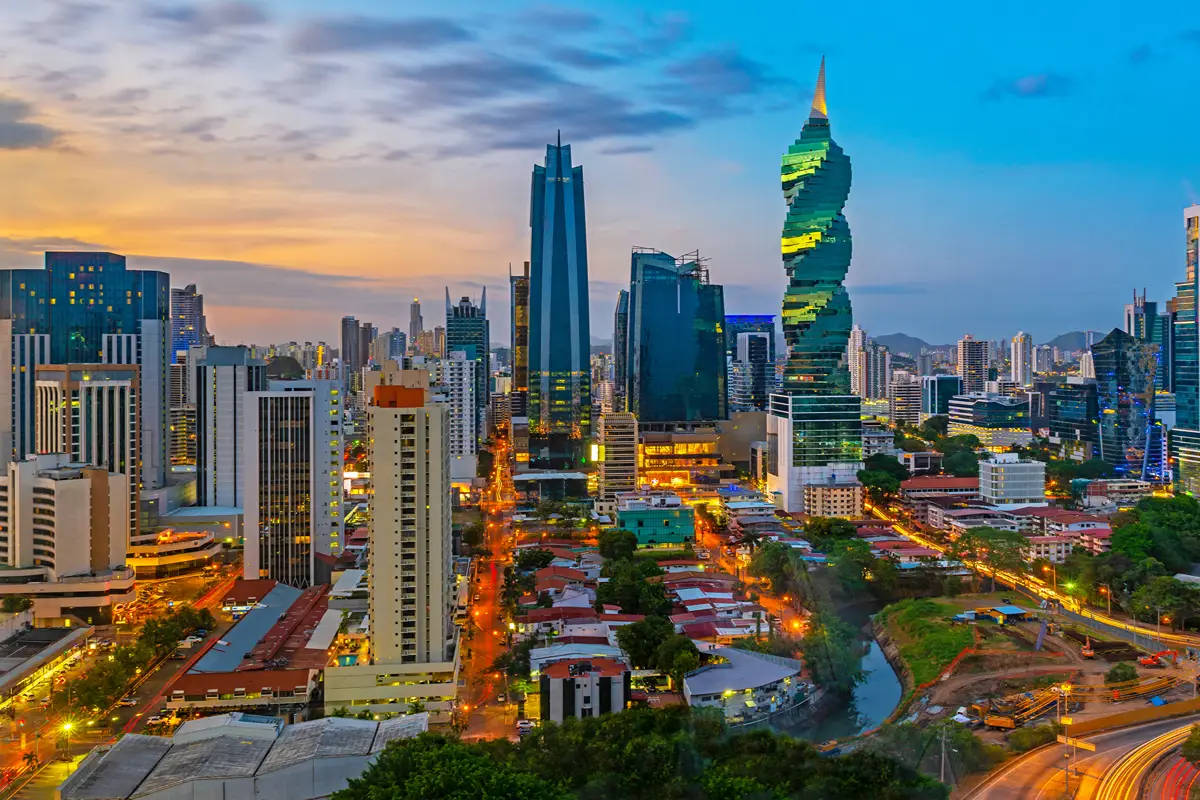


Can Foreigners Buy Property in Panama?
Yes, foreigners can generally buy and own property in Panama, and they do not need to hold residency before making a purchase.
The main restriction applies to property within 10 kilometres of Panama’s international borders. Coastal property is generally available to foreign buyers, although island, concession and state-owned land can be subject to additional rules.
Buyers should also distinguish between titled property and derechos posesorios, or rights of possession. Rights of possession are not the same as registered legal ownership and may involve significantly greater risk.
For most international buyers, particularly those purchasing through the Qualified Investor Visa , properly titled property registered with Panama’s Public Registry will usually be the safest option.
What Property Qualifies for Panama's Qualified Investor Visa?
The current minimum real-estate investment for Panama’s Qualified Investor Visa is US$300,000.
The investment can be made in completed property or in qualifying off-plan property. The funds must come from abroad, and the investor must contribute at least US$300,000 of their own qualifying capital.
Financing may be used to purchase a more expensive property, but borrowed funds cannot be used to reach the minimum investment threshold.
Applicants must also be able to demonstrate the full source and transfer trail of the money. This may include bank statements, transfer records and documents showing how the funds were obtained.
The qualifying investment must generally be maintained for at least five years.
A property advertised at US$300,000 will not necessarily qualify automatically. Furniture packages, transaction fees, rebates, incentives and financing may not count towards the recognised real-estate investment. The property’s ownership and value must also be documented in a form that can be certified under the programme.
How to Buy Property in Panama: Step-by-Step
Step 1: Confirm Visa Suitability Before Paying a Deposit
Buyers pursuing the Qualified Investor Visa should consult a Panamanian lawyer experienced in both property and immigration matters before signing a non-refundable reservation agreement.
This allows the proposed property, purchaser, financing and payment structure to be checked before money is committed.
Step 2: Make an Offer or Reservation
The buyer may make an offer or sign a reservation agreement to remove the property from the market.
Where possible, the agreement should be conditional on satisfactory legal due diligence and confirmation that the purchase can meet the visa requirements.
Step 3: Complete Legal Due Diligence
The buyer’s independent lawyer should check:
- The registered title and legal owner
- Mortgages, liens and court restrictions
- Unpaid property taxes
- Planning permissions and registered improvements
- Condominium fees, debts and restrictions
- The property’s boundaries and registered area
- Whether the seller has the legal authority to complete the sale
The lawyer should act for the buyer rather than the seller, estate agent or developer.
Step 4: Sign the Promise of Purchase and Sale
The promise of purchase and sale should set out the agreed price, deposit, payment schedule, completion deadline and consequences if either party fails to complete the transaction.
For visa buyers, the agreement should also reflect the approved ownership, financing and payment structure.
Step 5: Transfer the Funds Correctly
The money trail must be clear and traceable from the applicant’s overseas account into the approved purchase, escrow or fiduciary structure.
Payments through unrelated individuals, informal intermediaries or poorly documented accounts can create problems when the source of funds is reviewed.
Step 6: Sign and Register the Public Deed
The final transfer is formalised through a public deed signed before a Panamanian notary.
The deed must then be submitted to the Public Registry. Registration, rather than payment or signing alone, is what formally records the buyer as the legal owner.
Can You Use a Mortgage?
Yes, financing may be used, but only for the portion of the purchase price above the qualifying investment.
The applicant’s own foreign-funded equity must still reach at least US$300,000.
For example, a US$500,000 property purchased with US$300,000 of qualifying capital and a US$200,000 local mortgage may qualify.
A US$300,000 property purchased with US$200,000 of the investor’s capital and a US$100,000 mortgage should not meet the minimum investment requirement.
Any mortgage arrangement should be reviewed by the buyer’s property and immigration advisers before completion.
Can Off-Plan Property Qualify?
Off-plan property can qualify for the Qualified Investor Visa, but the transaction must use safeguards recognised under the programme.
Depending on the structure, this may involve holding the investment through a trust managed by an authorised bank or fiduciary, or protecting the buyer’s payments with an appropriate bank guarantee.
An ordinary unsecured payment plan offered by a developer should not be assumed to qualify.
Buyers should also investigate the developer’s title to the land, construction permissions, financial position, previous projects and ability to provide the required protection.
If the development fails and the purchase cannot be completed, the investor may need to replace it with another qualifying investment. Failure to maintain a valid investment could put the residence permit at risk.
How Much Does It Cost to Buy Property in Panama?
The total cost of buying property in Panama will usually be higher than the advertised purchase price.
Potential costs include:
- Legal fees
- Notarial and Public Registry charges
- Valuation or survey fees
- Escrow, fiduciary or banking charges
- Mortgage costs
- Immigration and document fees
- Annual property tax
- Condominium or maintenance fees
- Insurance and property-management costs
Real-estate transfer tax and capital-gains obligations are normally treated as seller-side costs, but they must be settled correctly before the transfer can be registered. The purchase agreement should clearly state which party is responsible for each cost.
Investors should also remember that a qualifying property must generally be retained for five years. It should therefore be assessed as a medium-term investment rather than simply as the cost of obtaining residency.
Common Mistakes When Buying Property in Panama
Common problems include:
- Paying a non-refundable deposit before checking visa eligibility
- Buying untitled property or rights of possession without understanding the risk
- Relying on borrowed funds to reach the investment threshold
- Failing to document the foreign source of funds
- Assuming furniture, fees or incentives count towards the minimum
- Buying off-plan without the required legal protections
Buying Property in Panama with Confidence
Panama allows foreigners to buy property relatively freely, but investors pursuing the Qualified Investor Visa need to plan the purchase and immigration process together.
The property’s title, recognised value, ownership structure, financing and source of funds should all be confirmed before the buyer signs a binding agreement or transfers a non-refundable deposit.
Investment Visa works with investors exploring property and residency opportunities in Panama. Speak to our team to discuss the Qualified Investor Visa, understand the requirements and find property suited to your investment and residency objectives.
Common Questions about Buying Property in Panama
Can a US$300,000 property automatically qualify for the visa?
No. The recognised real-estate value and the investor’s qualifying capital must meet the programme’s requirements.
Can foreigners get a mortgage in Panama?
Potentially, although lending criteria vary. For the Qualified Investor Visa, the applicant must still provide the minimum qualifying investment from their own foreign-funded capital.
Can off-plan property qualify?
Yes, where the transaction uses the safeguards and documentation required by the programme.
Does buying property in Panama automatically grant residency?
No. The investor must make a separate residence application and show that the purchase satisfies the Qualified Investor Visa rules.
-

Who Are Greece’s Golden Visa Investors in 2026?
The latest official data shows who is driving demand for the Greece Golden Visa in 2026, how the investor mix...