


Europe still has several residence-by-investment routes open in 2026, but the choice is narrower than it was a few years ago and property no longer dominates the market in the way it once did.
Spain has closed its investor visa, joining Ireland, the Netherlands and the UK in withdrawing routes that previously attracted international investors. Portugal's Golden Visa is still available, but property has been removed as a qualifying investment, while Greece has kept real estate and introduced higher standard thresholds.
There are still several alternatives. Hungary has returned to the market with a fund-based investor permit, Italy continues to accept business and financial investment, and Cyprus and Malta both offer investor permanent residence programmes.
The term "Golden Visa" gets used loosely for all of these, although they are not versions of the same programme. A €250,000 entry point could mean specialist property in Greece, an innovative startup in Italy, a Portuguese cultural contribution or units in a Hungarian investment fund. The number may be similar, but the underlying investment can be completely different.
For investors looking at Europe in late 2026, it makes more sense to start with what they actually want to invest in.
Which European Golden Visas are still open?
This is not every investment residence option available in Europe, but it covers six of the main routes likely to be considered by international investors.
Greece remains one of the clearest choices for someone who specifically wants to buy property. Portugal and Hungary now lean much more towards funds, Italy towards companies and financial assets, while Cyprus and Malta sit slightly apart because both offer permanent residence rather than a conventional renewable Golden Visa.
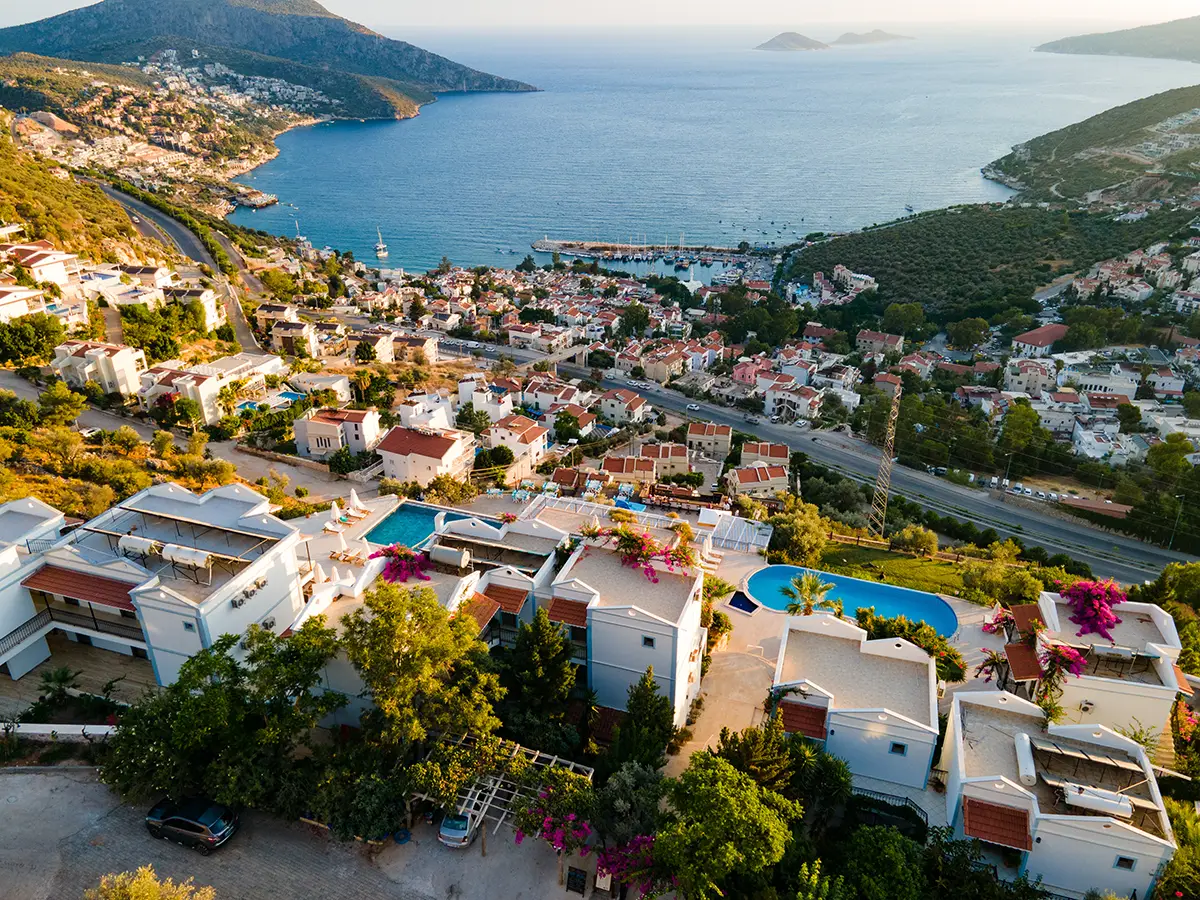
Greece still offers direct property investment
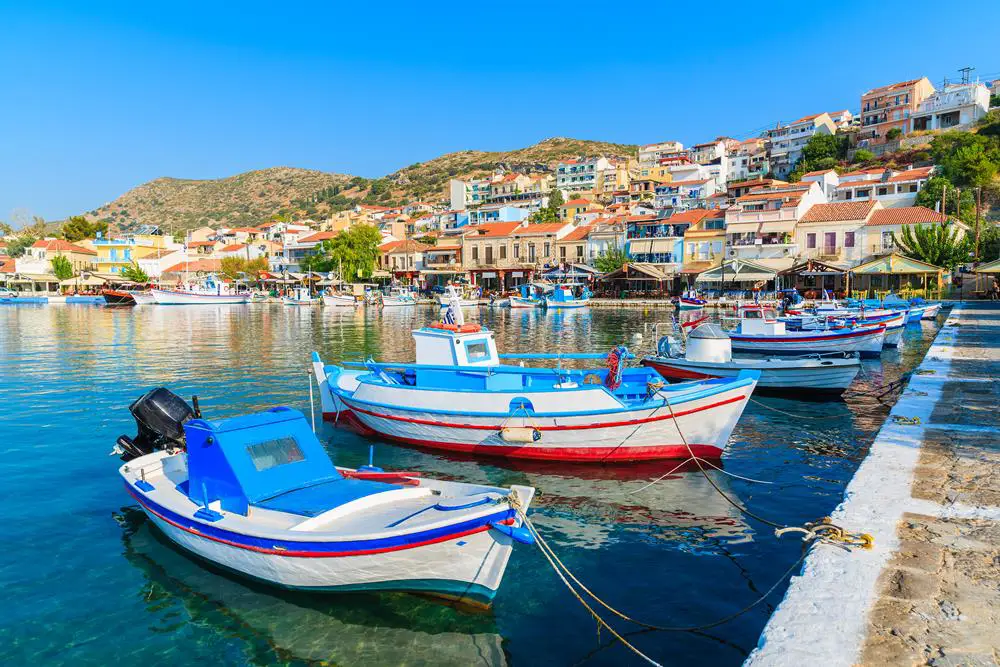
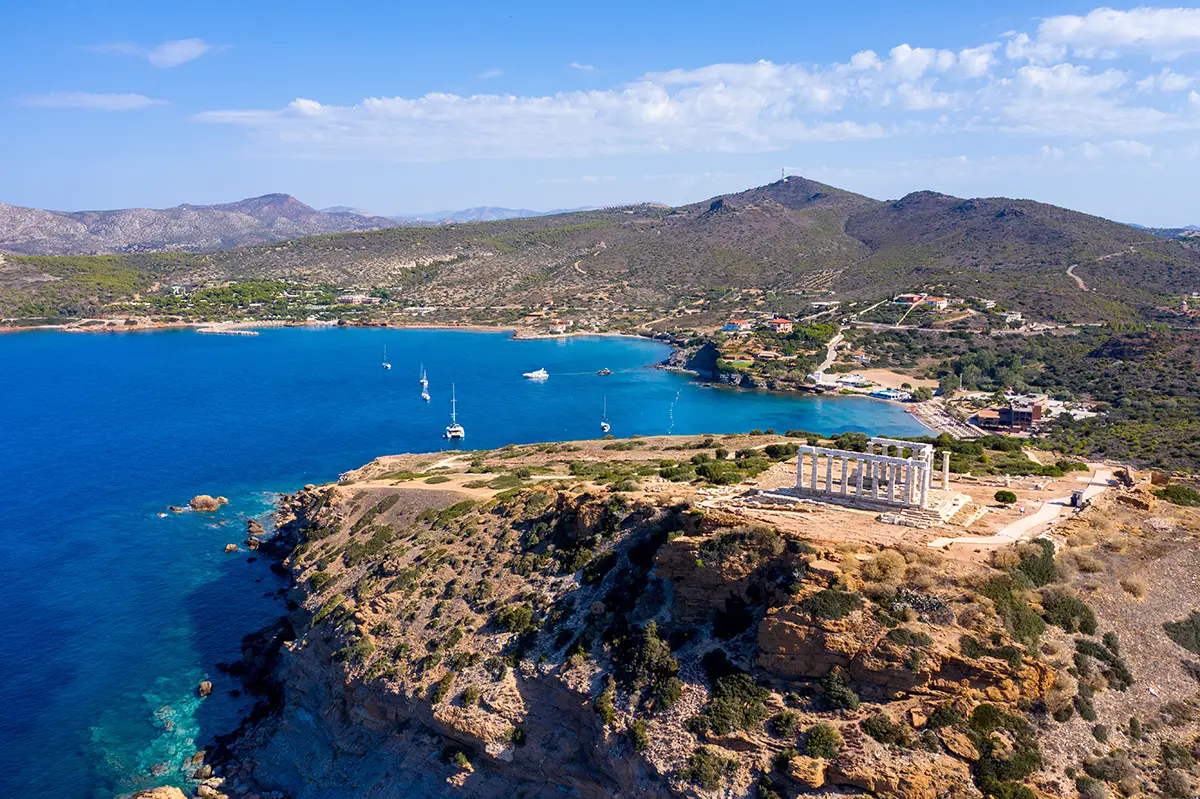
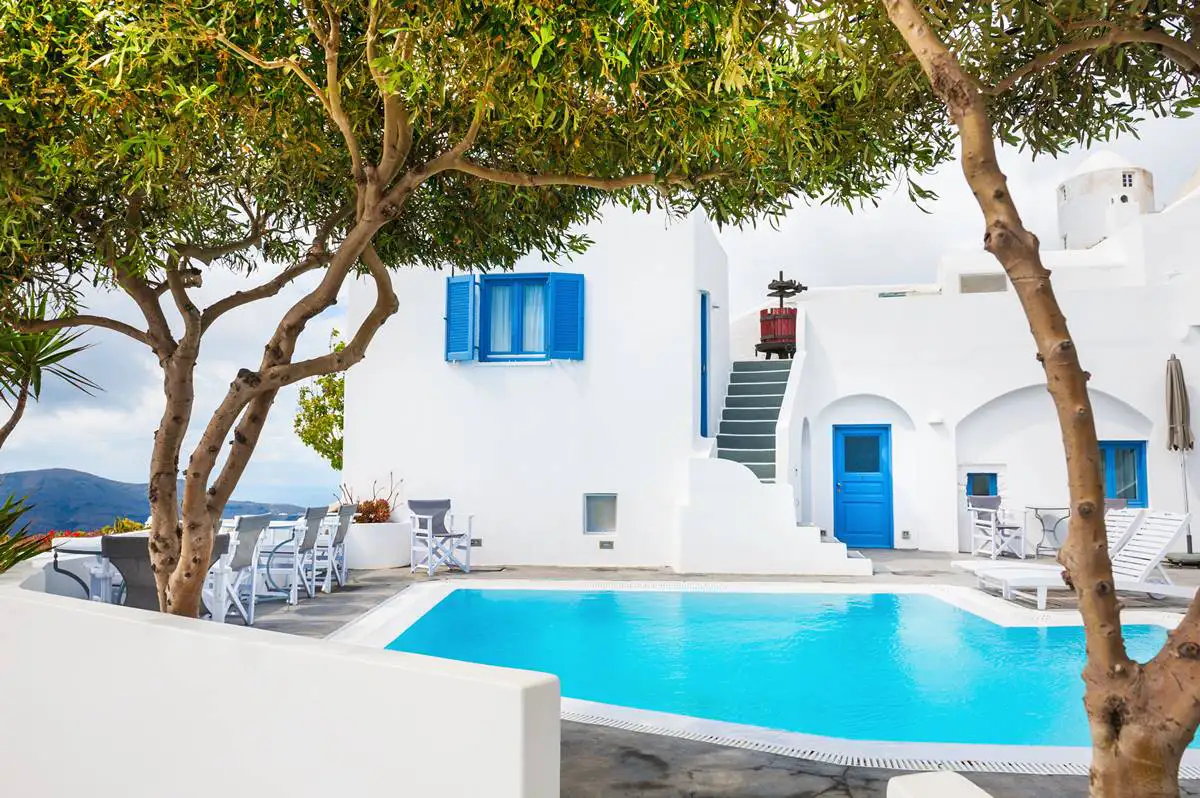
The Greece Golden Visa remains open in 2026 and is one of the few major European programmes where direct real estate continues to sit at the centre of the offer.
Most property purchases now fall under one of two standard thresholds. The minimum is €800,000 in Attica, Thessaloniki, Mykonos, Santorini and Greek islands with populations above 3,100, while €400,000 applies across much of the rest of the country.
A lower €250,000 property route also remains available, although this is limited to specific property categories rather than ordinary residential purchases anywhere in Greece. Eligible routes include properties converted from commercial to residential use and certain listed buildings undergoing restoration.
That distinction matters when Greece is compared with other programmes carrying the same €250,000 headline figure. In Greece, the investor can still end up owning a physical property directly, rather than units in a fund or shares in a company.
For someone who already wants exposure to Greek real estate, the residence permit can therefore sit alongside an investment they might have considered anyway.
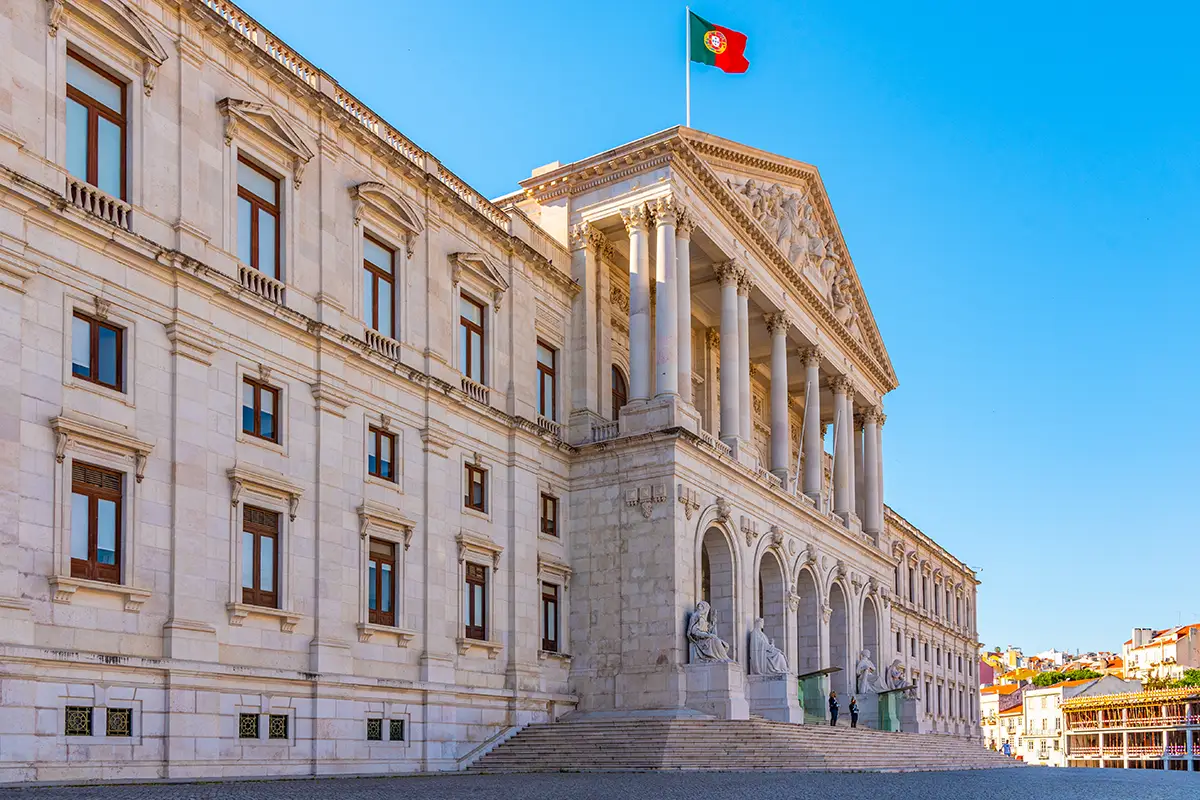
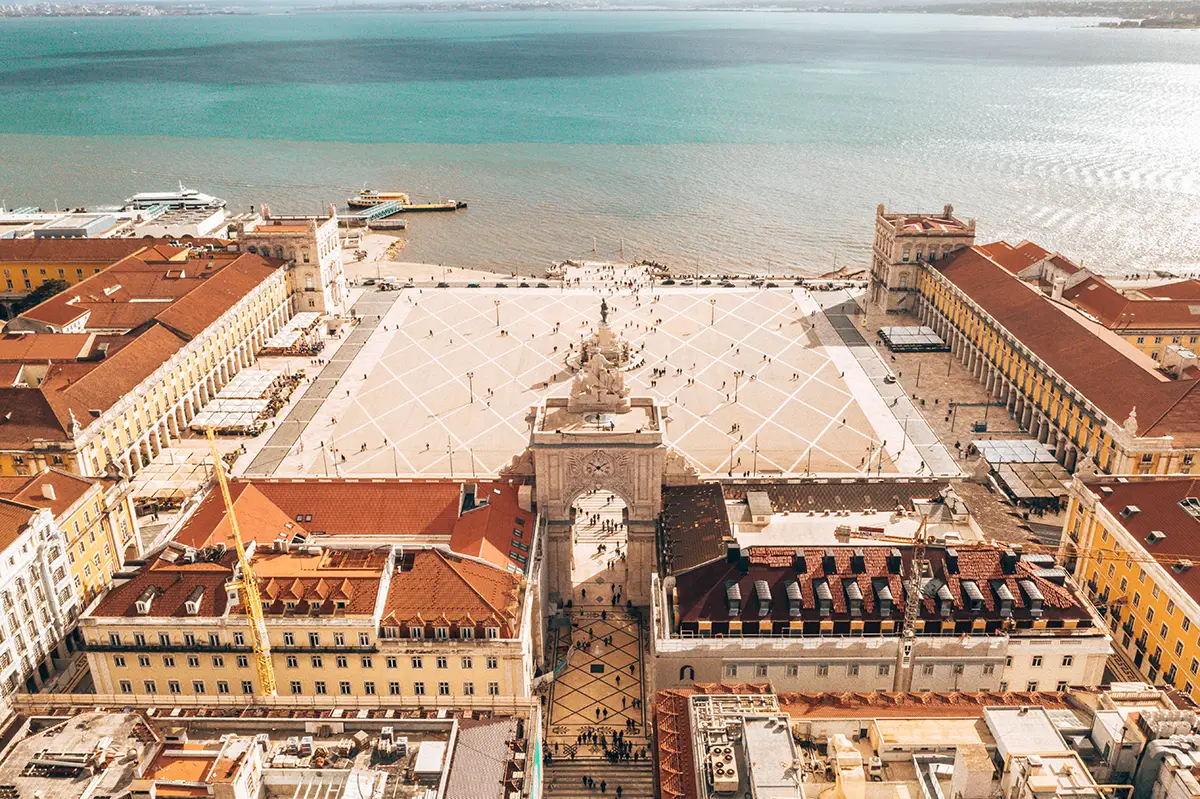
Portugal is still open, but property is no longer an option
Portugal's Golden Visa did not disappear when property was removed from the programme. It is still open, but the qualifying investments now look quite different.
For most investors looking for a recognisable financial investment, the €500,000 fund route is likely to be the main option. The money must go into qualifying non-real-estate collective investment funds established under Portuguese law, with a minimum five-year maturity and at least 60% of the investments made in Portuguese companies.
Portugal also retains a lower €250,000 route linked to artistic production and the recovery or maintenance of national cultural heritage.
The lower figure is attractive, but it needs to be understood differently from the fund route. An investor buying fund units is acquiring a financial asset that may later be redeemed or sold subject to the terms and performance of the fund. The cultural route is support for an approved cultural activity, so investors should not approach the €250,000 as though it were capital they will simply receive back at the end of the residence period.
Portugal also allows qualifying investment in scientific research, job creation and Portuguese companies. Real estate, however, cannot be used directly or indirectly as the basis of the qualifying investment.
The programme is therefore still relevant, but more for investors comfortable with funds or other financial and economic contributions than for someone whose priority is buying a home or investment property.
Italy offers investment residence without property
Italy's Investor Visa also remains open, with its lowest threshold set at €250,000.
That amount must be invested in an Italian innovative startup. Other options include €500,000 in an Italian limited company, €2 million in government bonds or a €1 million philanthropic initiative.
There is no qualifying direct property route.
Italy therefore ends up close to Greece on price while offering an almost opposite investment proposition. A €250,000 Greek route can involve ownership of qualifying real estate, whereas the same amount in Italy means taking equity exposure to an innovative startup.
An investor already comfortable with private-company risk may prefer the Italian route, while someone mainly interested in property would have little reason to choose it solely because the minimum figure looks competitive.
Hungary has brought back a €250,000 fund route
Hungary's Guest Investor residence permit has added another €250,000 option to the European market.
The principal route requires the purchase of at least €250,000 in units issued by a real estate fund registered with the Hungarian National Bank. A separate €1 million route is available through a qualifying donation to a higher education institution.
The €250,000 figure can make Hungary look similar to Greece, but the investor is buying fund units rather than purchasing a Hungarian property directly.
The residence terms are comparatively generous. The permit can be issued for up to ten years and extended for a further ten, and holders can work in Hungary without restriction.
For someone who prefers a fund investment and wants a long residence period before renewal, Hungary deserves a place on the shortlist. It is less relevant to an investor who wants to select and own the underlying property themselves.

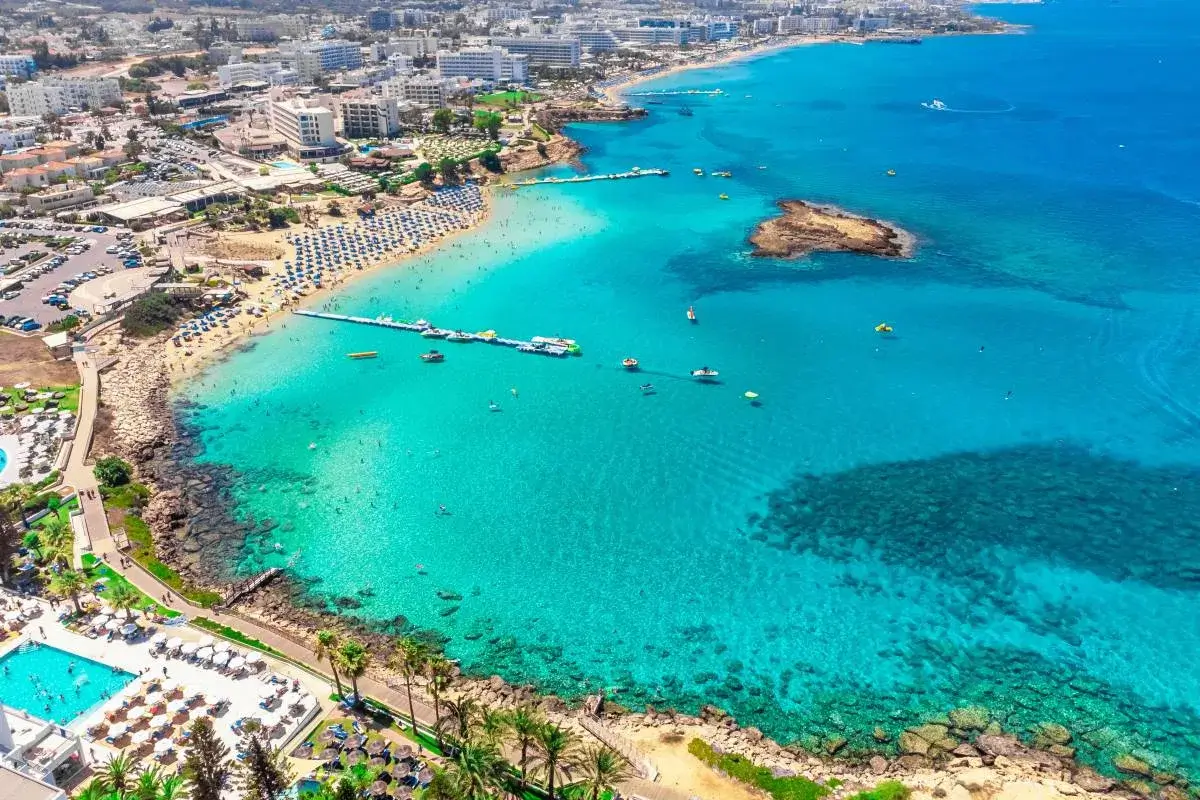
Cyprus offers investor permanent residence from €300,000
Cyprus is often grouped with European Golden Visas, although technically it operates an investor permanent residence programme.
Applicants can qualify with an investment of at least €300,000. Options include a first-sale house or apartment, other qualifying real estate, share capital in a Cyprus company with a physical presence and at least five employees, or units in a qualifying Cyprus investment fund.
There is also an income requirement. The main applicant must currently demonstrate secure annual income of at least €50,000, with additional amounts required for a spouse and dependent children.
The ability to qualify through property makes Cyprus relevant to the same investors looking at Greece, but the residence product is different and so is the mobility position.
Cyprus is an EU member but, as of November 2026, it has not yet become a full member of the Schengen area.
That is an important distinction for investors who see European residence primarily as a way of gaining easier access across Schengen.
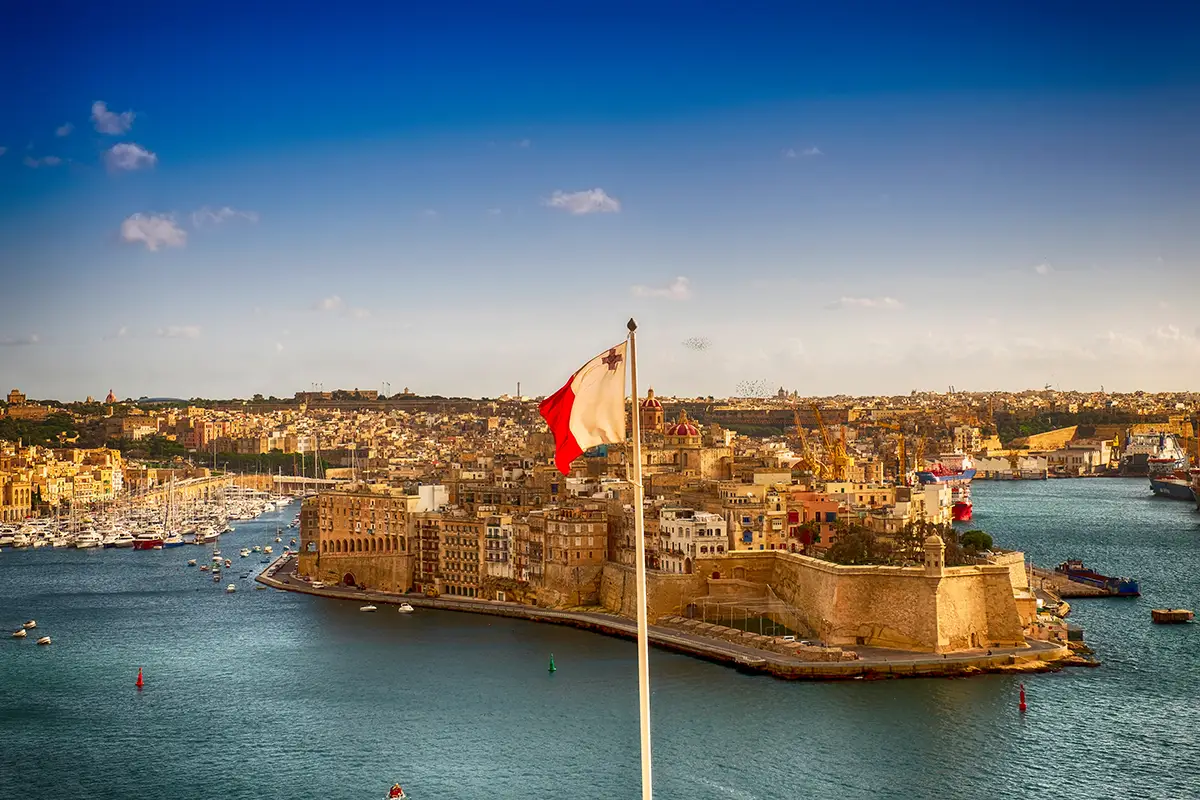
Malta remains open, but the headline property cost is only part of the picture
Malta also belongs in the comparison, with some qualifications.
The Malta Permanent Residence Programme gives qualifying investors permanent residence rather than a conventional temporary Golden Visa. Applicants can meet the property requirement by purchasing a residence worth at least €375,000 or renting one for at least €14,000 per year.
Neither figure describes the full financial commitment.
The programme also requires a €37,000 government contribution and a non-refundable €60,000 administrative fee, with additional charges applying to some dependants. Applicants must also meet minimum asset requirements.
This makes Malta harder to compare using a single "minimum investment" figure. Renting can reduce the amount tied up in real estate, but the programme still carries substantial non-refundable costs. Purchasing a property requires more capital again.
For an investor who specifically wants permanent residence in Malta, those costs may still make sense. They make less sense as a direct comparison with a €250,000 investment that remains held as property, fund units or company equity elsewhere.
Which European Golden Visas have closed?
Several programmes that still appear frequently in older search results are no longer available to new applicants.
Spain Golden Visa: closed
Spain closed its investor visa with effect from 3 April 2025, ending what had been one of Europe's best-known property Golden Visas. Applications submitted before the changes took effect were protected under transitional provisions.
Ireland Immigrant Investor Programme: closed
Ireland stopped accepting new applications to its Immigrant Investor Programme in February 2023. Existing approved projects and applications already in the system continued under transitional arrangements.
Netherlands investor residence route: closed
The Netherlands has also ended its dedicated foreign investor residence route. It should no longer appear on a current shortlist of European Golden Visa options for new applicants.
UK Tier 1 Investor Visa: closed
The UK's Tier 1 Investor route has been closed to new initial applicants since February 2022 and now exists only as a legacy route for people who already held qualifying status.
The closures matter because several of the best-known Western European property and investor routes have disappeared within a relatively short period. Someone comparing programmes from an article written three or four years ago could easily end up looking at options that no longer exist.
Which route makes sense in 2026?
There is still a reasonable range of European investor residence options, but the choice now depends heavily on the type of asset an investor is comfortable holding.
Portugal and Hungary make more sense for investors prepared to use funds. Italy gives access through startups, companies and other financial investments, while Cyprus and Malta can suit applicants looking specifically for permanent residence and willing to meet their additional conditions.
For direct property ownership, the list is much shorter than it used to be.
Spain has closed its Golden Visa and Portugal no longer accepts property as a qualifying investment. Malta and Cyprus still involve property, but both operate permanent residence programmes with different costs and requirements, and Cyprus is not yet fully part of Schengen.
That leaves Greece in a stronger position for investors who specifically want real estate to sit behind their residence application. It still offers direct property ownership, a five-year renewable residence permit and no minimum stay requirement for renewal, with specialist qualifying properties available from €250,000 and broader property routes at €400,000 and €800,000.
The cheapest headline number should not decide the choice. A €250,000 cultural contribution, startup investment, fund holding and property purchase expose the investor to very different assets and risks.
For someone who already wants to own property in Europe, though, Greece now has far fewer direct competitors than it did only a few years ago. Investors considering that route can browse current Greece Golden Visa properties available through Investment Visa.
-
Which European Golden Visas are still open in 2026?
Several European Golden Visa and investor residence routes remain open in 2026, but the available options have changed considerably. We compare...